
Öinen maisema — History & Facts
When did color learn to lie? Beneath the surface of vibrant hues lies a world teetering on the brink of revelation. The perception of reality is challenged, as familiar forms dissolve into vivid abstraction, inviting us to question the essence of what we see. Look to the center, where swirling blues and greens intertwine, giving life to a landscape that feels both tranquil and tumultuous. Notice how the brushwork blurs the edges of trees and hills, as if the night itself is breathing.
Shadows dance with rich pigments, evoking an emotional landscape that resonates long after the gaze has shifted. The artist employs a dreamy palette that captures the essence of twilight, suggesting a world where imagination reigns supreme. Beneath the surface of this seemingly peaceful scene, tensions emerge. The juxtaposition of bold colors against darkened shapes hints at an underlying conflict—perhaps the struggle between reality and illusion, or the clash between nature and human perception.
Elements that appear harmonious at first glance reveal layers of complexity upon closer inspection, symbolizing the artist's own introspection during a period of rapid change. Enckell’s work encapsulates the revolutionary spirit of the early 20th century, where art began to challenge conventions. Created between 1900 and 1905, this piece emerged during a transformative time for Magnus Enckell, who was influenced by both Symbolism and the nascent modernist movements. Living in Finland, he witnessed the shifts in cultural identity as the country navigated its place within an evolving artistic landscape.
The backdrop of societal change invigorated his approach, allowing him to explore the emotive power of color and abstraction in profound ways.
More Artworks by Magnus Enckell
Browse all →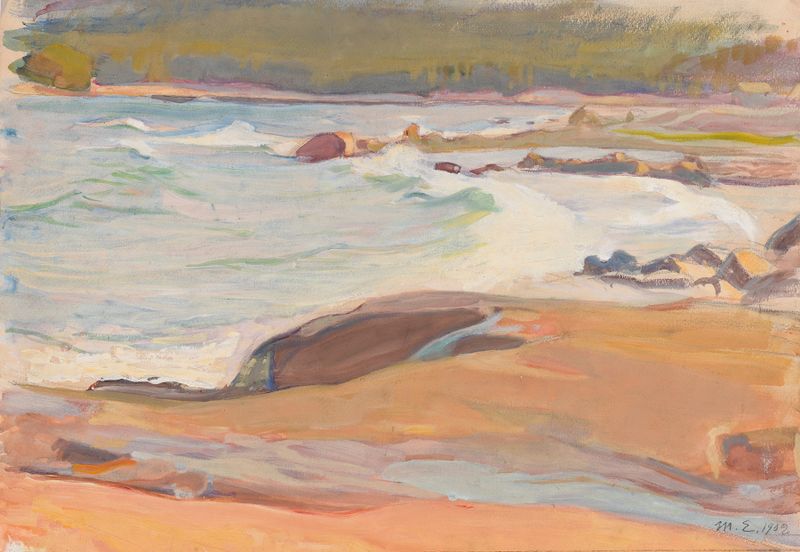
From Suursaari Island
Magnus Enckell
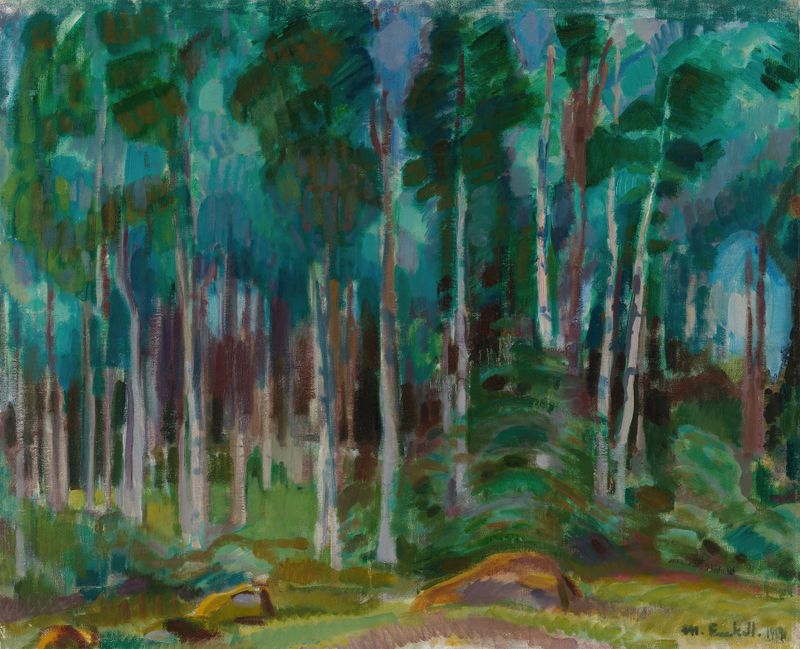
Birches in Vääksy
Magnus Enckell

Maisema, puita
Magnus Enckell

Maisema
Magnus Enckell

Maisema, puita
Magnus Enckell

Seaside Landscape from Suursaari Island
Magnus Enckell

Kaupunkikuva, puistoa, ajureita
Magnus Enckell

Puutarha
Magnus Enckell
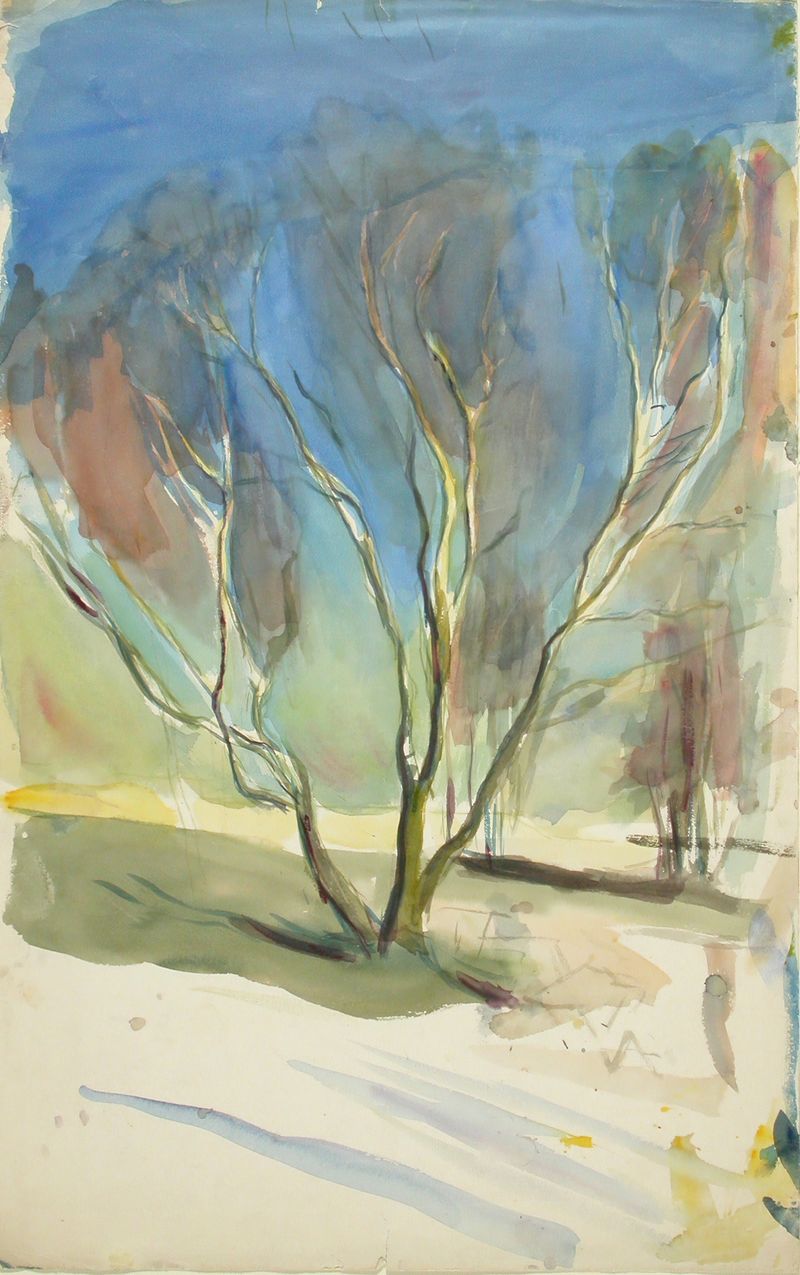
Landscape
Magnus Enckell

Maisema, pensaita, puita ja torni, luonnos
Magnus Enckell





