Puutarha — History & Facts
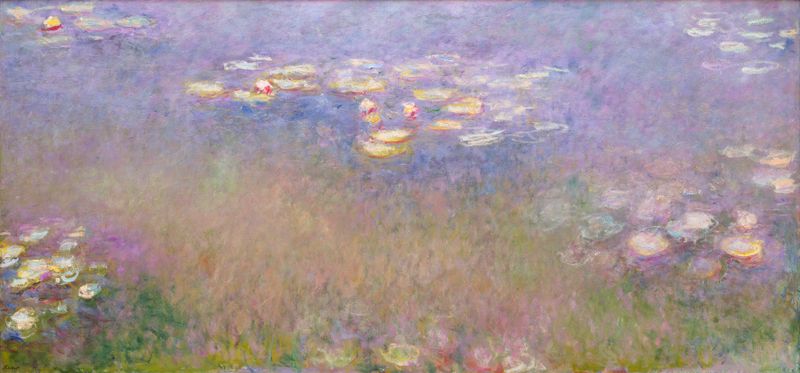
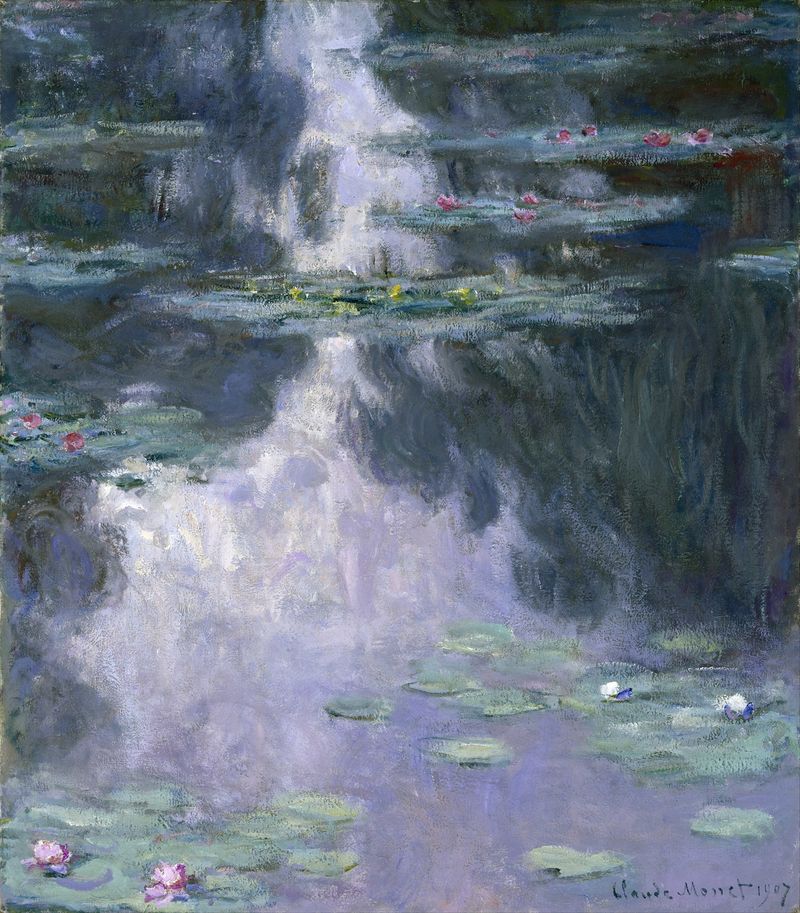
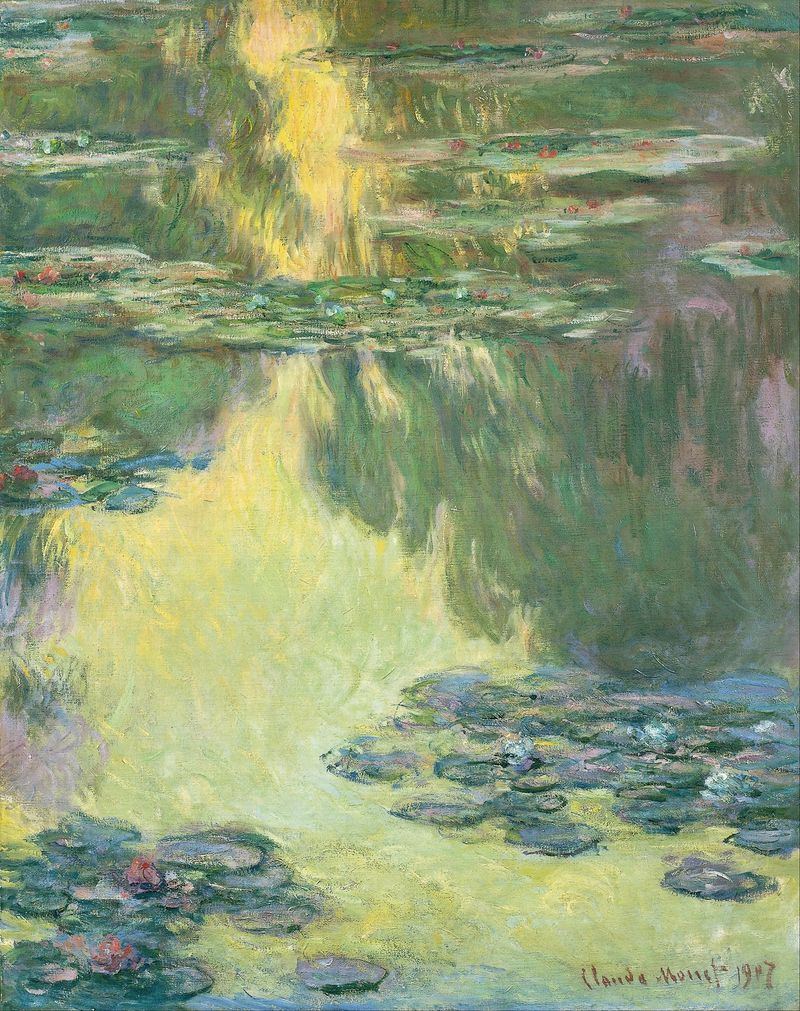
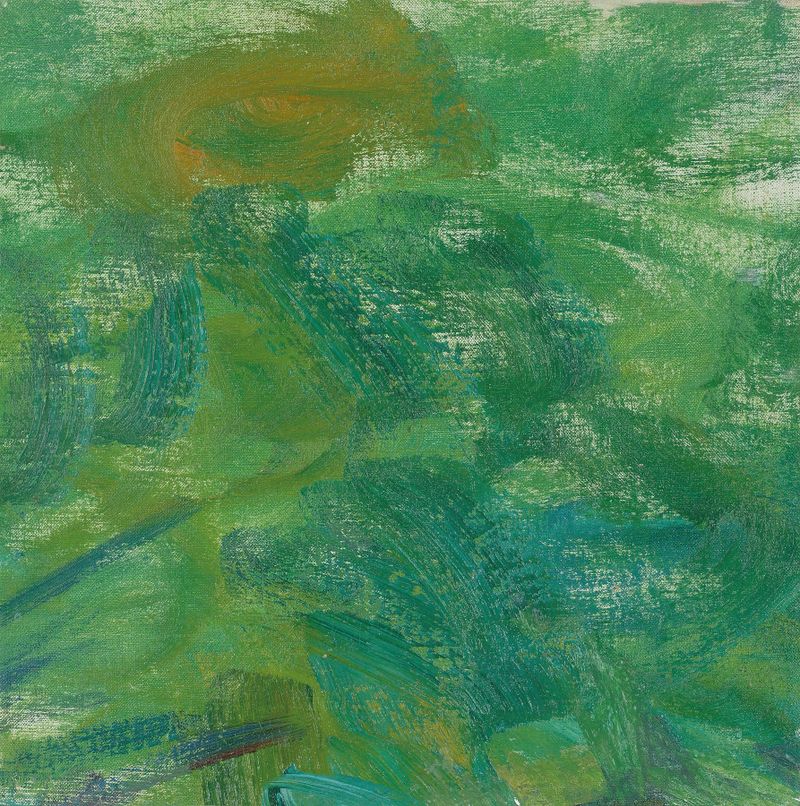
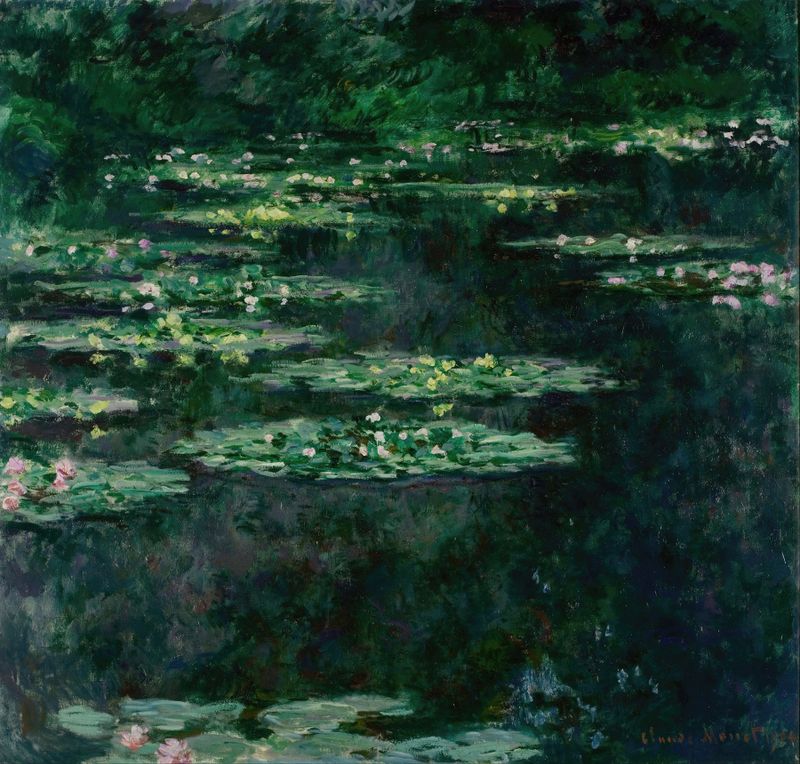
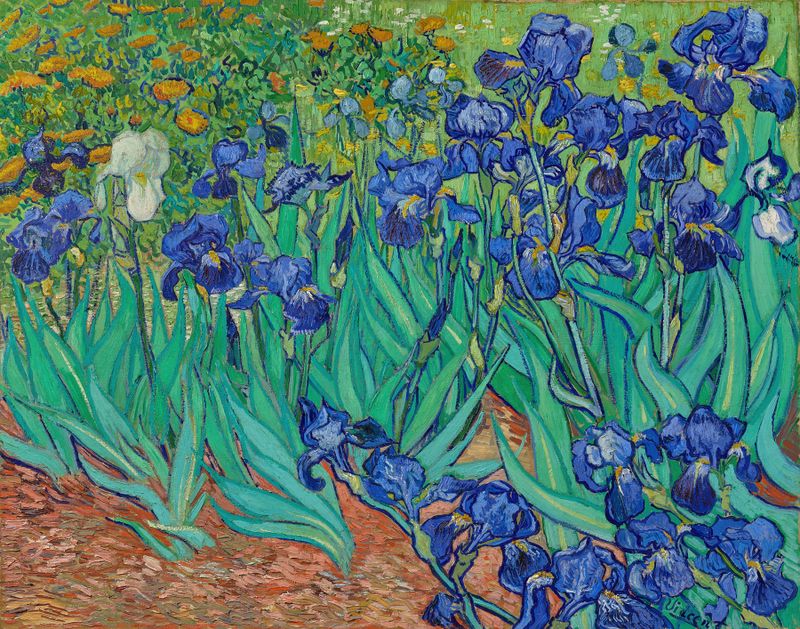
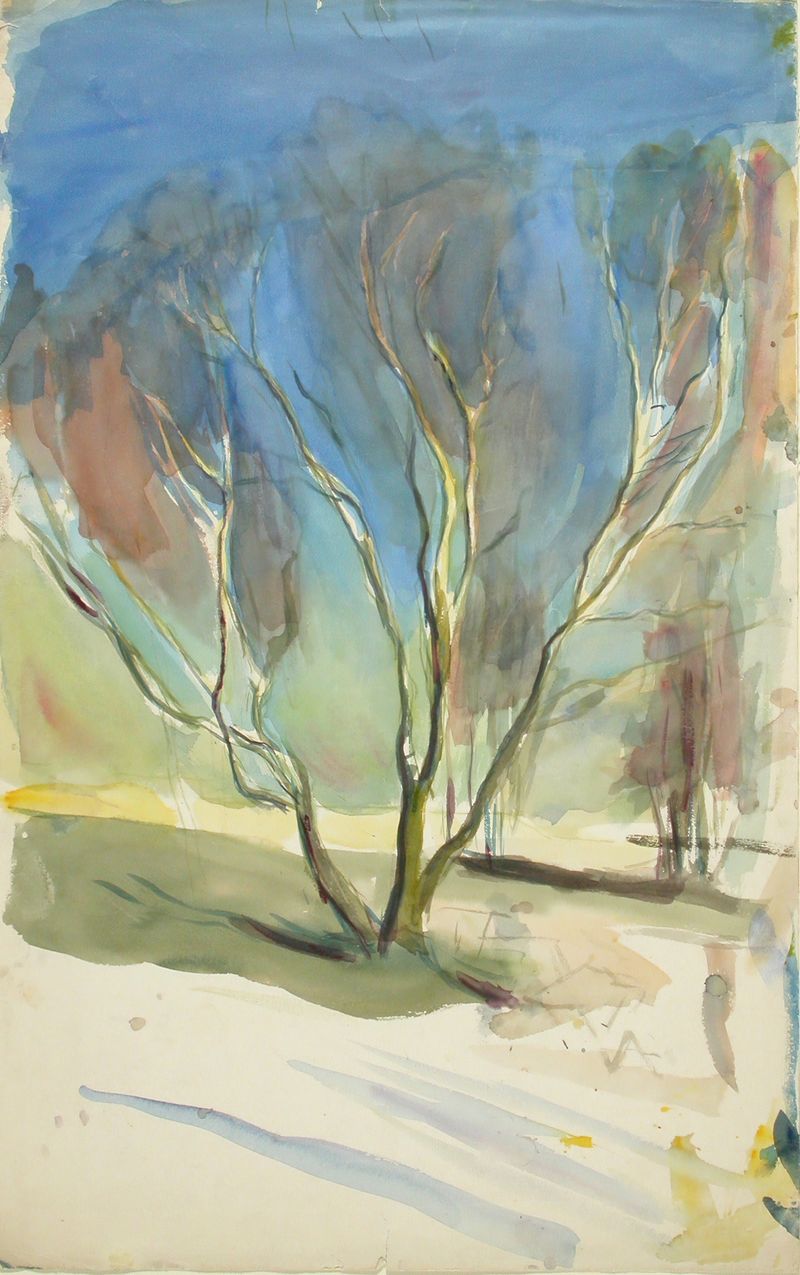
Each stroke speaks of longing, a quiet testimony to the weight of grief that colors our lives more vividly than joy. Begin by examining the lush, verdant hues that dominate the composition. Look to the center, where a garden bursts with life, each flower an explosion of color that contrasts poignantly with the somber undertones swirling around it. Notice the gentle brushwork that creates a dreamlike quality, as if the garden exists in a delicate balance between reality and memory.
The soft, ethereal light filtering through the foliage beckons the viewer deeper into this serene yet layered space. As you observe, consider the emotional tension embedded in the juxtaposition of vibrancy and stillness. The blooming flowers, so alive, are a stark contrast to the heavy, muted shadows that loom, hinting at the presence of loss. This duality speaks to the human experience of grief — the struggle between celebrating life and acknowledging the pain that often accompanies it.
Subtle details, like the almost imperceptible drop of dew on a petal, act as silent witnesses to the transient beauty that life offers, even amidst sorrow. Between 1910 and 1911, the artist navigated a personal landscape rife with emotional upheaval. Living in Finland during a time of political and cultural transformation, he sought solace in nature, capturing its complexity on canvas. The garden in Puutarha became not just a setting but a sanctuary for his reflections on love and loss, mirroring the turbulent world outside and his own inner turmoil.
More Artworks by Magnus Enckell
Browse all →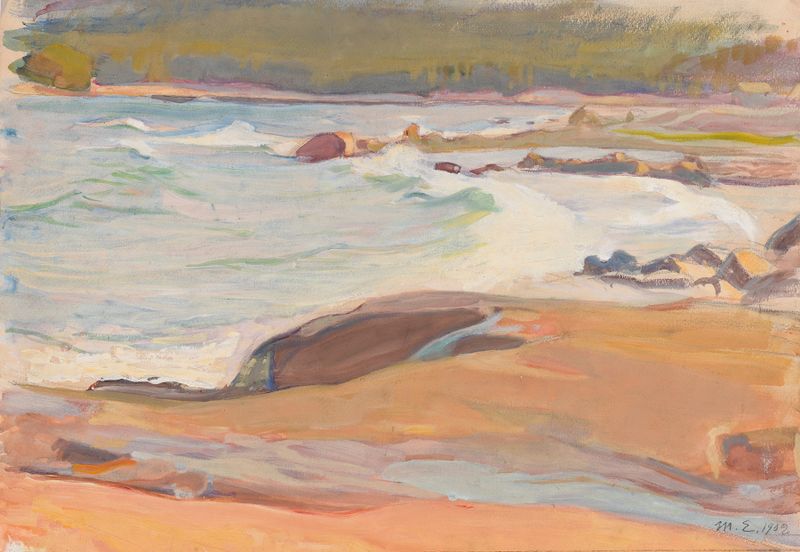
From Suursaari Island
Magnus Enckell
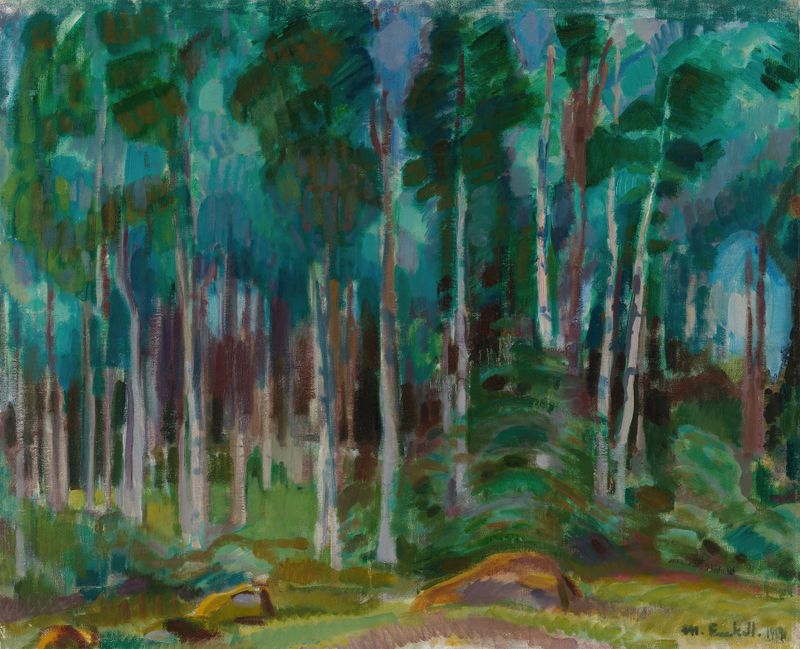
Birches in Vääksy
Magnus Enckell

Maisema, puita
Magnus Enckell

Maisema
Magnus Enckell

Maisema, puita
Magnus Enckell

Seaside Landscape from Suursaari Island
Magnus Enckell

Kaupunkikuva, puistoa, ajureita
Magnus Enckell
Landscape
Magnus Enckell

Maisema, pensaita, puita ja torni, luonnos
Magnus Enckell

Shore Landscape
Magnus Enckell