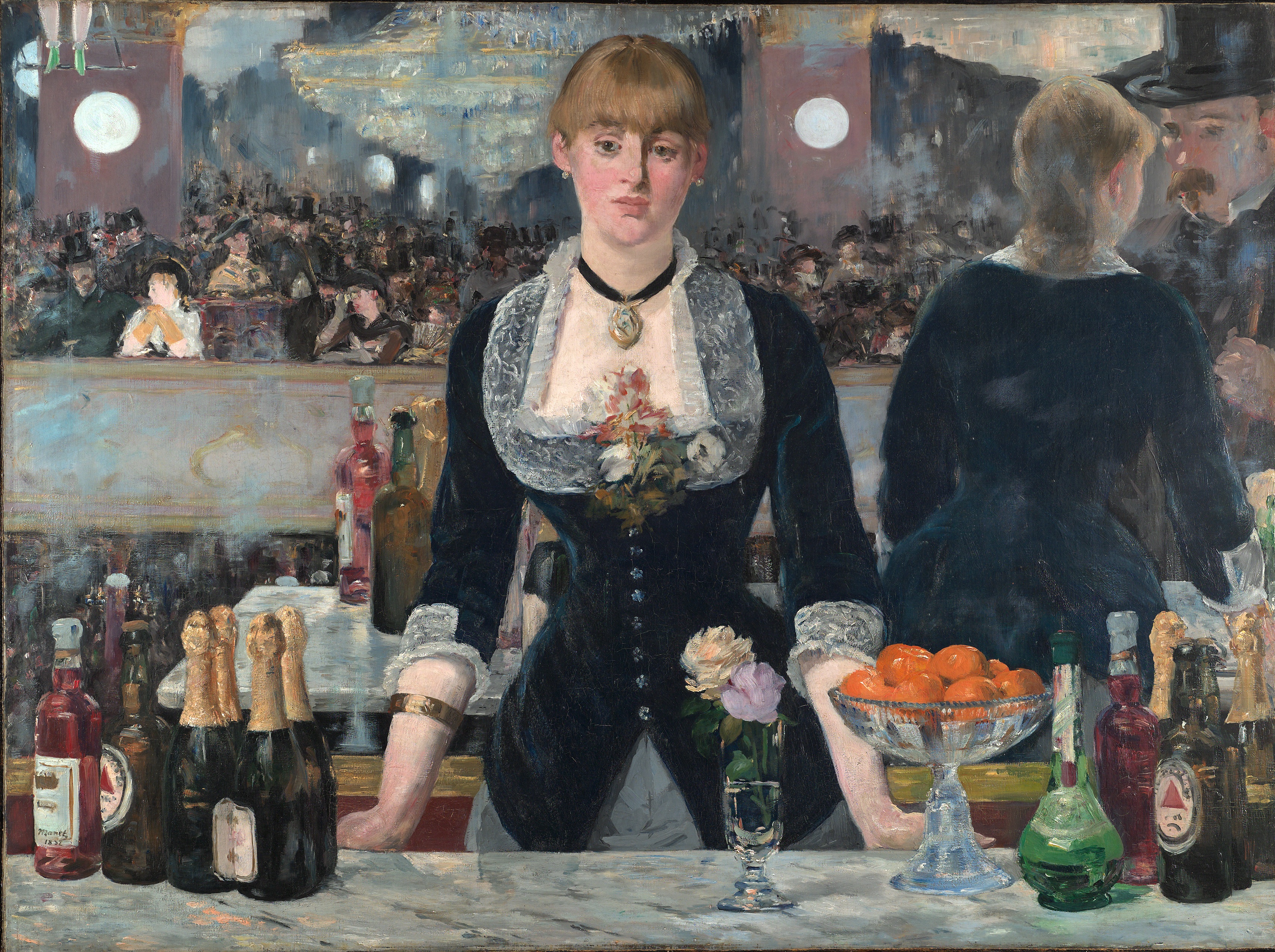
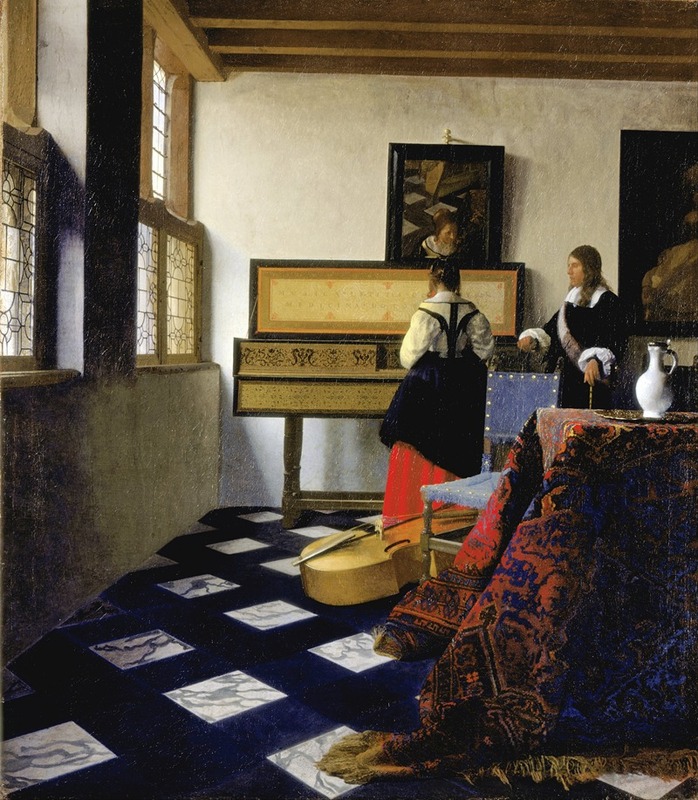
Innenansicht der St. Maximuskapelle in Salzburg (Petersfriedhof) — History & Facts
What if beauty was never meant to be finished? This haunting thought lingers as one gazes into the intricate depths of the chapel's interior, a space both serene and tinged with the ghosts of memory. Look to the center of the composition, where the altar stands in solemn glory, adorned with delicate carvings that draw the eye and heart. Notice how the light filters through arched windows, casting ethereal shadows that dance across the stone walls. The cool palette of grays and muted earth tones evokes a sense of quiet reverence, while subtle hints of gold accentuate the sacred features, inviting contemplation and reflection. Within the layered textures, the juxtaposition of light and dark resonates with a deeper narrative of loss—echoes of past worshippers linger in the air, whispering stories of devotion and grief.
The meticulous attention to architectural details suggests a longing for permanence amid the inevitable decay of the human experience. Each brushstroke captures not just a physical space but the emotional weight carried by those who have stepped into this chapel seeking solace. Domenico Quaglio the Younger created this work in 1818, during a time of personal upheaval as well as broader artistic shifts toward Romanticism in Europe. Living in Munich, he was deeply influenced by the revival of interest in Gothic architecture, which imbued his representations with a sense of nostalgia and introspection.
As he painted Innenansicht der St. Maximuskapelle in Salzburg, he was already grappling with the passage of time and the fleeting nature of beauty, themes that would haunt his oeuvre and resonate through generations.
More Artworks by Domenico Quaglio the Younger
Browse all →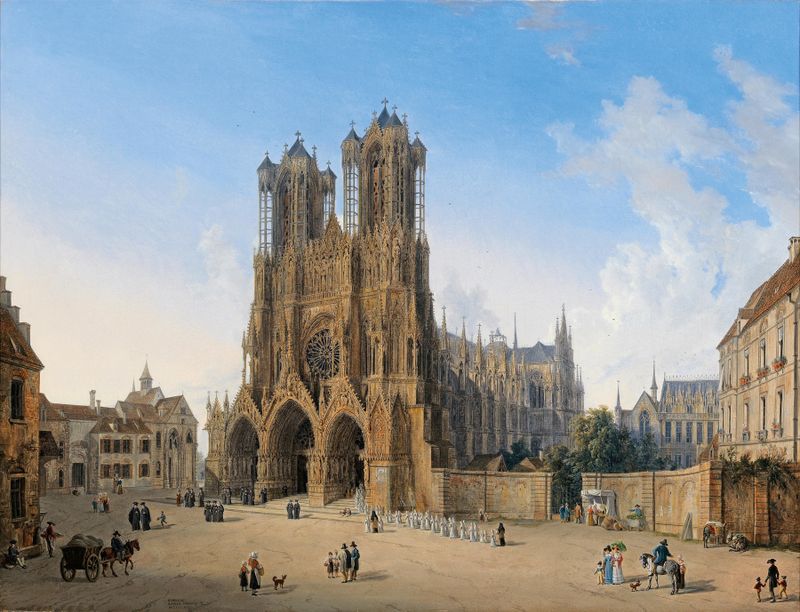
Kathedrale von Reims
Domenico Quaglio the Younger
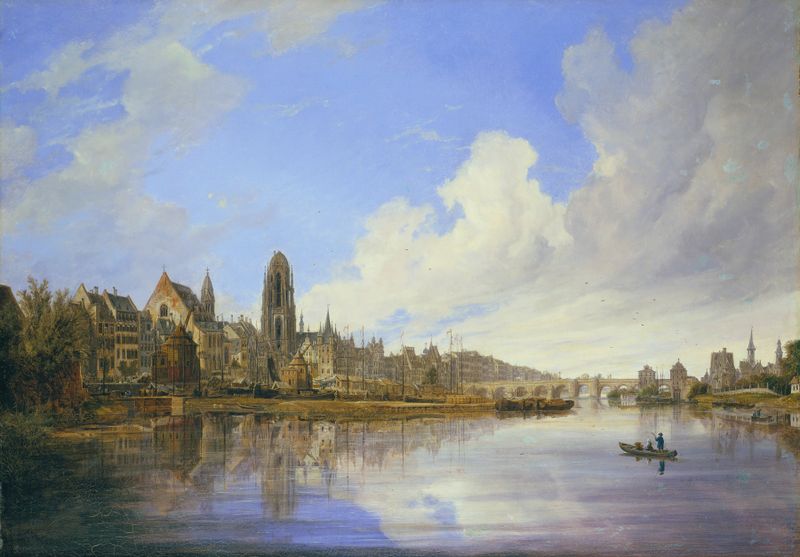
View of Frankfurt
Domenico Quaglio the Younger
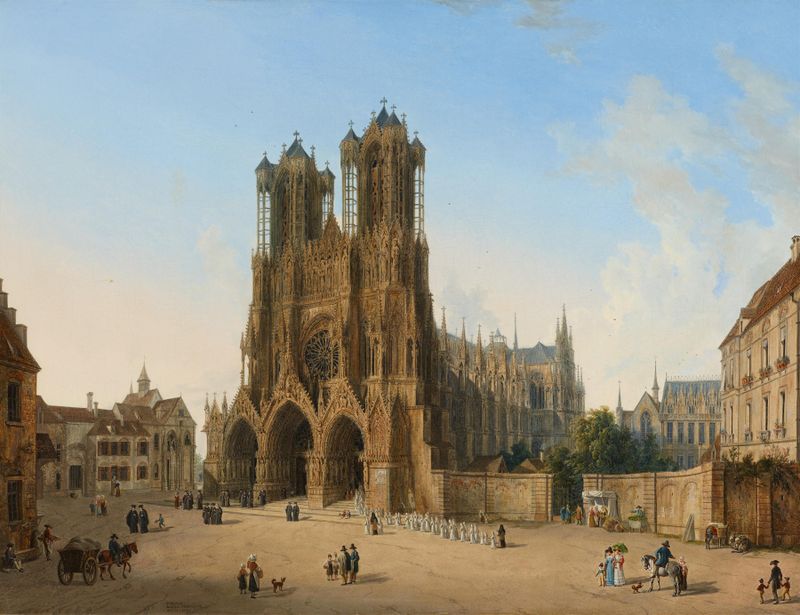
Südwestansicht der Kathedrale in Reims
Domenico Quaglio the Younger
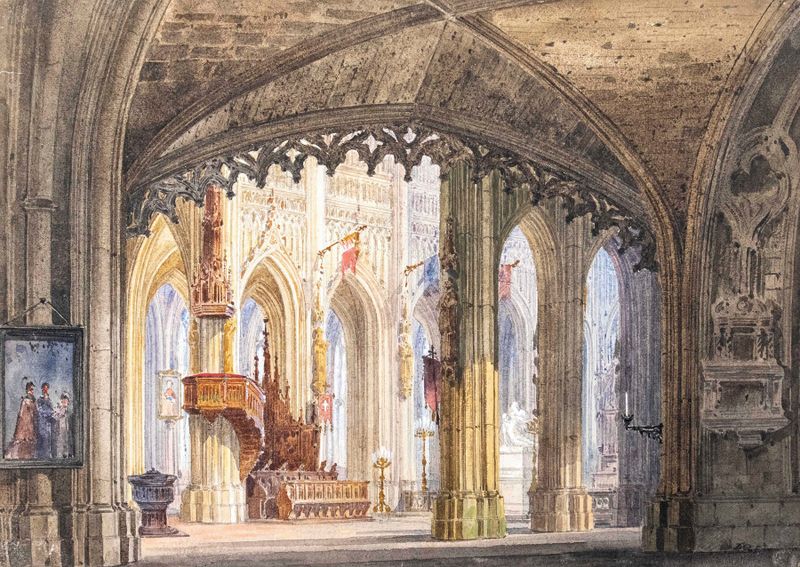
Blick in das Langhaus einer gotischen Kathedrale
Domenico Quaglio the Younger
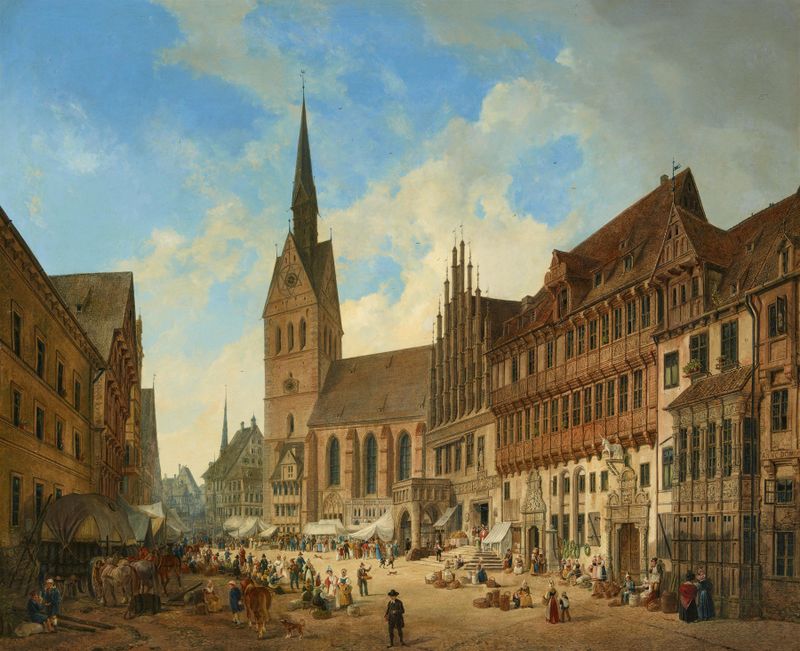
Blick durch die Köbelingerstraße auf die Marktkirche in Hannover
Domenico Quaglio the Younger