Interieur, preekstoel in de St. Bavo- of Grote Kerk — History & Facts
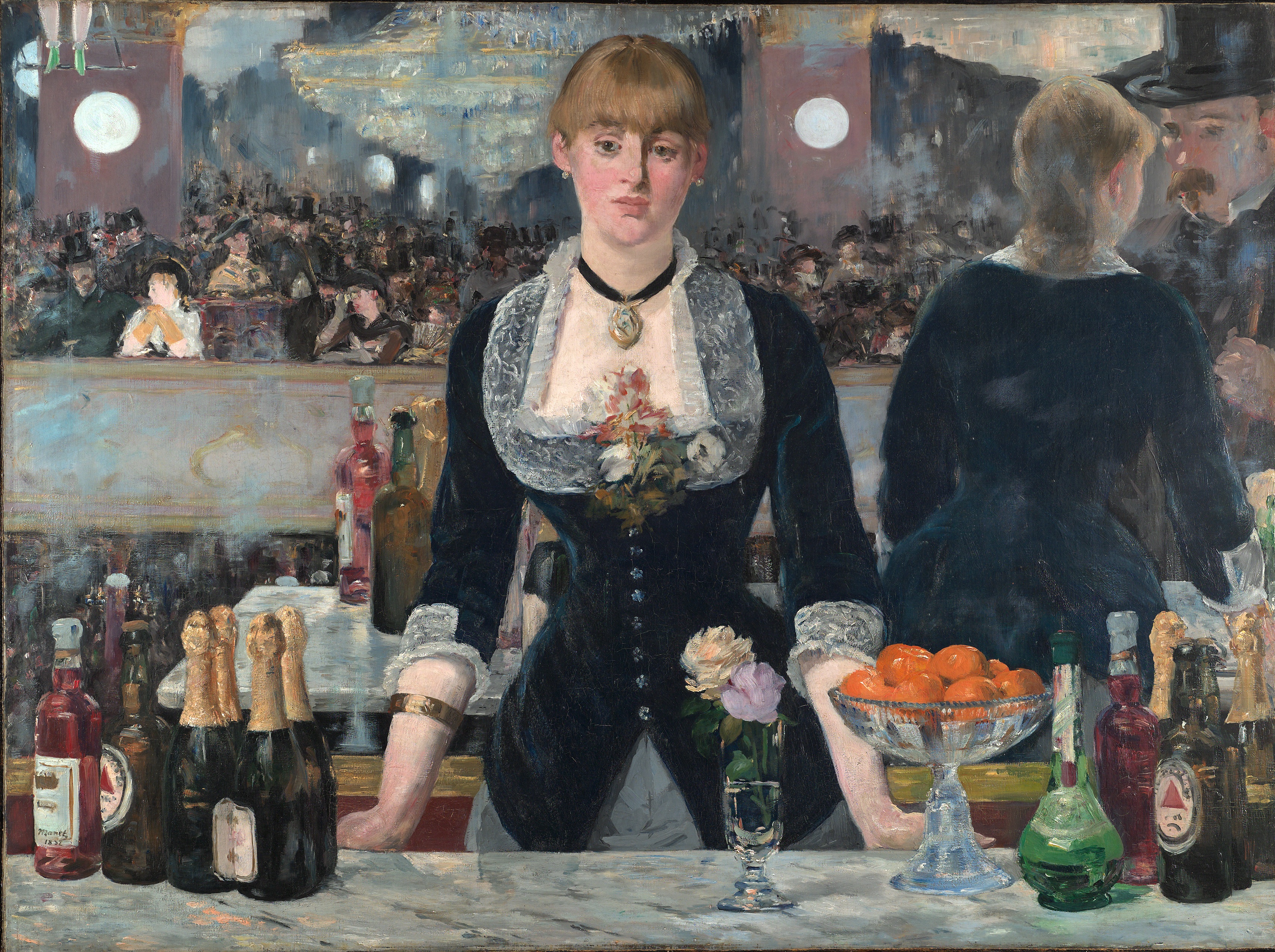
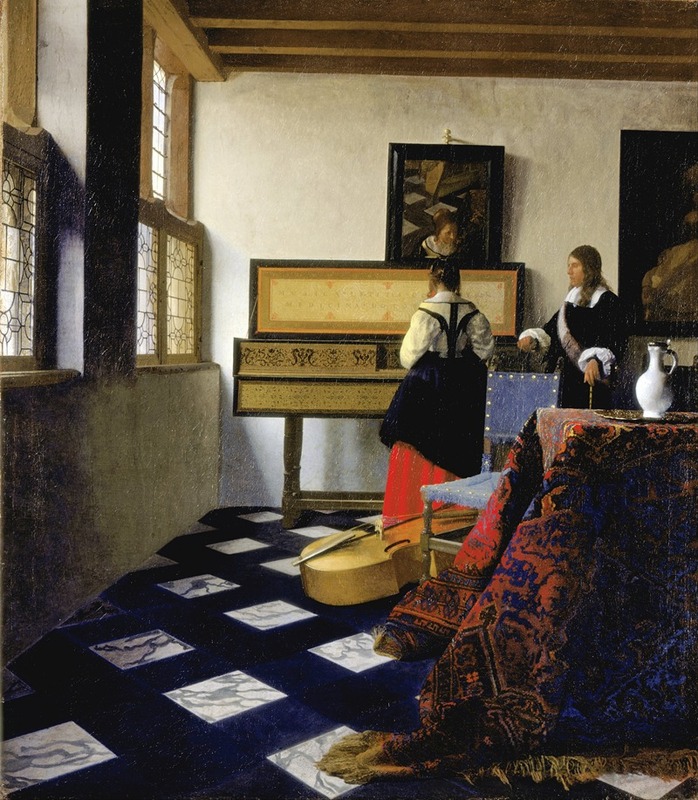
Could beauty survive in a century of chaos? Look closely at the intricate woodwork of the pulpit, where the artist has captured the grandeur of the space with delicate precision. Focus on the play of shadows that dance across the polished surfaces, revealing both the age and the care embedded in each detail. Warm, muted tones of gold and brown envelop the viewer, guiding the eyes upwards, as they trace the elegant lines that rise to meet the vaulted ceilings, leaving an impression of reverence. The work elicits a profound sense of awe, contrasting the monumental presence of faith against the whispers of human fragility.
Notice the subtle imperfections in the wood—the knots and grains that tell stories of time. They serve as a reminder that even in sacred spaces, beauty coexists with the inevitability of decay. The pulpit, a focal point of spiritual guidance, juxtaposes the chaos outside, emblematic of the post-war climate in Europe, hinting at the resilience and endurance of faith amidst turmoil. Willem Horsman painted this piece in 1952, during a period when the world was seeking solace in the remnants of tradition after the devastation of war.
Living in the Netherlands, he was surrounded by a culture grappling with its identity, and his work reflected a desire to reestablish a connection to the past. In the realm of post-war art, Horsman sought to bridge the gap between history and contemporary existence, capturing the essence of his environment in a world recovering from chaos.