Interieur van de Sint-Michaëlskerk te Zwolle — History & Facts
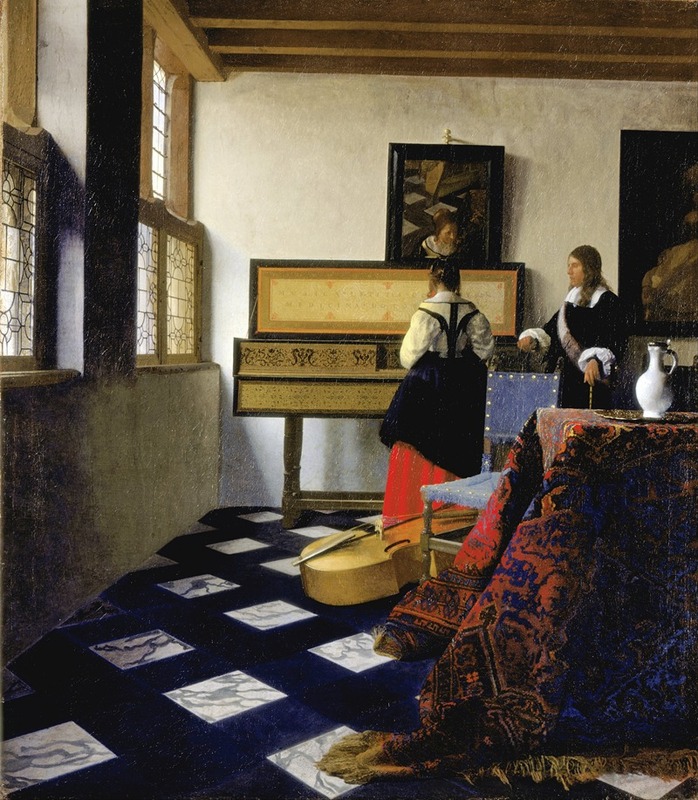
Where does light end, and longing begin? In the depths of shadows cast within the hallowed halls of an ancient church, a stillness blankets the space, resonating with whispers of solitude. Look to the left at the soaring arches, their intricate designs and muted colors drawing your gaze upward toward the heavens. Notice how the gentle illumination spills through the stained glass, creating patches of color that dance upon the stone floor, as if striving to infuse life into the cold, hard surfaces. The artist's careful brushwork captures the textures of the wooden pews and the weathered stone, inviting the viewer to feel the weight of history as you traverse the sacred interior. Yet, amidst the beauty lies an undercurrent of loneliness.
The empty pews speak of absence, a longing for voices that once filled the air with prayers and hymns. The light, while ethereal, also highlights the isolation inherent in such sacred spaces; it beckons the soul to reflect on its own solitude. The contrast between the vibrancy of the stained glass and the muted tones of the surroundings encapsulates the tension between hope and despair, inviting contemplation of the spiritual journey. Painted during the late 17th century, this work emerged from a time when religious expression was paramount in Northern Europe.
While Jan Gerritsz van Cuylenburg focused on the architectural grandeur of the church in Zwolle, the broader art world was shifting towards realism and the depiction of everyday life. Against this backdrop, his detailed rendering serves as a poignant reminder of faith intertwined with the human experience of solitude.