Interieur van een rijk versierde kerk of paleis — History & Facts
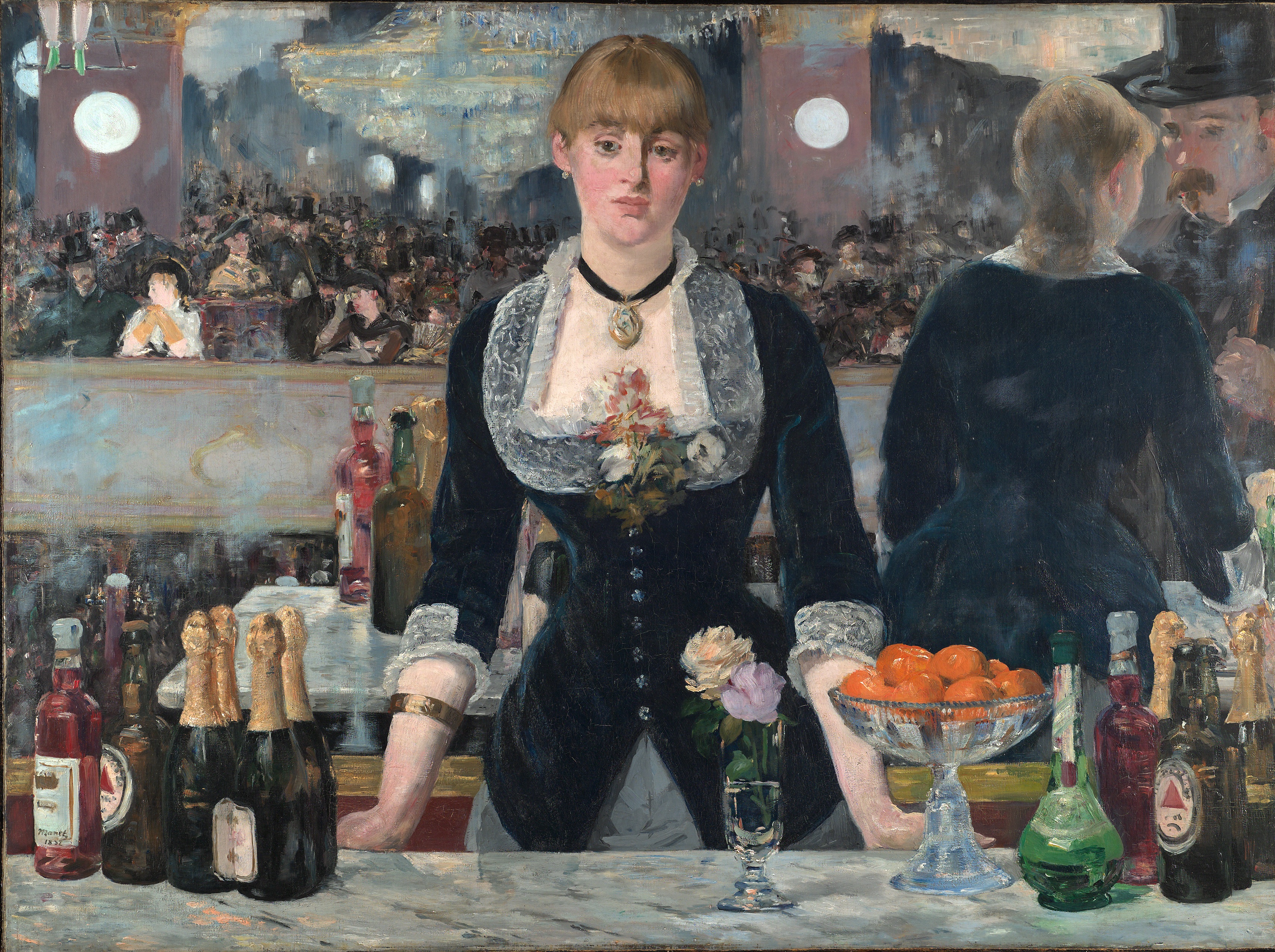
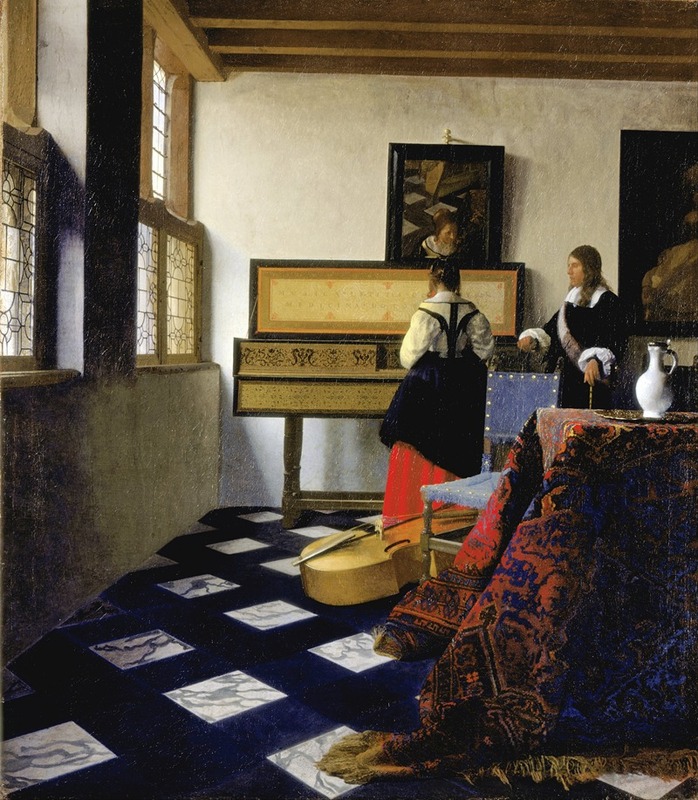
Could beauty survive in a century of chaos? This question resonates deeply within the intricate halls and majestic archways of a richly adorned interior, where divinity whispers in every detail. Look to the left at the grand columns soaring toward the heavens, their ornate carvings telling stories of faith and prosperity. Notice how the light pours through the stained glass, casting a kaleidoscope of colors upon the stone floor, creating an ethereal atmosphere. The meticulous arrangement of figures and objects in the composition draws the eye through the scene, revealing layers of opulence and devotion, where every surface sparkles with gold leaf, hinting at the wealth of both material and spiritual treasures. Beneath the surface, the painting contrasts the serene beauty of the environment with an underlying tension.
The graceful figures, seemingly lost in contemplation, embody a moment of reverence amidst whispers of turmoil outside these hallowed walls. The lavish decorations symbolize both the height of artistic achievement and the fragility of human existence, reminding us that even in the most opulent settings, the echoes of uncertainty persist. Created between 1628 and 1682, this work emerged during a period of significant change in France, marked by political strife and social upheaval. Lepautre was immersed in a world where the Baroque style flourished, reflecting both religious devotion and the power of the monarchy.
His attention to detail and grandeur was a response to the tumultuous times, aiming to elevate the spirit and invoke a sense of divine presence amidst the chaos surrounding him.