
Interior of a Church — History & Facts
Within the stillness of a sacred space, the essence of rebirth unfolds, whispering tales of both faith and time's inexorable passage. Look to the left, where soaring arches cradle a stream of light filtering through stained glass, illuminating the pews below. Each beam casts intricate patterns across the stone floor, inviting contemplation and reverence. The play of light and shadow enhances the depth of perspective, drawing the eye to the altar bathed in a warm glow, a focal point that speaks to renewal and spiritual awakening. Amidst the architectural grandeur, observe the delicate details in the woodwork and the figures poised in quiet prayer.
There lies a tension between the permanence of the stone structure and the ephemeral nature of human devotion. The juxtaposition of the vibrant colors in the stained glass against the muted grays and browns of the interior evokes a sense of hope amidst melancholy, a reminder of the cycles of life and faith. In 1655, the artist created this work during a time of religious and cultural change in the Netherlands. Living in a country undergoing a transformation in its artistic identity, he focused on the serene beauty within spiritual spaces, reflecting both his personal devotion and the collective yearning for solace amidst societal upheaval.
This period marked a blossoming of Dutch art, where sacred subjects found renewed expression in the hands of skilled craftsmen.
More Artworks by Hendrick Cornelisz. van Vliet
Browse all →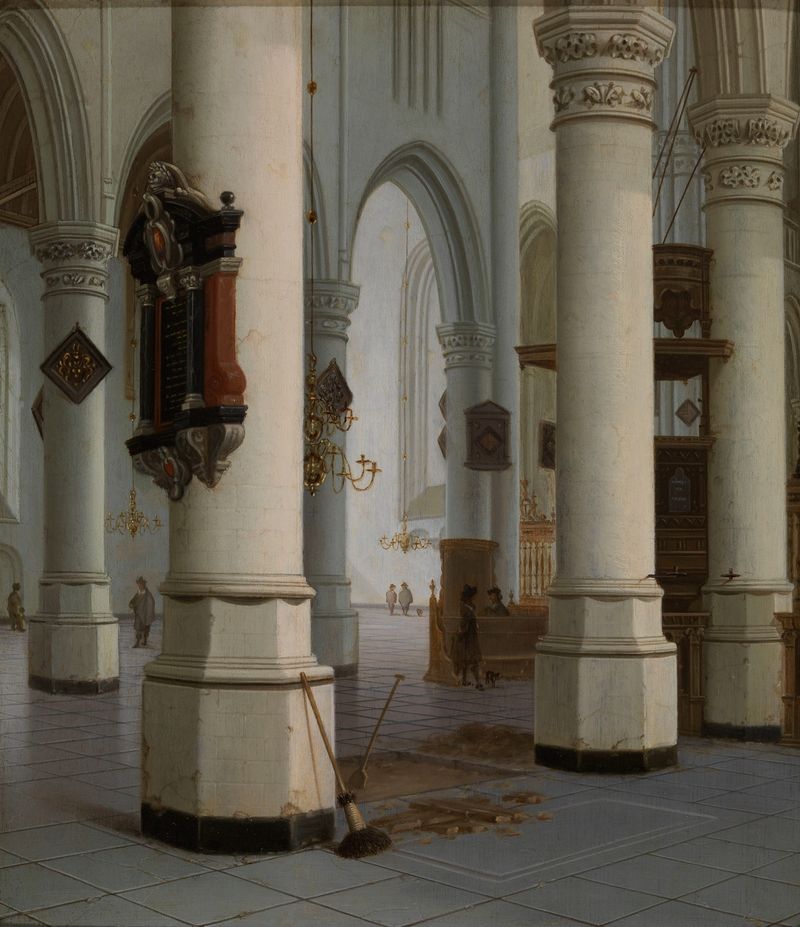
Interior of the ‘Nieuwe Kerk’ , new Church, in Delft
Hendrick Cornelisz. van Vliet

Interior of the ‘Nieuwe Kerk’ , new Church, in Delft
Hendrick Cornelisz. van Vliet

Church Interior
Hendrick Cornelisz. van Vliet

The Interior of the Oude Kerk in Delft
Hendrick Cornelisz. van Vliet

An interior of the Oude Kerk, Delft, looking west
Hendrick Cornelisz. van Vliet

Interior of Nieuwe Kerk, Delft
Hendrick Cornelisz. van Vliet
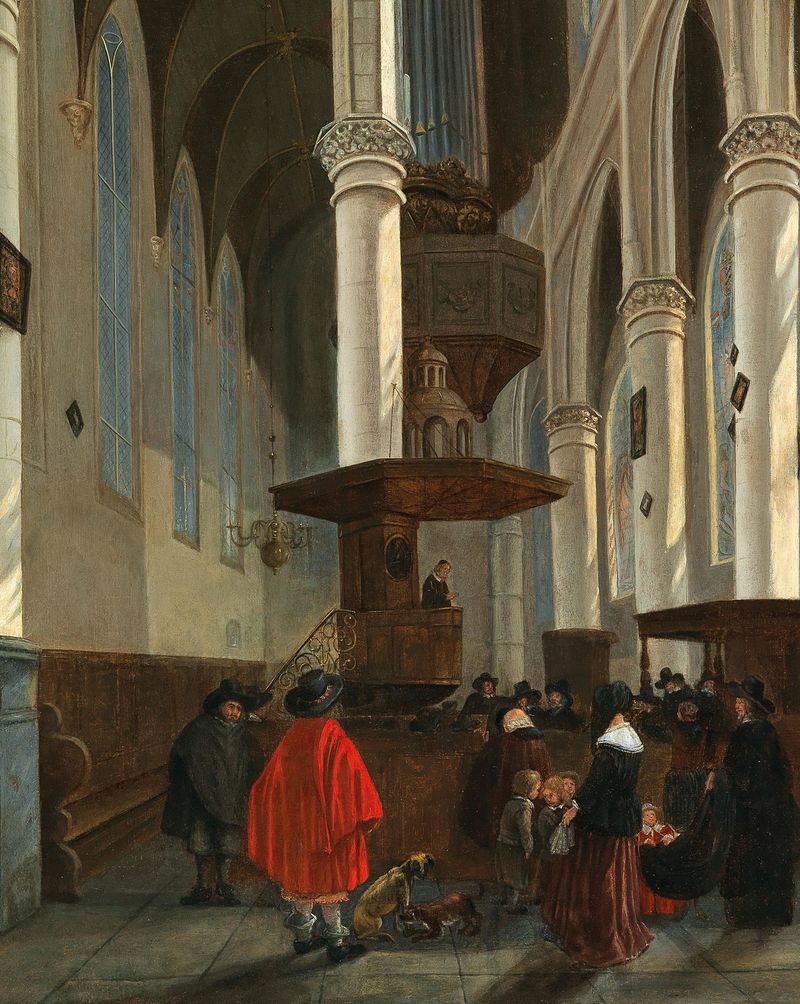
A church interior with a preacher in a pulpit
Hendrick Cornelisz. van Vliet

View of the Oude Kerk in Delft
Hendrick Cornelisz. van Vliet
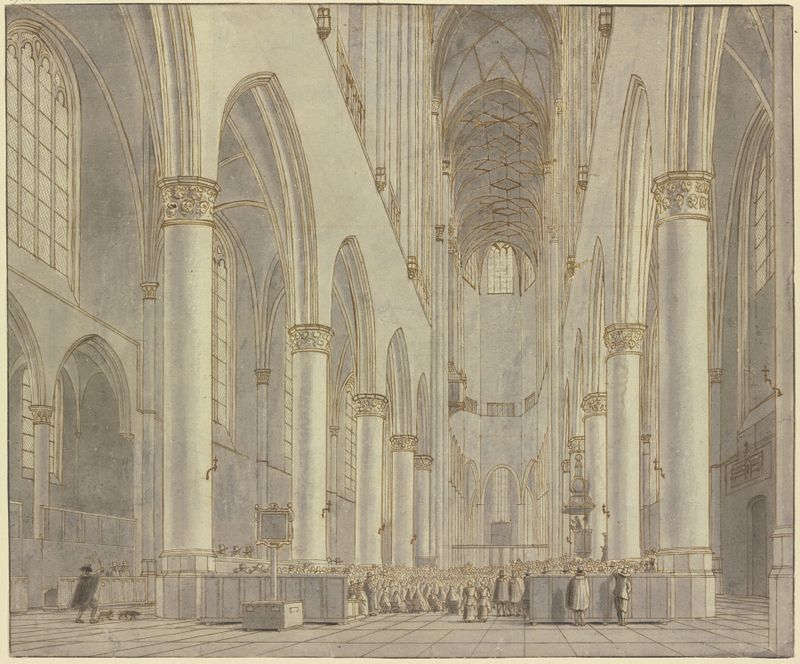
Blick in die St.-Bavo-Kirche in Haarlem
Hendrick Cornelisz. van Vliet
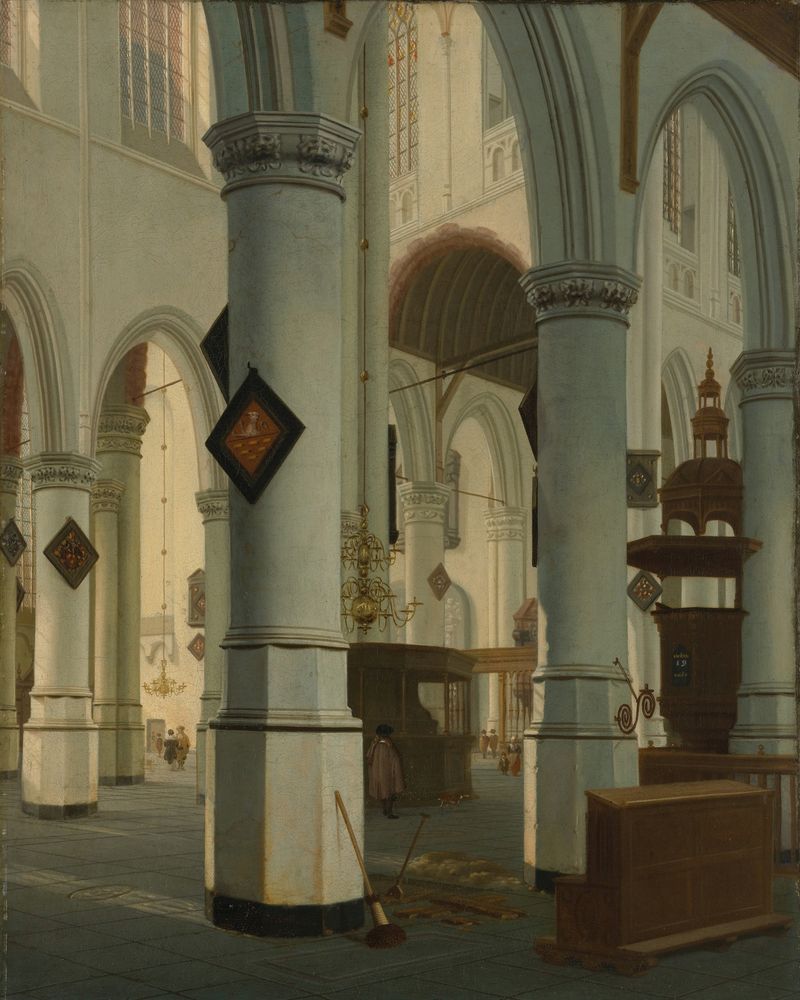
Interior of the Oude Kerk, Delft
Hendrick Cornelisz. van Vliet





