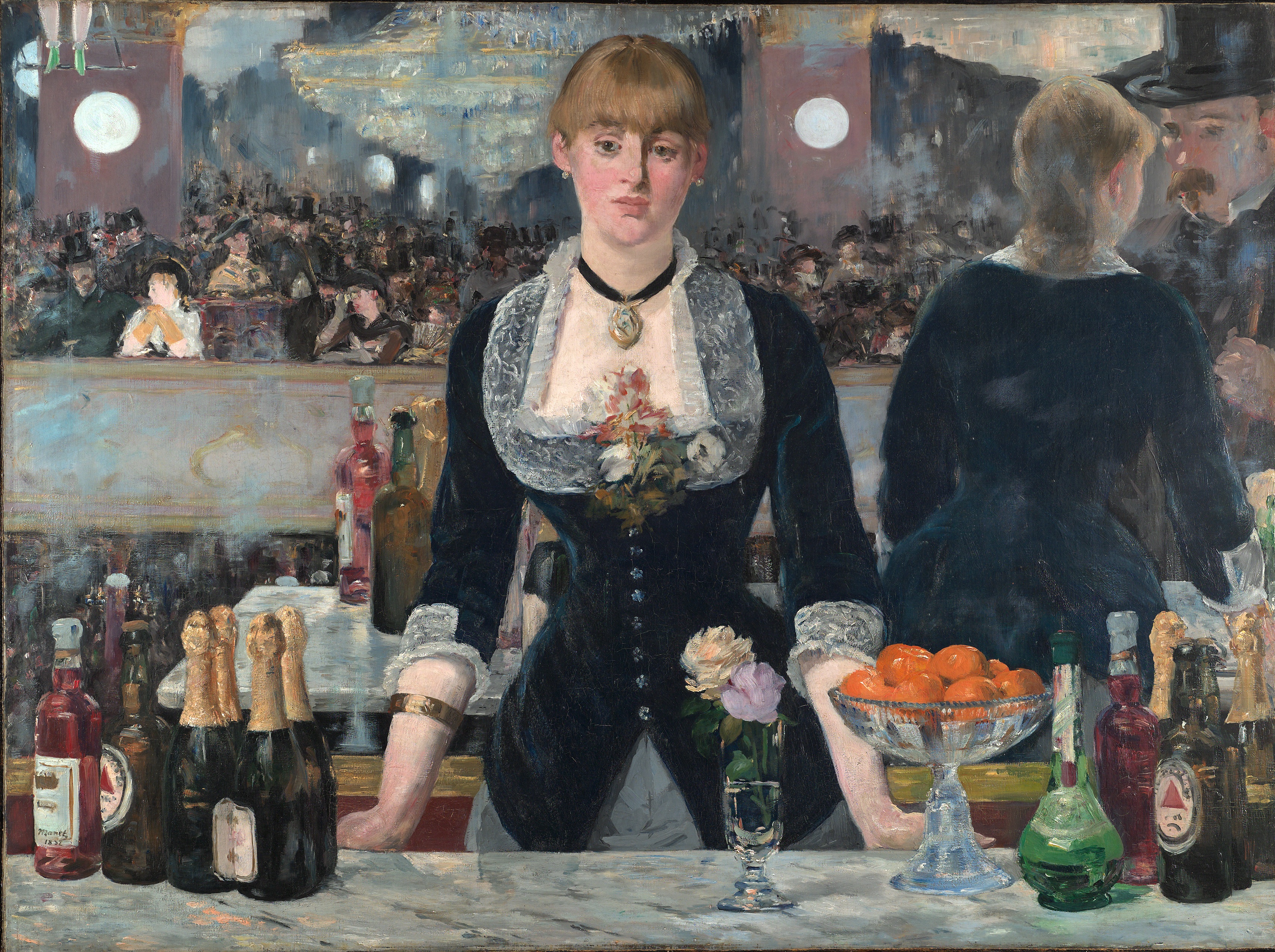
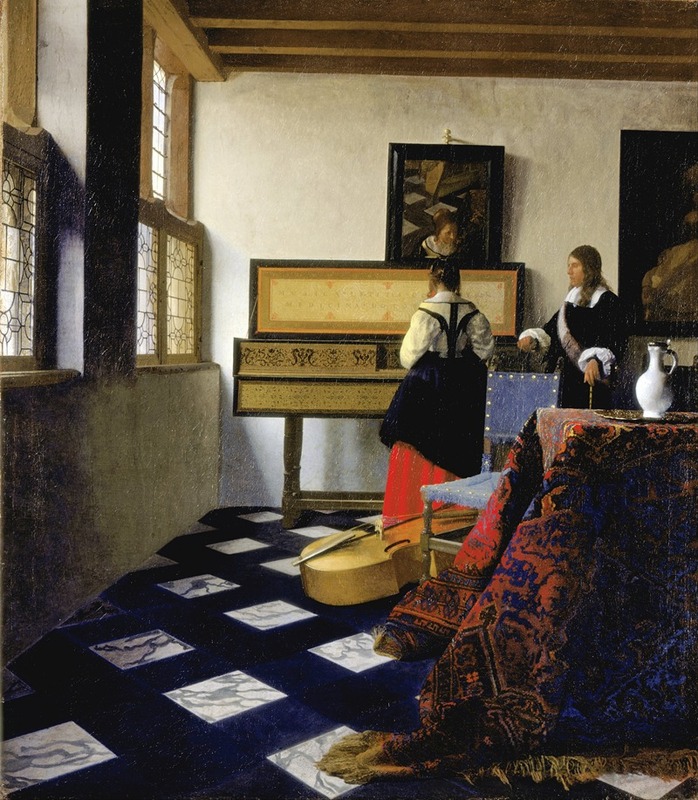
Interior Of Sint Gertrudiskerk In Bergen Op Zoom — History & Facts
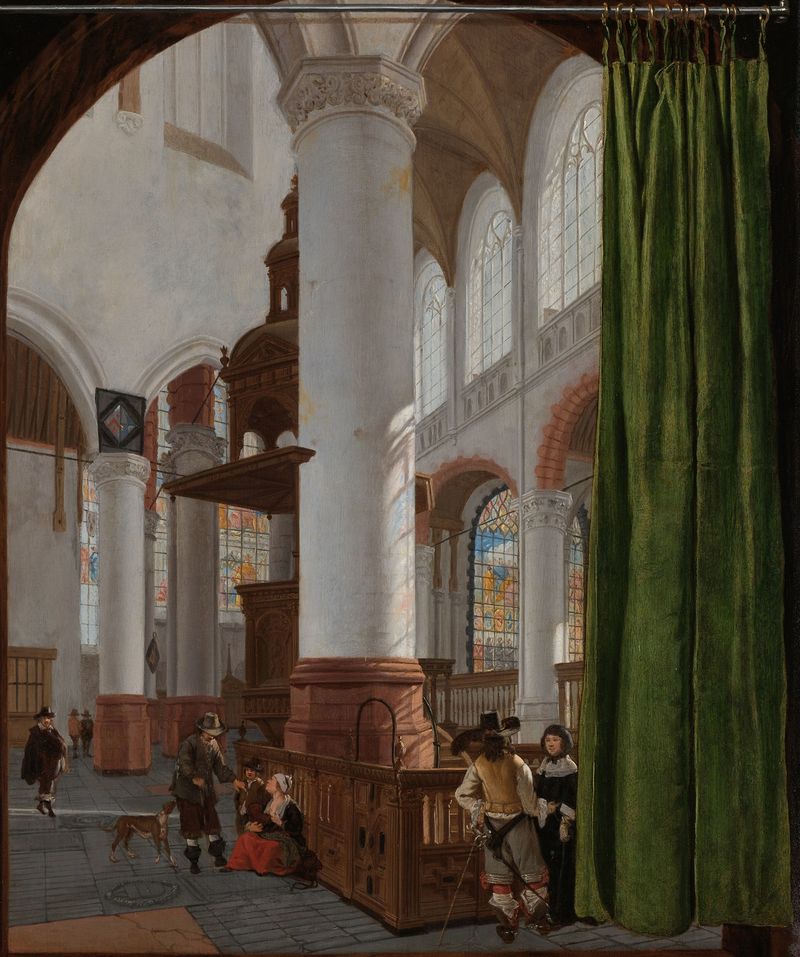
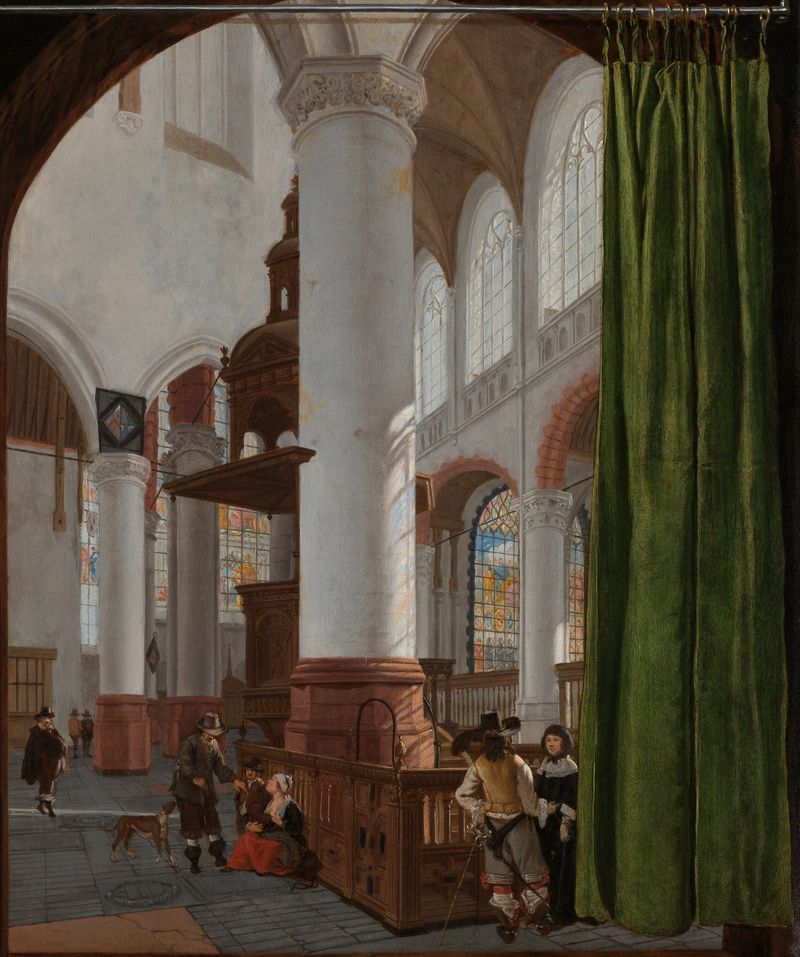
Where does light end, and longing begin? In the ethereal glow of a solemn space, the boundary between memory and reality blurs, drawing us deeper into the heart of grief. Look to the right at the soaring arches that cradle the heavenly light filtering through stained glass; it spills onto the stone floor, casting an intricate tapestry of colors. Notice how the artist’s meticulous attention to detail reveals the textures of the pews and the quiet reverence of the empty space. The composition leads the eye upward, where the celestial ceiling beckons with a promise of transcendence, inviting both solace and sorrow into the scene. Within this sacred interior, emotional tensions emerge: the juxtaposition of light and shadow embodies a yearning for the divine, while the absence of figures speaks to loss and solitude.
Each empty pew evokes the silence of those who once gathered, reminding us of the weight of grief that lingers in the air. The interplay of illumination and the surrounding darkness captures a moment suspended in time, where heartache finds its voice in hushed whispers. In 1655, Gerard Houckgeest painted this evocative interior while living in the Netherlands, a region steeped in religious reflection and artistic innovation. During this period, Dutch artists were exploring themes of spirituality through architectural grandeur, responding to the broader cultural shifts of the time.
Houckgeest’s work reflects a profound engagement with the sacred, blending his technical skill with a deep sensitivity to the emotional resonance of place.
More Artworks by Gerard Houckgeest
Browse all →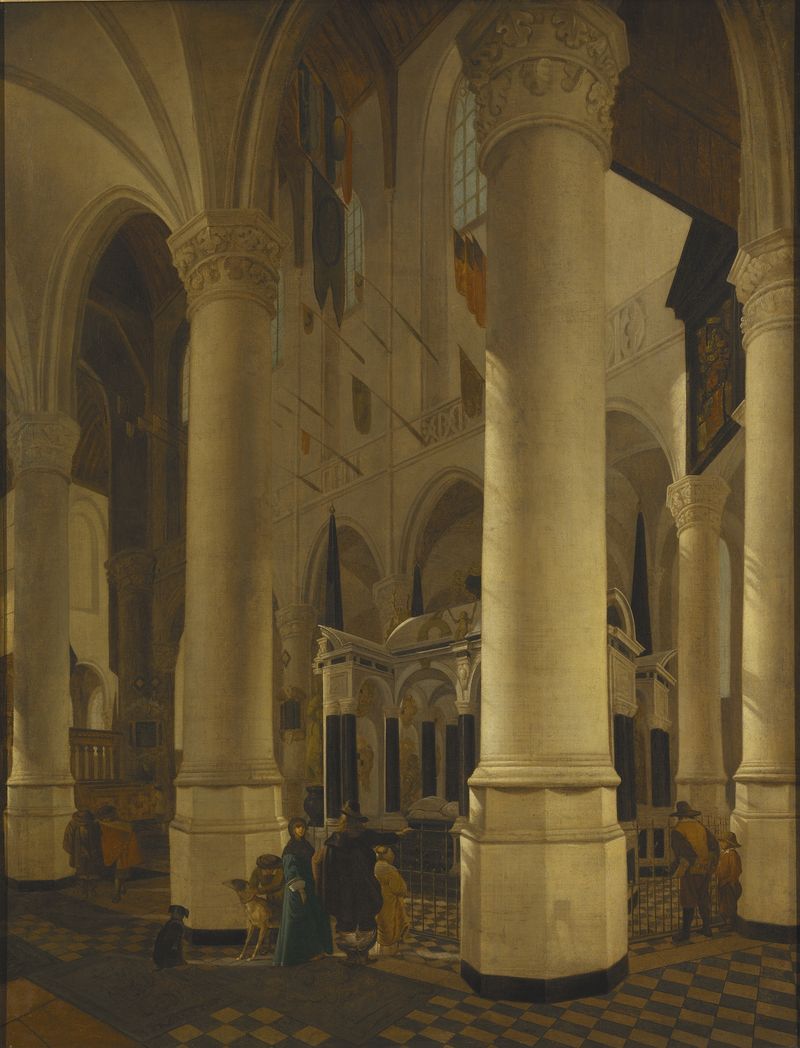
Interior of Nieuwe Kerk in Delft with the Tomb of William I
Gerard Houckgeest
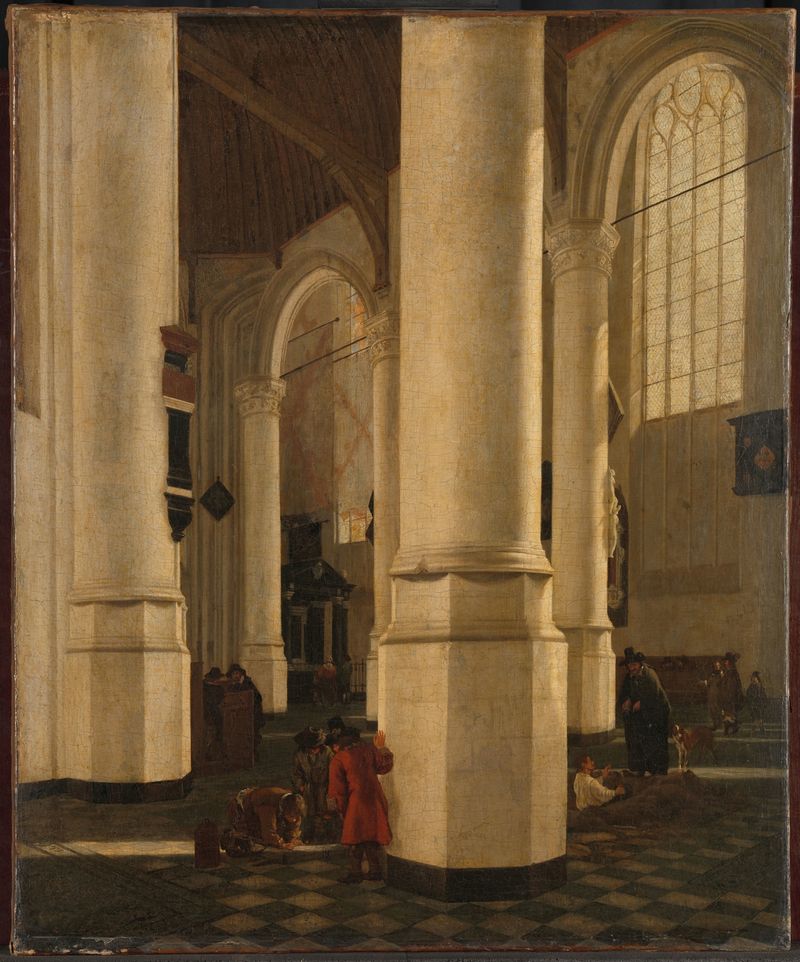
Interior of the Oude Kerk in Delft, with the Tomb of Vice-Admiral Pieter Pietersz Heijn
Gerard Houckgeest
Interior of the Oude Kerk in Delft
Gerard Houckgeest
Interior of the Oude Kerk in Delft
Gerard Houckgeest

A Coastal Architectural Capriccio At Sunset
Gerard Houckgeest