Interior of the Church of Virgin Mary in Kraków — History & Facts
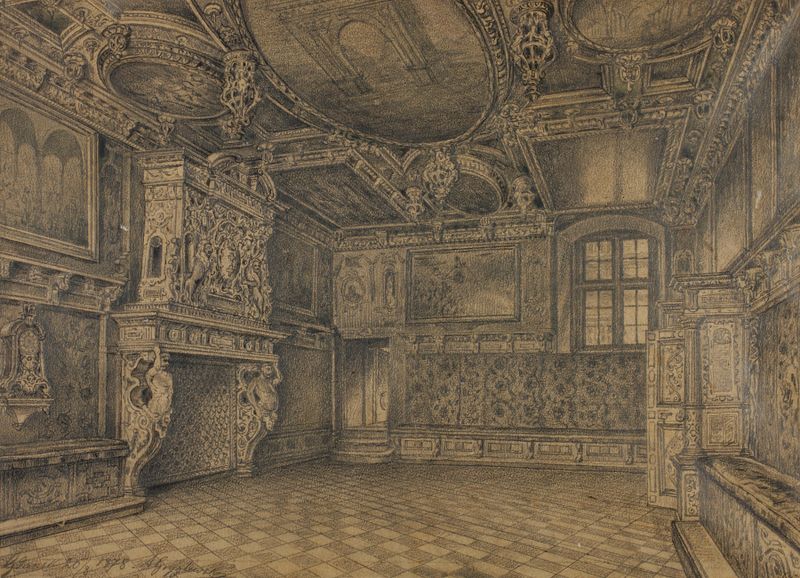
Who listens when art speaks of silence? In the hushed stillness of this sacred space, grief lingers between the walls, echoing the whispers of prayers once offered in earnest devotion. Look to the center where the altar stands, bathed in a gentle, ethereal light that filters through stained glass—each ray illuminating the dust motes that dance in the air. Notice the intricate details of the woodwork and the soft, muted colors that cloak the interior, evoking an atmosphere steeped in reverence. Gryglewski’s meticulous brushstrokes capture the grandeur of the church’s architecture, inviting the viewer to explore the interplay of shadow and illumination that defines this moment of tranquility. As you delve deeper, consider the contrast between the ornate decorations and the empty pews, a palpable reminder of absence.
The walls, adorned with religious iconography, speak of hope yet resonate with an underlying sorrow, perhaps a reflection on the fleeting nature of faith amid loss. Each element, from the flickering candlelight to the somber tones of the stone, weaves a narrative of mourning that reverberates through the stillness of the church. In 1858, Gryglewski painted this work in Kraków, a time when Poland was grappling with partitions and cultural turmoil. The artist, surrounded by a rich tradition of religious art, strived to encapsulate the spiritual essence of his homeland amidst broader societal struggles.
His commitment to capturing such profound themes reflects both the personal and collective grief that defined an era, making this painting not only a visual masterpiece but also a silent testament to resilience.