Interior Of The Oude Kerk, Delft — History & Facts
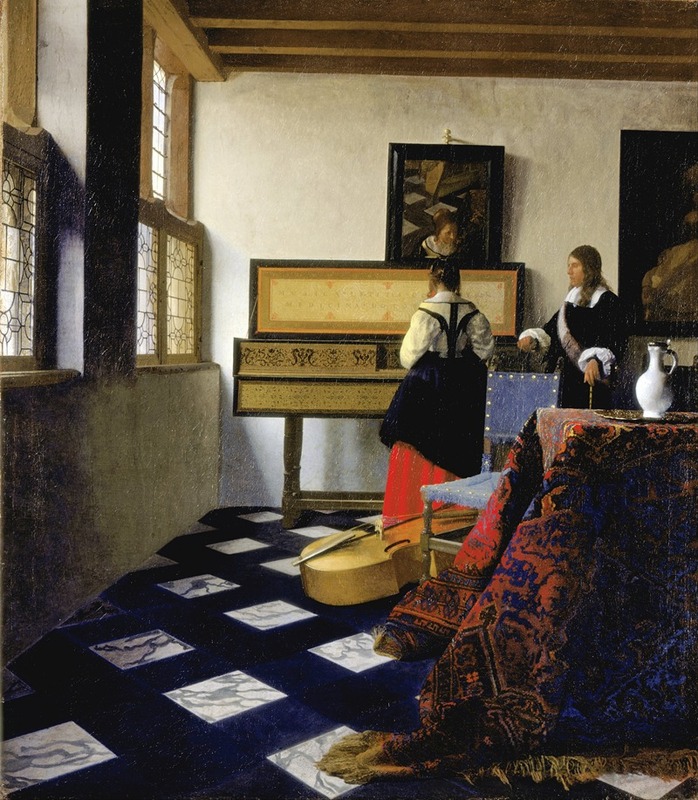
In the tranquil embrace of emptiness lies a haunting beauty, a bittersweet echo of moments lost and memories suspended in the air. Look to the right at the pillars that stretch towards the ceiling, their steadfast form creating a sense of timelessness. Notice how the soft light filters through the stained glass, casting a mosaic of colors that dances gently on the wooden floors. The artist's deft brushwork captures not only the architectural details of the old church but also the serene stillness that envelops the space, rendering it both inviting and alien. Amidst the stillness, the absence of figures amplifies the emotional tension.
The empty pews whisper of prayers once offered, while the gentle play of light and shadow hints at the passage of time—each beam revealing the layers of history embedded in the walls. This contemplation of emptiness challenges the viewer to confront their own solitude, evoking a sense of yearning for connection amid the echoes of faith and abandonment. The painting emerged during a period when Hendrik van Streek was honing his skills in Delft, likely in the late 17th century. It was a time marked by the rise of Dutch interior scenes and a burgeoning interest in capturing the subtleties of everyday life.
As he navigated this evolving artistic landscape, van Streek's focus on the quiet grandeur of sacred spaces reflected a broader cultural fascination with both the spiritual and the mundane, offering a moment of introspection in a rapidly changing world.