Intérieur d’église — History & Facts
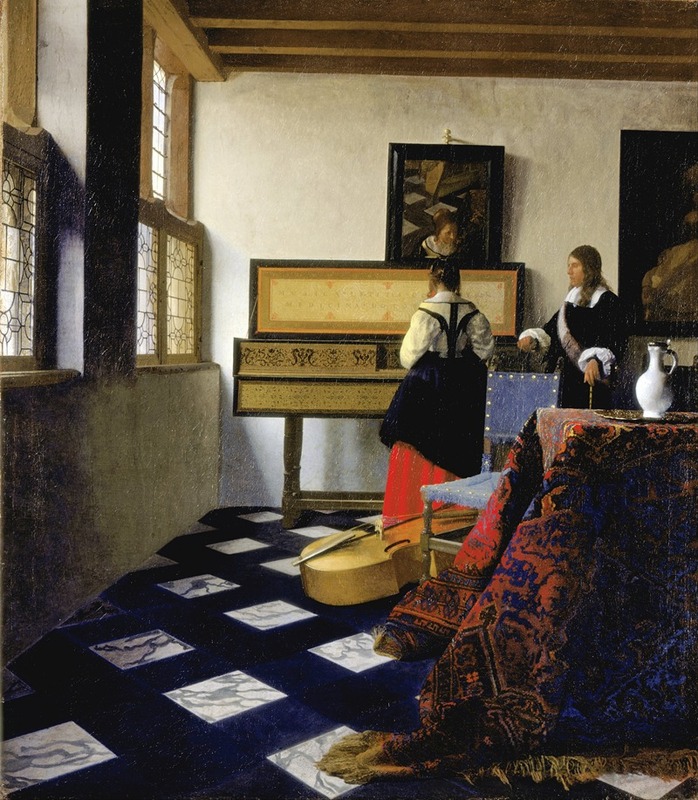
Did the painter know this moment would outlive them? An echo of betrayal lingers in the stillness of the sacred space, where time stands still, yet a heartbeat reverberates through the hallowed hall. Look to the left at the intricate stained glass windows, their colors bleeding into the muted walls, casting an ethereal glow that invites contemplation. Focus on the empty pews, positioned with a deliberate emptiness that hints at abandonment, while a ghostly light filters in to illuminate the dust motes dancing in the air. The composition is stark yet inviting, and the cool tones evoke a sense of serenity that teeters on the edge of melancholy. Hidden meanings pulse beneath the surface.
The stained glass—symbols of faith and hope—contrasts sharply with the emptiness of the interior, suggesting a loss of belief or a community betrayed. Each pew, devoid of worshippers, whispers stories of longing and absence, while the silence seems to filter through the very fabric of the scene, heightening the emotional tension. This interplay reveals a deeper narrative, where faith is both a refuge and a reminder of disillusionment. Giovanni Lanza painted this work during a period of artistic exploration in the late 19th century, a time when traditional themes were being challenged.
The artist, amidst a backdrop of rapid change and social upheaval in Europe, sought to capture the complexities of human experience within sacred spaces. Though little is known of Lanza’s personal life, his work reflects an intimate engagement with themes of faith and isolation, inviting viewers to ponder their own relationship with spirituality in a rapidly evolving world.