Intérieur d’église (Assise) — History & Facts
Could beauty survive in a century of chaos? In the stillness of an ecclesiastical space, one finds a dreamlike serenity that defies the tumultuous world outside. Look to the center of the canvas, where the soft glow of stained glass illuminates the interior, casting a kaleidoscope of colors onto the worn stone floors. The vertical lines of the church pillars lead the eye upward, creating a sense of both grandeur and introspection. Notice how the artist employs a muted palette, with soft blues and earthy ochres, to evoke a sense of timelessness, suggesting that this sacred space transcends the turbulent era in which it was painted. Within the composition, there’s a poignant contrast between the external chaos suggested by the era and the internal peace offered by the church.
The flickering light serves not only as a representation of divine presence but also as a reminder of fragility; the interplay of shadow and illumination hints at the duality of hope and despair. The empty pews invite quiet contemplation, speaking to the solitude one often feels amidst a crowd, suggesting that even in isolation, beauty and reflection can flourish. In the years between 1915 and 1945, Gueniot painted Intérieur d’église during a time marked by global conflict and upheaval. Living in France, the artist faced the repercussions of two World Wars, which profoundly influenced artistic expression.
His work sought to capture the essence of tranquility amid chaos, reflecting a yearning for solace and spiritual refuge in a world that seemed increasingly fractured.
More Artworks by Arthur-Joseph Gueniot
Browse all →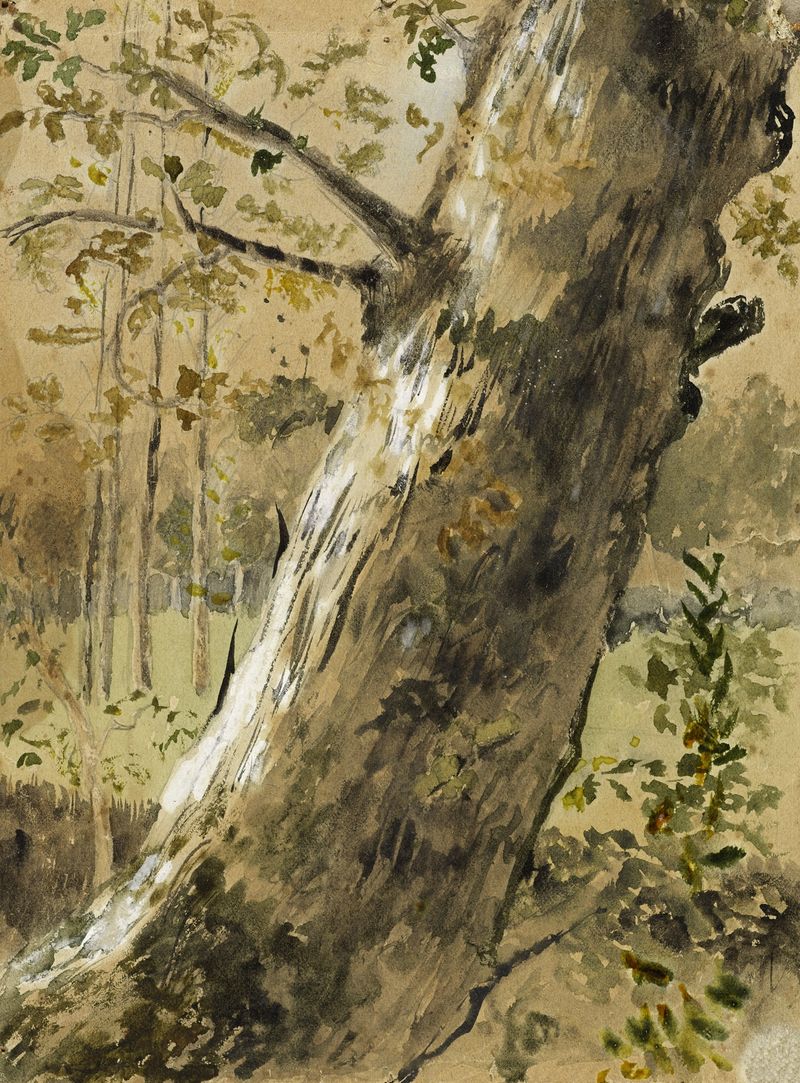
Etude de paysage en Vendée. La Roche-sur-Yon. Tronc d’arbre
Arthur-Joseph Gueniot

Intérieur de l’église Saint-François d’Assise
Arthur-Joseph Gueniot
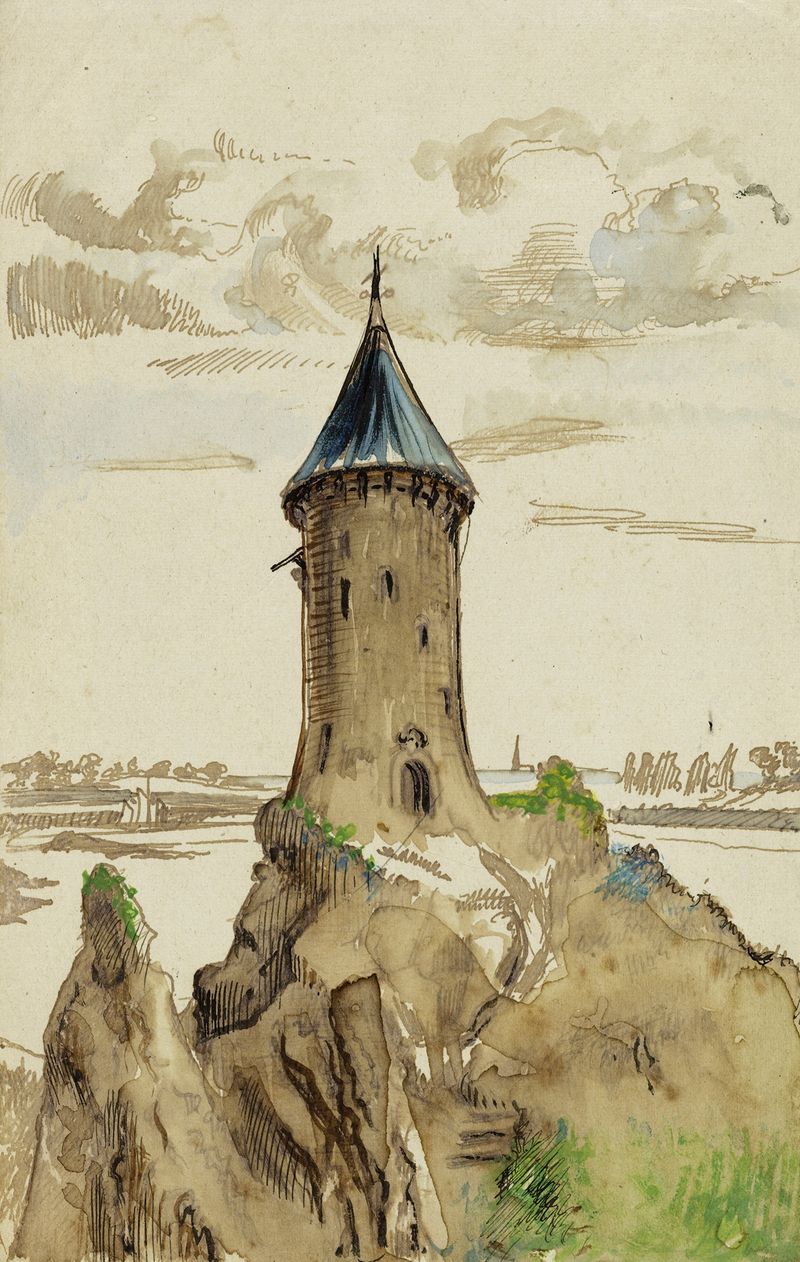
Reconstitution possible du château de Chêne Vert sur la Rance, entre Dinan et Dinard
Arthur-Joseph Gueniot
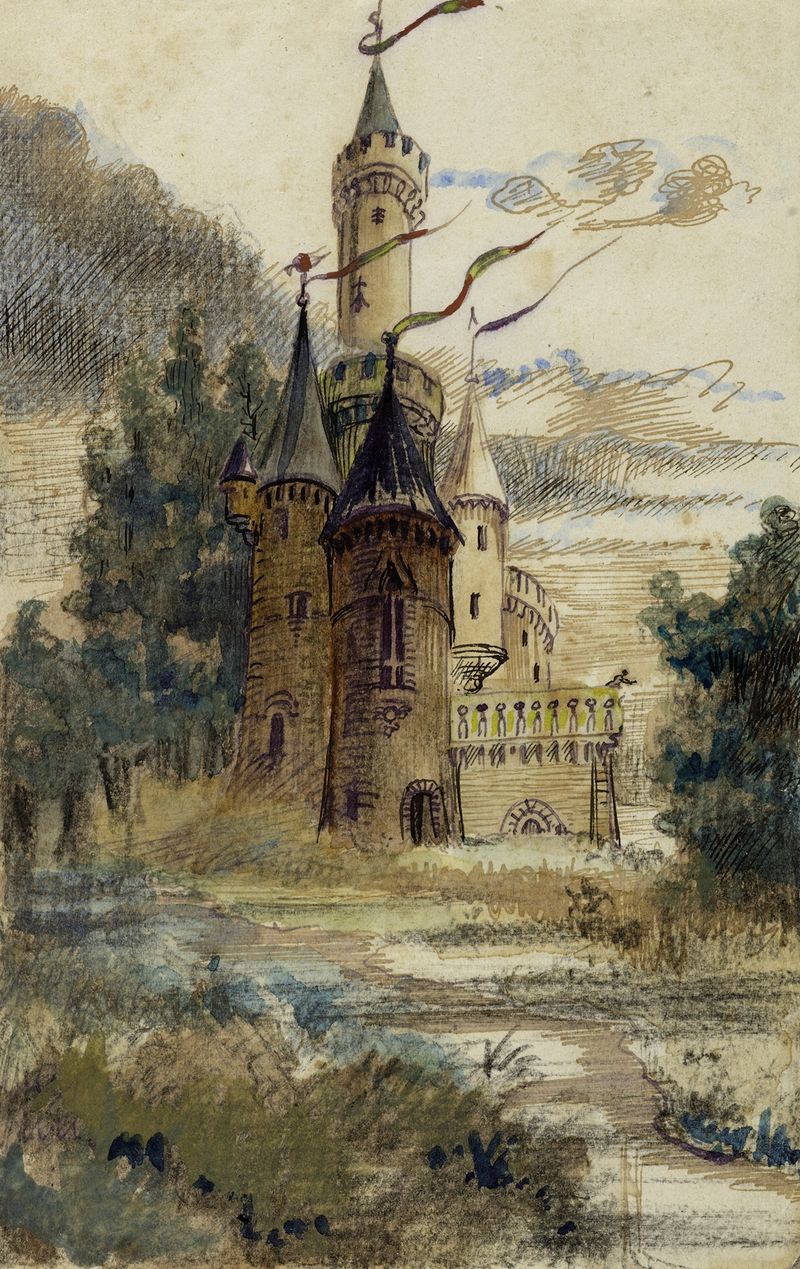
Reconstitution possible du château de Chêne Vert sur la Rance, entre Dinan et Dinard
Arthur-Joseph Gueniot
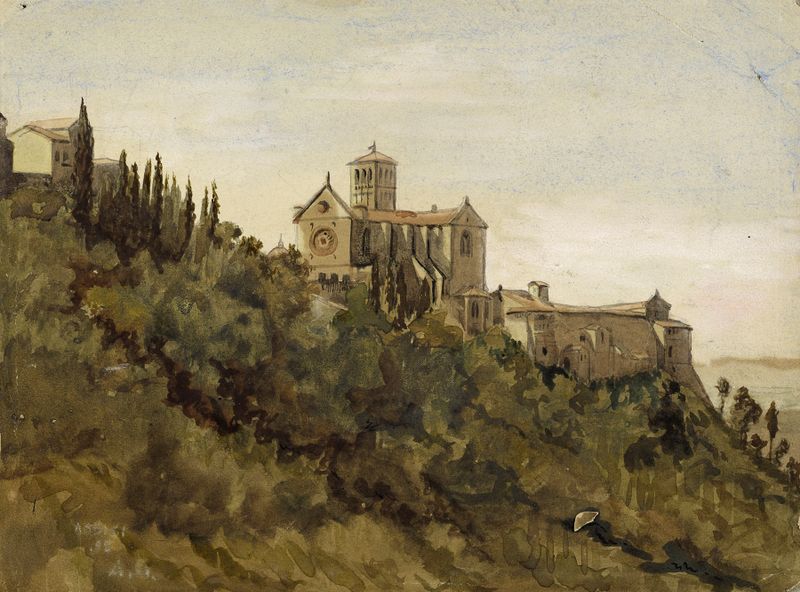
La colline d’Assise
Arthur-Joseph Gueniot