
Irmingland Hall, Norfolk — History & Facts
Can beauty exist without sorrow? This question lingers as one gazes upon the ethereal landscape of Irmingland Hall, Norfolk, where longing and nostalgia intertwine with the gentle brushstrokes. Look to the left of the canvas, where the grand façade of the hall stands, its soft white walls kissed by the fading light. The warm hues of the sunset blend seamlessly with shades of green in the foreground, creating a serene yet melancholic atmosphere. The composition is masterfully balanced, drawing the eye towards the delicate reflections in the water below, which mirror the tranquil yet introspective mood of the scene. While the hall exudes a sense of stately grandeur, the surrounding landscape hints at a deeper emotional tension.
The encroaching shadows suggest the passage of time and the inevitable decay of beauty, inviting a sense of yearning for what was and what could have been. The delicate strokes depict not just the structure but also the whispers of history that resonate through the trees, evoking memories both personal and collective. During an undated period in the 19th century, Cotman painted this evocative piece amidst the shifting tides of the Romantic movement, which sought to express individual emotions and embrace nature's sublime qualities. Living in England, he was deeply influenced by the picturesque landscapes of Norfolk and the emerging emphasis on capturing the essence of a place through a personal lens, a hallmark of his artistic journey.
More Artworks by Miles Edmund Cotman
Browse all →
From the Garden front of my Father’s House at Thorpe next Norwich
Miles Edmund Cotman

Study of Trees on the Banks of the Yare
Miles Edmund Cotman

Col. Harvey’s Meadow Thorpe and Norwich Oct. 2nd 1841
Miles Edmund Cotman
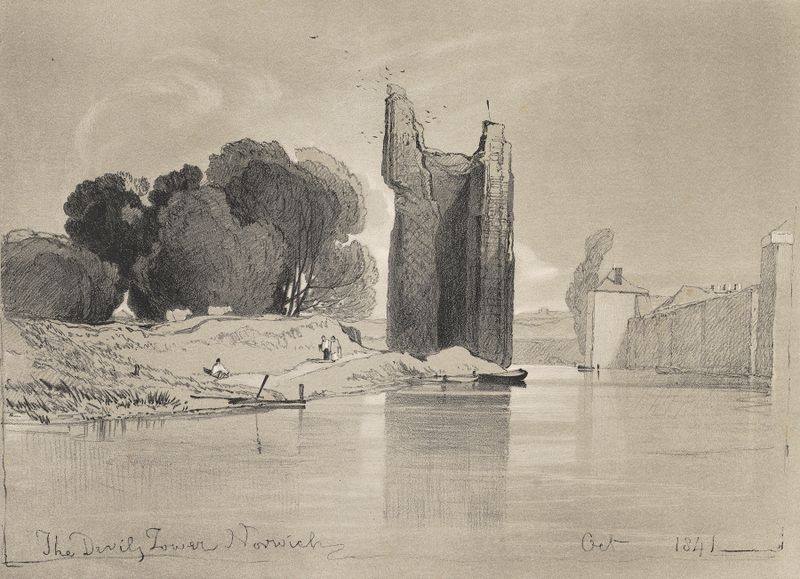
The Devil’s Tower, Norwich Oct. 1841
Miles Edmund Cotman

Mousehold Heath–The Lane to the Left above Col. Harveys House
Miles Edmund Cotman
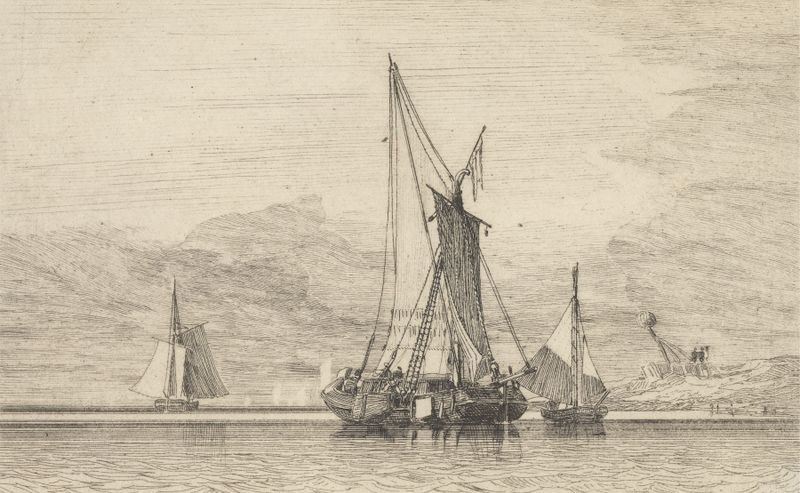
On the Medway
Miles Edmund Cotman

Itteringham Nov. 12th 1841
Miles Edmund Cotman
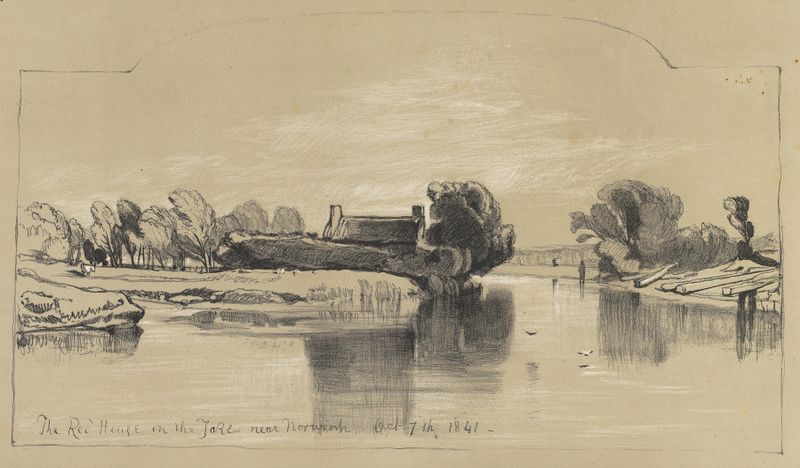
The Red House on the Lake near Norwich Oct. 7th, 1841
Miles Edmund Cotman
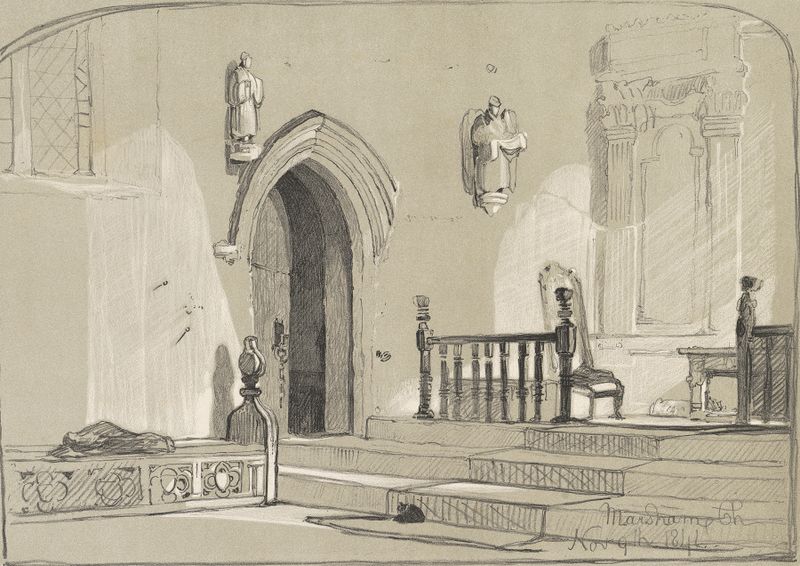
Marsham Ch. Nov. 9th 1841.
Miles Edmund Cotman

French Fishing Boat off the Shears
Miles Edmund Cotman





