
On the Medway — History & Facts
When did color learn to lie? The hues that dance across the canvas whisper of beauty, yet conceal the fragility of the fleeting moment they depict. Look to the left at the delicate strokes that form the silhouetted trees, their branches swaying gently as if caught in a hush, while on the right, the serene river glimmers beneath a fragile sky. The artist’s palette, rich in muted blues and soft greens, invites the viewer into a world poised between calmness and the breath of change. Notice how the dappled light plays upon the water's surface, creating an illusion of depth that contrasts sharply with the solid, yet ephemeral, forms of the landscape. Beneath this visual splendor lies a poignant tension; the tranquil scene betrays an underlying sense of impermanence.
The light hints at a twilight hour, suggesting a fleeting moment before dusk, while the gentle ripples in the water evoke a feeling of transience, as if nature herself recognizes her own fragility. Each brushstroke contributes to a narrative of time softly unfurling, capturing both the beauty of the present and the inevitability of its passing. In 1838, the artist was navigating his own artistic journey in England, a period marked by a blend of Romanticism and the burgeoning influence of Impressionism. Living in Norfork, Cotman was drawing inspiration from the landscapes that surrounded him, as well as the challenges facing the art community as it grappled with the changing ideals of expression.
This painting reflects not only his personal exploration but also the broader movement towards capturing the ephemeral qualities of nature in a rapidly evolving world.
More Artworks by Miles Edmund Cotman
Browse all →
From the Garden front of my Father’s House at Thorpe next Norwich
Miles Edmund Cotman

Study of Trees on the Banks of the Yare
Miles Edmund Cotman

Col. Harvey’s Meadow Thorpe and Norwich Oct. 2nd 1841
Miles Edmund Cotman
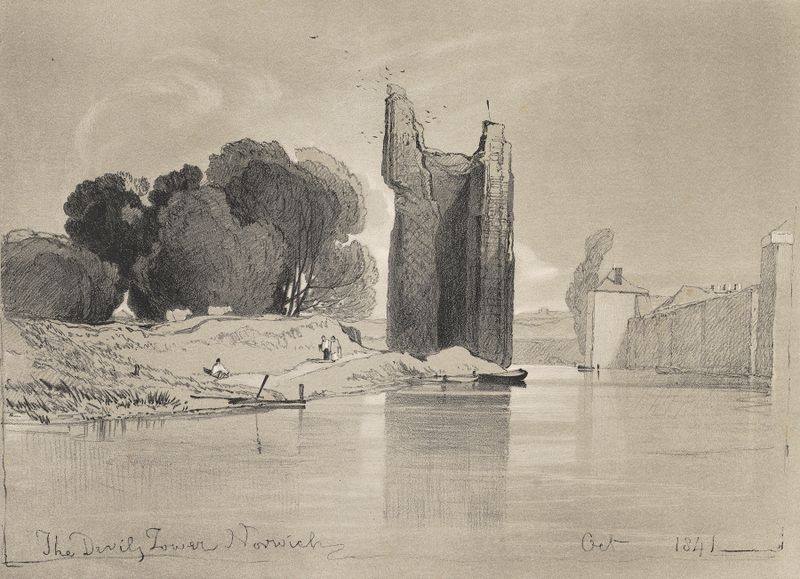
The Devil’s Tower, Norwich Oct. 1841
Miles Edmund Cotman

Mousehold Heath–The Lane to the Left above Col. Harveys House
Miles Edmund Cotman

Itteringham Nov. 12th 1841
Miles Edmund Cotman
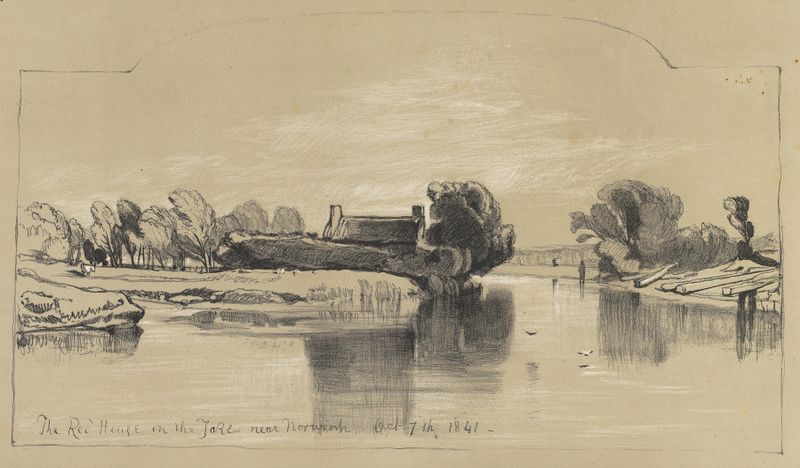
The Red House on the Lake near Norwich Oct. 7th, 1841
Miles Edmund Cotman
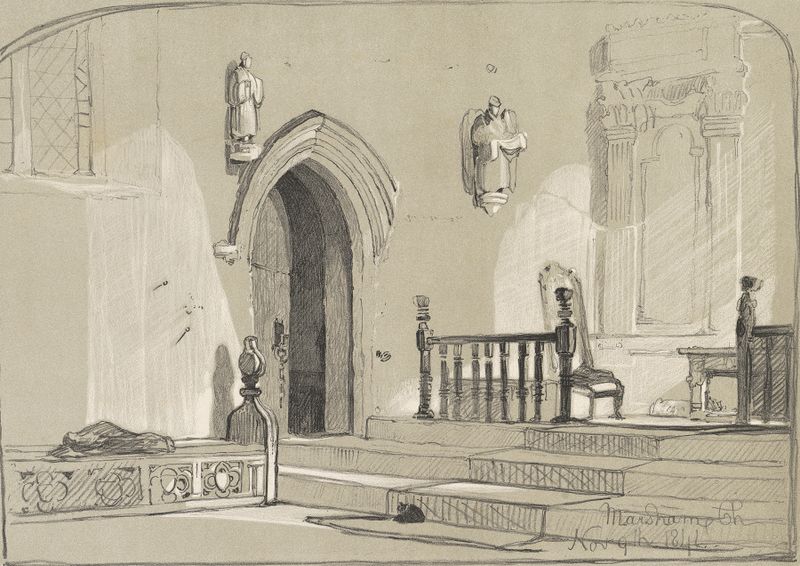
Marsham Ch. Nov. 9th 1841.
Miles Edmund Cotman

French Fishing Boat off the Shears
Miles Edmund Cotman
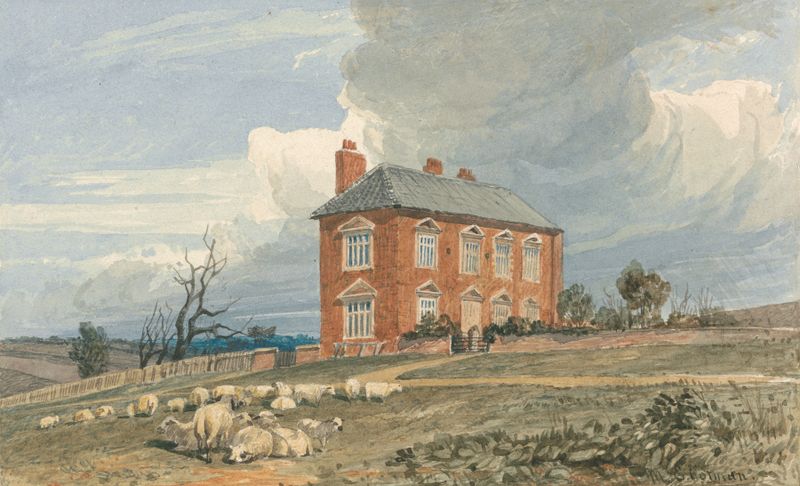
Irmingland Hall, Norfolk
Miles Edmund Cotman





