Isartal — History & Facts
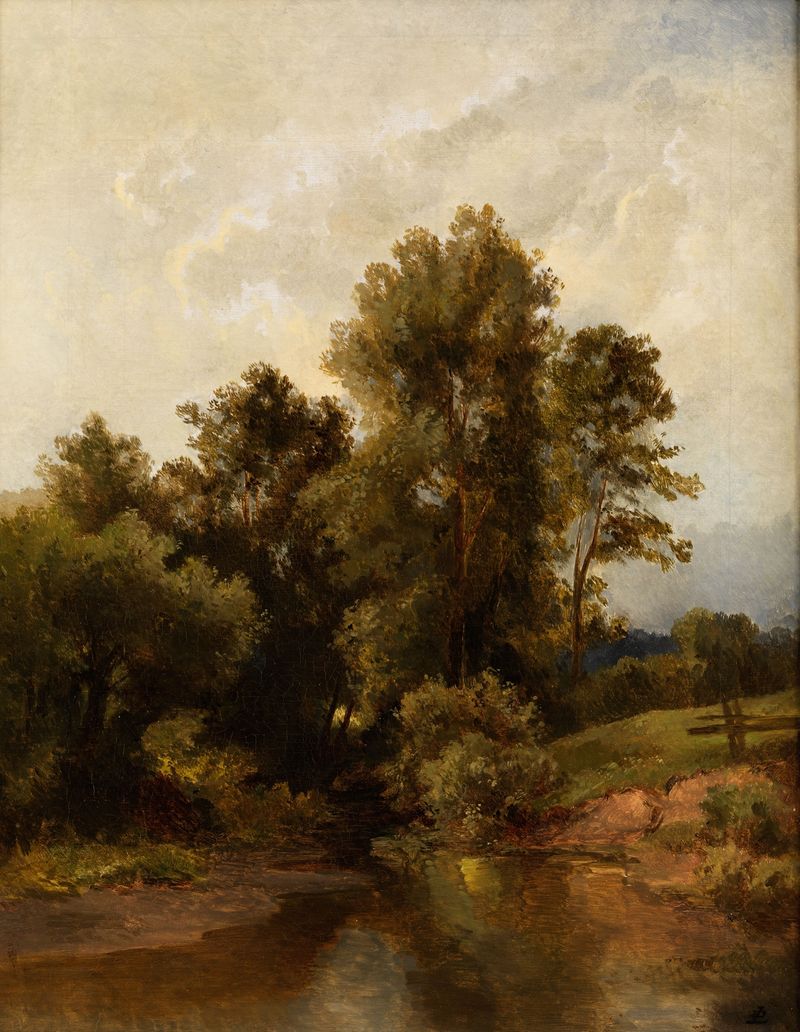
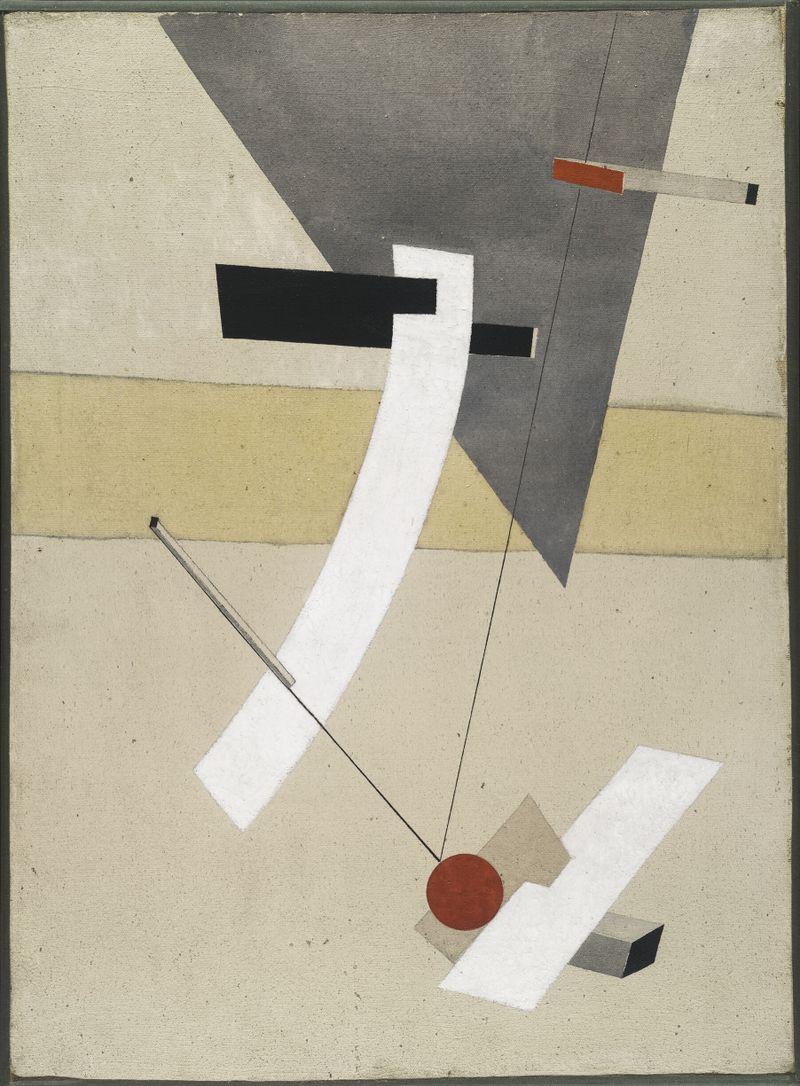
This delicate interplay between what is seen and what remains unsaid resonates in every brushstroke of the canvas. In an art world filled with noise, the quiet reflection invites viewers to pause and ponder the essence of their own existence. Look to the depths of the canvas, where shades of blue and green swirl gently, evoking a serene yet profound landscape. Notice how the colors blend seamlessly, creating a tranquil atmosphere that feels both expansive and intimate.
The soft brushwork conveys a sense of movement, as if the scene is alive, yet the stillness of the reflected surface suggests a deeper truth waiting to be uncovered. The juxtaposition of shadow and light in Isartal embodies emotional tension, a reminder of fleeting moments captured in time. The subtle hints of warmth peeking through the cooler tones suggest an underlying hope or revelation beneath the surface. Each element draws viewers into introspection, encouraging them to explore not only the reflected landscape but also their own inner depths. Created during an unspecified period in the artist's life, Isartal reflects Langko's focus on the relationship between nature and perception.
His work often resonates with the contemplative spirit of the time, exploring the boundaries of reality and imagination. Without the constraints of a specific date, the painting stands timeless, inviting continuous reflection and interpretation.