
Art movement · c. 1886–1900 · France and Europe
Symbolism Art and Paintings
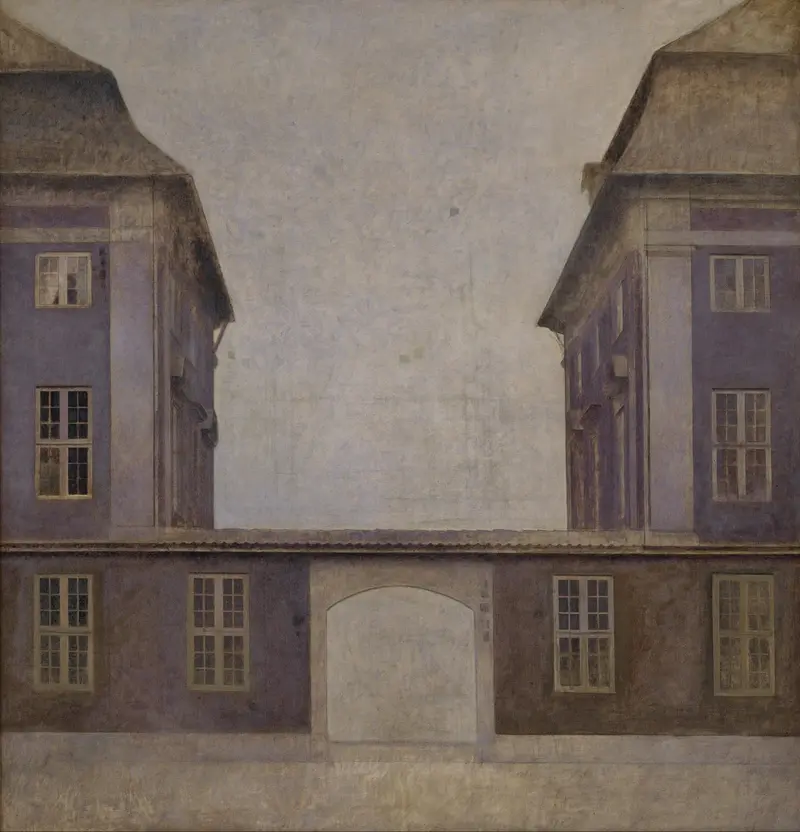
Symbolism is an art movement that began in France in the mid-1880s and spread across Europe, in which painters set out to express ideas, moods and dreams rather than describe the visible world. The critic Jean Moréas coined the name in 1886 for the poetry of Mallarmé and Verlaine, and it was soon applied to painters such as Gustave Moreau, Odilon Redon, Pierre Puvis de Chavannes, Arnold Böcklin and Fernand Khnopff.
They painted myths, Bible stories and visions, and returned again and again to love, death and desire. Böcklin's Isle of the Dead began in 1880 as “a picture to dream by” for a young widow; he painted five versions, and the third, in Berlin, became a favorite image of the fin de siècle.
Browse 4,483 Symbolism paintings and artworks below, all public domain and free to download.
Selected and written by Pavel MazuelasUpdated November 5, 2026
Part of Art Movements and Painting StylesRelated: Art Nouveau, Pre-Raphaelites, Naturalism
All Symbolism paintings and artworks
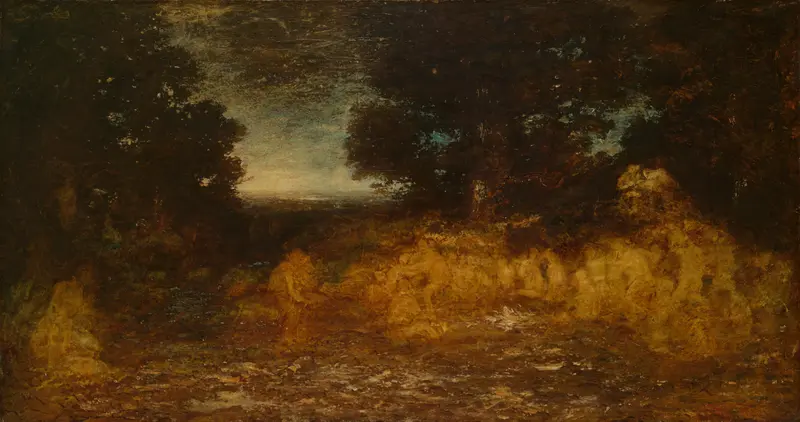
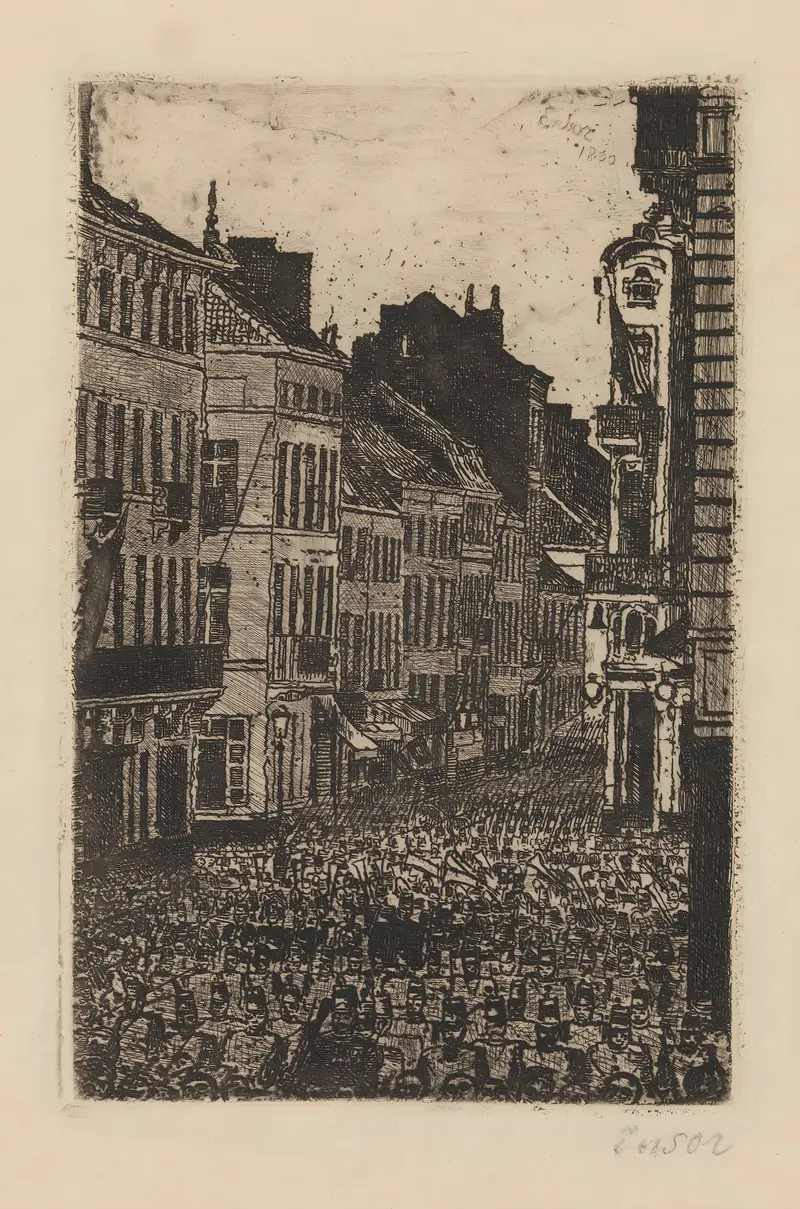
Landscapes, myths and allegories, portraits, religious scenes and prints. All public domain, free to download.








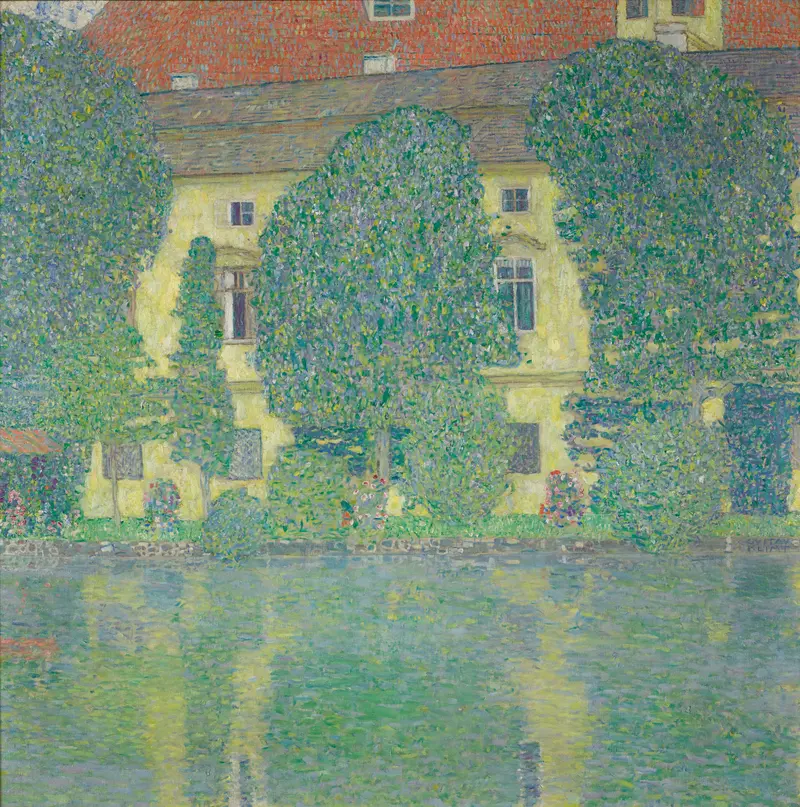
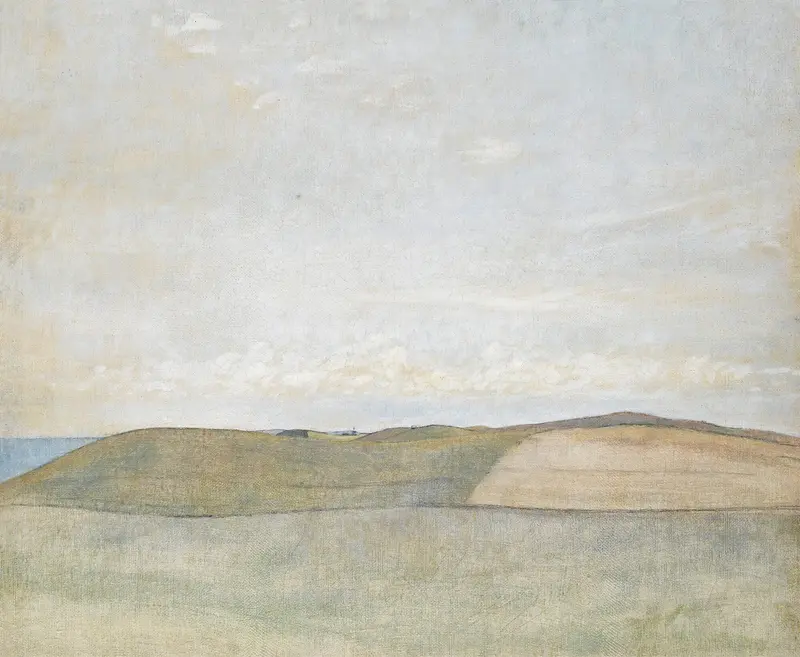


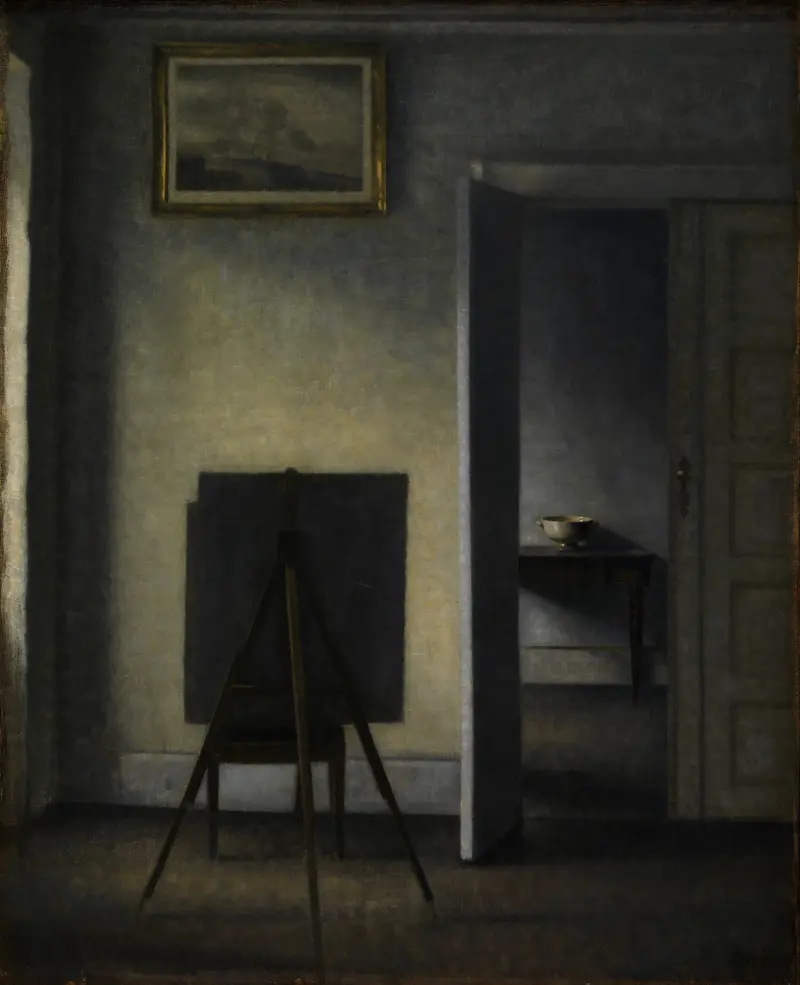
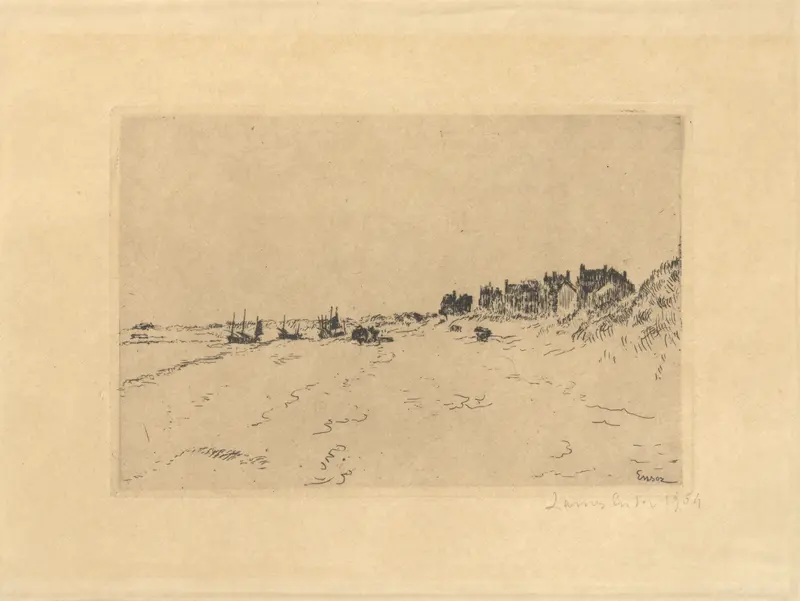





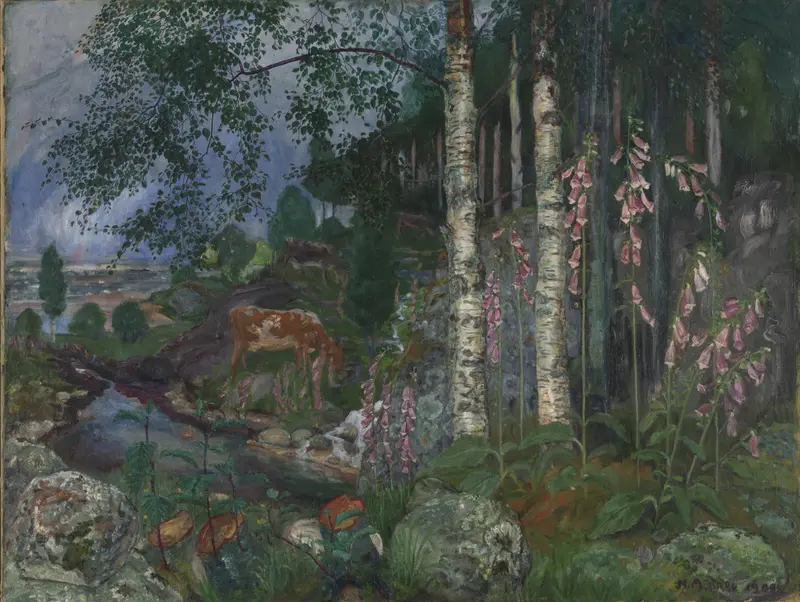
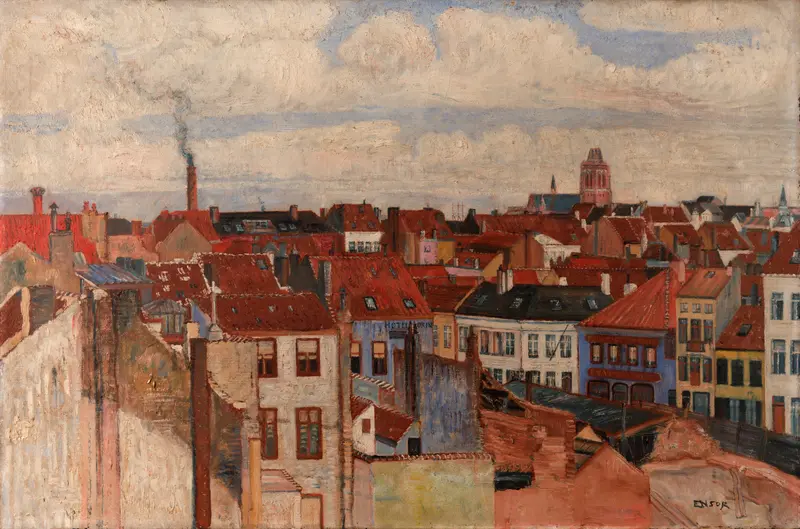

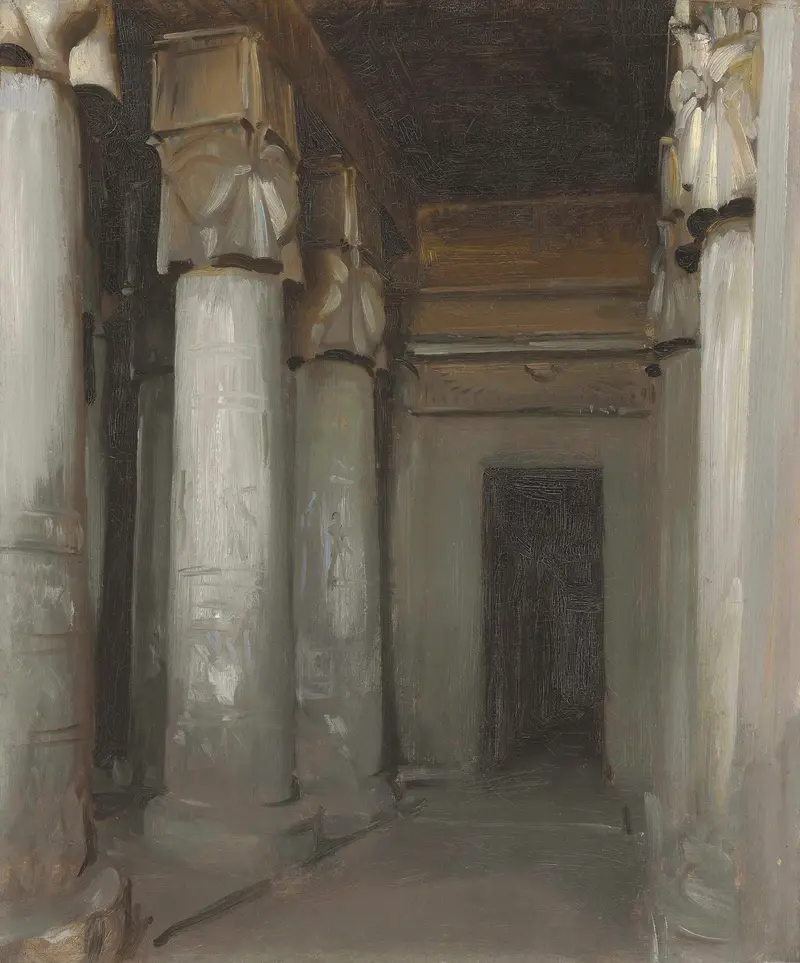



Famous Symbolist paintings
The best-known paintings of the Symbolist movement. Click any painting to see it up close and download it free.
 The Wounded AngelHugo Simberg
 Isle of the DeadArnold Böcklin
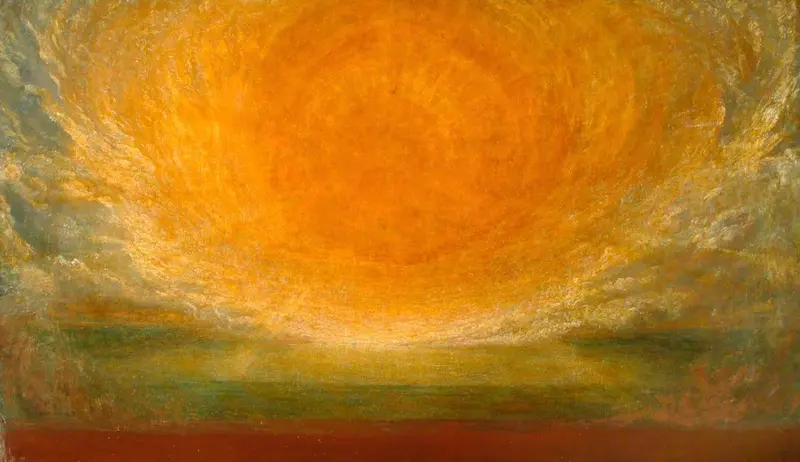 After the DelugeGeorge Frederic Watts
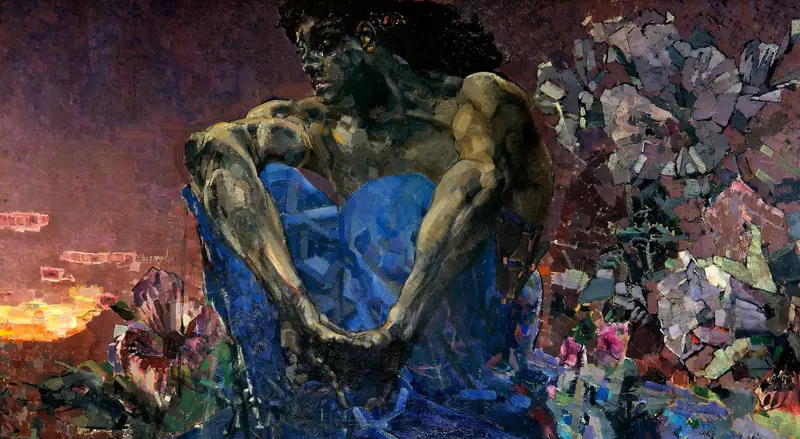 The Demon SeatedMikhail Vrubel
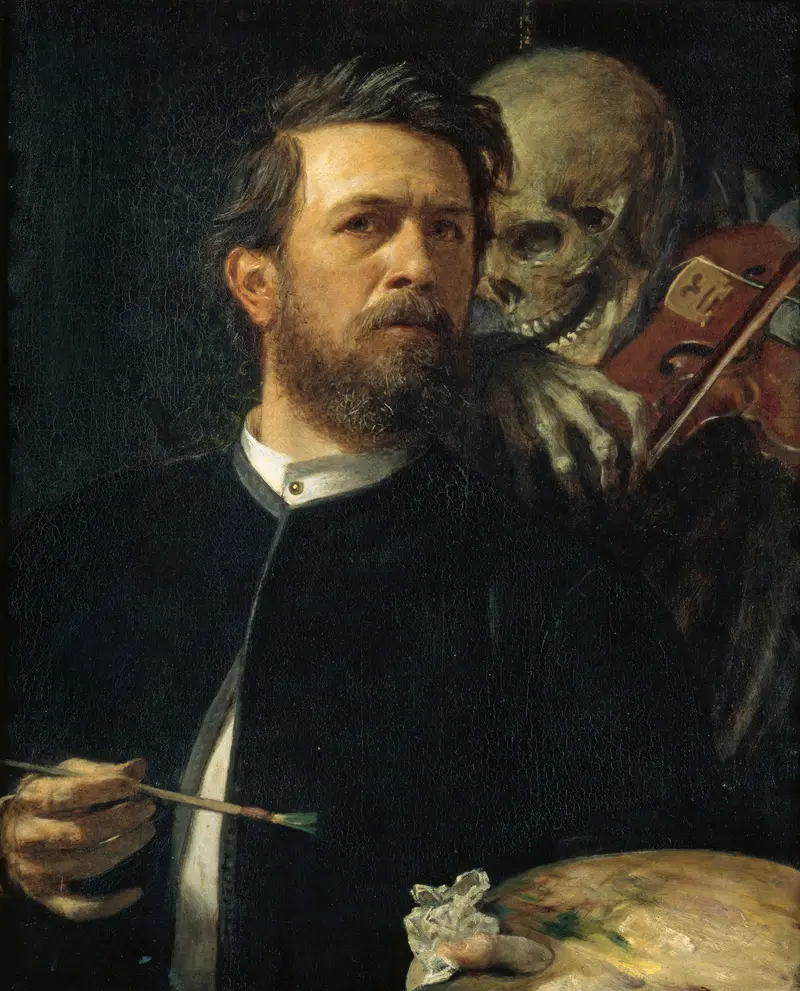 Self-Portrait with Death Playing the FiddleArnold Böcklin
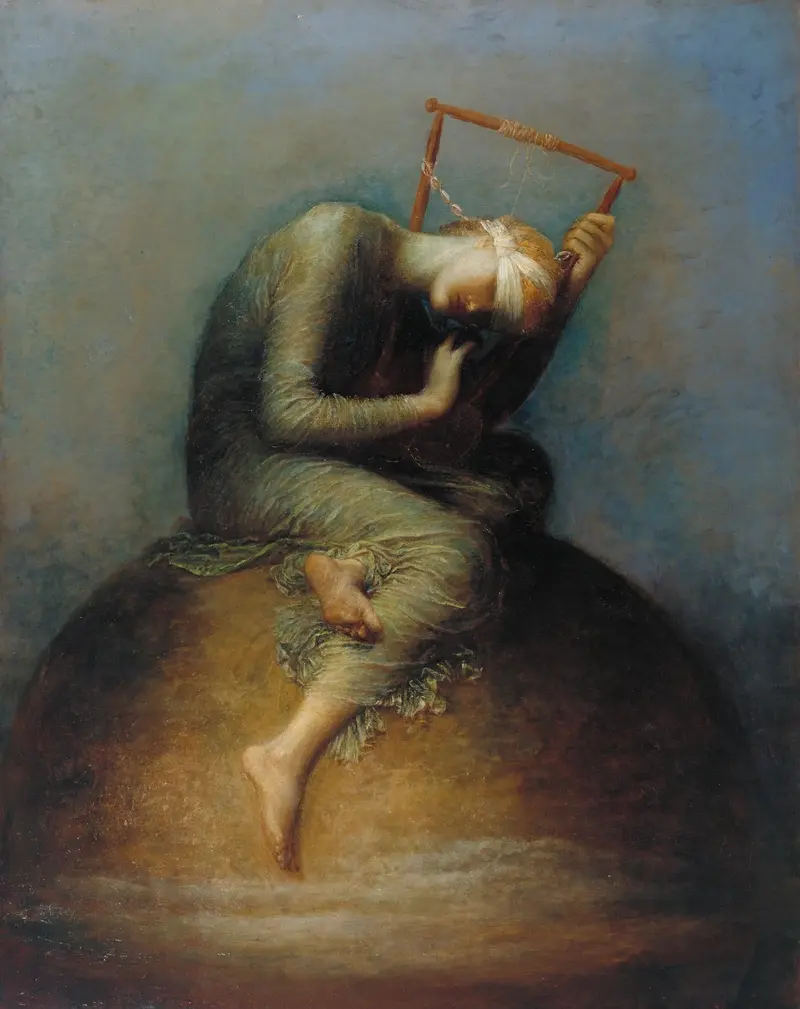 HopeGeorge Frederic Watts
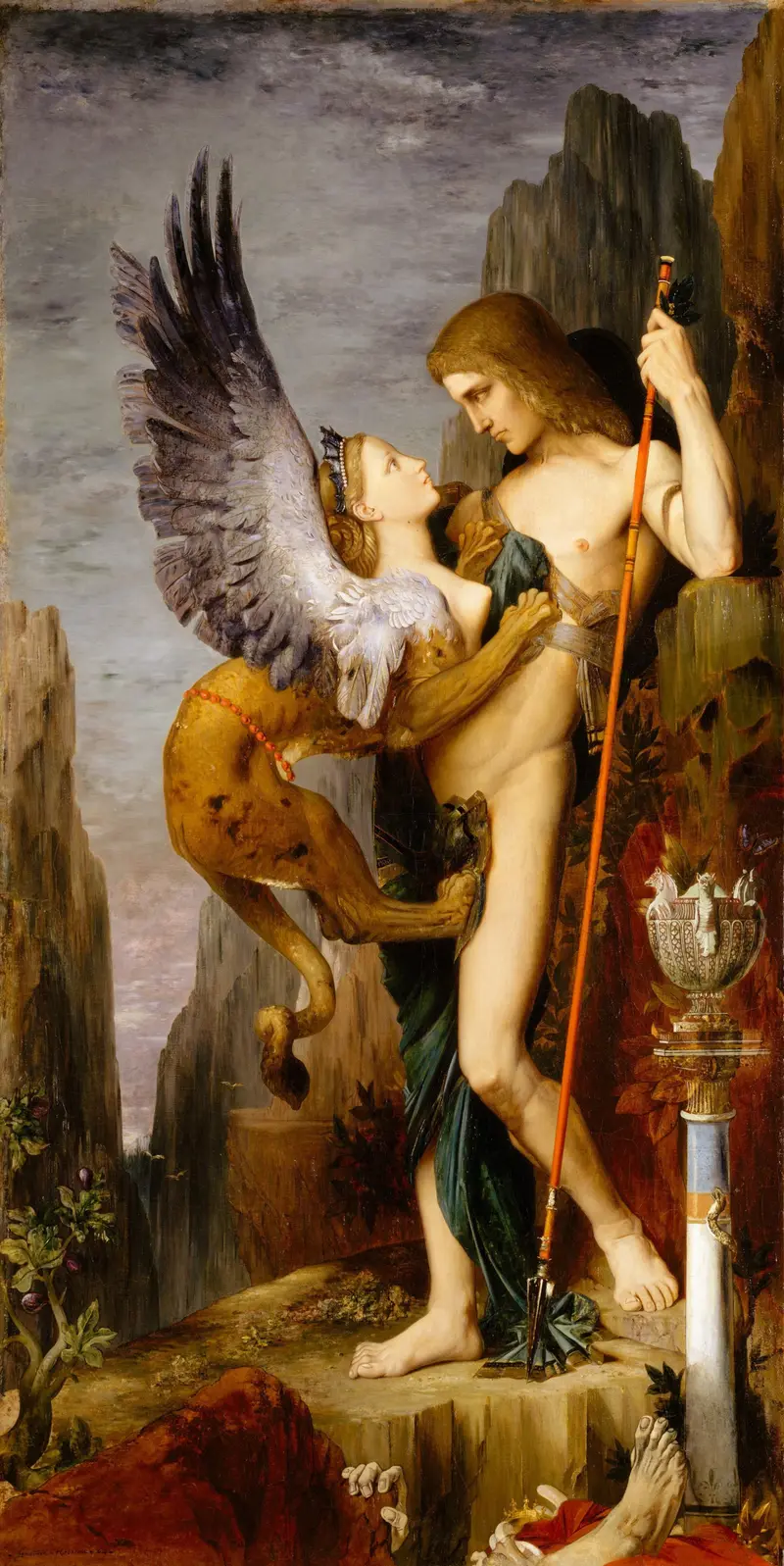 Oedipus and the SphinxGustave Moreau
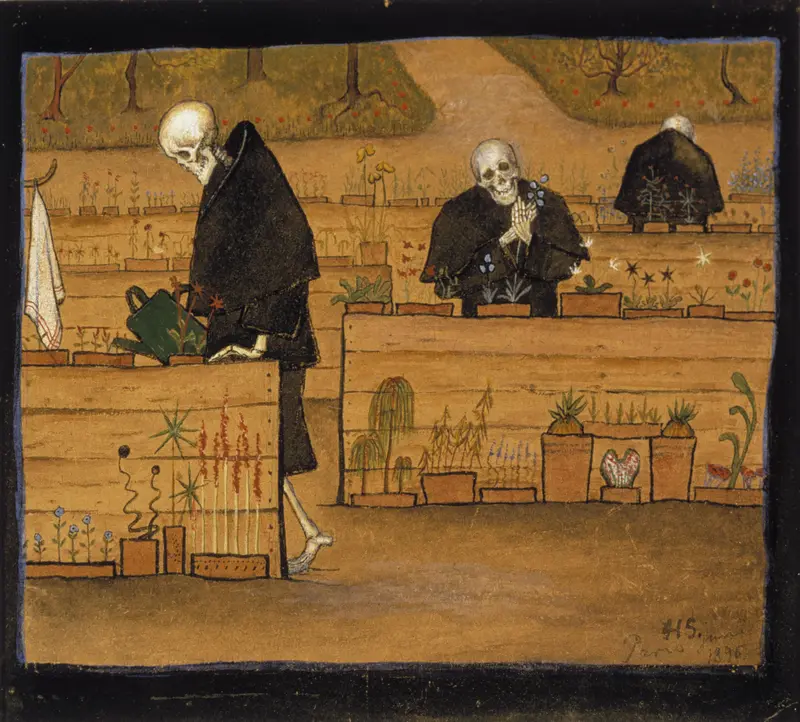 The Garden of DeathHugo Simberg
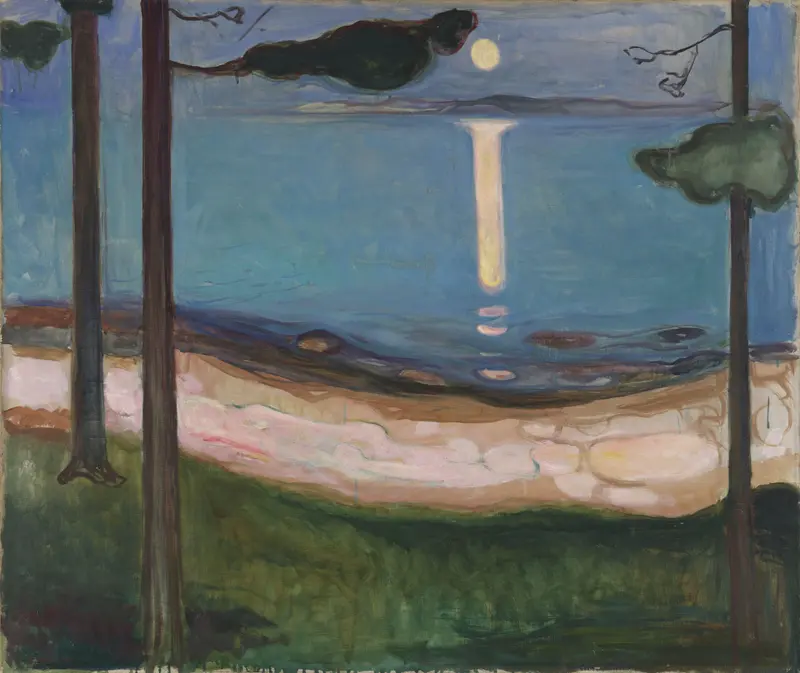
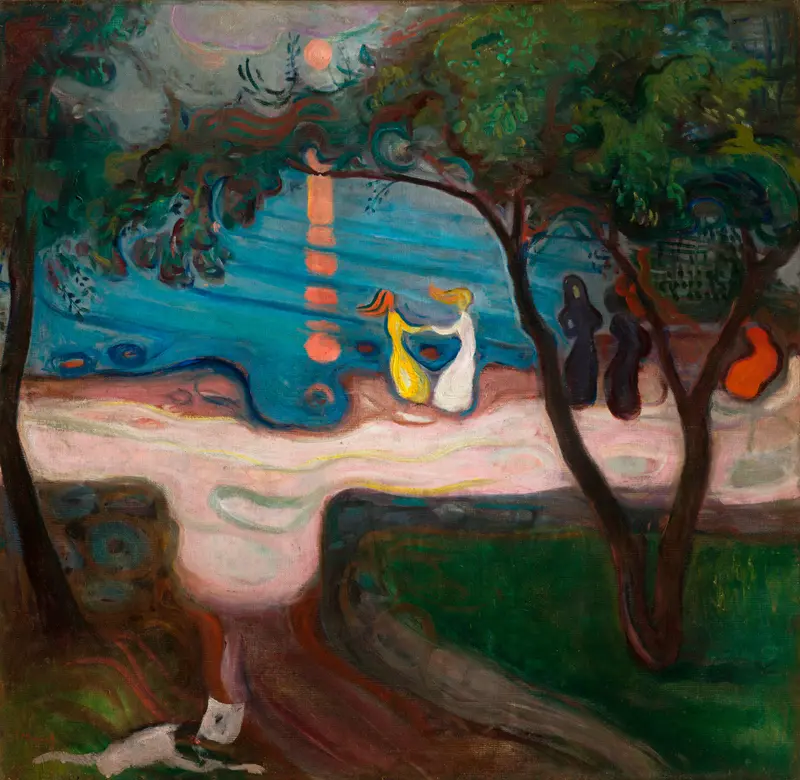
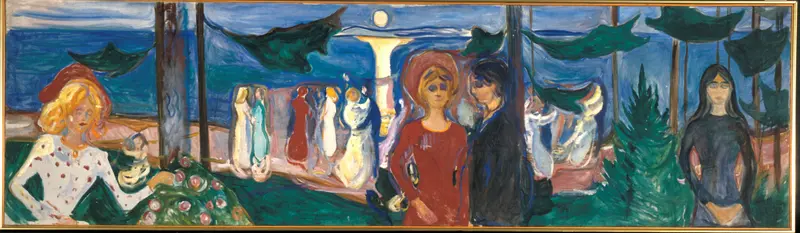
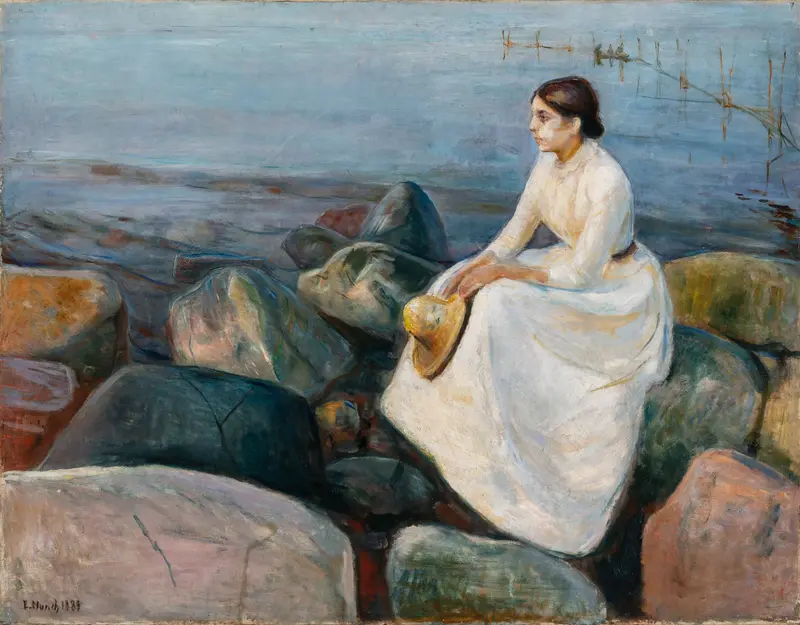 Summer Night. Inger on the BeachEdvard Munch
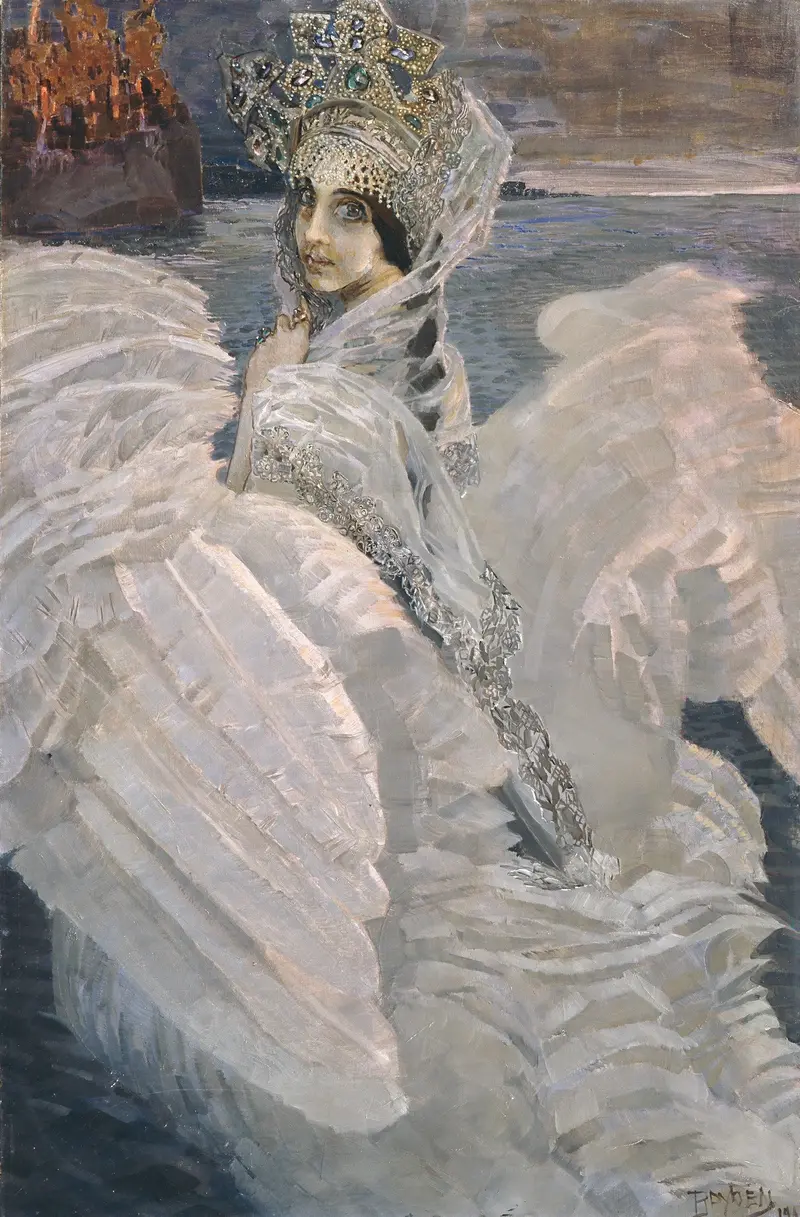 The Swan PrincessMikhail Vrubel
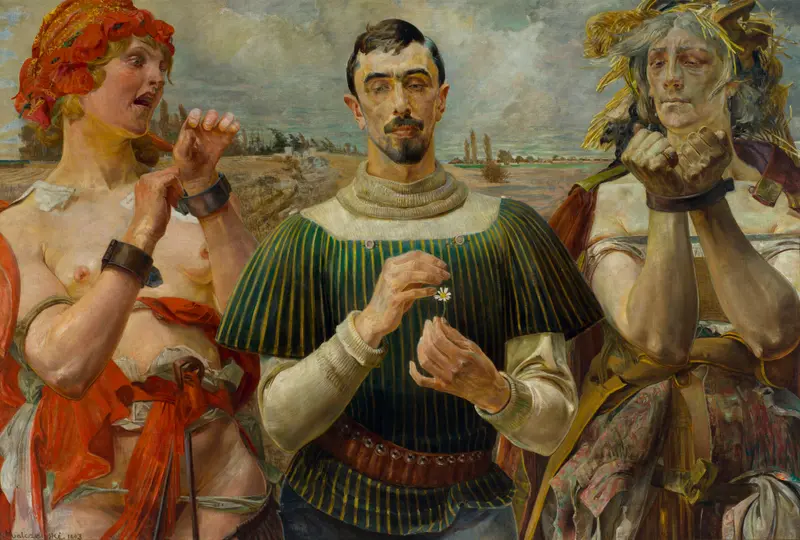 Polish Hamlet (Portrait of Aleksander Wielopolski)Jacek Malczewski
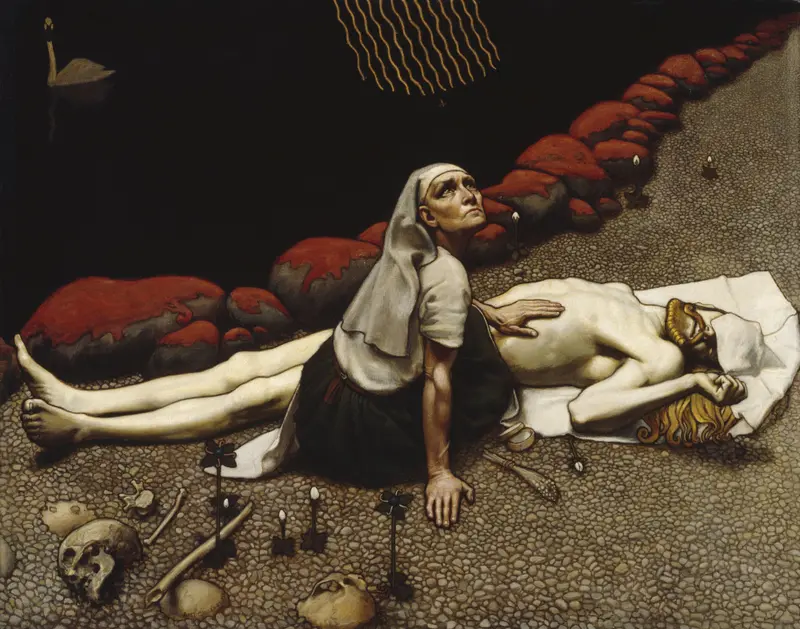 Lemminkäinen's MotherAkseli Gallen-Kallela
Famous Symbolist artists
Ten painters at the heart of Symbolism, from Moreau and Redon in Paris to Böcklin, Hodler and Gallen-Kallela. Each link opens all their paintings.
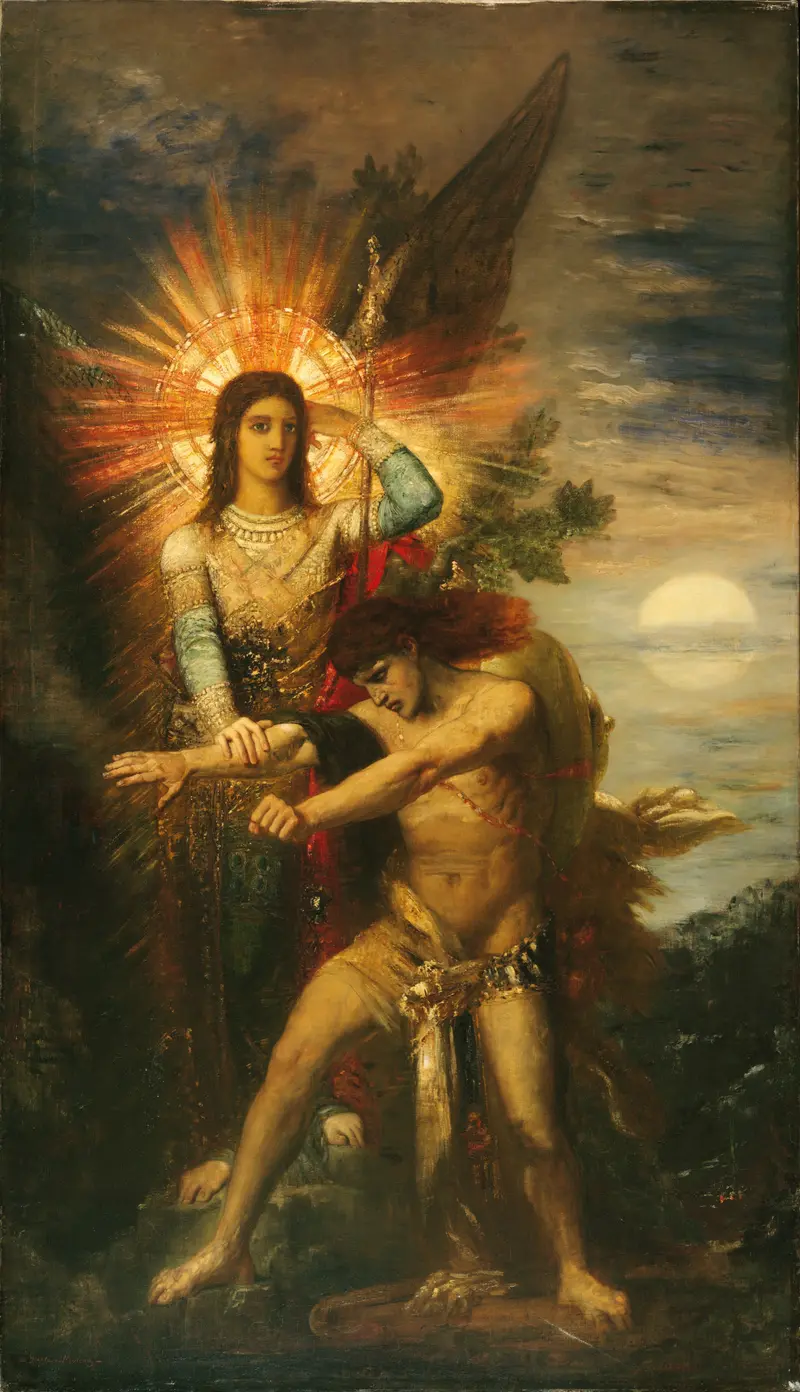 Gustave Moreau1826–1898. The Musée d'Orsay calls him a decisive figure in the Symbolist movement; his Salome caused a sensation at the Salon of 1876, and his students included Matisse and Rouault.
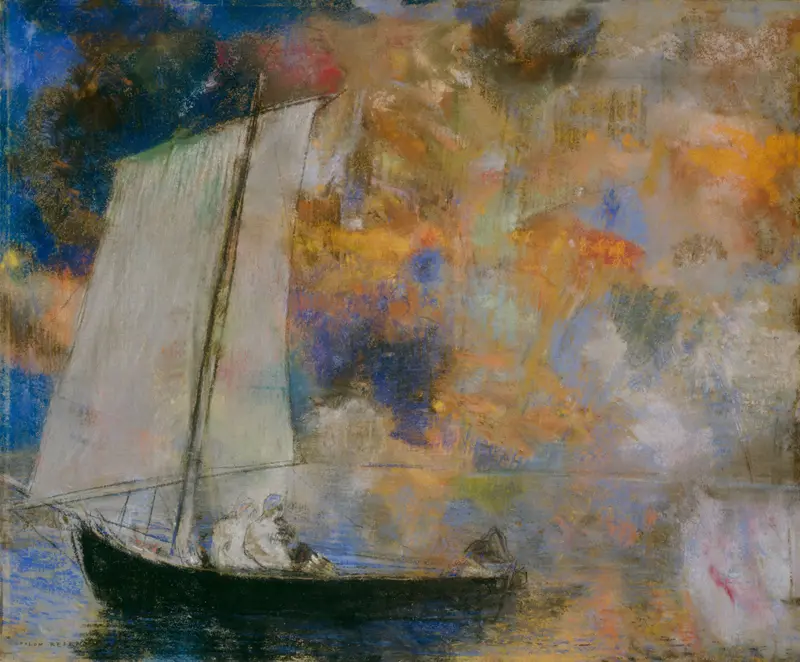 Odilon Redon1840–1916. For years he worked only in black and white, in charcoal drawings and lithographs known as his Noirs, then found color in pastel; his art, the Art Institute of Chicago says, drew on the internal world of his imagination.
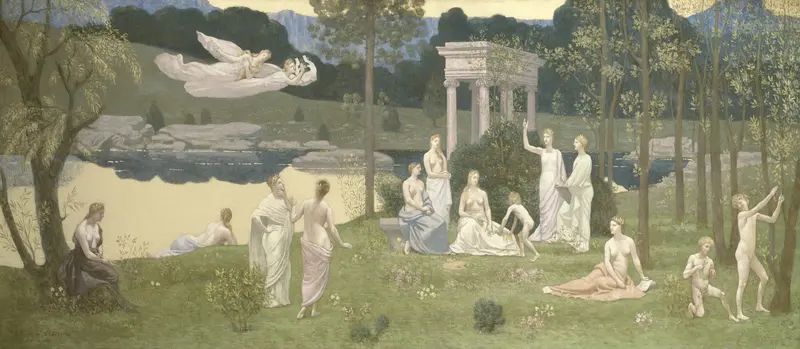
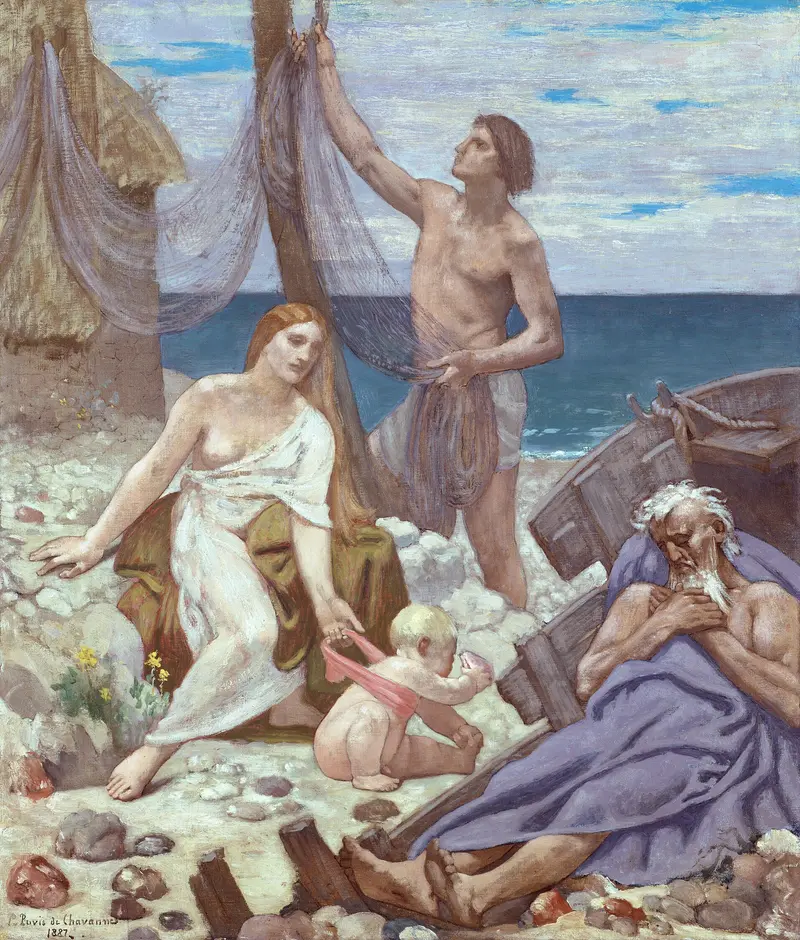
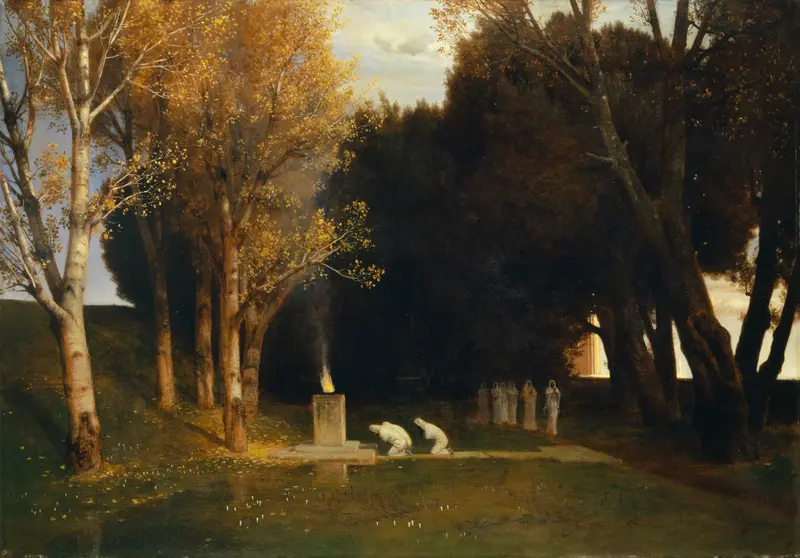
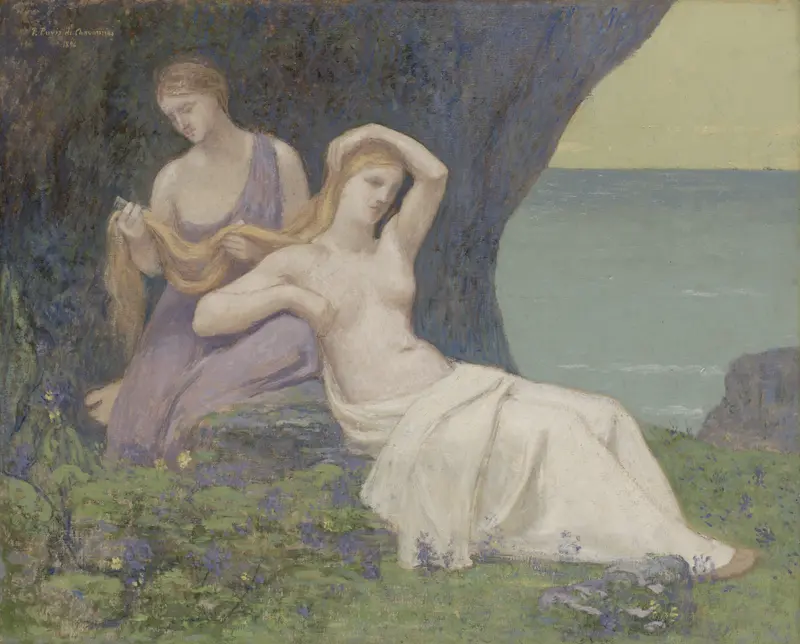 Pierre Puvis de Chavannes1824–1898. The leading muralist in France in the 1880s; his Sacred Grove, painted for the museum in Lyon, was one of the inspirations for Seurat's A Sunday on La Grande Jatte.
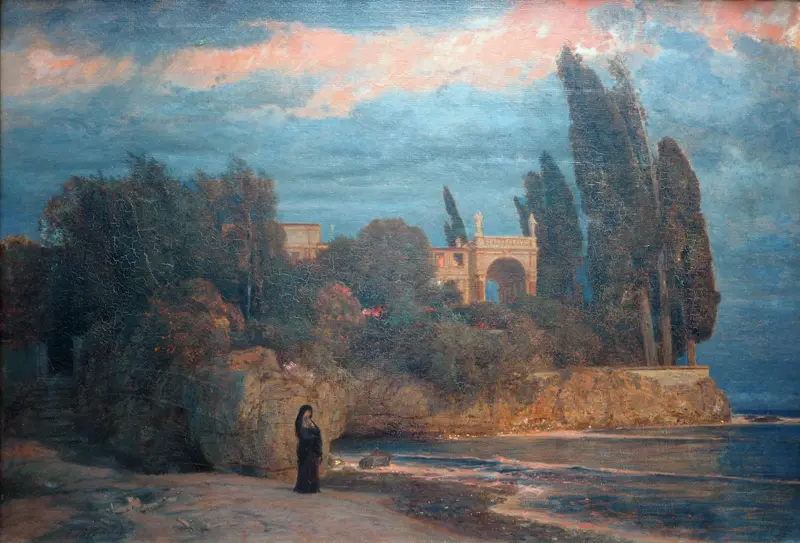 Arnold Böcklin1827–1901. Swiss painter from Basel; Death plays the fiddle behind him in his self-portrait of 1872, and his Isle of the Dead, painted in five versions, became a favorite image of the fin de siècle.
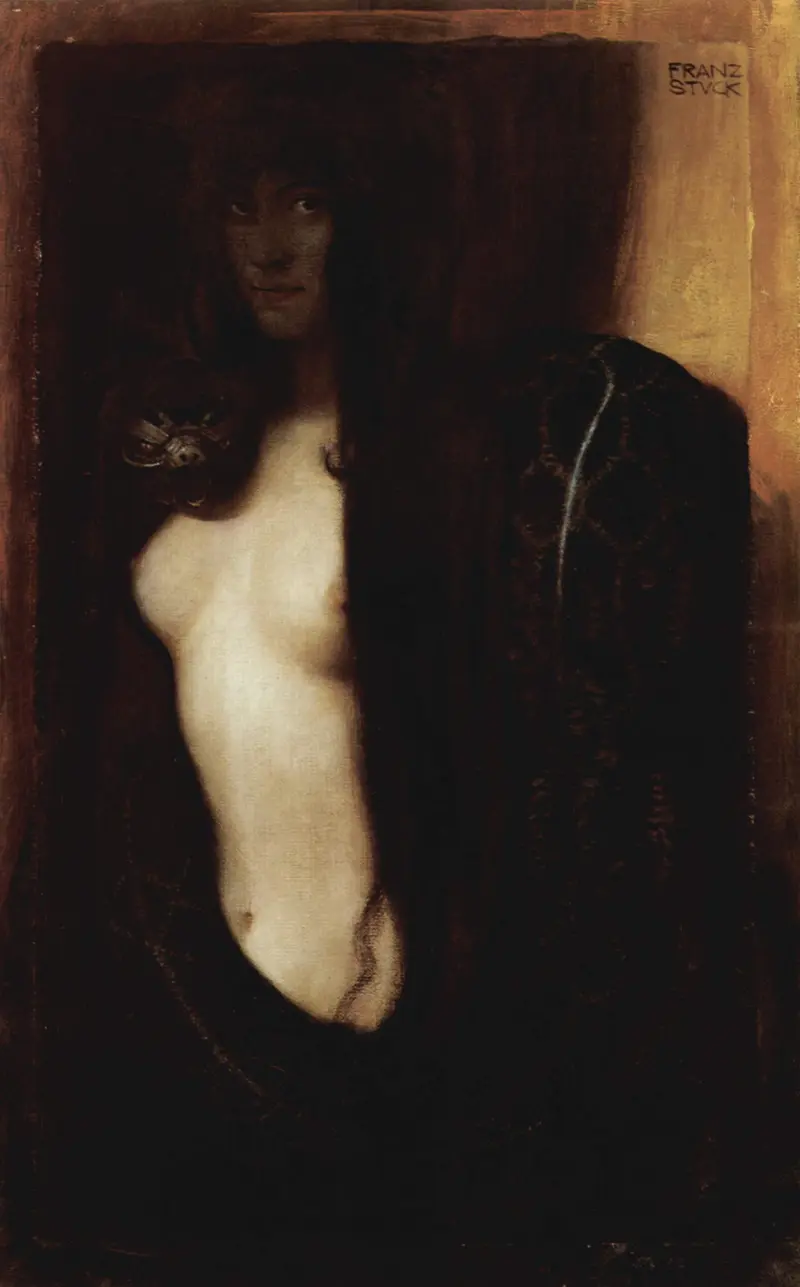
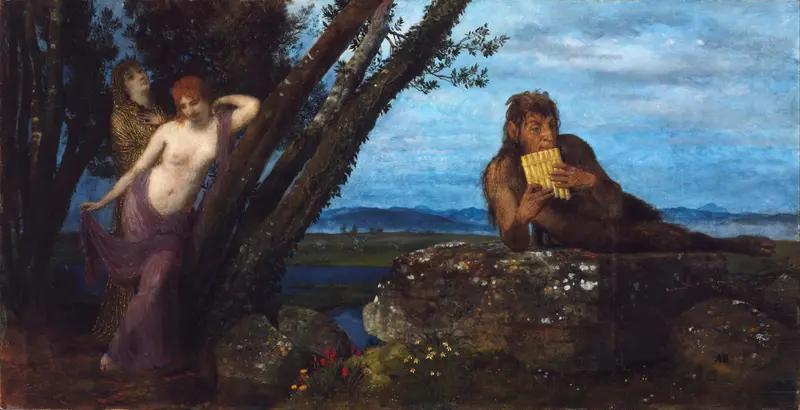
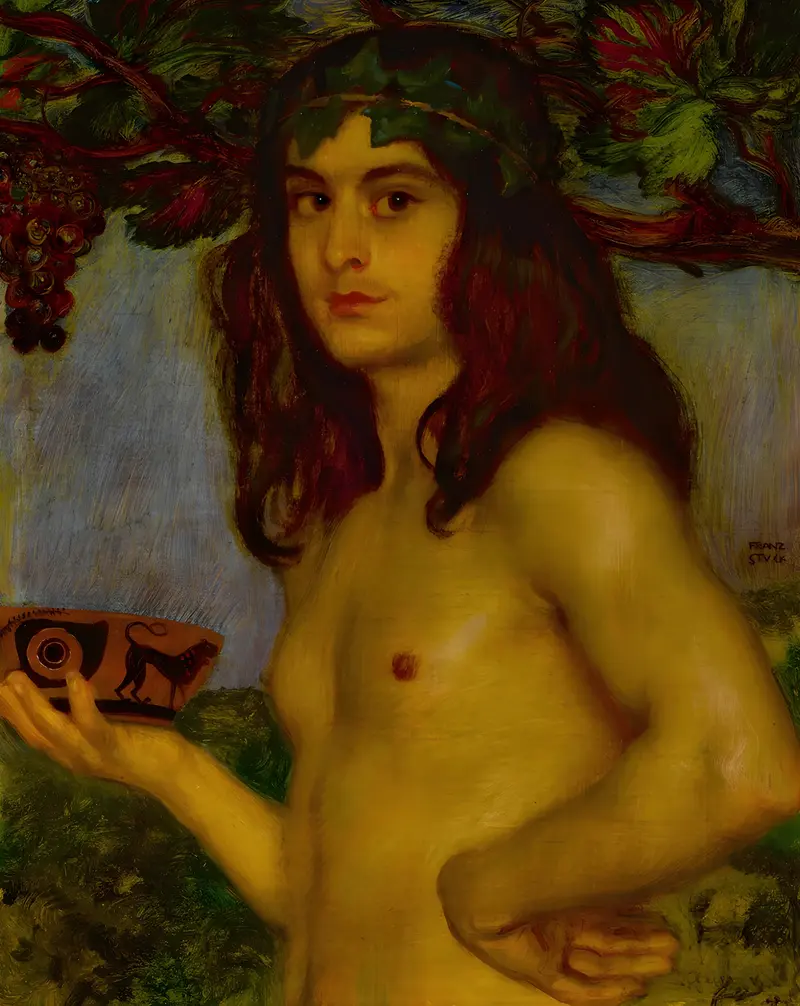
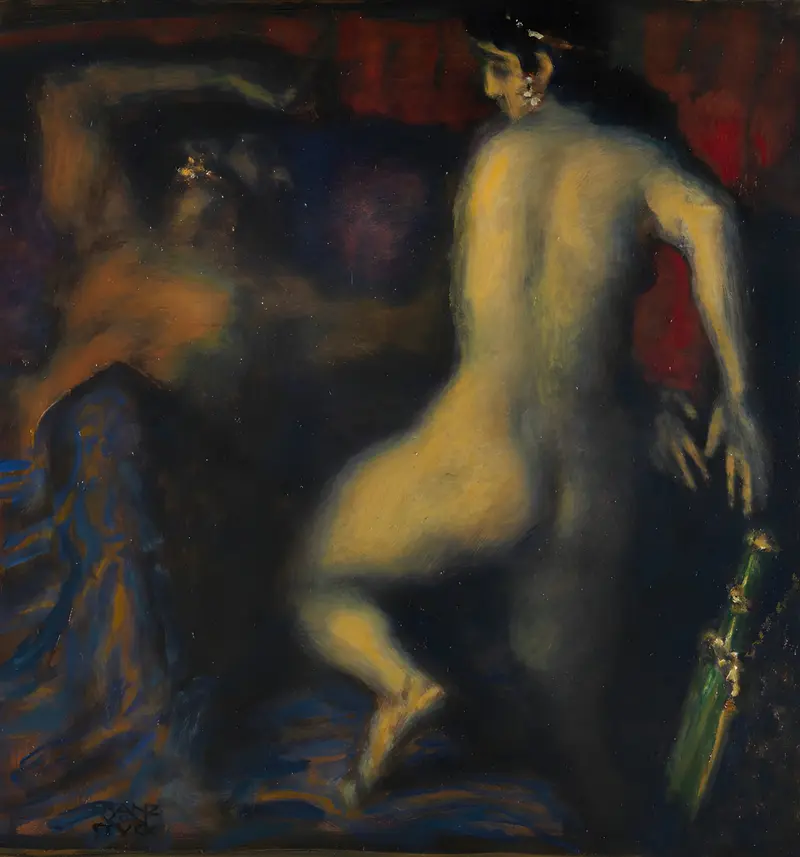 Franz von Stuck1863–1928. Munich painter whose The Sin, a woman wrapped in a serpent, entered the Neue Pinakothek in 1893, the year he painted it; he painted other versions of it too.
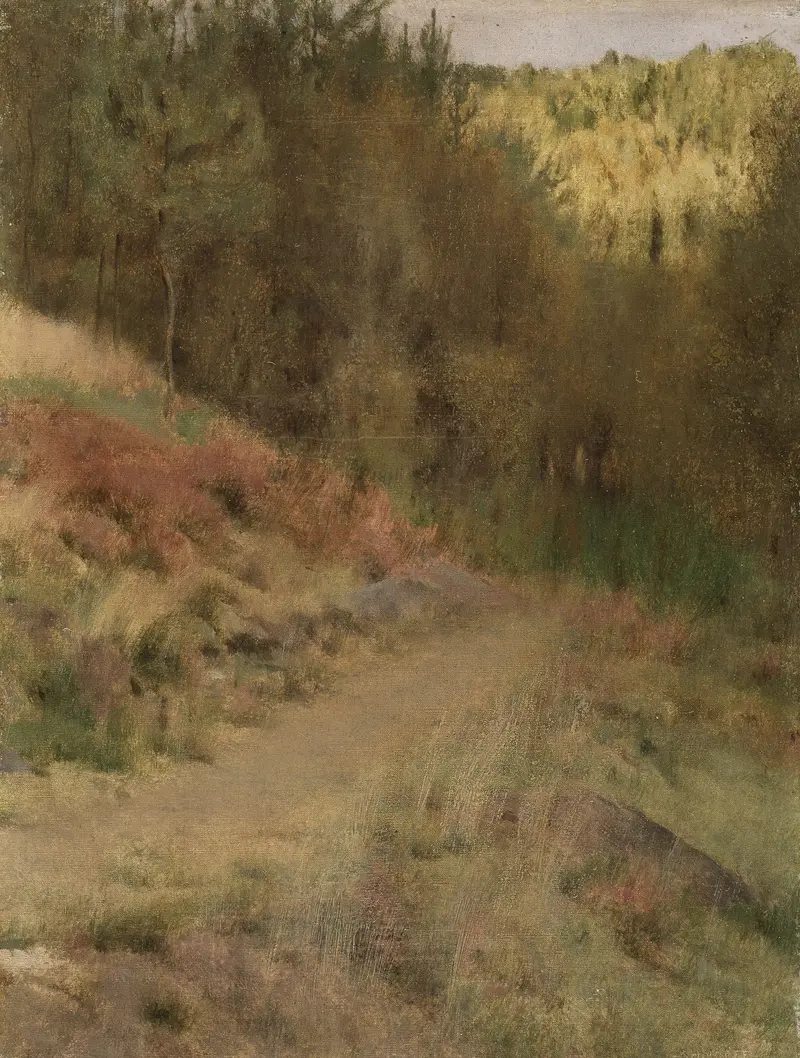 Fernand Khnopff1858–1921. Tate names him, with Jean Delville, as a leading Symbolist in Belgium, and, with Moreau and Félicien Rops, among the artists working in the decadent mode.
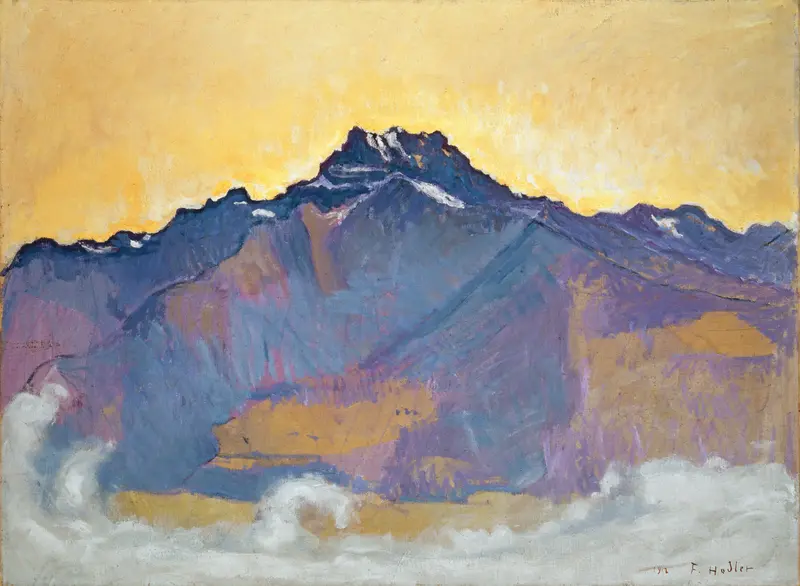
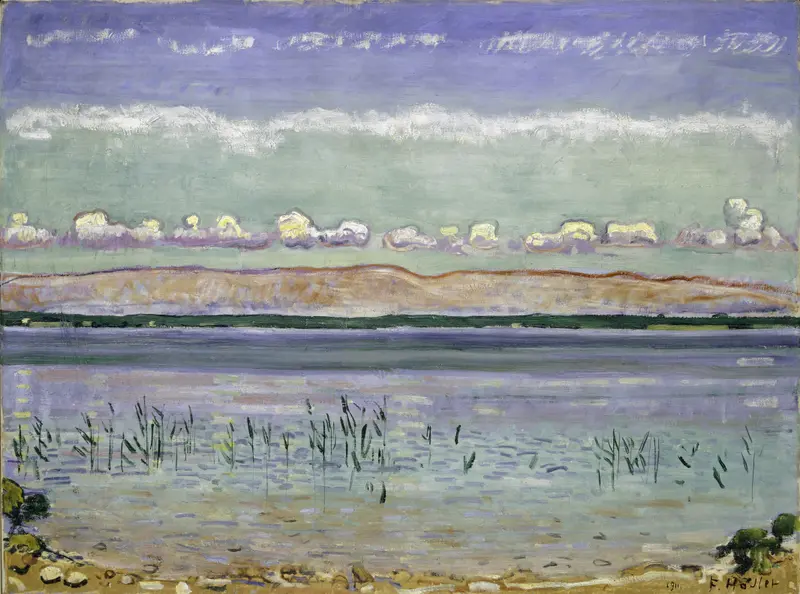
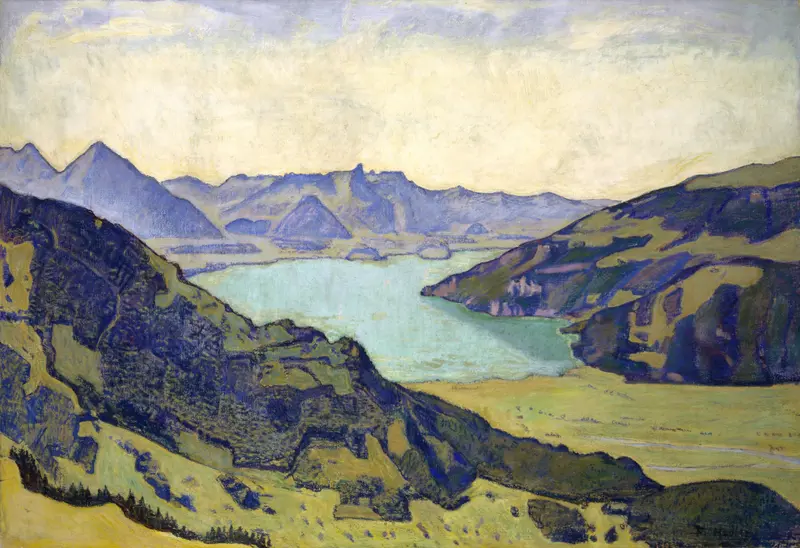
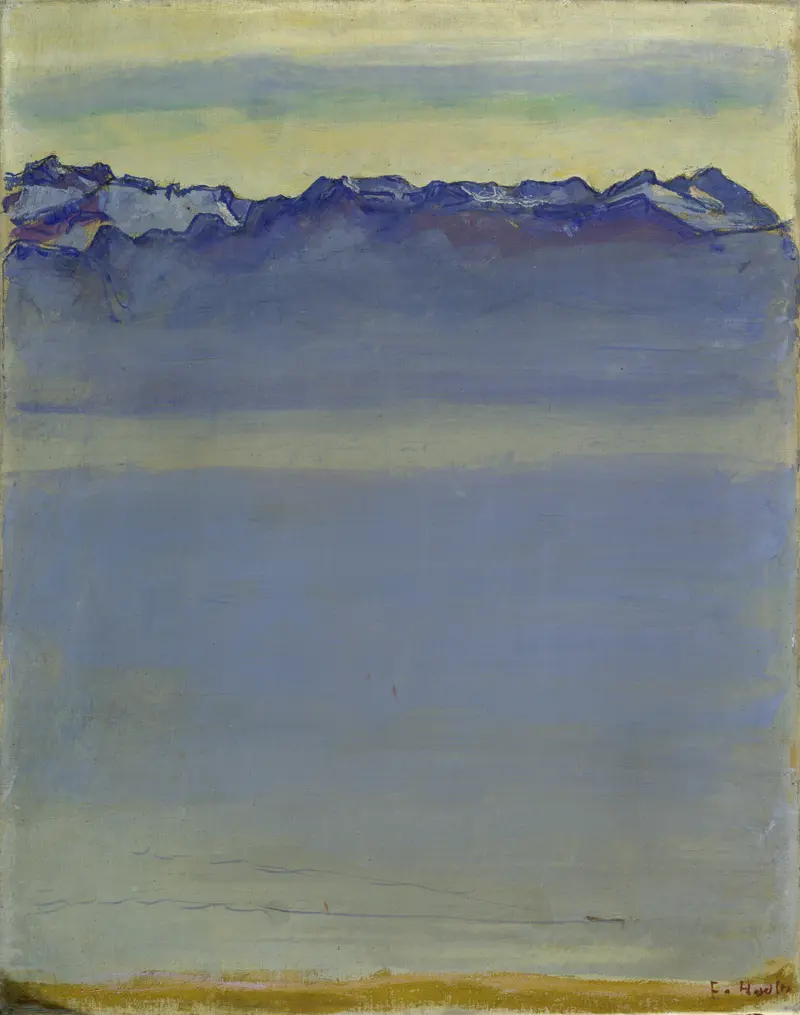
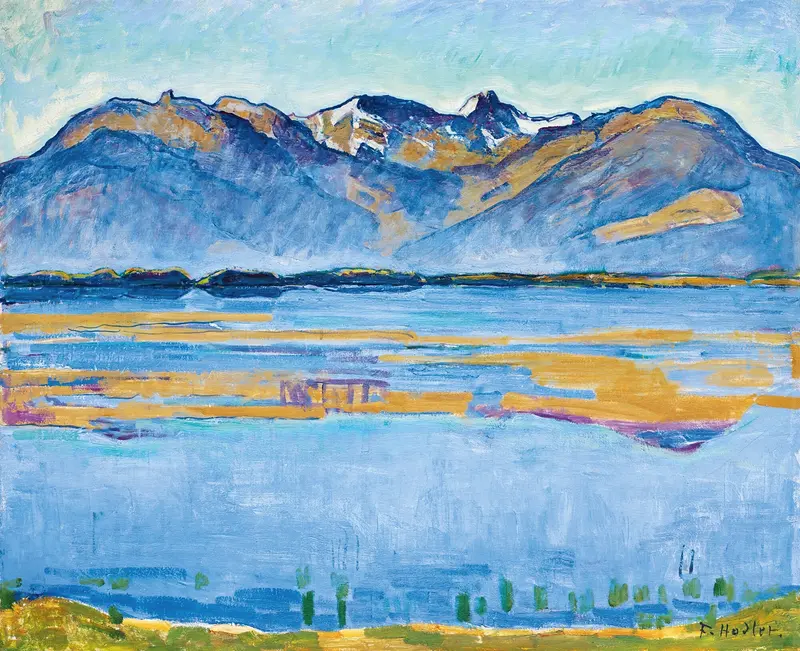
 Ferdinand Hodler1853–1918. Swiss painter whom the National Gallery in London lists among the artists associated with Symbolism; most of his works in our collection are views of Swiss lakes and mountains.
 George Frederic Watts1817–1904. Tate names him among Britain's Symbolists; his Hope, painted with assistants in 1886, is at Tate, and After the Deluge, a sunrise over the Flood, at the Watts Gallery.
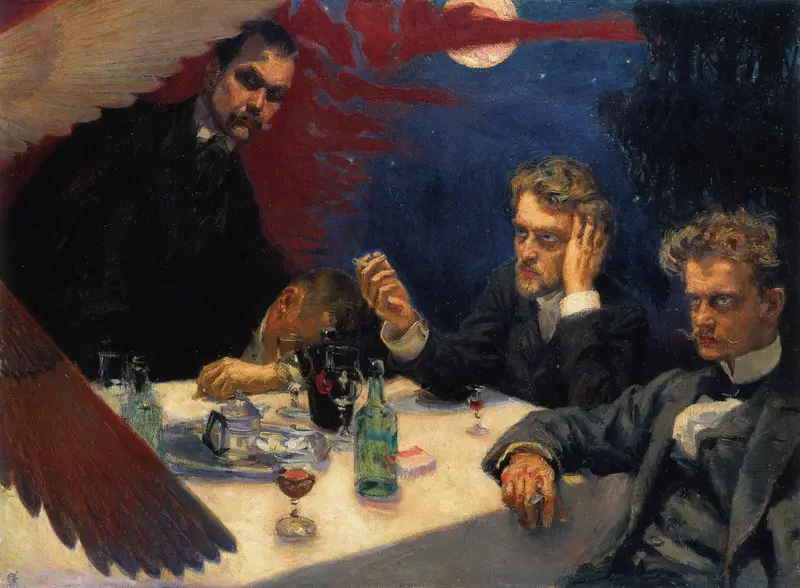 Akseli Gallen-Kallela1865–1931. Finnish painter of the Kalevala, Finland's national epic; for Lemminkäinen's Mother he used his own mother as the model, the Ateneum says.
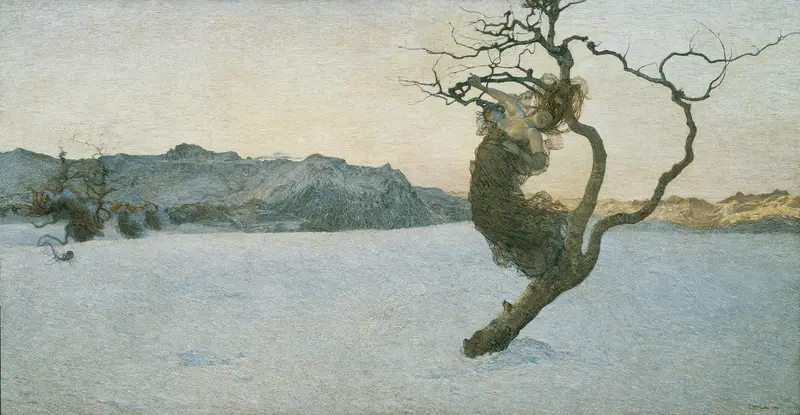
 Giovanni Segantini1858–1899. Painter of the high Alps, born in Arco; his Evil Mothers sets a poem by Luigi Illica in a snowy mountain landscape, the Kunsthaus Zürich explains.
French Symbolist paintings
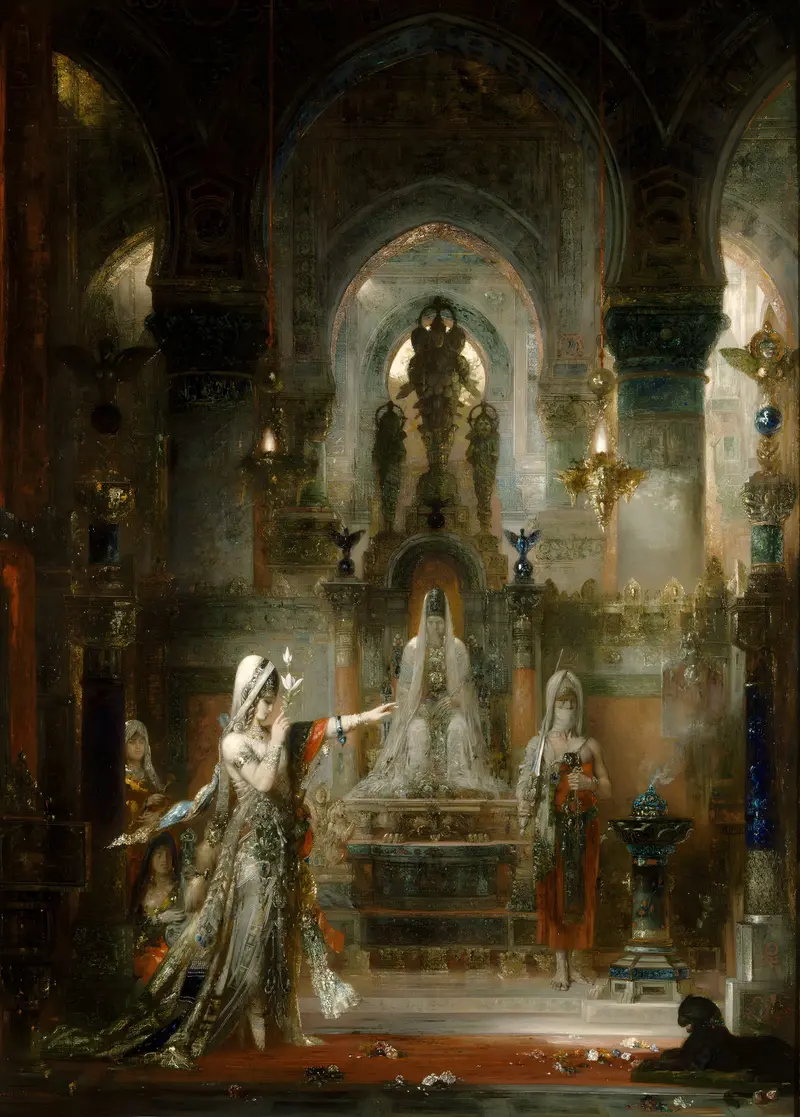
The name Symbolism was coined in Paris in 1886. Gustave Moreau painted myths in obsessive detail, Odilon Redon turned from his black charcoal Noirs to color and pastel, and Pierre Puvis de Chavannes, the leading muralist in France, painted calm scenes in pale, chalky color.
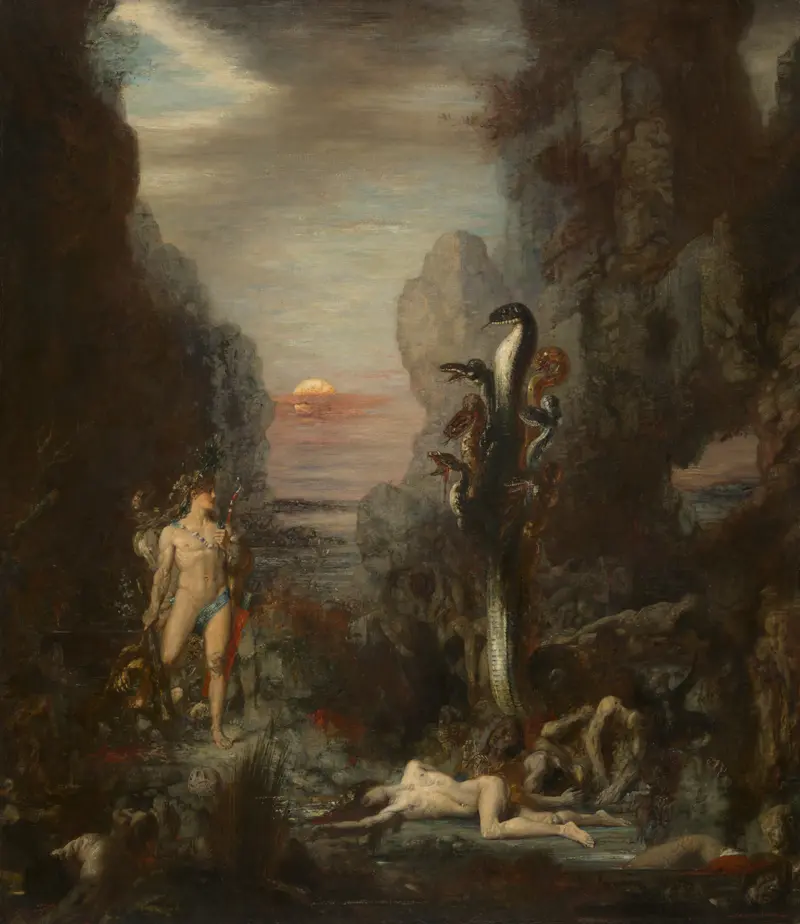
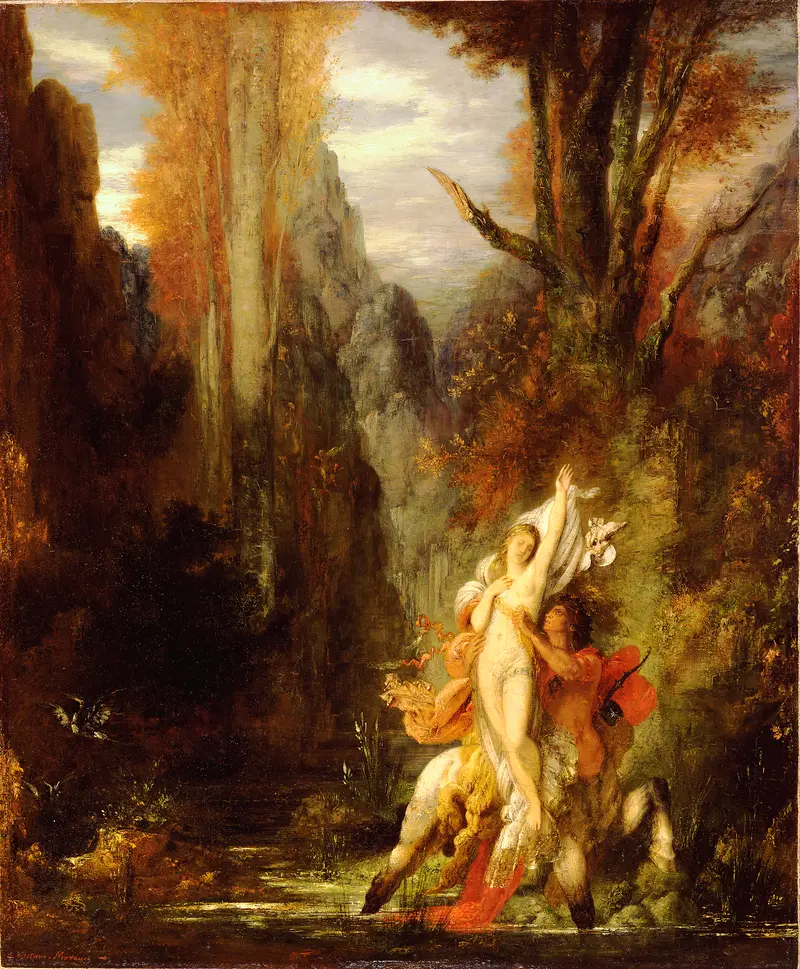
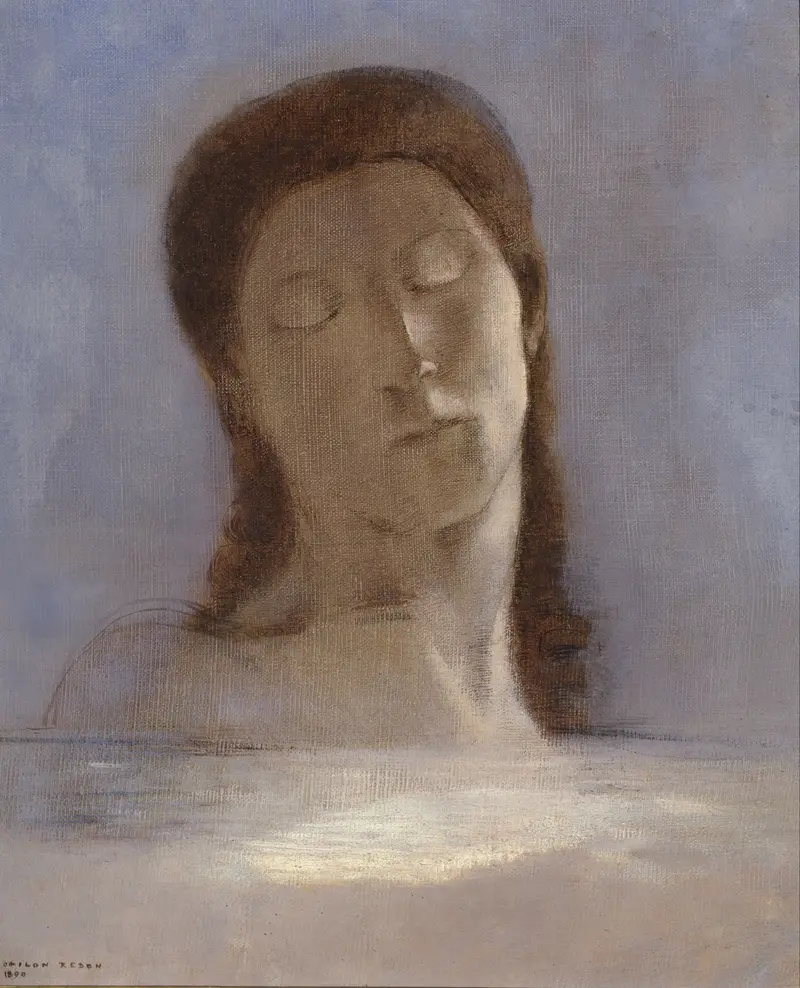
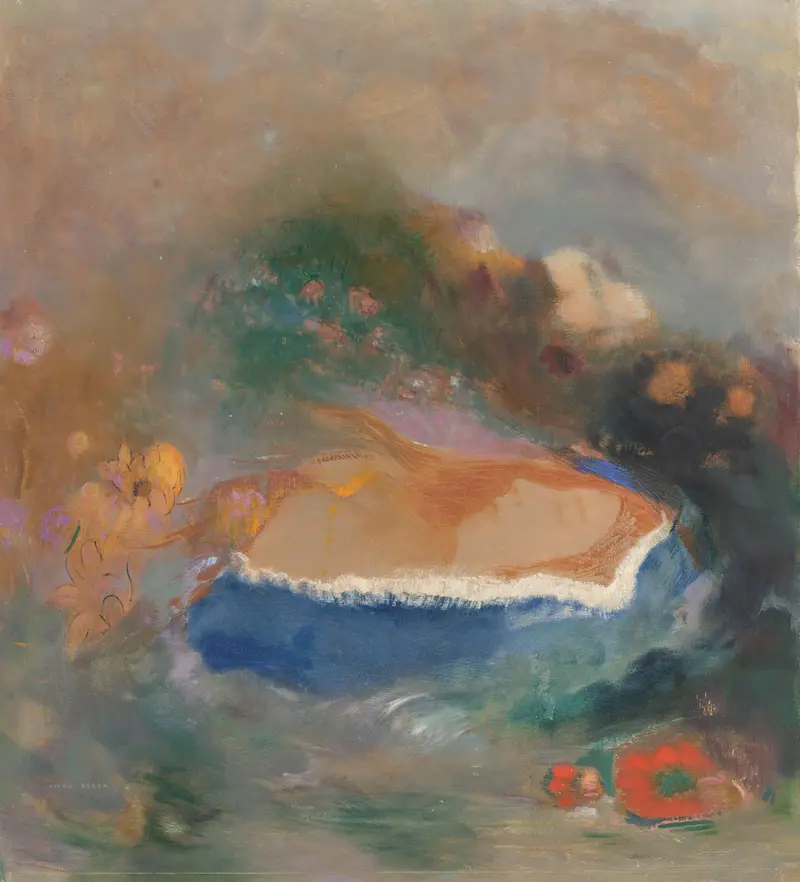
German and Swiss Symbolist paintings
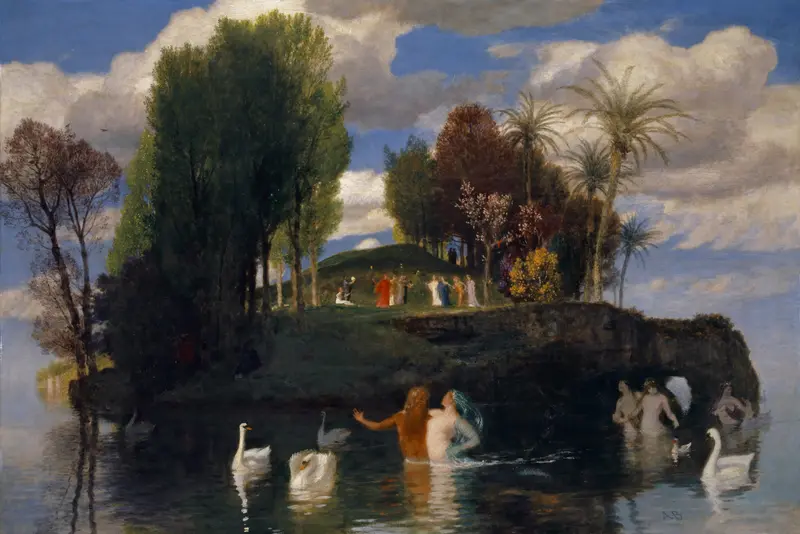
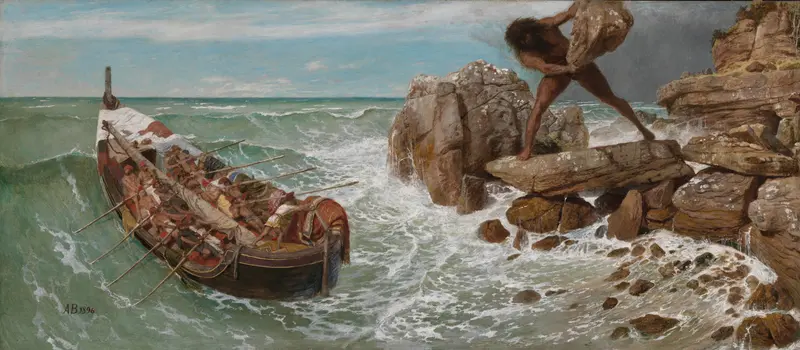
Arnold Böcklin, born in Basel, painted myths and dreamlike shores; his Isle of the Dead spread in countless prints and photographs, the Alte Nationalgalerie says. In Munich, Franz von Stuck's The Sin entered the Neue Pinakothek in 1893, the year he painted it, and the Swiss Ferdinand Hodler painted the lakes and peaks of his country.
Characteristics of Symbolism: how to recognize it
Ideas, not appearances
Two boys carry a blindfolded angel with a wounded wing, and Simberg gave the picture no title at all, only a dash. Tate defines Symbolism as the expression of an idea over the realistic description of the natural world.
The Wounded Angel, Hugo Simberg
Myth, the Bible and literature
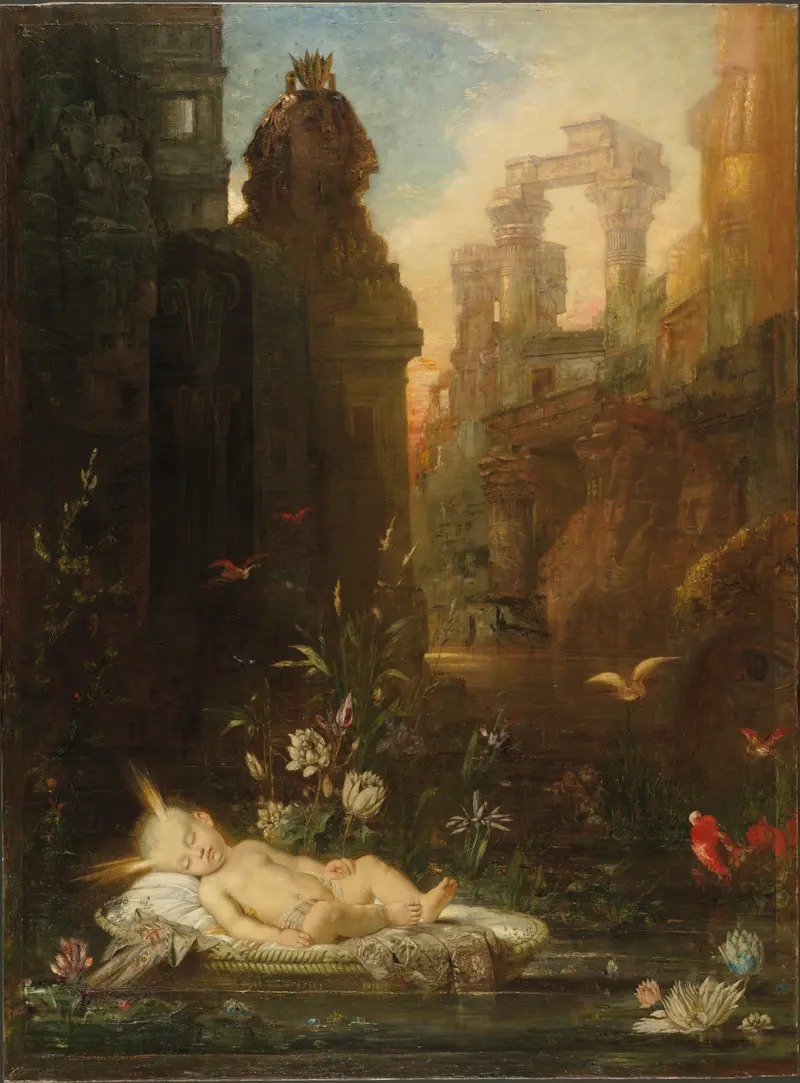
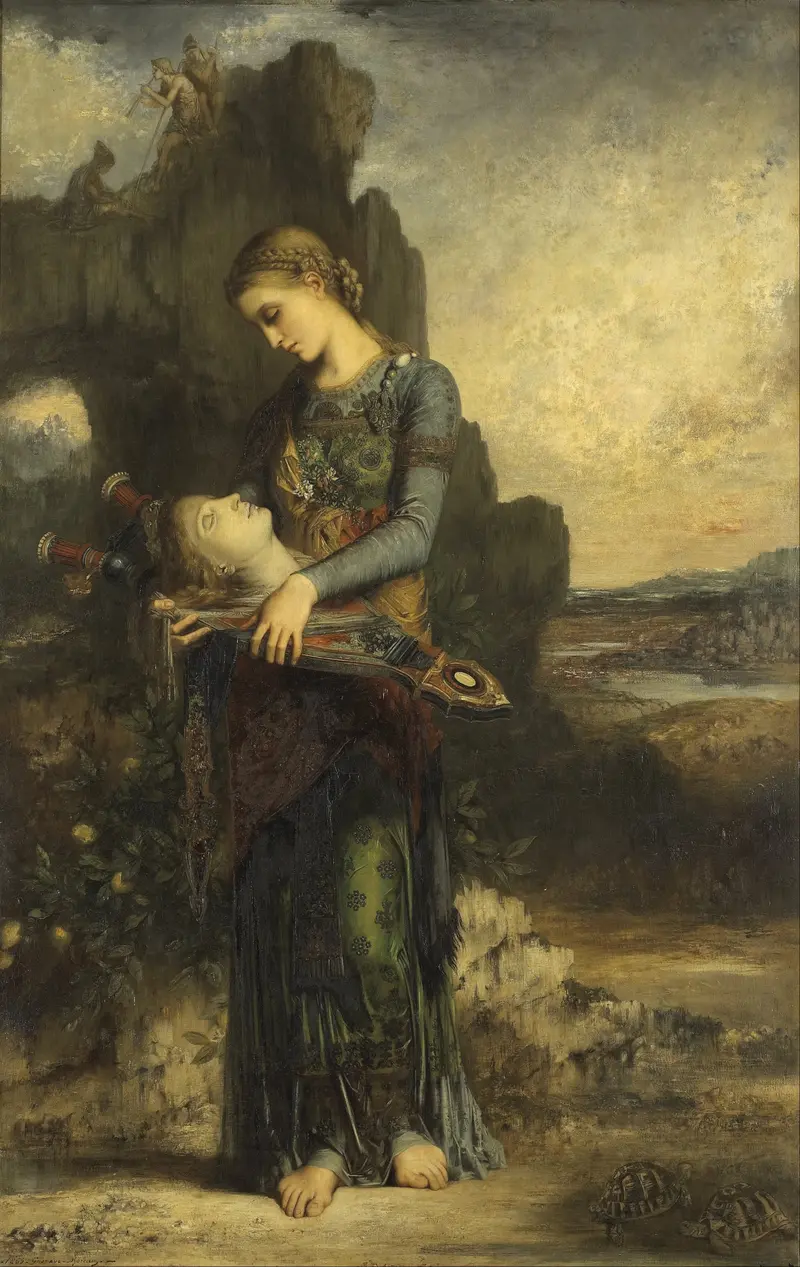
A girl carries the head of the dead poet Orpheus on his lyre, a scene Moreau imagined beyond the ancient myth. Tate says the Symbolists filled their dream worlds with mysterious figures from literature, the Bible and Greek mythology.
Orpheus, Gustave Moreau
Death close at hand
Böcklin listens while Death plays the fiddle at his shoulder. Love, fear, anguish and death were among the common themes of Symbolist art, Tate notes.
Self-Portrait with Death Playing the Fiddle, Arnold Böcklin
The femme fatale
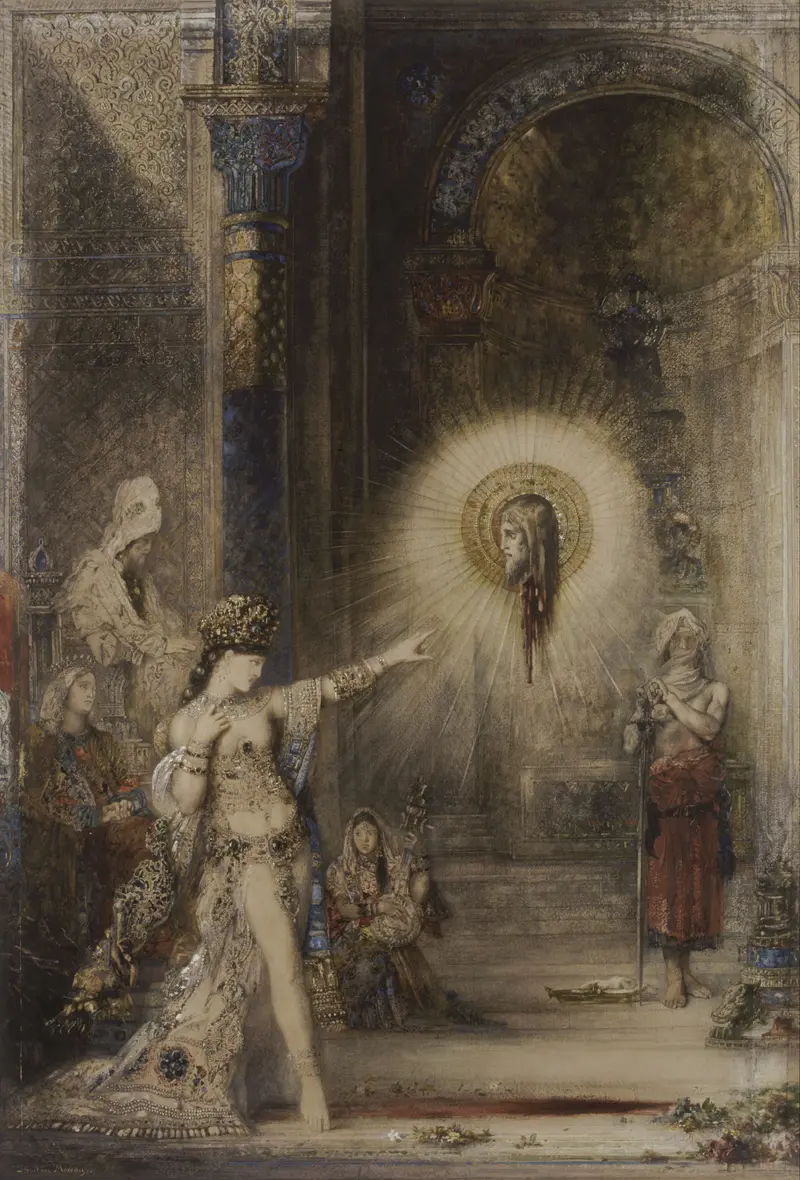
Salome points at the head of John the Baptist, the prize for her dance. The novelist Huysmans saw her as a femme fatale, the Musée d'Orsay notes, and the National Gallery in London says Symbolist works were often either mystical or erotic and decadent.
The Apparition, Gustave Moreau
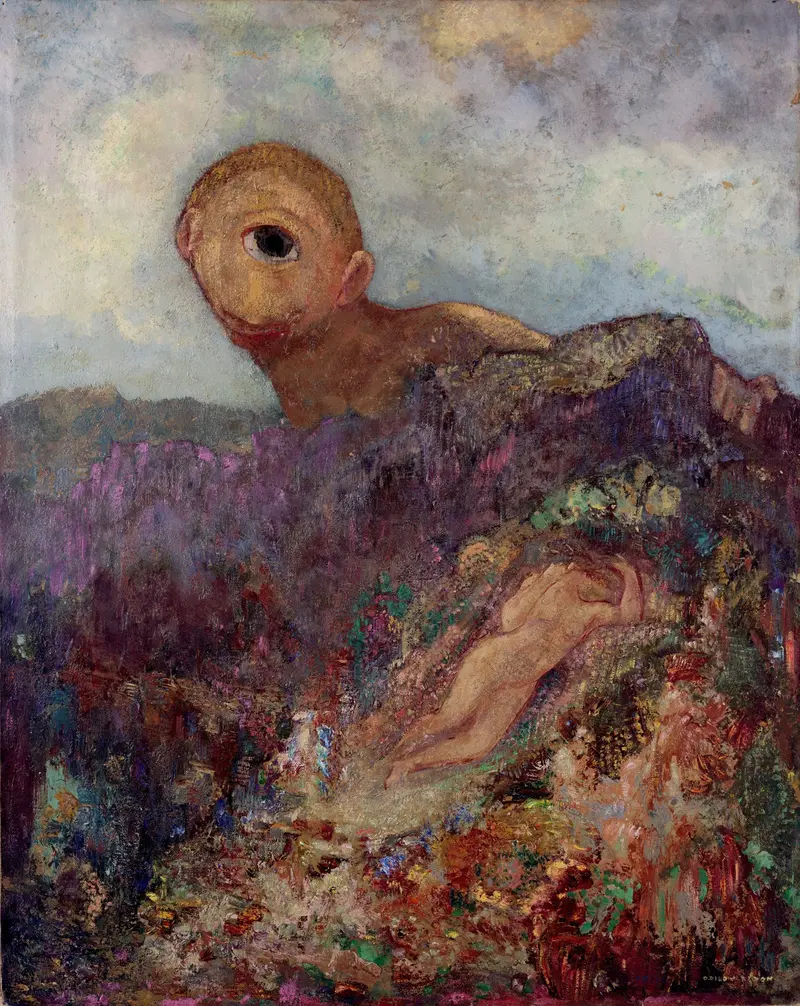
Dreams and the inner world
A giant eye rises over the mountain. In Redon's work, the Kröller-Müller Museum says, the eye is a symbol of the soul and of the mysterious inner world, and his art is a dream world of fairies, monsters and spirits.
The Cyclops, Odilon Redon

Landscapes of mood
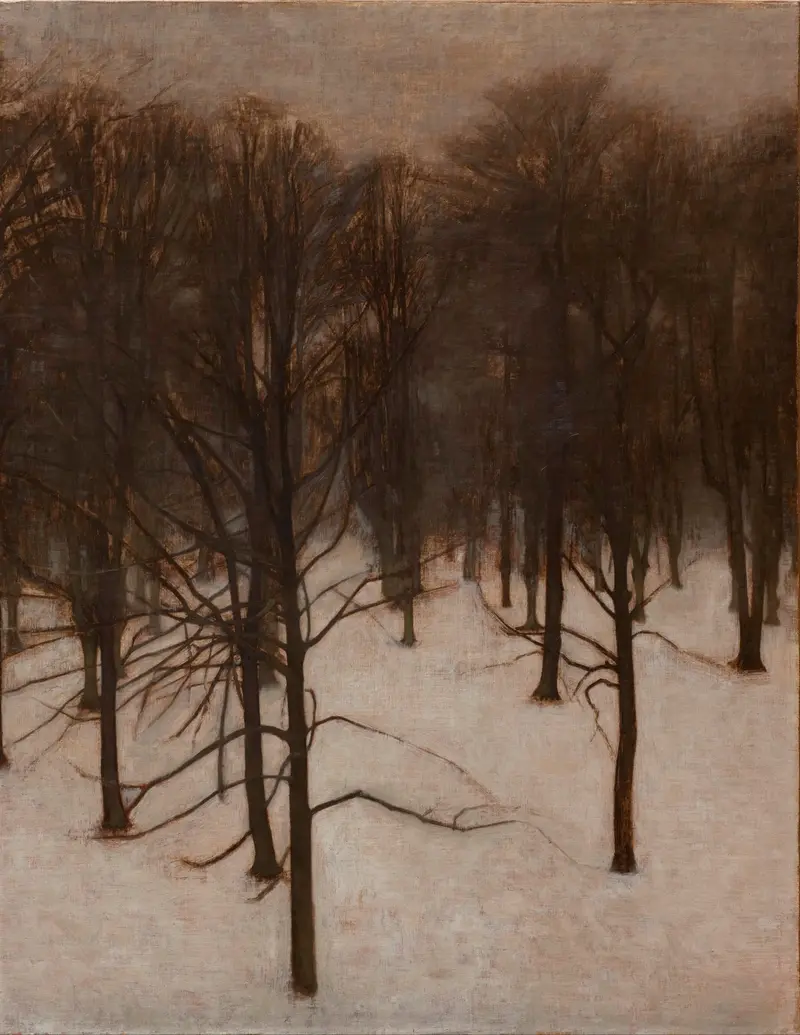
Sohlberg wanted the dark trees in front to hold “the night and anxiety of the picture.” Norway's National Museum calls this perhaps the pinnacle of Symbolist landscapes in Norway.
Winter Night in the Mountains, Harald Sohlberg
Before and after Symbolism
 Pre-Raphaelites1848–1890s
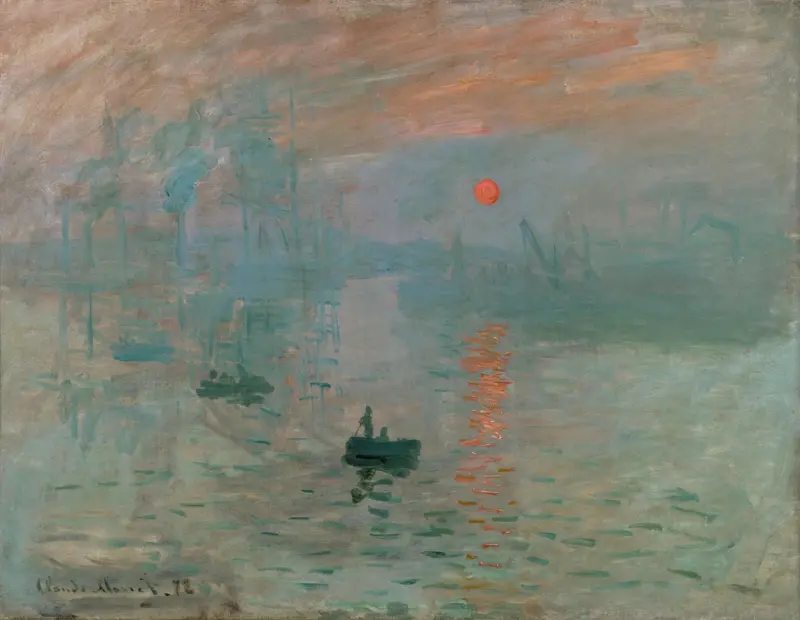 Impressionismc. 1867–1886
 Symbolismc. 1886–1900
 Art Nouveau1890s–1914
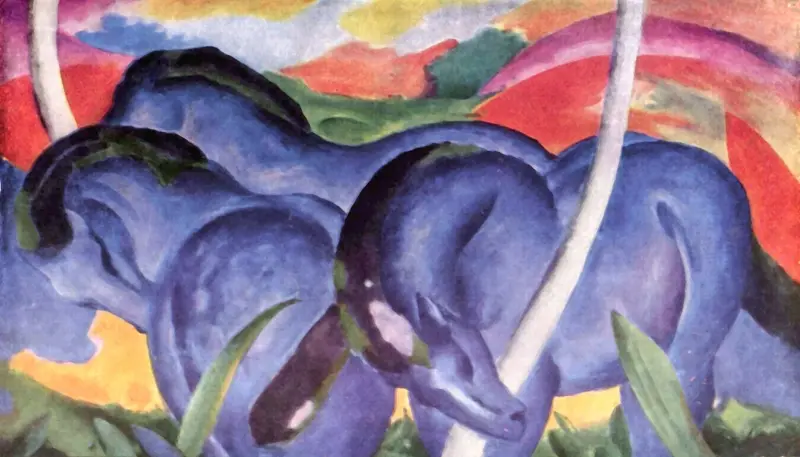 Expressionismc. 1905–1914
Symbolism vs Art Nouveau and Surrealism
| Compared | Symbolism | Art Nouveau | Surrealism |
|---|---|---|---|
| When | c. 1886–1900 | 1890s–1914 | From 1924 |
| Subject | Myths, Bible stories, visions, love and death | Flowing plant forms and graceful figures in posters, design and illustration | Dreams, the unconscious, uncanny and unexpected combinations |
| Aim | To express ideas and moods rather than describe the visible world | A decorative “new art” of sinuous lines | To unlock the unconscious mind |
| Famous example | Böcklin, Isle of the Dead | Klimt, The Kiss | Paul Nash, Mineral Objects |
| Key artists | Moreau, Redon, Puvis de Chavannes, Böcklin, Khnopff | Mucha, Klimt, Beardsley | Dalí, Magritte, Ernst, Miró |
List of famous Symbolist paintings and their artists
The famous Symbolist paintings: who painted them, when, and where each one is today.
Show the listHide the list
| Painting | Painted by | Year | Medium | Size | Located in | City |
|---|---|---|---|---|---|---|
| The Wounded Angel | Hugo Simberg | 1903 | Oil on canvas | 127 × 154 cm (50 × 60.6 in) | Ateneum | Helsinki |
| Isle of the Dead | Arnold Böcklin | 1883 | Oil on wood | 80 × 150 cm (31.5 × 59.1 in) | Alte Nationalgalerie | Berlin |
| After the Deluge | George Frederic Watts | 1885–86 | Oil on canvas | 104 × 178 cm (40.9 × 70.1 in) | Watts Gallery | Compton, Surrey |
| The Demon Seated | Mikhail Vrubel | 1890 | Oil on canvas | 116.5 × 213.8 cm (45.9 × 84.2 in) | Tretyakov Gallery | Moscow |
| Self-Portrait with Death Playing the Fiddle | Arnold Böcklin | 1872 | Oil on canvas | 75 × 61 cm (29.5 × 24 in) | Alte Nationalgalerie | Berlin |
| Hope | George Frederic Watts | 1886 | Oil on canvas | 142.2 × 111.8 cm (56 × 44 in) | Tate Britain | London |
| Oedipus and the Sphinx | Gustave Moreau | 1864 | Oil on canvas | 206.4 × 104.8 cm (81.3 × 41.3 in) | Metropolitan Museum of Art | New York |
| The Garden of Death | Hugo Simberg | 1896 | Watercolor and gouache on paper | 16 × 17.5 cm (6.3 × 6.9 in) | Ateneum | Helsinki |
| Summer Night. Inger on the Beach | Edvard Munch | 1889 | Oil on canvas | 123.6 × 158.9 cm (48.7 × 62.6 in) | Art Museums of Bergen | Bergen |
| The Swan Princess | Mikhail Vrubel | 1900 | Oil on canvas | 142.5 × 93.5 cm (56.1 × 36.8 in) | Tretyakov Gallery | Moscow |
| Polish Hamlet (Portrait of Aleksander Wielopolski) | Jacek Malczewski | 1903 | Oil on canvas | 100 × 149 cm (39.4 × 58.7 in) | National Museum in Warsaw | Warsaw |
| Lemminkäinen's Mother | Akseli Gallen-Kallela | 1897 | Tempera on canvas | 85.5 × 108.5 cm (33.7 × 42.7 in) | Ateneum | Helsinki |
| The Sin | Franz von Stuck | 1893 | Oil on canvas | 94.5 × 59.5 cm (37.2 × 23.4 in) | Neue Pinakothek | Munich |
| The Apparition | Gustave Moreau | c. 1876 | Watercolor on paper | 106 × 72 cm (41.7 × 28.3 in) | Musee d'Orsay | Paris |
| The Evil Mothers | Giovanni Segantini | 1894 | Oil on canvas | 105 × 200 cm (41.3 × 78.7 in) | Belvedere Museum | Vienna |
| The Cyclops | Odilon Redon | c. 1914 | Oil on cardboard mounted on panel | 65.8 × 52.7 cm (25.9 × 20.7 in) | Kröller-Müller Museum | Otterlo |
| Night in Saint-Cloud | Edvard Munch | 1890 | Oil on canvas | 64.5 × 54 cm (25.4 × 21.3 in) | National Museum, Oslo | Oslo |
| Orpheus | Gustave Moreau | 1865 | Oil on wood | 154 × 99.5 cm (60.6 × 39.2 in) | Musee d'Orsay | Paris |
| The Defense of the Sampo | Akseli Gallen-Kallela | 1896 | Tempera on canvas | 122 × 125 cm (48 × 49.2 in) | Turku Art Museum | Turku |
| The Plague | Arnold Böcklin | 1898 | Tempera on wood | 149.5 × 105.1 cm (58.9 × 41.4 in) | Kunstmuseum Basel | Basel |
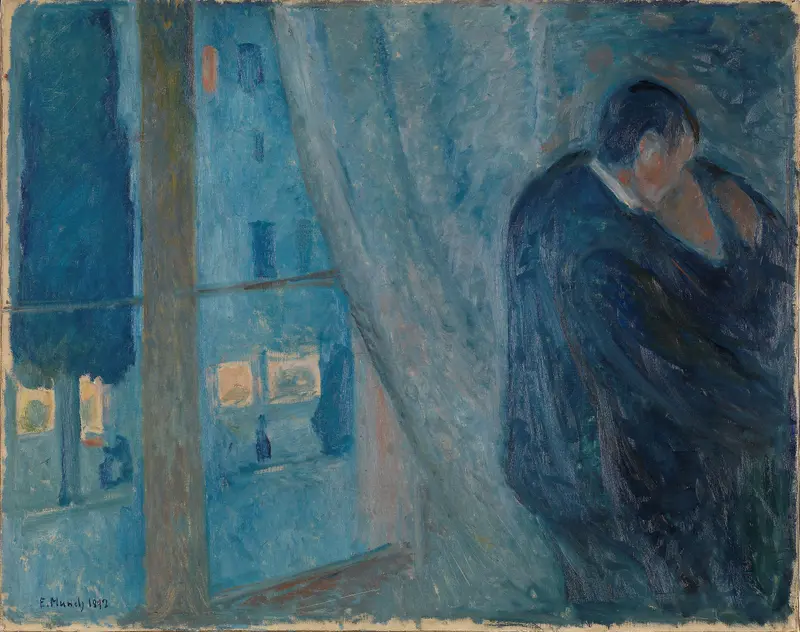
| The Kiss | Edvard Munch | 1892 | Oil on canvas | 73 × 92 cm (28.7 × 36.2 in) | National Museum, Oslo | Oslo |
| Venus of Poetry | Julio Romero de Torres | 1913 | Oil on canvas | 93.2 × 154 cm (36.7 × 60.6 in) | Bilbao Fine Arts Museum | Bilbao |
| Winter Night in the Mountains | Harald Sohlberg | 1914 | Oil on canvas | 160.4 × 180 cm (63.1 × 70.9 in) | National Museum, Oslo | Oslo |
| Kullervo Cursing | Akseli Gallen-Kallela | 1899 | Oil on canvas | 184 × 102.5 cm (72.4 × 40.4 in) | Ateneum | Helsinki |
| The Sacred Grove, Beloved of the Arts and the Muses | Pierre Puvis de Chavannes | 1884–89 | Oil on canvas | 93 × 231 cm (36.6 × 90.9 in) | Art Institute of Chicago | Chicago |
Symbolism: questions and answers
What does Symbolism mean in art?
In art, Symbolism means the late-19th-century movement that put the expression of an idea ahead of a realistic description of the natural world. Tate explains that the critic Jean Moréas coined the term in 1886 for the poetry of Mallarmé and Verlaine, and that it was soon applied to painters, who turned from the visible world to imaginary dream worlds full of mysterious figures from literature, the Bible and Greek mythology. The National Gallery in London puts it simply: Symbolist painters sought to convey ideas or suggest emotions rather than imitate the forms of nature.
Sources: Tate: Symbolism · National Gallery: Symbolist (glossary)
What are the characteristics of Symbolism art?
Symbolist paintings show dreams, myths and visions rather than everyday life, and they return again and again to a few themes: love, fear, anguish, death, sexual awakening and unrequited desire, Tate says. The National Gallery in London adds that the works were often mystical in a religious way, or erotic and decadent. Many look strangely still: the Art Institute of Chicago notes that Moreau's Hercules and the Lernaean Hydra seems almost frozen despite its violent subject. The Getty's art vocabulary sums the movement up as a mix of psychology, mystical and occult practices.
Sources: Tate: Symbolism · National Gallery: Symbolist (glossary) · Art Institute of Chicago · Getty AAT: Symbolist
When did the Symbolist movement start and end?
The Symbolist movement in painting is usually dated from about 1886 to 1900. The name dates from 1886, when Jean Moréas coined it, but painters such as Gustave Moreau were already working this way: his Oedipus and the Sphinx was the major event of the Paris Salon of 1864, and his Salome caused a sensation at the Salon of 1876. In some countries it lasted longer. Norway's National Museum says Harald Sohlberg's Winter Night in the Mountains, finished in 1914, came rather late in relation to the golden age of Symbolism.
Sources: Tate: Symbolism · Nineteenth-Century Art Worldwide: Interrogating Gustave Moreau's Sphinx (2008) · Hammer Museum: A Strange Magic, Gustave Moreau's Salome · Nasjonalmuseet: Harald Sohlberg, Winter Night in the Mountains
Who established the Symbolism art movement?
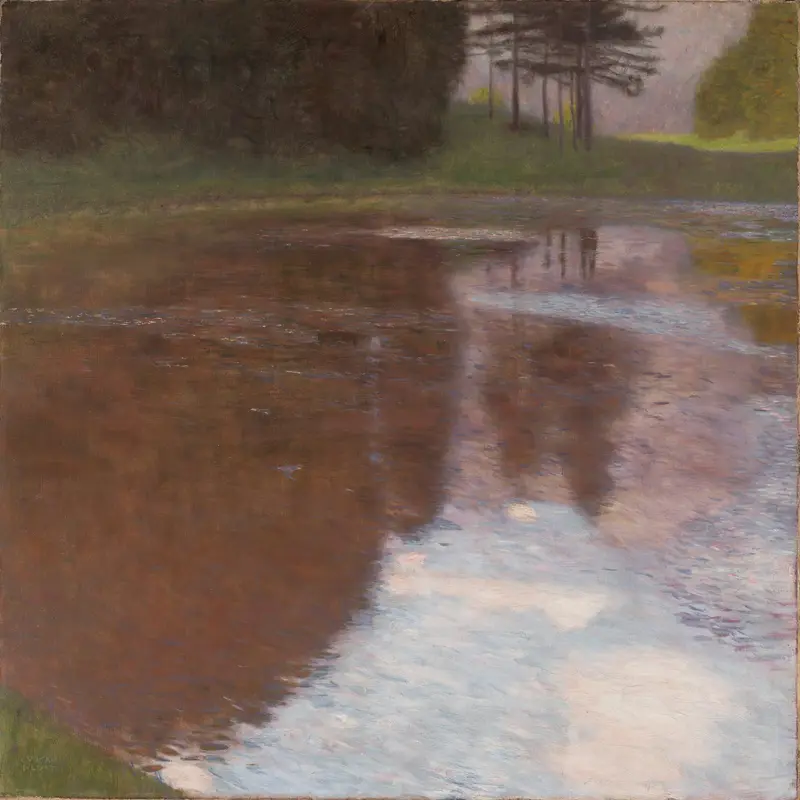
No single painter established Symbolism: the name came from literature, coined by the critic Jean Moréas in 1886, and the National Gallery in London traces the literary branch back to Baudelaire and Rimbaud. Among painters, the Musée d'Orsay calls Gustave Moreau a decisive figure in the movement, and the Hammer Museum calls him an important precursor of both Symbolism and Surrealism. The National Gallery also names Redon, Puvis de Chavannes, Hodler and Klimt among the artists associated with it.
Sources: Tate: Symbolism · National Gallery: Symbolist (glossary) · Musée d'Orsay (Google Arts & Culture) · Hammer Museum: A Strange Magic, Gustave Moreau's Salome
Who are the most famous Symbolist artists?
The Symbolist artists named most often are Gustave Moreau and Odilon Redon in France, Fernand Khnopff and Jean Delville in Belgium and George Frederic Watts in Britain, all listed by Tate, with Pierre Puvis de Chavannes and Ferdinand Hodler, named by the National Gallery in London. Arnold Böcklin painted the Isle of the Dead. The Tretyakov Gallery's magazine calls Mikhail Vrubel the most notable and typical of the Russian Symbolists, and the National Museum in Warsaw calls Jacek Malczewski the main exponent of Polish Symbolism. Klimt's paintings are on our Art Nouveau page, Munch's best-known works on Expressionism.
Sources: Tate: Symbolism · National Gallery: Symbolist (glossary) · Alte Nationalgalerie, Staatliche Museen zu Berlin: Die Toteninsel (German) · The Tretyakov Gallery Magazine: Symbolism and Russian Art · National Museum in Warsaw (Google Arts & Culture) · Ateneum Art Museum (Google Arts & Culture)
What are some famous Symbolist paintings?
Famous Symbolist paintings include Arnold Böcklin's Isle of the Dead, Hugo Simberg's The Wounded Angel, George Frederic Watts's Hope and After the Deluge, Mikhail Vrubel's The Demon Seated and Gustave Moreau's Oedipus and the Sphinx. The Alte Nationalgalerie in Berlin says the Isle of the Dead, spread in countless prints and photographs, became a favorite image of the fin de siècle, and The Wounded Angel was voted Finland's best-loved work of art, the Ateneum says. Oedipus and the Sphinx was the major event of the Paris Salon of 1864, and Harald Sohlberg's Winter Night in the Mountains was voted Norway's national painting in 1995.
Sources: Alte Nationalgalerie, Staatliche Museen zu Berlin: Die Toteninsel (German) · Ateneum Art Museum (Google Arts & Culture) · Tate (Google Arts & Culture) · The Tretyakov Gallery Magazine: Symbolism and Russian Art · Nineteenth-Century Art Worldwide: Interrogating Gustave Moreau's Sphinx (2008) · Nasjonalmuseet: Harald Sohlberg, Winter Night in the Mountains
What is French Symbolism?
French Symbolism is where the movement began: the name was coined in Paris in 1886, and its leading painters were Gustave Moreau, Odilon Redon and Pierre Puvis de Chavannes. Moreau painted myths and Bible stories in obsessive detail; Redon, the Art Institute of Chicago says, drew on the internal world of his imagination, first in black charcoal drawings and lithographs and later in pastel color; Puvis de Chavannes, the leading muralist in France, painted calm scenes in pale, chalky color. The novelist J.-K. Huysmans described Moreau's watercolor The Apparition at length in his novel Against Nature (1884), the Musée d'Orsay notes.
Sources: Tate: Symbolism · Art Institute of Chicago · Art Institute of Chicago: Odilon Redon, Flower Clouds · Art Institute of Chicago · Musée d'Orsay: The Apparition (Google Arts & Culture)
What is the difference between Symbolism and Art Nouveau?
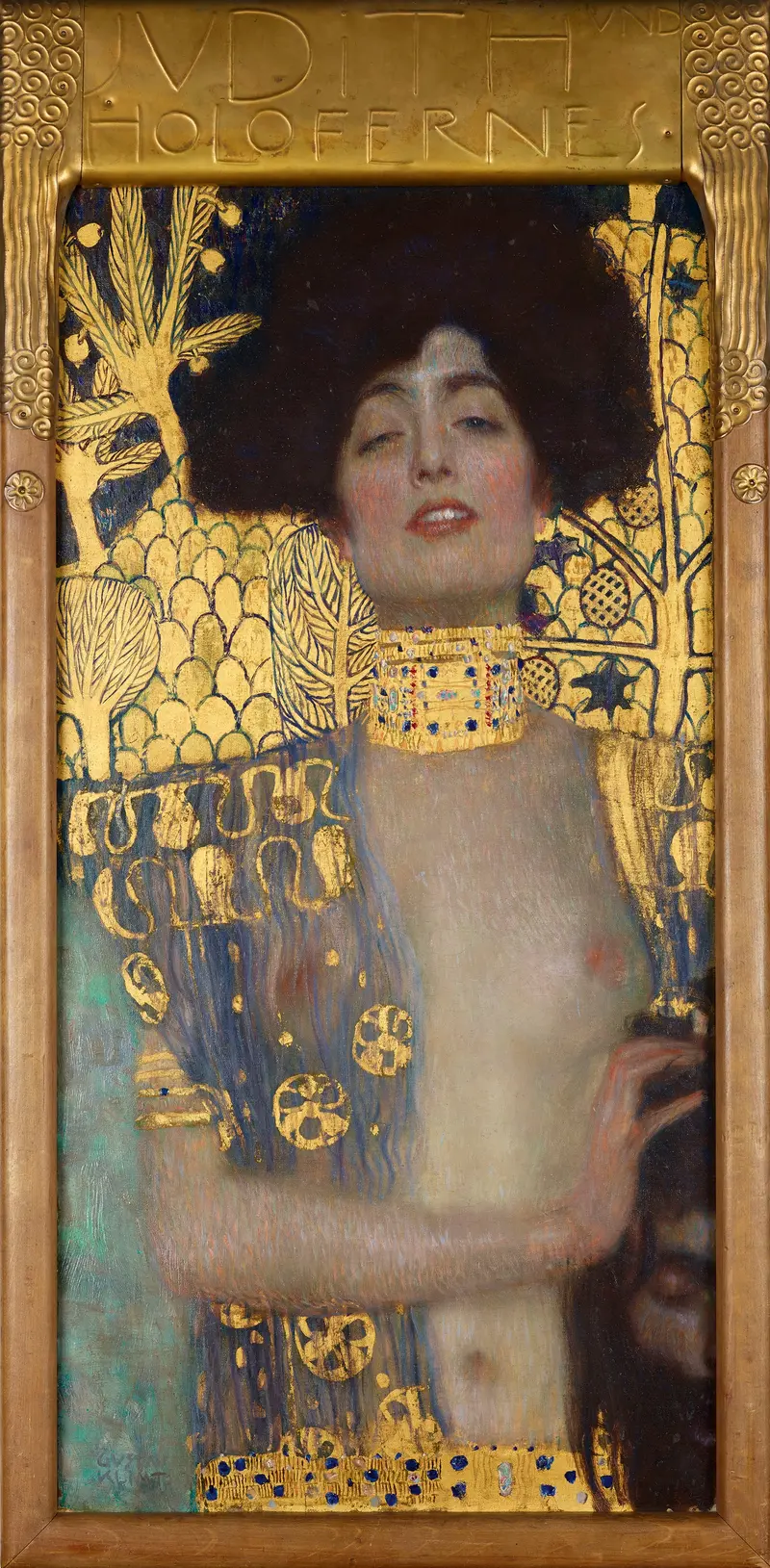
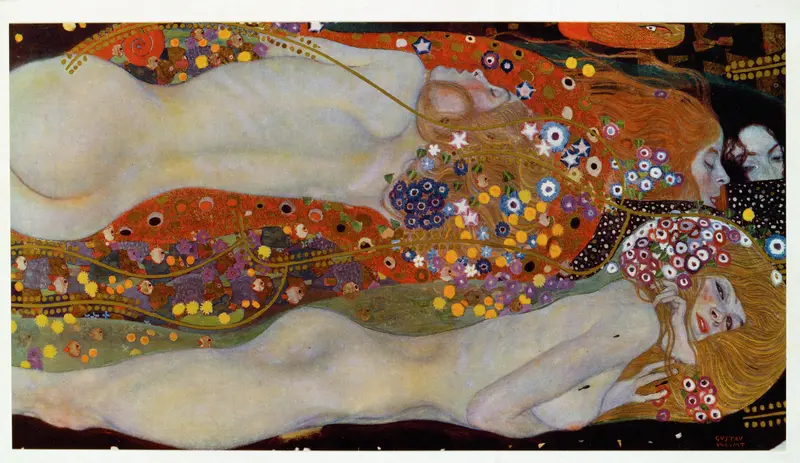
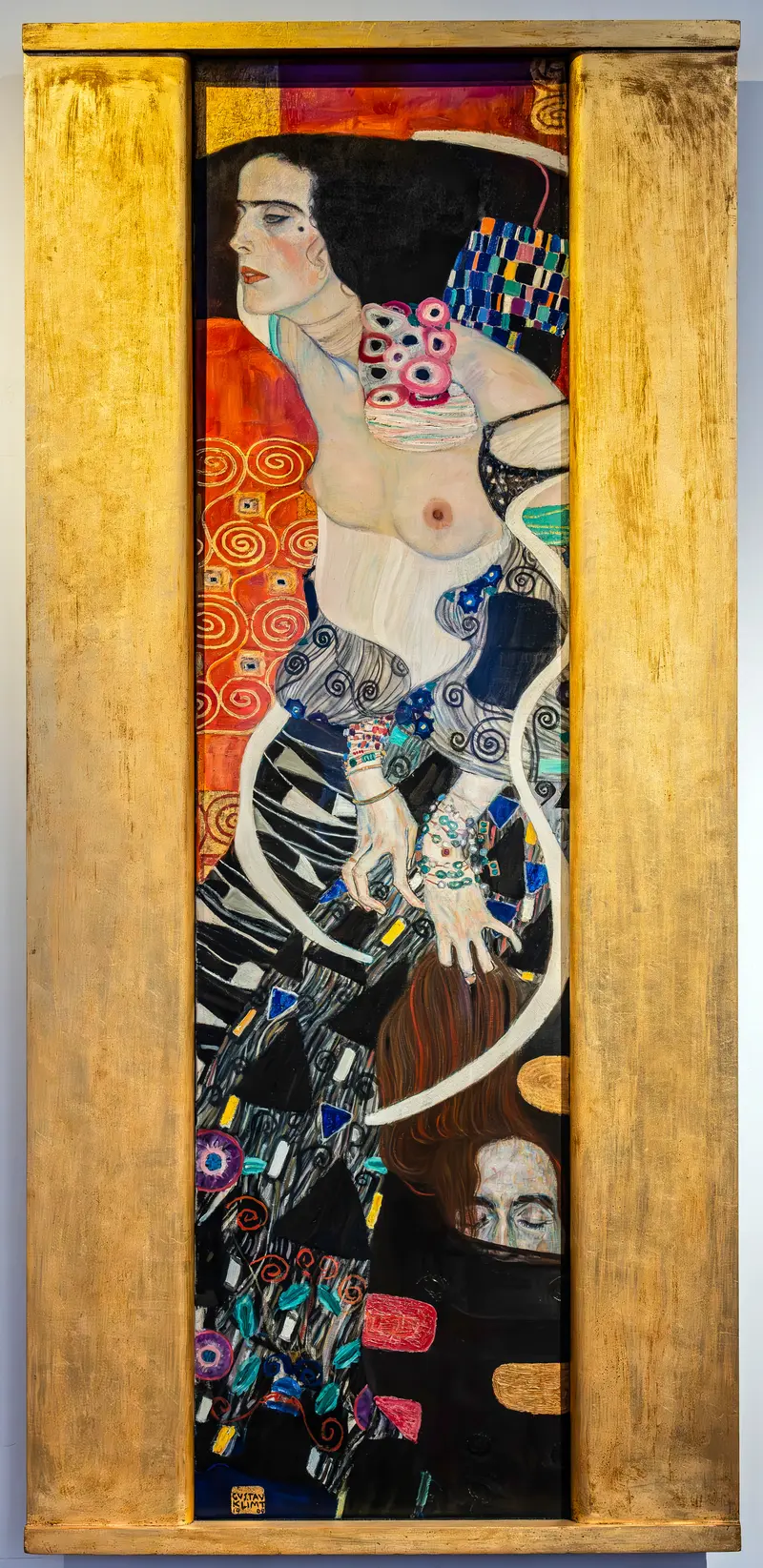
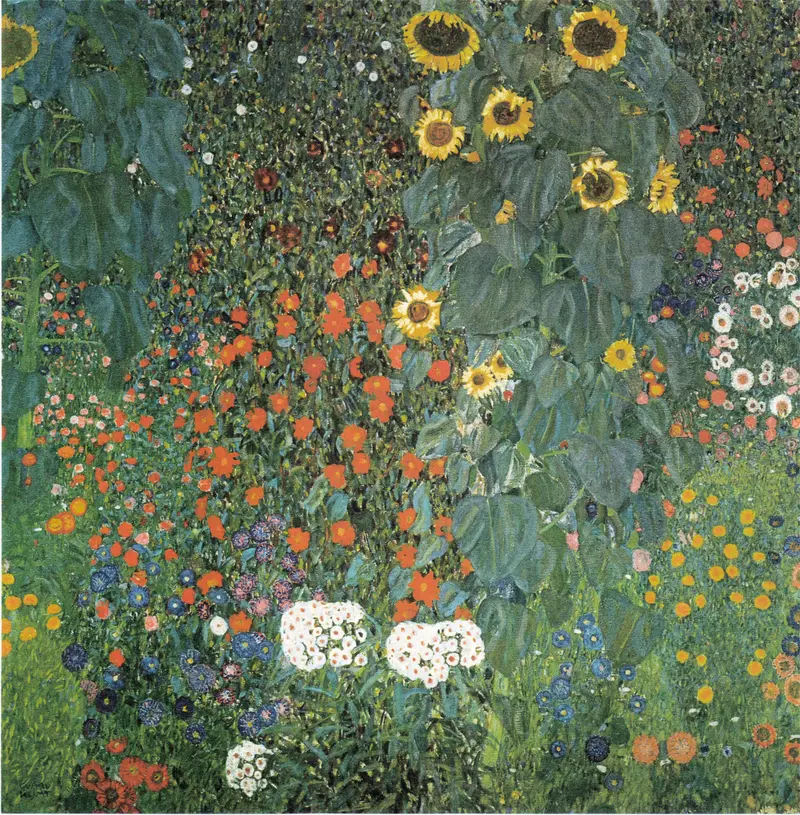
Symbolism was a movement of ideas in painting and poetry; Art Nouveau was a decorative style of sinuous lines and plant-like forms in architecture, design and posters. Tate describes Art Nouveau as a style in architecture and design that ran parallel to Symbolism in fine art: both developed through the 1890s, Art Nouveau reached a wide public at the 1900 Exposition Universelle in Paris, and the First World War ended it. Some artists belong to both: the National Gallery in London counts Gustav Klimt among the Symbolists, and on our site his paintings are on the Art Nouveau page.
Sources: Tate: Art nouveau · National Gallery: Symbolist (glossary)
How are Symbolism and Surrealism related?
Symbolism came first and helped prepare the way for Surrealism, which André Breton defined in his Surrealist Manifesto of 1924. The Getty's art vocabulary records that Symbolism influenced later movements such as Surrealism, and the Hammer Museum calls Gustave Moreau an important precursor to both the Symbolist and the Surrealist movements. Both turned inward, to dreams and the hidden life of the mind: Tate says some Surrealist artists set out to depict dream worlds or hidden psychological tensions.
Sources: Getty AAT: Symbolist · Hammer Museum: A Strange Magic, Gustave Moreau's Salome · Tate: Surrealism
What is the difference between Symbolism and Impressionism?
Impressionism painted what the eye sees, especially changing light and modern life; Symbolism painted what the mind imagines. Tate says the Symbolists rejected the realistic depiction of the natural world seen in Impressionism, Realism and Naturalism in favor of imaginary dream worlds. In other words, the Impressionists recorded the world in front of them, and the Symbolists painted ideas, myths and moods that no one could see.
Sources: Tate: Symbolism
How did Symbolism lead to Expressionism?
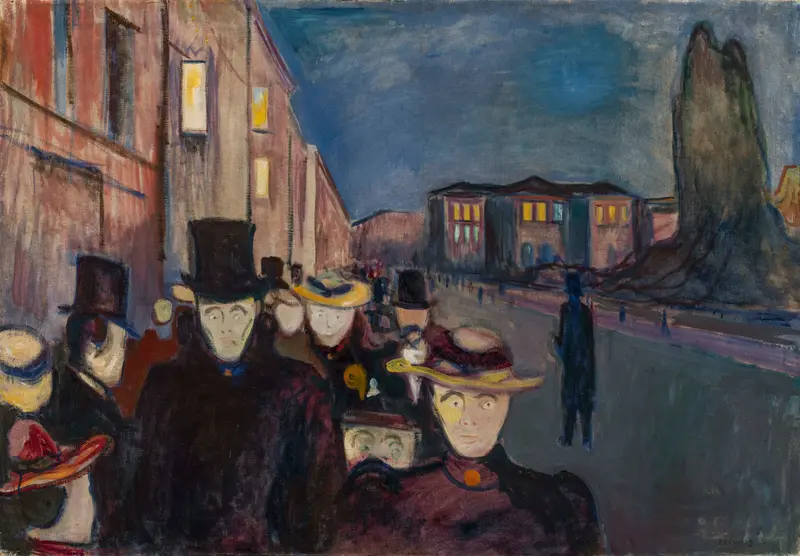
Symbolism fed into Expressionism above all through Edvard Munch, who lived in France around 1890. Norway's National Museum links his Night in Saint-Cloud of 1890 to his note “I paint not what I see but what I saw,” which marked his distance from the accurate depictions of Realism, and Tate says the German Expressionists took cues from the dramatic paintings of Van Gogh and Munch. Munch's best-known works, such as The Scream, are on our Expressionism page.
Sources: Nasjonalmuseet: Edvard Munch, Night in Saint-Cloud · Tate: Expressionism
Is Symbolism the same as symbolism in a painting?
Not quite. Symbolism with a capital S is the art movement of the 1880s and 1890s on this page, whose painters tried to express ideas and moods rather than describe the visible world. Symbols in paintings are much older: the Alte Nationalgalerie notes that artists have painted self-portraits with a memento mori, a reminder of death, since time immemorial, and Böcklin used that old idea in his Self-Portrait with Death Playing the Fiddle of 1872.
Sources: Tate: Symbolism · Alte Nationalgalerie, Berlin (Google Arts & Culture)
Where can you see famous Symbolist paintings?
Many famous Symbolist paintings are in Paris, Helsinki, Berlin, Oslo and Moscow. The Musée d'Orsay holds Moreau's The Apparition and Orpheus; the Ateneum in Helsinki, Simberg's The Wounded Angel and Gallen-Kallela's Lemminkäinen's Mother; the Alte Nationalgalerie in Berlin, Böcklin's Isle of the Dead; Norway's National Museum, Sohlberg's Winter Night in the Mountains; and the Tretyakov Gallery, Vrubel's The Demon Seated and The Swan Princess. Tate Britain has Watts's Hope, the Metropolitan Museum of Art Moreau's Oedipus and the Sphinx, and the Art Institute of Chicago Puvis de Chavannes's The Sacred Grove.
Sources: Musée d'Orsay: The Apparition (Google Arts & Culture) · Musée d'Orsay (Google Arts & Culture) · Ateneum Art Museum (Google Arts & Culture) · Ateneum Art Museum (Google Arts & Culture) · Alte Nationalgalerie, Staatliche Museen zu Berlin: Die Toteninsel (German) · Nasjonalmuseet: Harald Sohlberg, Winter Night in the Mountains · The Tretyakov Gallery Magazine: Mikhail Vrubel (catalogue) · Tate (Google Arts & Culture) · Watts Gallery: After the Deluge · Metropolitan Museum of Art · Art Institute of Chicago
Is Symbolist art in the public domain, and can I download it free?
Yes. Every painter featured on this page died by 1944, so their paintings are in the public domain in the United States and in countries where copyright ends 70 years after the artist's death. You can download them free and use them for anything, including commercial projects. A few countries have their own rules on photographs of artworks, so check them if you publish outside the U.S.
Sources: Cornell University Library: Copyright Term and the Public Domain
How we chose the famous paintings
The famous paintings on this page are the Symbolist paintings known most widely around the world, measured by the number of languages that have an encyclopedia entry about each one, checked in November 2026. No painter has more than three of them, which is why Moreau's Salome Dancing before Herod and Hercules and the Lernaean Hydra appear in a row further down, and each must be in our catalogue as the work itself, not a print, a framed photograph or another version.
We include only works that the holding museum, Wikidata or our own catalogue classes as Symbolist. Gustav Klimt's paintings are on our Art Nouveau page, Gauguin's on Post-Impressionism, and Munch's best-known works, such as The Scream, on Expressionism; the Munch paintings here are early works filed under Symbolism.
Dates, sizes and locations come from the museums' own records and from Wikidata.
Spotted a mistake? Tell us and we will correct it.