Isbjerge — History & Facts
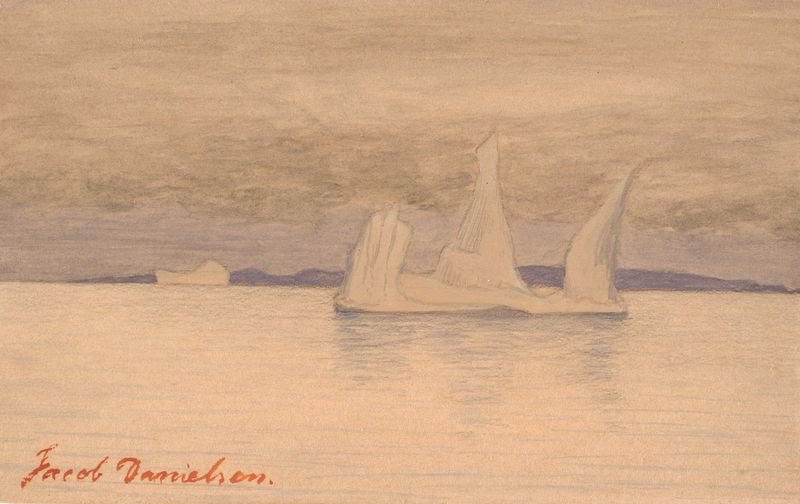
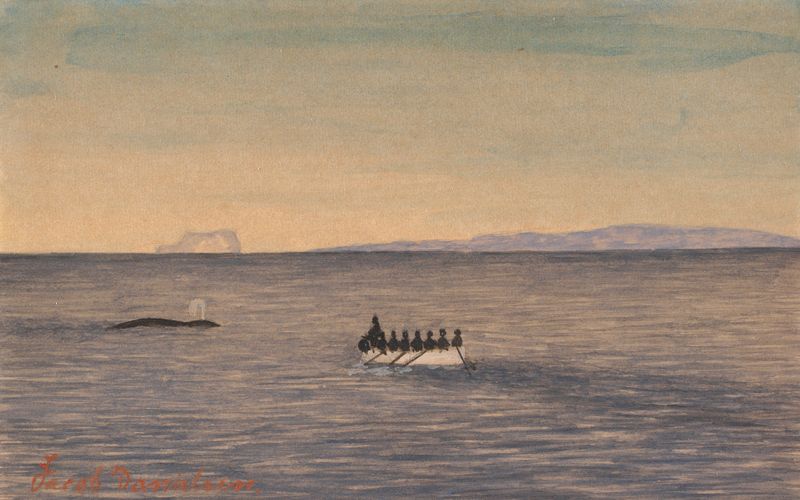
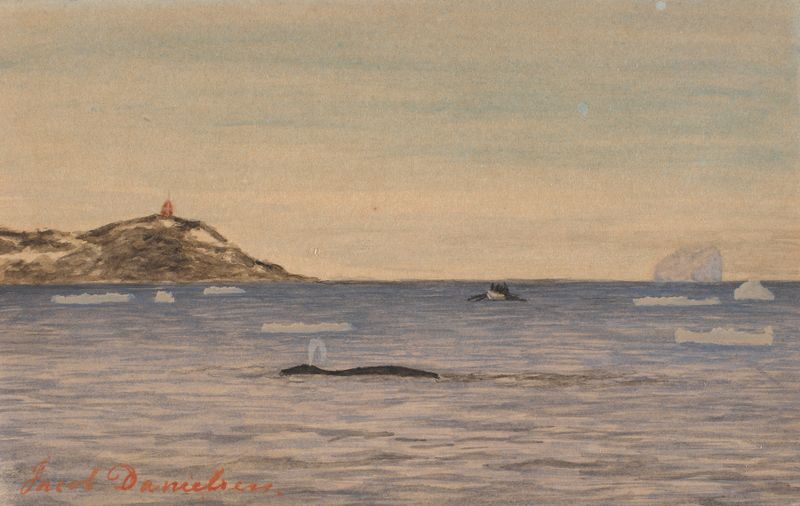
In the stillness of light and shadow, a conversation unfolds—one that asks us to look deeper and question what lies beneath the surface. Focus on the interplay of shadows within Isbjerge. The icy blues and whites dominate the canvas, yet the darker undertones whisper of hidden depths. The jagged forms resemble monumental icebergs, rising against a stark backdrop, inviting the viewer to explore the tension between their grandiosity and the fragility encapsulated in their shadows.
Notice how the light plays across the peaks, illuminating some while casting others into a profound darkness, creating a visual dialogue that speaks of duality. Beyond the surface, this artwork grapples with themes of isolation and resilience. The contrasting shades suggest the duality of nature—beauty intertwined with danger. Each shadow conceals not just absence but potential; they hint at the unseen mysteries lurking beneath the icy veneer.
In this way, the piece compels us to reflect on our own existence—how we, too, navigate between light and darkness, revealing and concealing our true selves. During the late 20th century, Jacob Danielsen created Isbjerge amidst a growing movement in art that sought to explore abstract expressionism and its relationship with the natural world. This period was marked by a push against traditional forms, as artists began to embrace emotion and conceptual depth. Danielsen’s work emerged during this transformative era in Denmark, offering a powerful commentary on the complexities of existence, resonating with a world grappling with change and uncertainty.