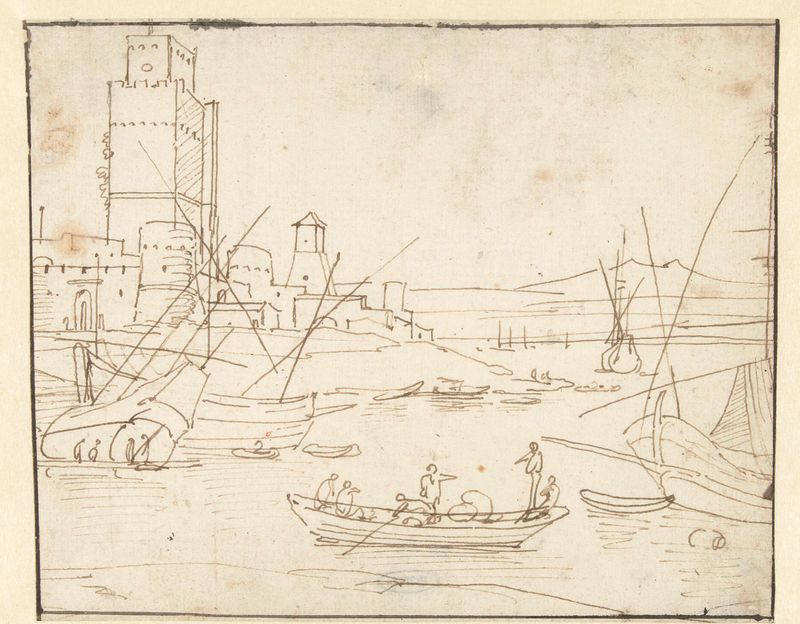
Italiaans landschap met ruïnes — History & Facts
In the delicate interplay of light and shadow, the interplay of ruins and nature reveals the poignant truth of mortality, reminding us that nothing is everlasting. Look to the left at the crumbling stone structures, their jagged edges softened by the warm embrace of sunlight. The gentle hues of ochre and sienna contrast with the vibrant greens of the surrounding foliage, drawing your eye to the harmonious coexistence of decay and life. Notice how the artist meticulously layers the brushstrokes, creating a textured landscape that invites contemplation, as if the viewer could step into this moment and breathe in the stillness. As you gaze deeper, consider the juxtaposition of the ruins against the verdant scenery: a silent testament to the passage of time.
The ruins stand not just as remnants of the past, but as captivating symbols of beauty intertwined with transience. Each fragment whispers stories of bygone eras, evoking a bittersweet nostalgia that lingers in the air—a reminder that life is fleeting, even in its most picturesque forms. Abraham Casembroot painted this work between 1650 and 1675, a period marked by a growing interest in landscape painting and the exploration of light and atmosphere. Operating in the Netherlands, he captured the allure of Italian scenery during a time when artists sought to escape the constraints of traditional subjects.
This piece reflects not only his technical prowess but also the emotional depth that emerges when contemplating the ephemeral nature of existence.