
Italian Hill Town — History & Facts
Can paint confess what words never could? In Italian Hill Town, the canvas becomes a poignant whisper of loss, evoking emotions that linger just beneath the surface. Look to the lower left corner, where the vibrant terracotta rooftops cradle the soft greens of the surrounding hills. The interplay of light and shadow dances across the landscape, highlighting the gentle curves of the terrain and the delicate architecture that clings to its slopes. Each brushstroke captures the essence of a serene moment, yet hints at an underlying melancholy within the tranquil beauty. Amidst the idyllic scenery, the empty streets and shuttered windows beckon a sense of solitude and longing.
The muted palette of blues and ochres suggests a world steeped in nostalgia, contrasting with the vibrant life that once animated these spaces. This tension between the lively past and the quiet present encapsulates grief, allowing the viewer to feel the absence that echoes like a soft sigh through the town’s winding paths. In 1925, Arthur Bowen Davies painted this work during a time of personal reflection. After the disillusionment of the First World War and a shifting art scene, he sought solace in the landscapes of Italy, exploring themes of memory and loss.
His journey through the picturesque villages allowed him to translate his grief into a visual language, forever capturing the delicate balance between joy and sorrow in the heart of a silent hill town.
More Artworks by Arthur Bowen Davies
Browse all →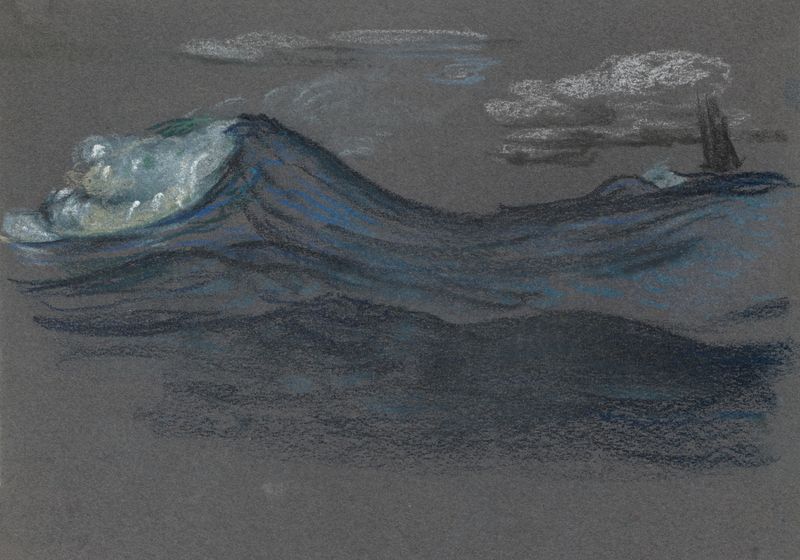
Ocean Swells
Arthur Bowen Davies

Silver Springs
Arthur Bowen Davies
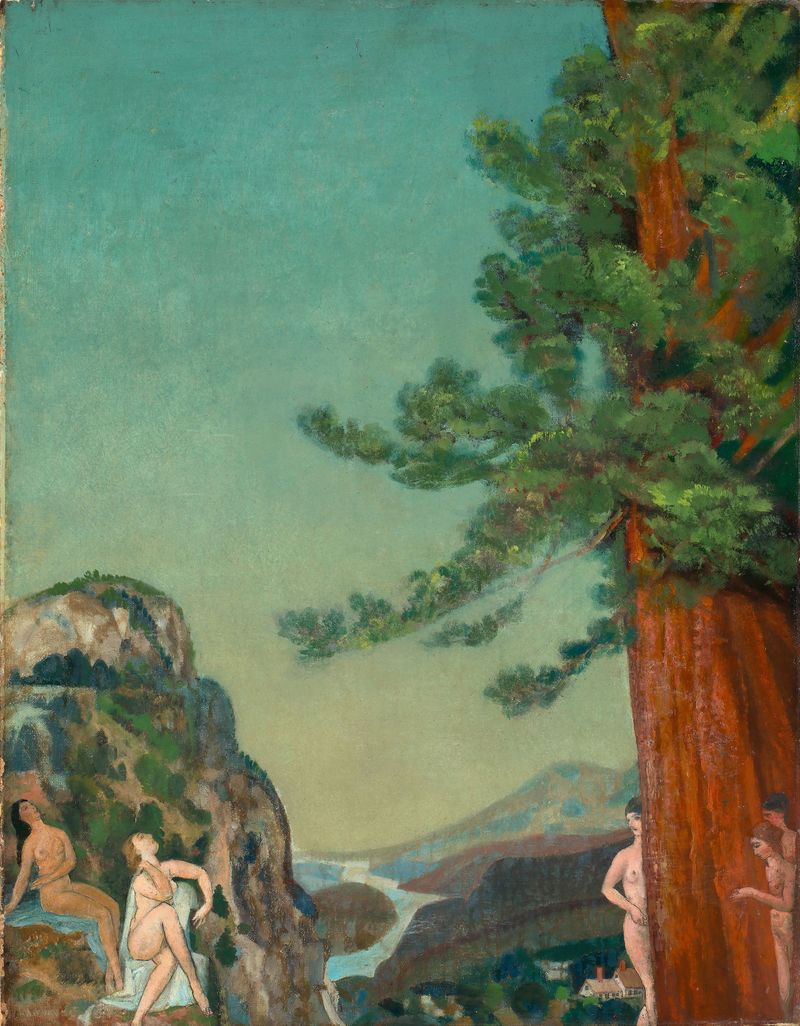
On the Cliffs
Arthur Bowen Davies
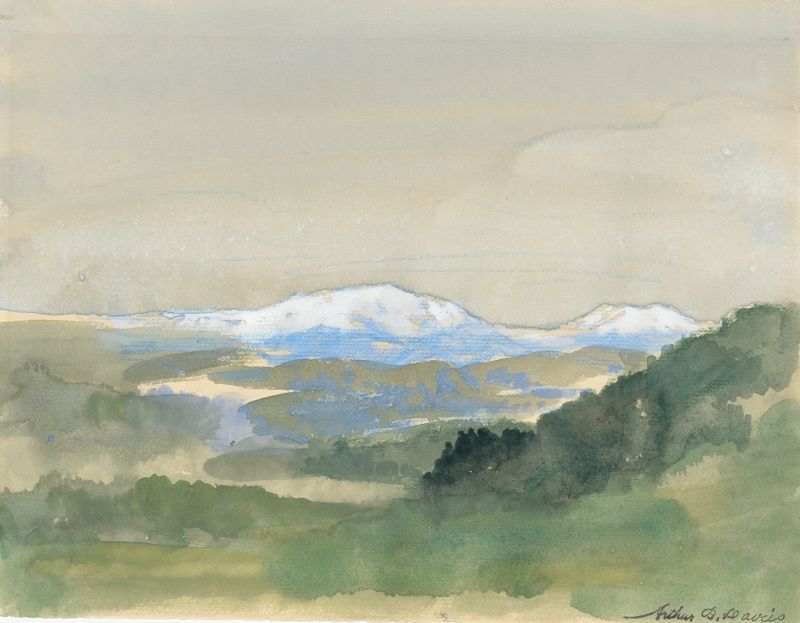
Landscape
Arthur Bowen Davies
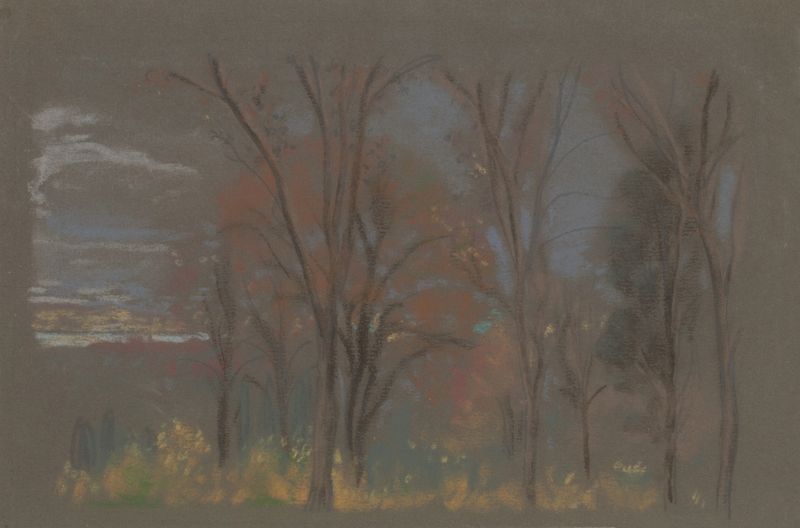
Autumn Woods
Arthur Bowen Davies

View through Poplars
Arthur Bowen Davies
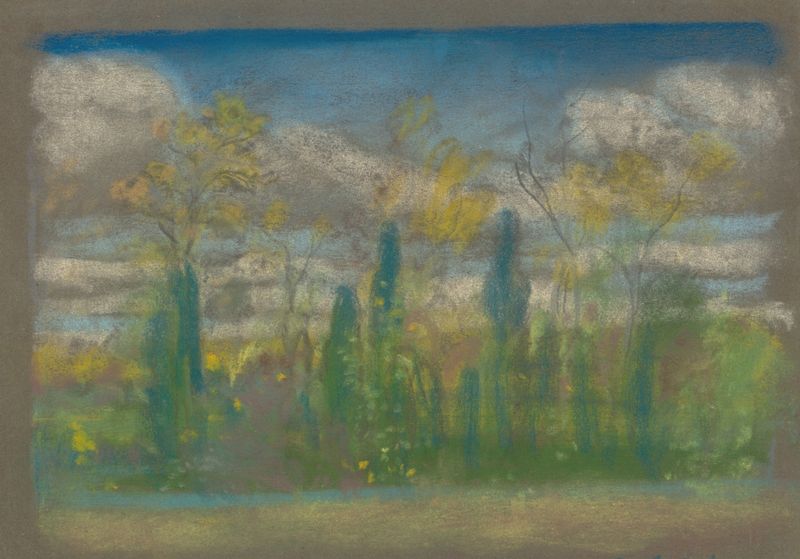
Spring
Arthur Bowen Davies
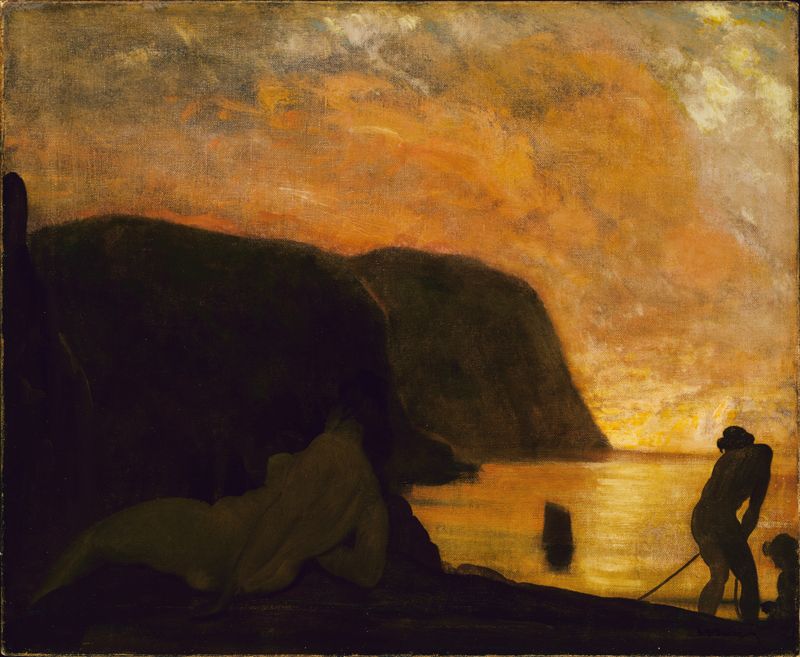
A Greater Morning
Arthur Bowen Davies

The Lake
Arthur Bowen Davies
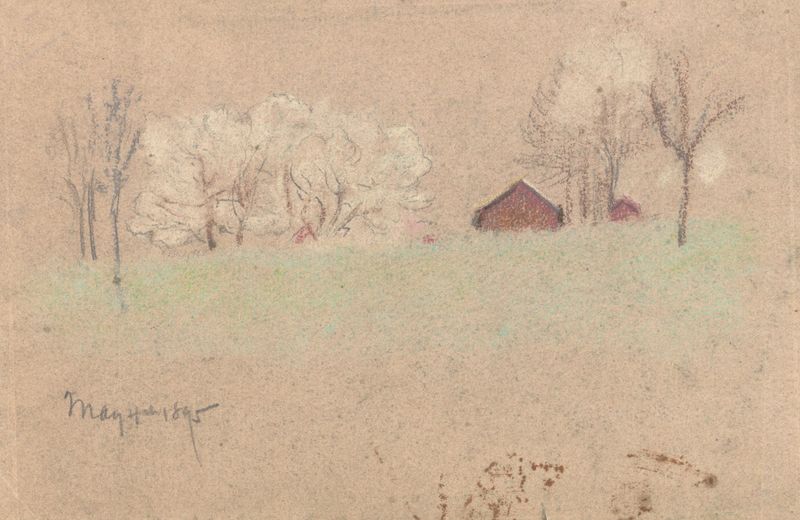
The Red Barn
Arthur Bowen Davies





