
Silver Springs — History & Facts
In the haunting stillness of Silver Springs, emptiness resonates deeply, inviting contemplation and reflection on what has been lost and what remains unsaid. Look to the center of the canvas, where an ethereal landscape unfolds, bathed in soft, silvery light. The gentle curves of the hills, coupled with the delicate brushwork, create a sense of fluidity and tranquility. Notice how the palette oscillates between cool blues and muted greens, imbuing the scene with an otherworldly quality.
The absence of defined figures magnifies the emotion, drawing the viewer into an intimate dialogue with the vastness before them. Yet, amidst this tranquility lies a poignant tension. The shimmering surface of the water hints at deeper, unacknowledged currents — perhaps the weight of nostalgia or a longing for connection. The sparse composition evokes a sense of solitude, as if the landscape itself is a reflection of an inner emptiness, a space waiting to be filled.
Each brushstroke seems to whisper a memory, suggesting that beauty often exists in the silence of absence. In 1910, Arthur Bowen Davies painted this work during a period when he sought to forge a unique path within the American art scene. Emerging from the influence of Symbolism, he aimed to capture not just physical landscapes but emotional landscapes as well. At this time, he was exploring themes of nature and transcendence, reflecting a world grappling with rapid change and the search for deeper meaning.
More Artworks by Arthur Bowen Davies
Browse all →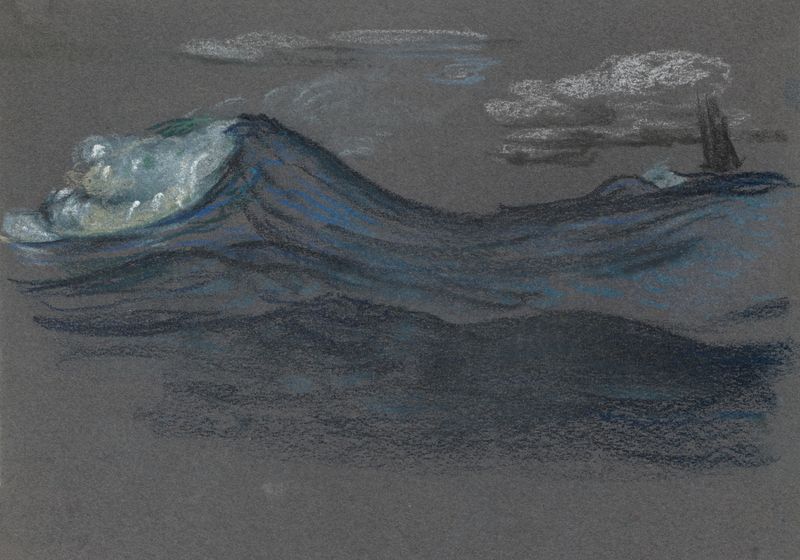
Ocean Swells
Arthur Bowen Davies
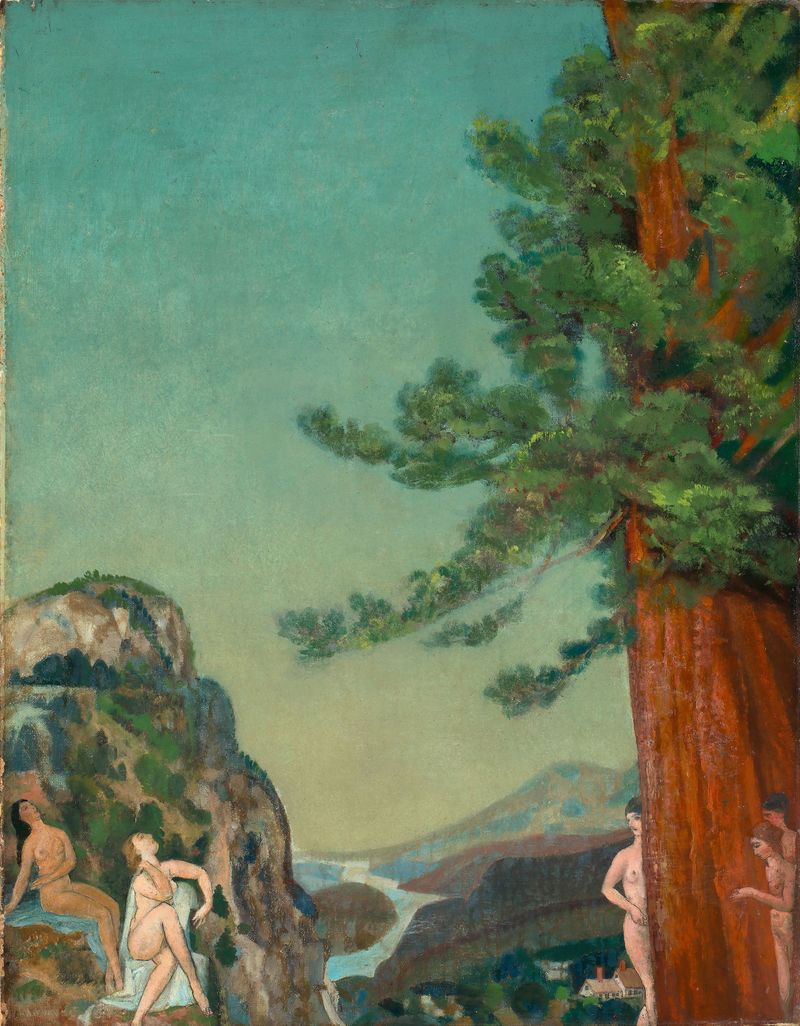
On the Cliffs
Arthur Bowen Davies
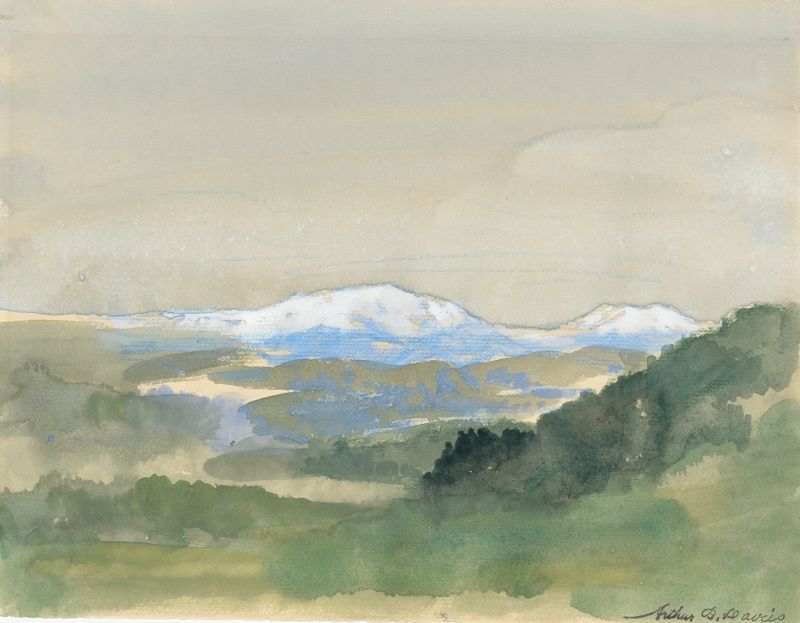
Landscape
Arthur Bowen Davies
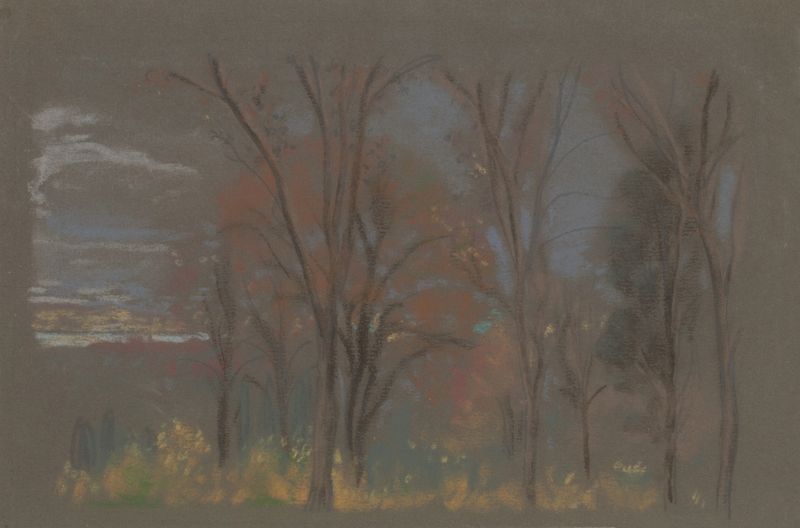
Autumn Woods
Arthur Bowen Davies

Italian Hill Town
Arthur Bowen Davies

View through Poplars
Arthur Bowen Davies
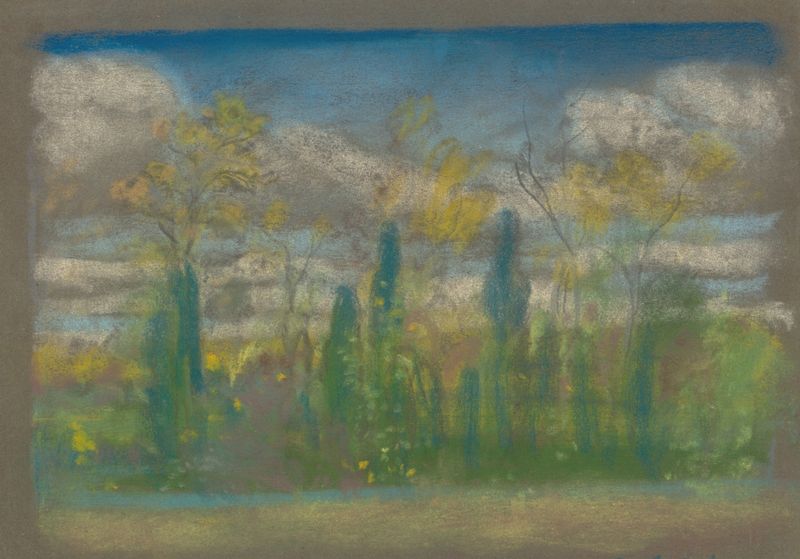
Spring
Arthur Bowen Davies
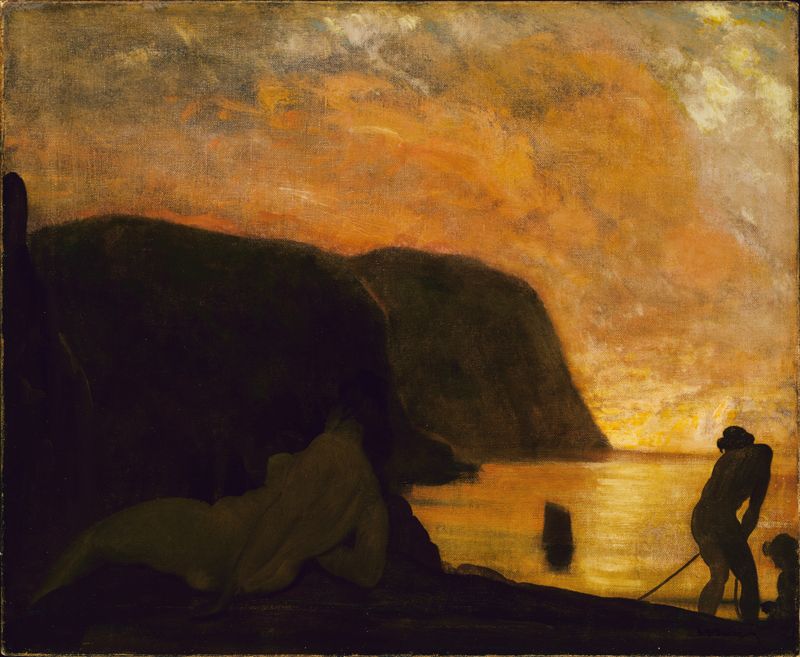
A Greater Morning
Arthur Bowen Davies

The Lake
Arthur Bowen Davies
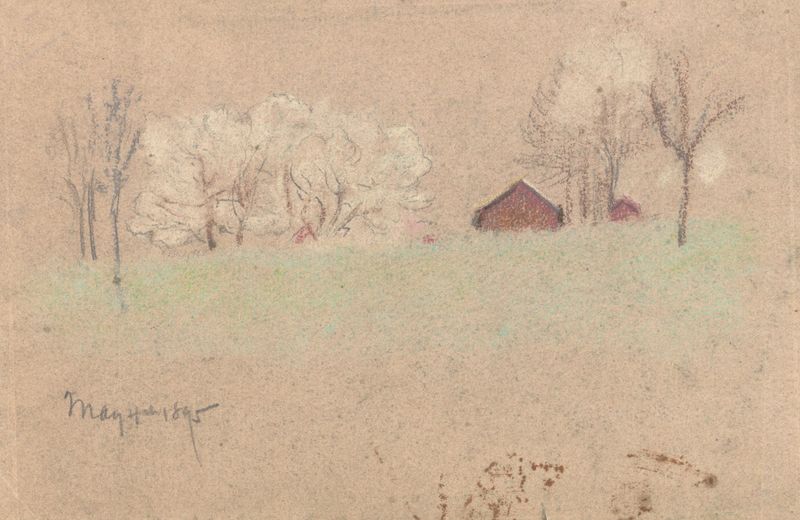
The Red Barn
Arthur Bowen Davies





