
Italian Landscape — History & Facts
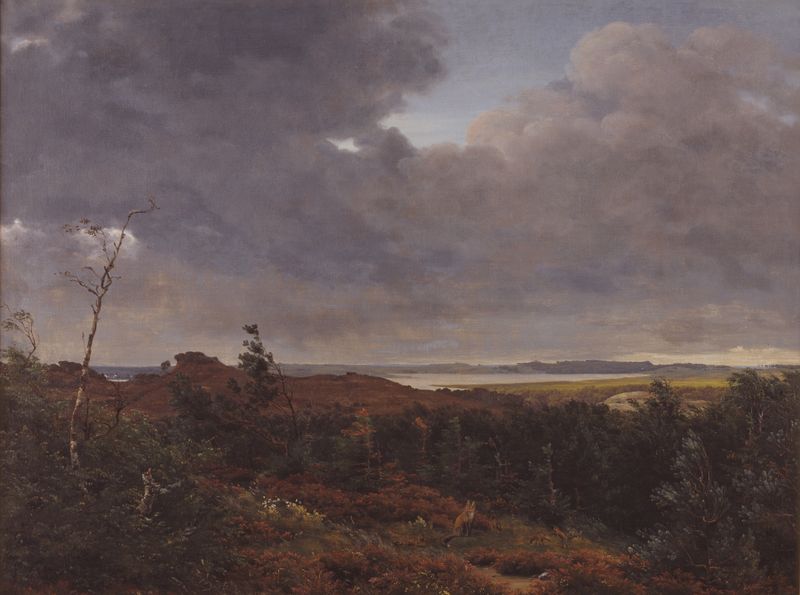
The allure of a landscape can mask the turmoil hidden within its depths, a duality that beckons us closer yet warns us to tread lightly. Focus first on the golden hues that bathe the rolling hills, where the sun’s warm embrace creates a deceptive tranquility. The vibrant greens and earthy browns create an inviting scene, yet beneath the surface, shadows linger like unspoken tensions. Notice how the delicate brushstrokes blend to create an almost surreal quality, inviting you to wander deeper into the composition while hinting at the struggle of nature itself. The juxtaposition of serene beauty and underlying violence becomes clear as you examine the rugged terrain.
Look closely at the darker patches nestled among the hills, where chaos threatens to break through the calm facade. This tension between light and dark speaks to nature's dual identity, where every tranquil moment can harbor the potential for upheaval and destruction. The composition invites viewers to reflect on their own experiences, acknowledging that beauty often carries the weight of hidden sorrow. P.
C. Skovgaard painted Italian Landscape in 1854 during his time in Italy, where he was deeply influenced by the Romantic movement. This period was marked by an exploration of emotional depth in art, as artists sought to capture the sublime and the tumultuous aspects of nature.
Skovgaard's works often reflect his fascination with the interplay of light and shadow, and this painting stands as a testament to his mastery in revealing the complexity of beauty intertwined with violence.
More Artworks by P. C. Skovgaard
Browse all →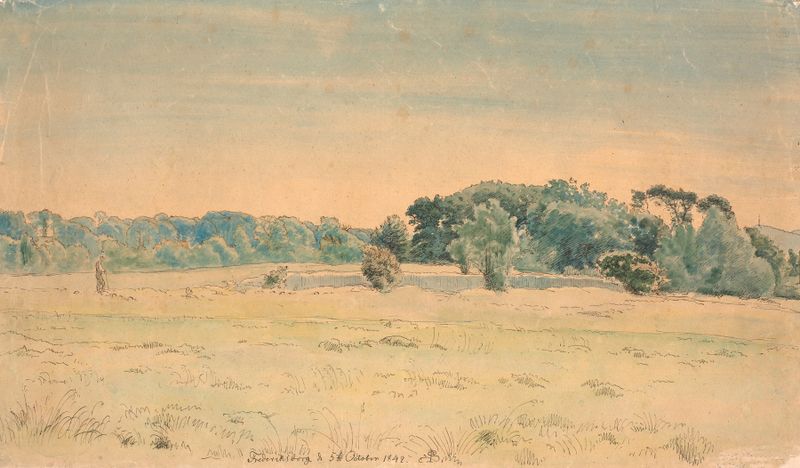
Landskab fra Frederiksborg
P. C. Skovgaard
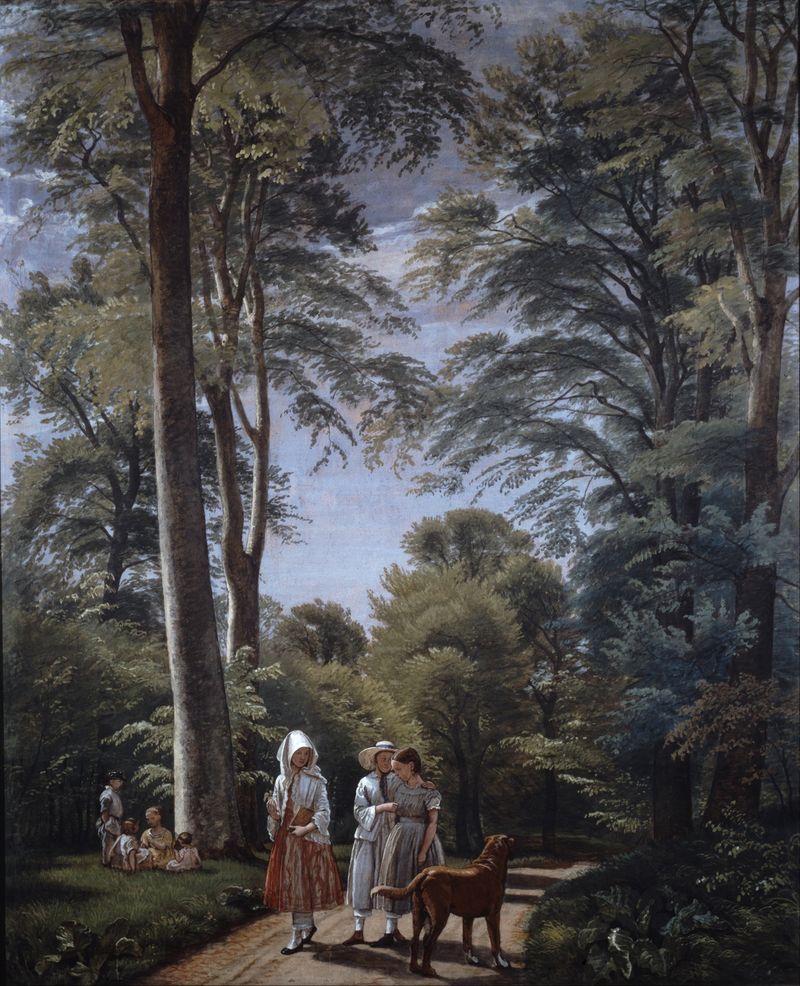
Beech Wood in May
P. C. Skovgaard
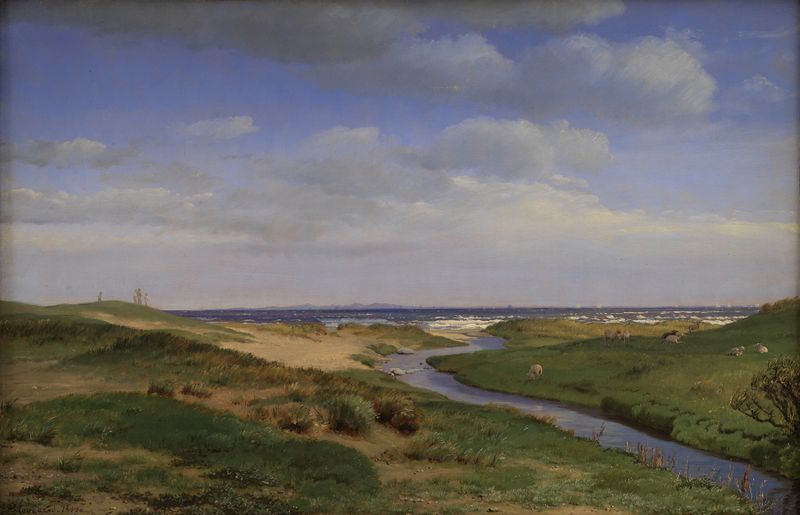
View of the North Coast of Zealand at Dronningmølle
P. C. Skovgaard
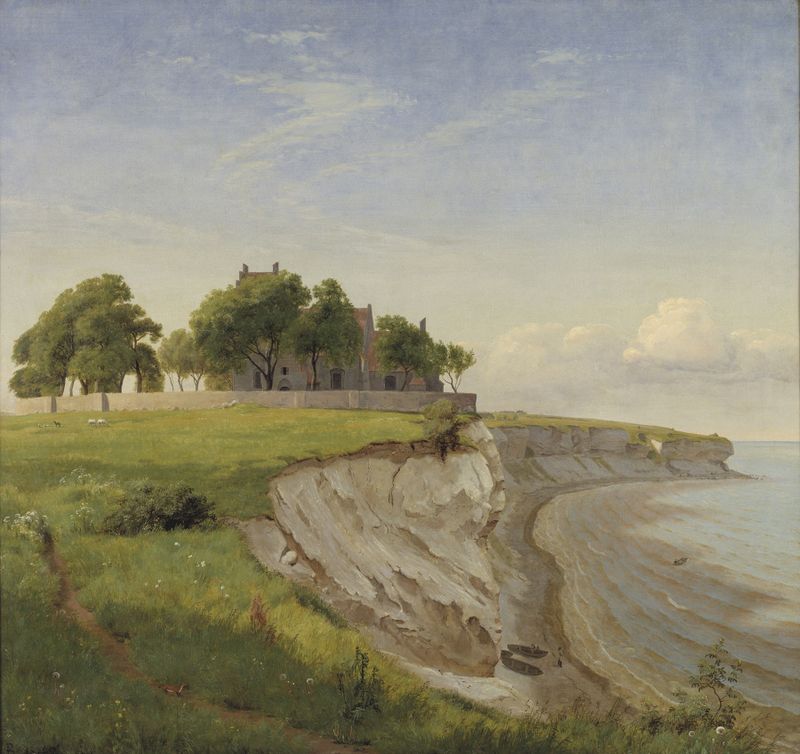
Højerup Church on the Cliffs of Stevns, Zealand
P. C. Skovgaard
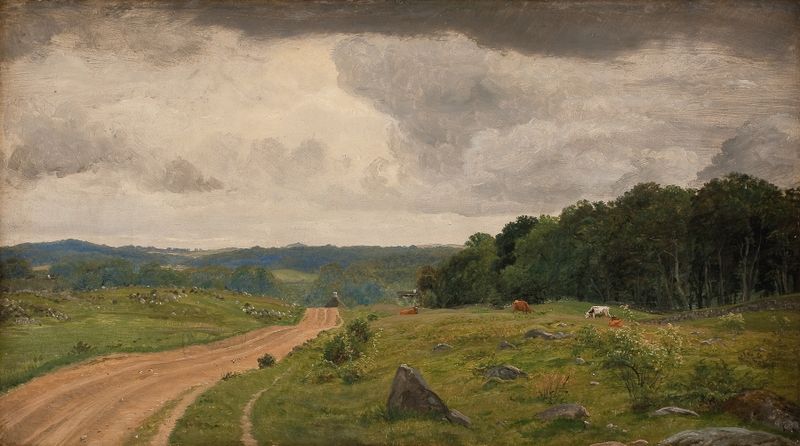
Landscape at Kongens Møller, Sealand. Afternoon Light
P. C. Skovgaard
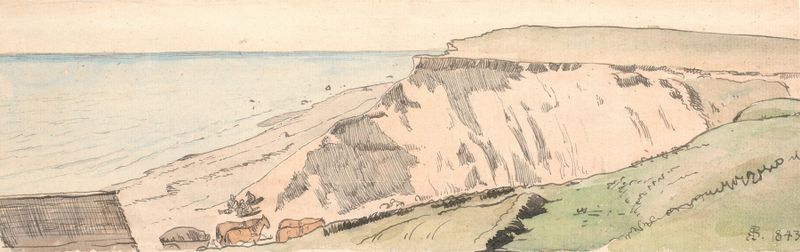
Kløften ved Helenes kilde i Tisvilde
P. C. Skovgaard
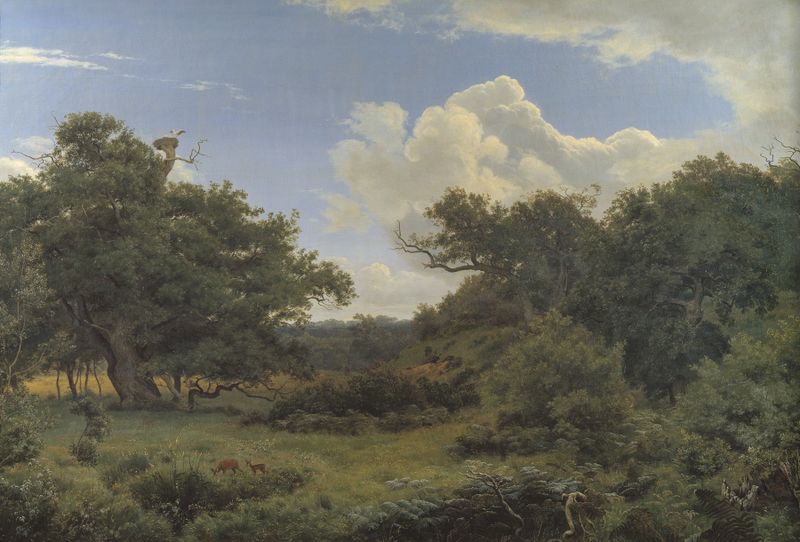
Oak Trees in Nordskoven near Jægerspris, Zealand
P. C. Skovgaard
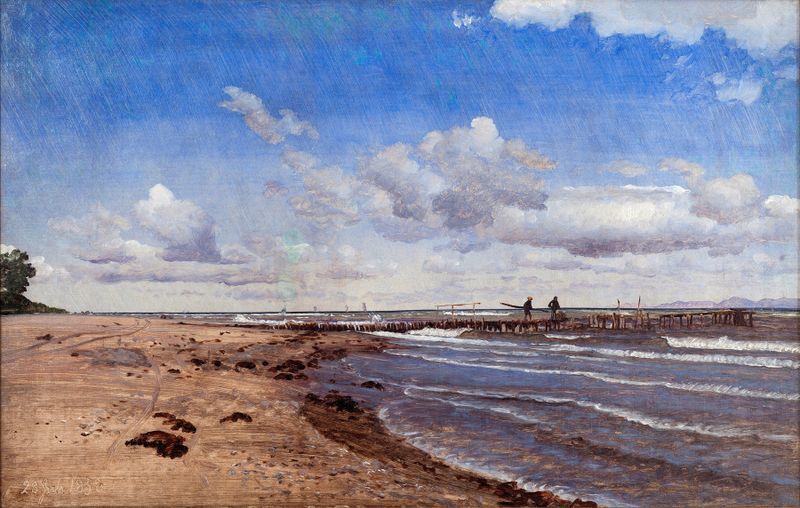
Beach at Hellebæk
P. C. Skovgaard
View of Frederiksværk from Tisvilde Wood, North Zealand
P. C. Skovgaard
Landskab ved Skarritsø med to høje træer, bøge, i forgrunden
P. C. Skovgaard





