
Italy Goes to War — History & Facts
A restless energy seems to ripple through Italy Goes to War, drawing the viewer into a world where form and chaos wrestle for dominance. The watercolor’s modest scale belies its intensity: jagged black lines carve across the surface, while bursts of red, yellow, and green seem to flare up like warning signals or sudden explosions. The eye is pulled from left to right, following the undulating grey forms that suggest both landscape and living presence—perhaps a profile, perhaps a battlefield, but always on the verge of dissolving into abstraction.
Each color patch feels purposeful: the red and yellow at the right edge bristle with urgency, while the black dots and smudges punctuate the scene like the aftermath of violence. Created in 1941, Arthur Dove’s work belongs to a world shadowed by global conflict, where artists sought new languages to grapple with upheaval. Dove, a pioneer of American abstraction, often used watercolor for its immediacy and fluidity, allowing him to capture both the violence and the uncertainty of his era. The title anchors the work in a specific historical moment, yet the painting resists narrative clarity—like much modernist art of the early 1940s, it reflects the anxieties and fractured realities of a world at war.
Now part of the Avery Galleries collection in Bryn Mawr, Pennsylvania, this small but charged piece invites viewers to look again, to find new meanings in its restless forms and urgent colors.
More Artworks by Arthur Dove
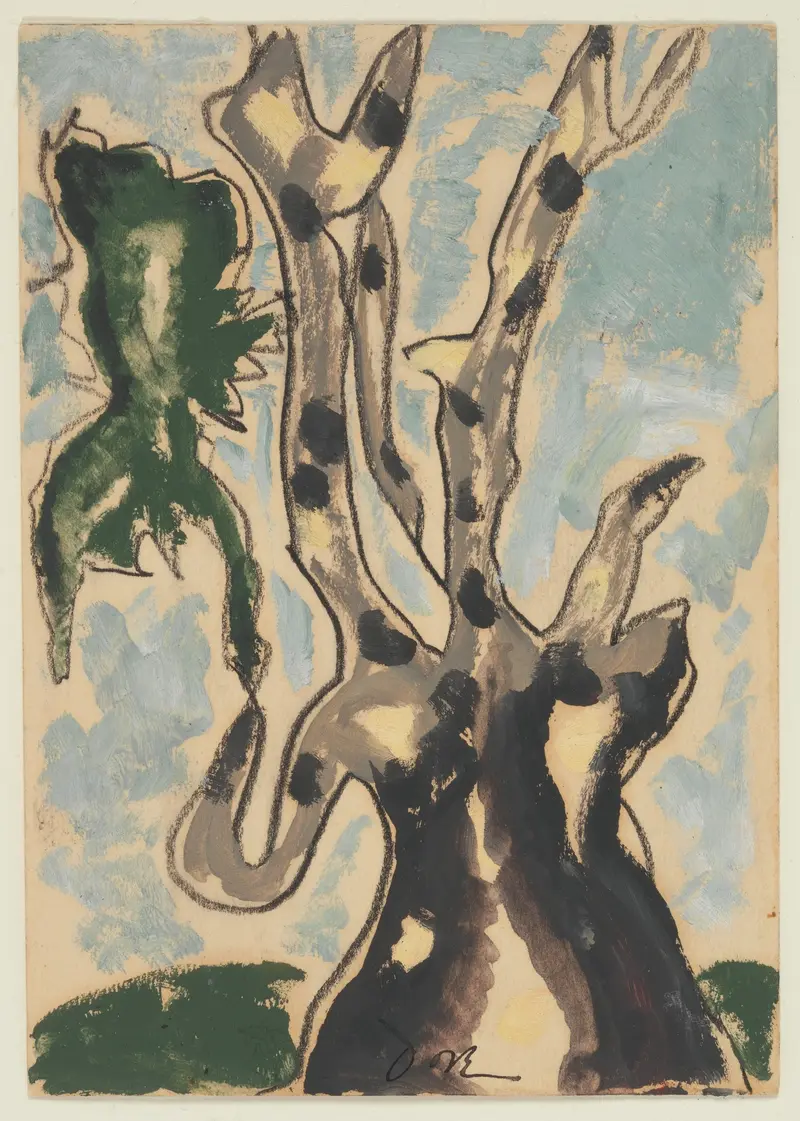
Sycamore
Arthur Dove

Out the Window
Arthur Dove
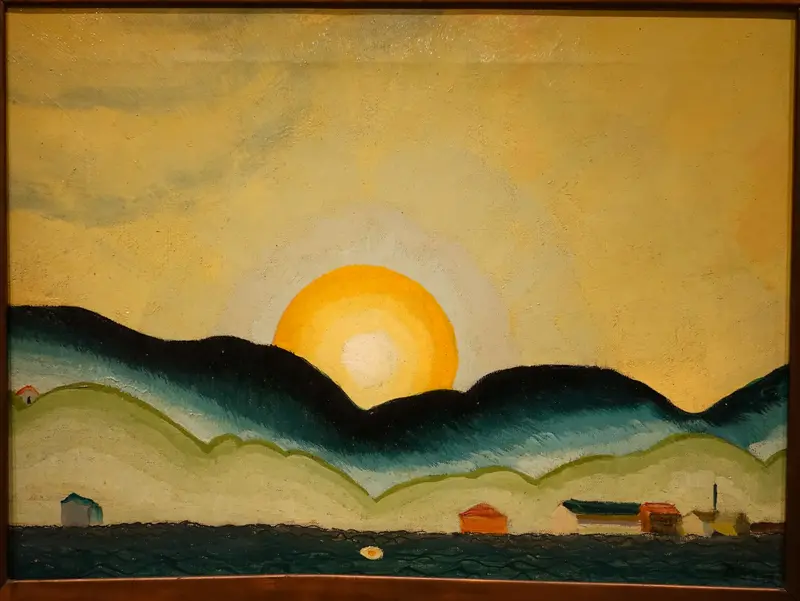
Northport Harbor
Arthur Dove

George Gershwin–‘Rhapsody in Blue,’ Part I
Arthur Dove
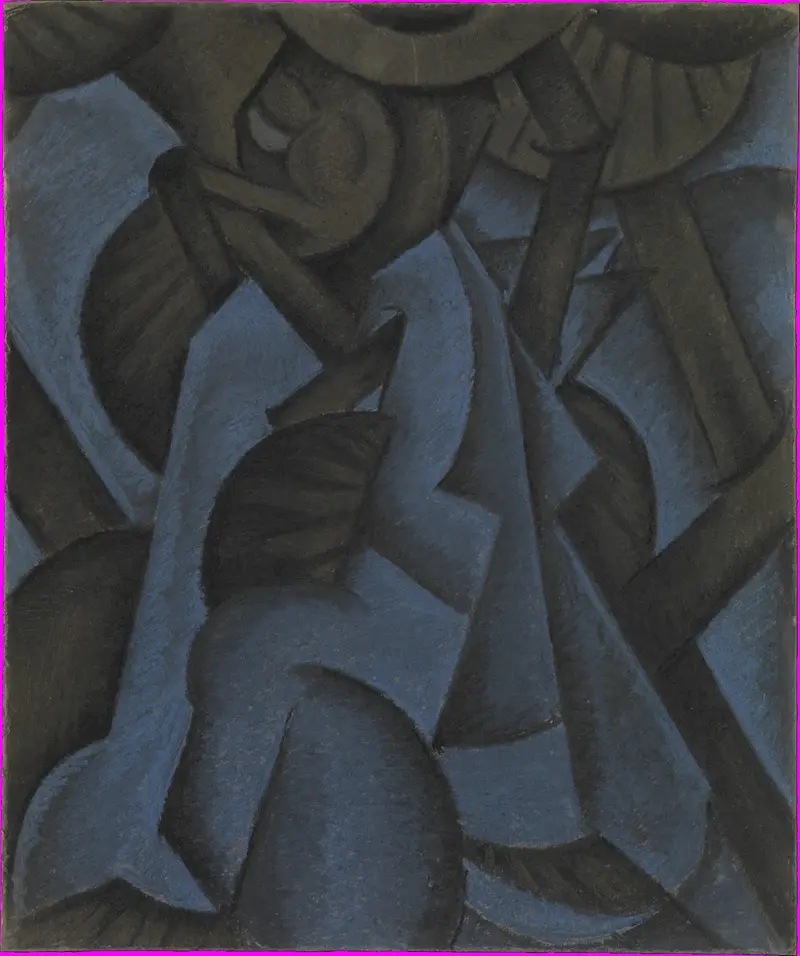
Pagan Philosophy
Arthur Dove
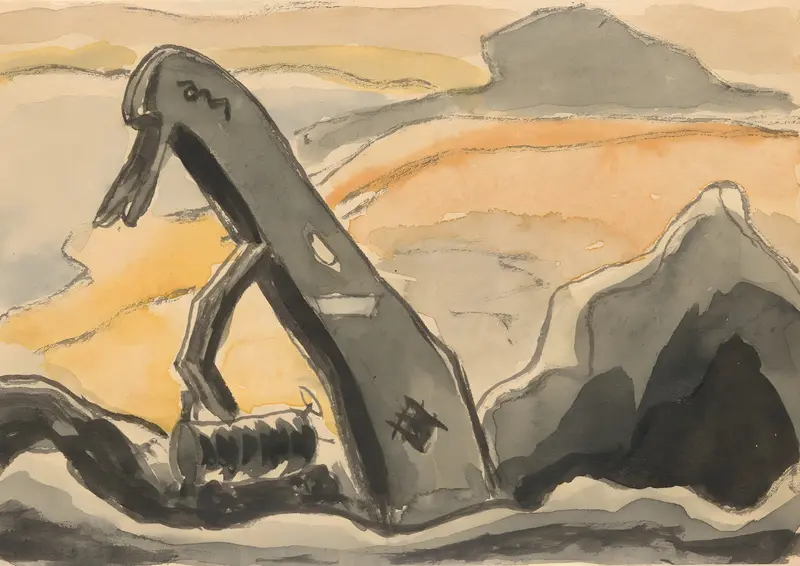
Steam Shovel–Port Washington
Arthur Dove
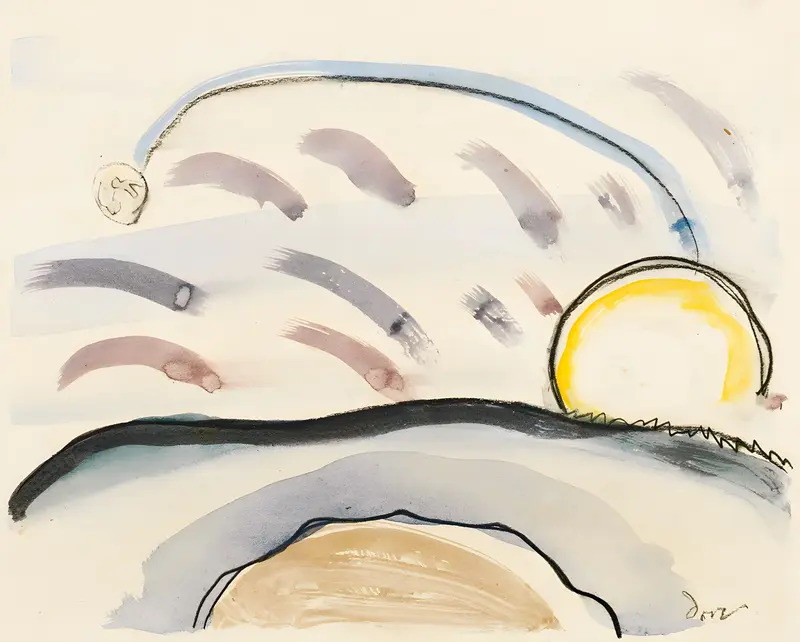
Study for ‘Sun and Moon’
Arthur Dove
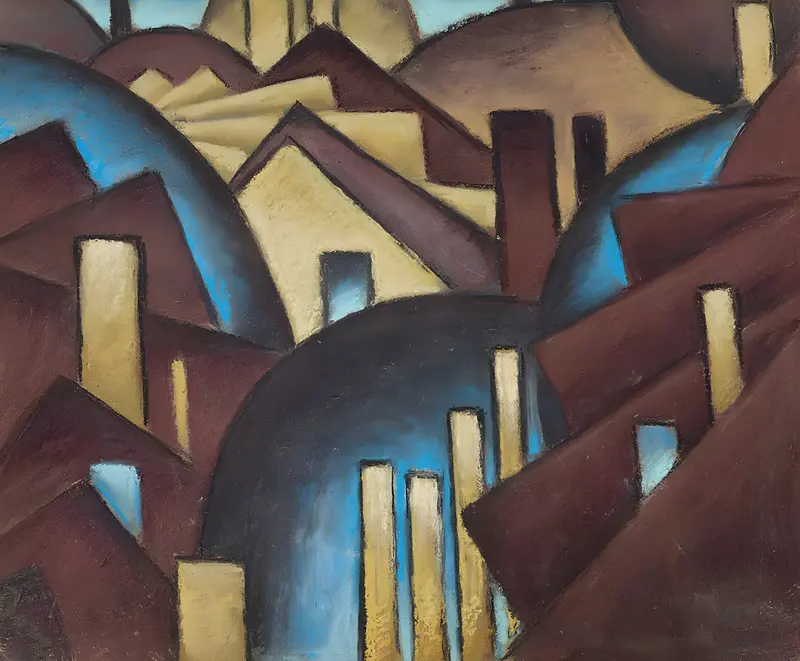
Nature Symbolized No. 1 (Roofs)
Arthur Dove
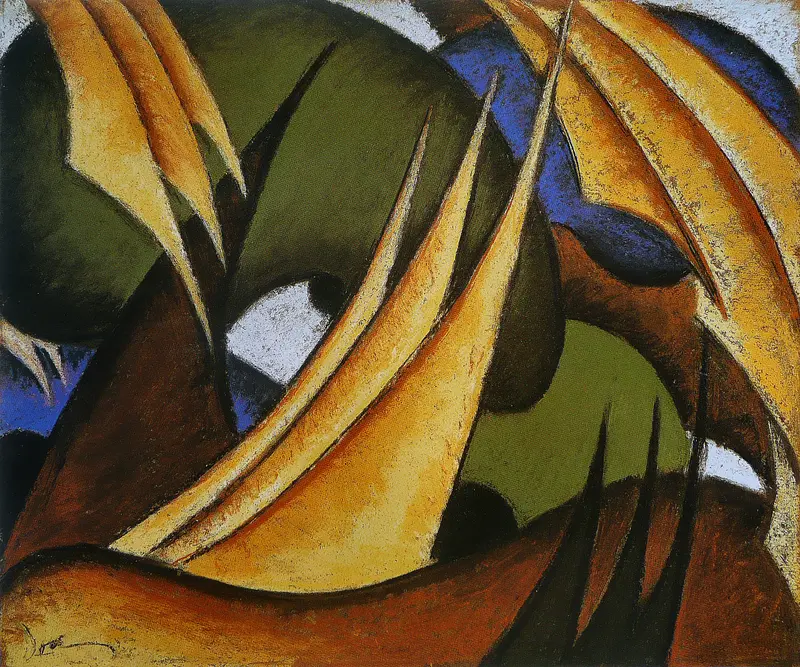
Sails
Arthur Dove
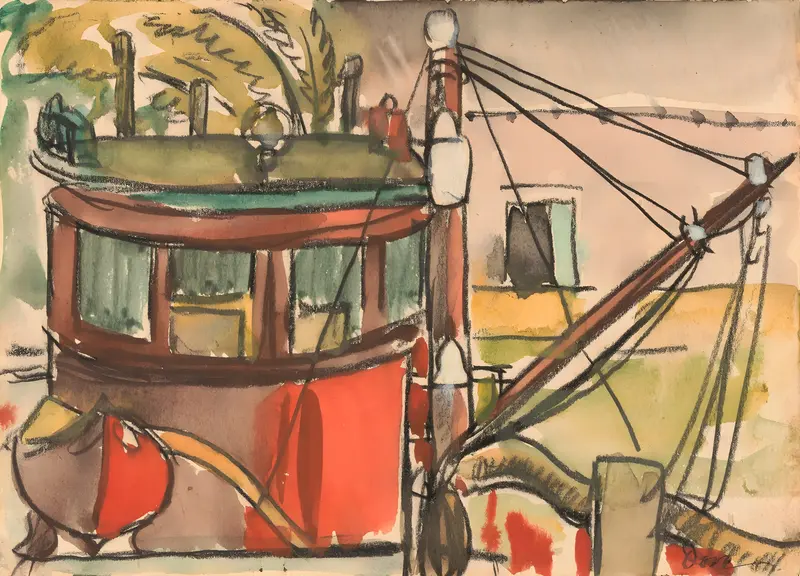
Oil Tanker II
Arthur Dove





