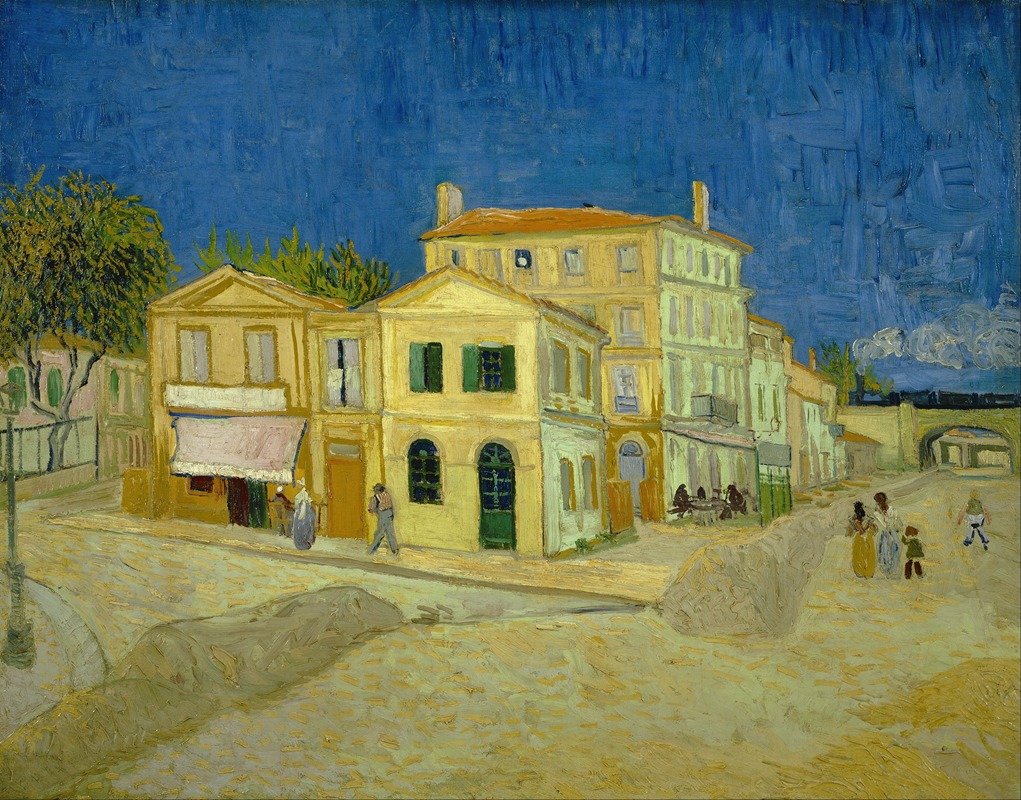
Discover insights about this artwork
Jagdschloss Plankenberg — History & Facts
In Jagdschloss Plankenberg, Carl Moll presents a serene landscape dominated by a grand hunting lodge. The colors are rich and earthy, with deep greens and browns that evoke the natural surroundings. The lodge itself is depicted with intricate architectural details, showcasing its grandeur against a backdrop of lush trees and a clear sky.
The overall composition invites the viewer to appreciate both the structure and its harmonious integration into the landscape. The painting is executed in oil on canvas, a medium that allows for vibrant color and texture. Moll's brushwork is precise, capturing the details of the lodge and the surrounding foliage. The use of light and shadow adds depth to the scene, enhancing the three-dimensional quality of the architecture.
Viewers can observe the careful attention to detail, from the textures of the building materials to the natural elements surrounding it. Carl Moll was an Austrian painter associated with the Vienna Secession movement, known for his landscapes and architectural subjects. Jagdschloss Plankenberg reflects his interest in the interplay between nature and human-made structures. An interesting fact about this work is that it showcases Moll's ability to blend realism with a touch of romanticism, making the lodge appear both majestic and inviting.
This painting exemplifies Moll's dedication to capturing the beauty of his native Austria.
More Artworks by Carl Moll
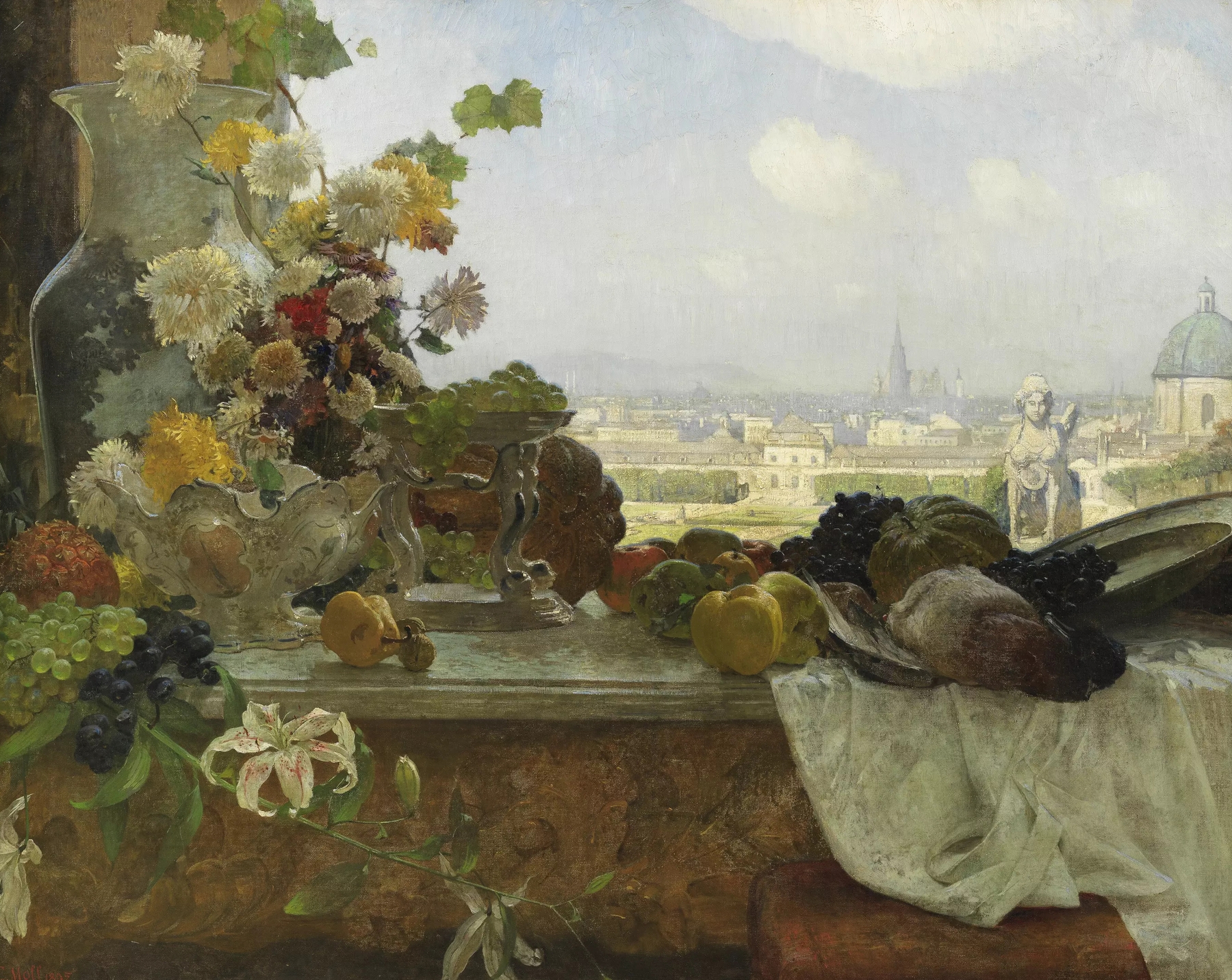
Blick vom Belvedere auf die Innere Stadt
Carl Moll

Salon im Haus auf der Hohen Warte
Carl Moll

Ver Sacrum 1903 15 263 Altwiener Gartenhaus in Döbling
Carl Moll
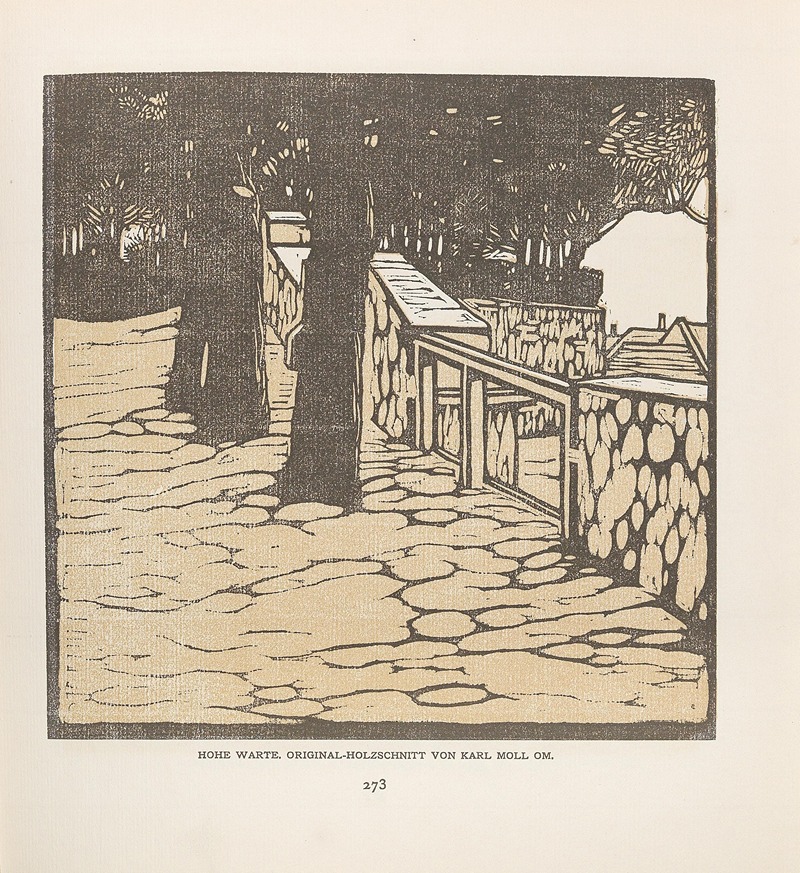
Ver Sacrum 1903 15 273 Hohe Warte
Carl Moll

Landing stage at Heustadlwasser (Prater, Vienna)
Carl Moll

Landschaftsbild (Wien XIX., Hohe Warte)
Carl Moll
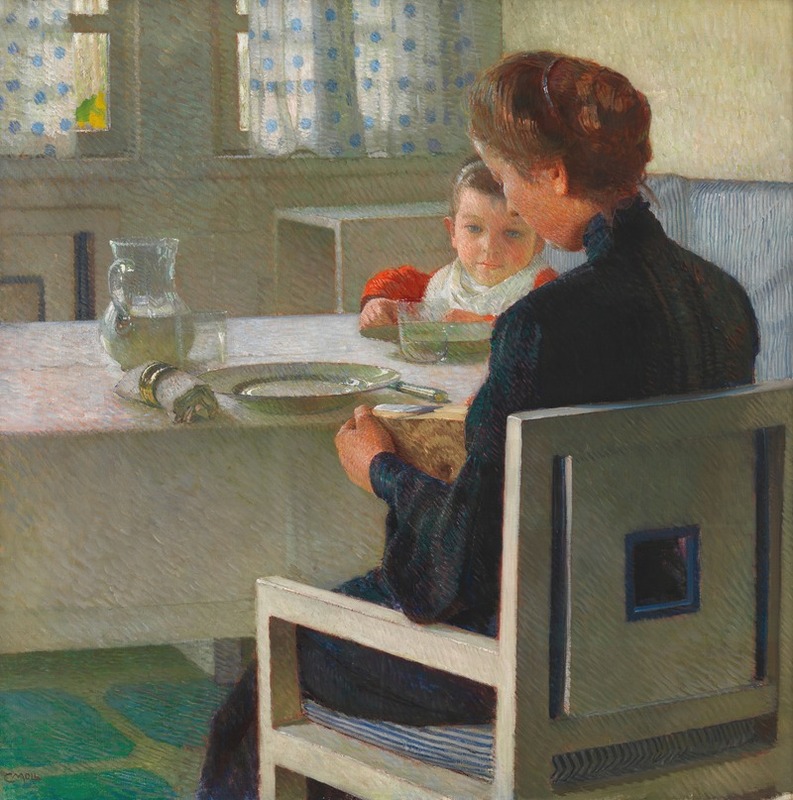
Mutter und Kind bei Tisch (Beim Frühstück)
Carl Moll
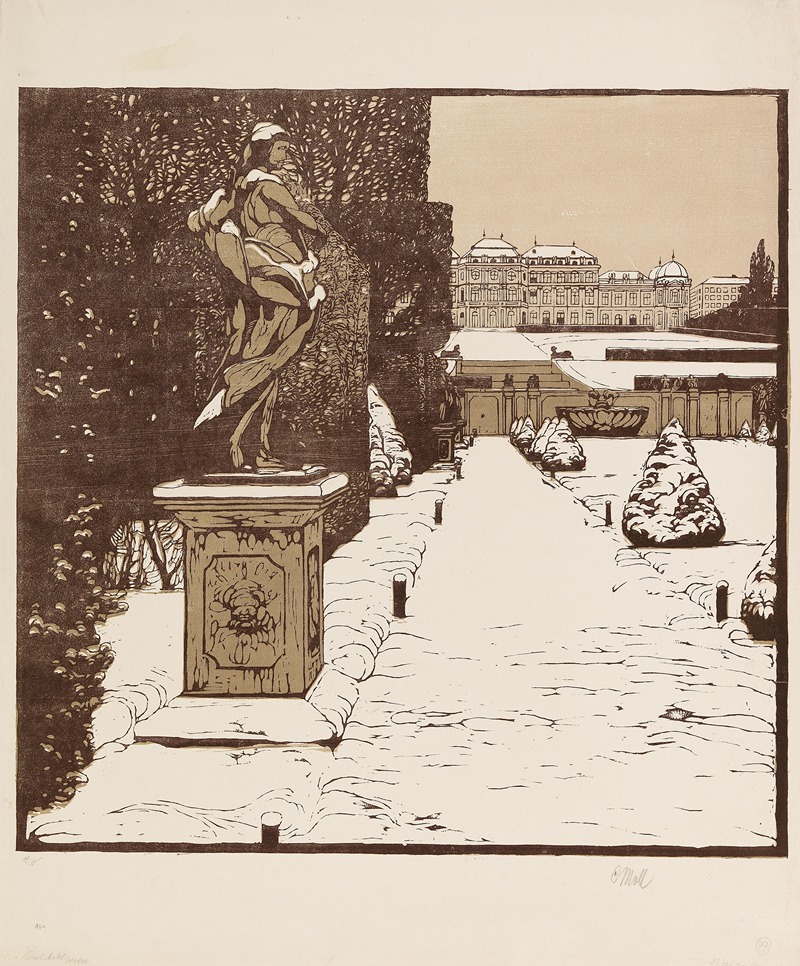
Belvederegarten im Winter
Carl Moll
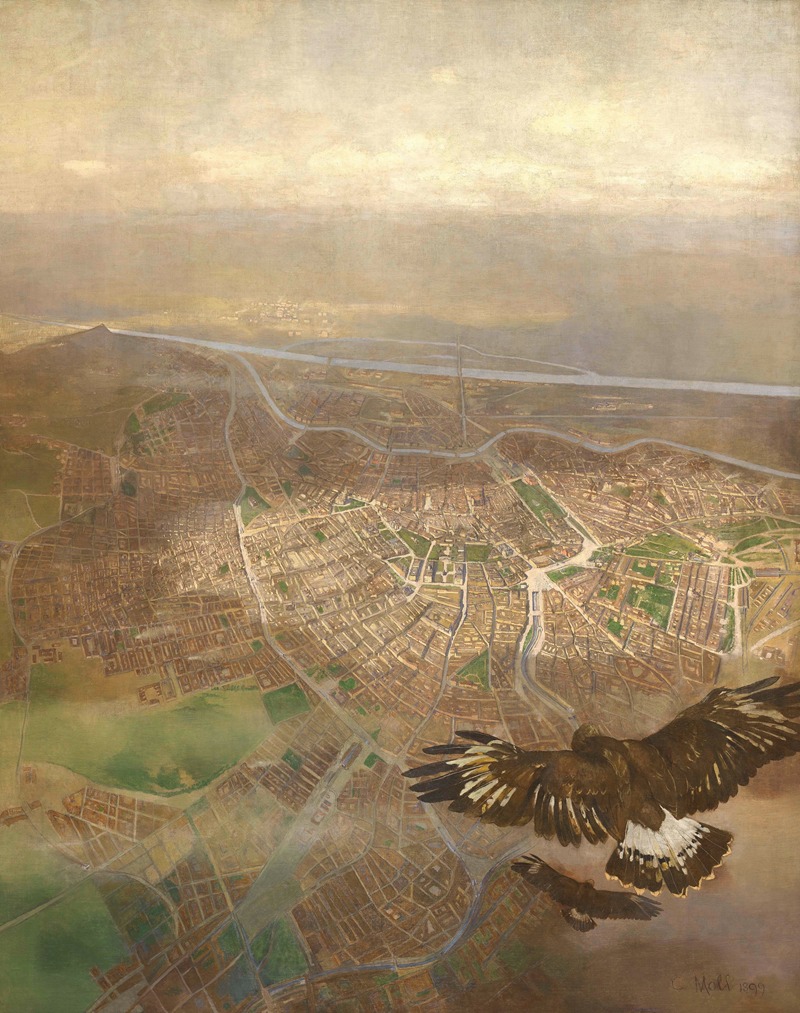
Blick auf Wien aus der Ballonhöhe von 3000m über der Schönbrunner Gloriette
Carl Moll
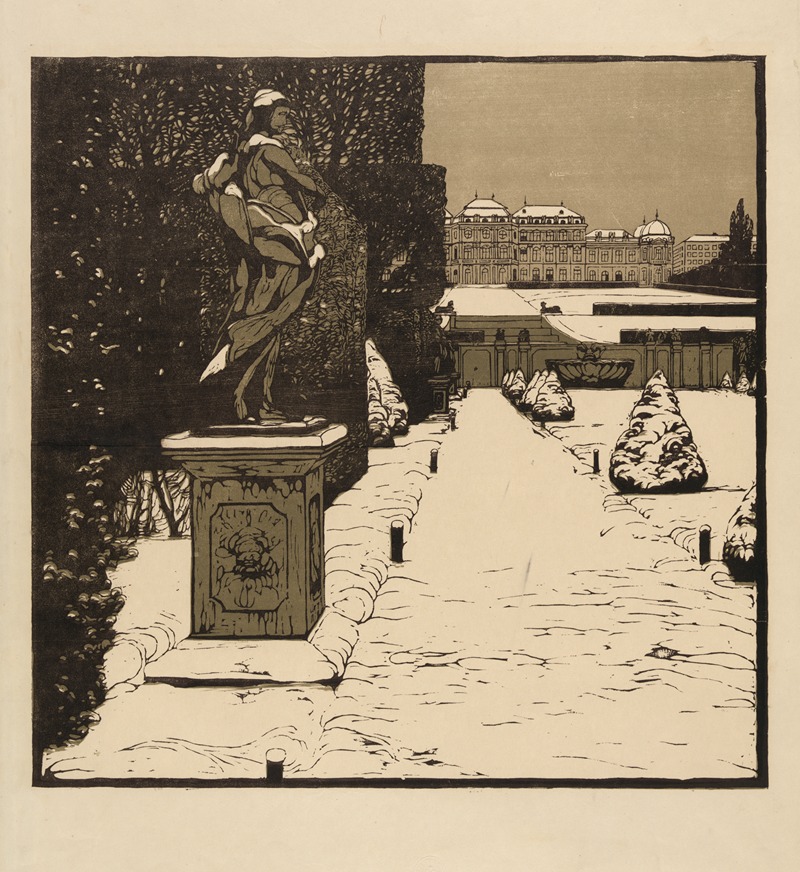
Belvedere
Carl Moll