
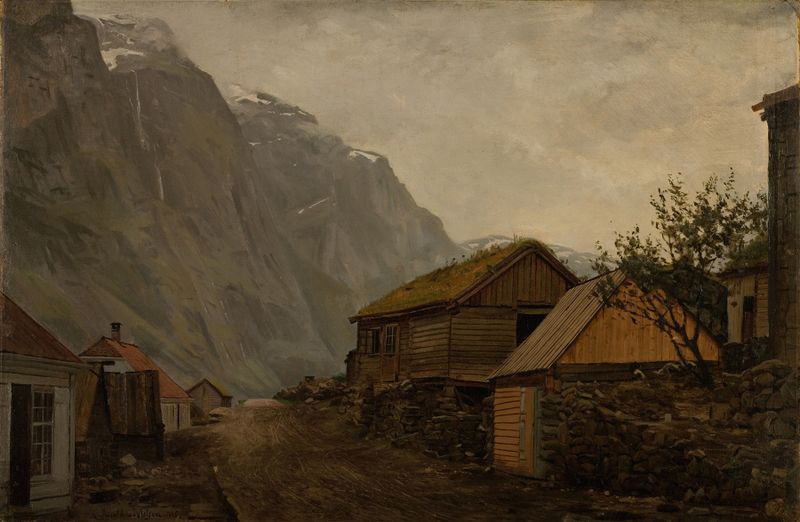
Jaktevrak, Ølve — History & Facts
The delicate interplay of innocence and sorrow permeates the canvas, whispering to those who dare to look deeper. Focus first on the opulent golden hues that envelop the central figure, drawing your gaze to her tender expression. Notice how the light dances around her, illuminating her youthful features and creating a halo effect that evokes both purity and vulnerability. The composition skillfully juxtaposes the richness of her attire with the muted surroundings, hinting at the complexities of her existence. As you explore further, consider the intricate details woven into the fabric of her dress—delicate patterns that reflect the intricate nature of human emotion.
The flowers that she holds may symbolize fleeting beauty, yet they also suggest an impending loss. This duality encapsulates the essence of innocence, revealing how beauty can often mask a deeper, more poignant reality. Amaldus Nielsen painted this work in 1863 during a time when Romanticism was giving way to Realism, reflecting a societal shift toward more profound emotional themes. Creating it in Norway, Nielsen was navigating his own artistic journey, influenced by European trends while confronting the quiet yet powerful narratives of his homeland.
This painting serves as a testament to the delicate balance between innocence and the complexities of life that define the human experience.
More Artworks by Amaldus Nielsen
Browse all →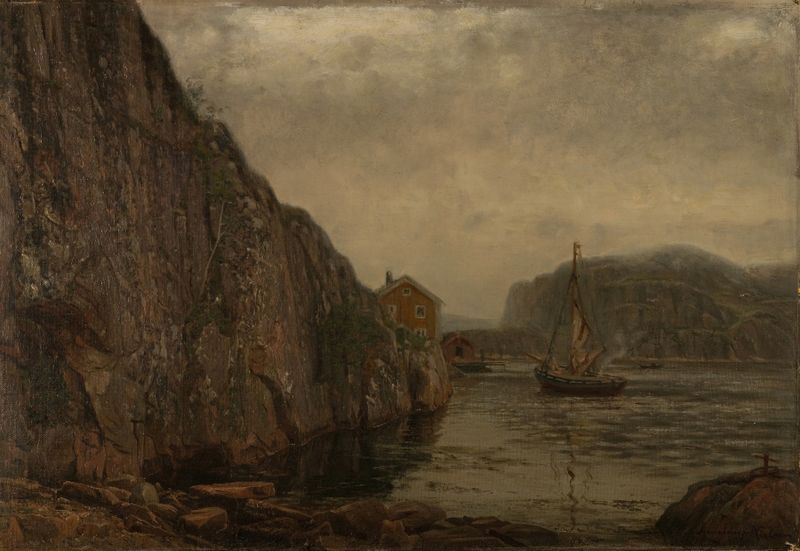
Skjærgård, Ny-Hellesund
Amaldus Nielsen
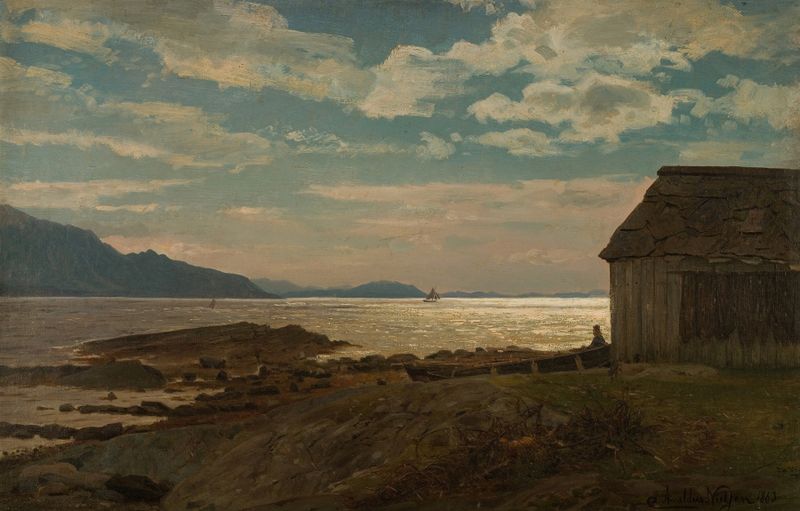
Fra Ølvestranden, Hardanger
Amaldus Nielsen
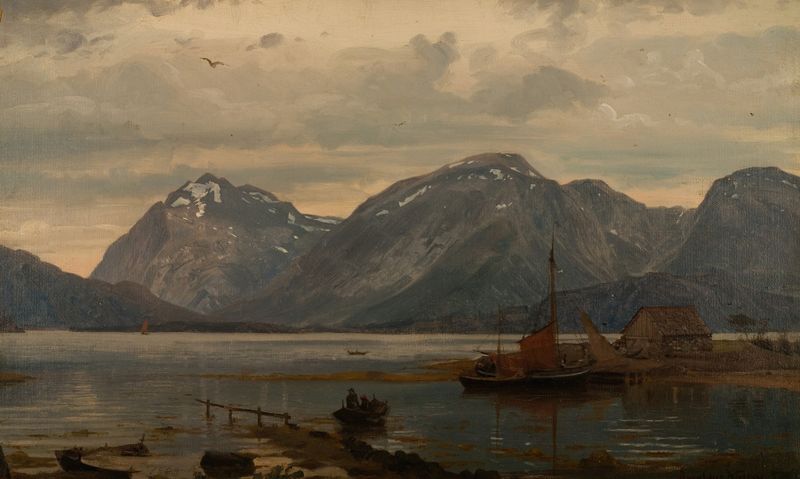
Fra Englafjellene, Hardanger
Amaldus Nielsen
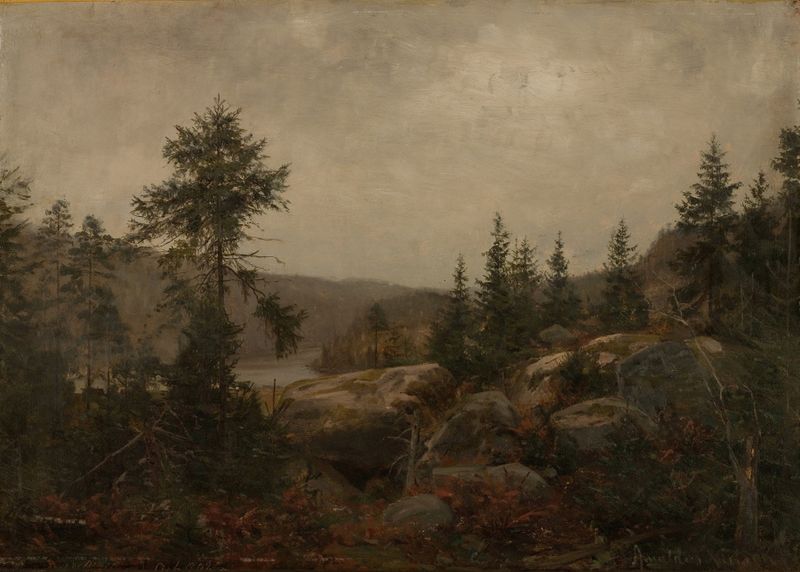
Duskregn . Gården Foss, Mandalselven
Amaldus Nielsen
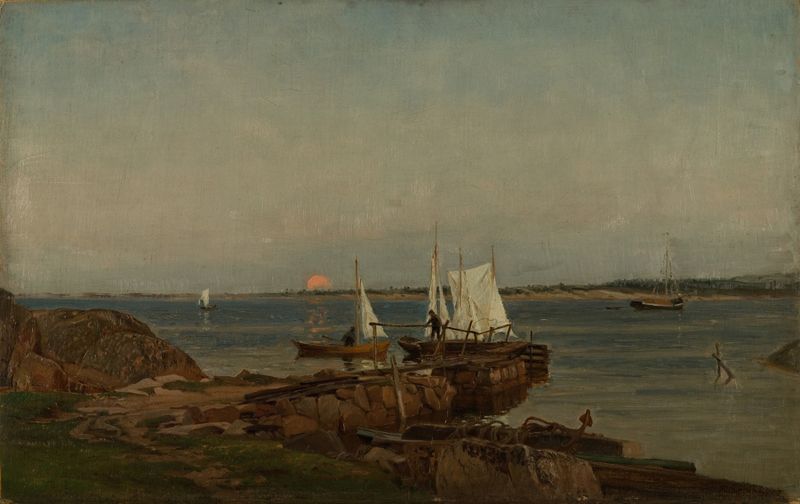
Sommernatt, Hvaler
Amaldus Nielsen
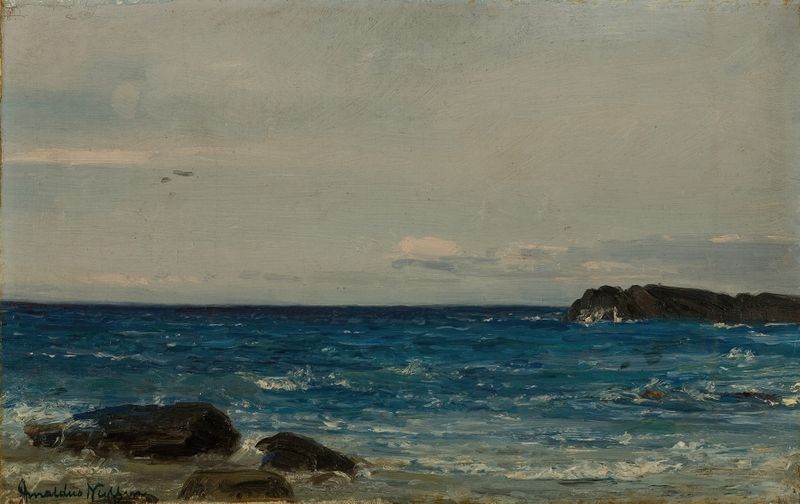
Fra Jæren
Amaldus Nielsen
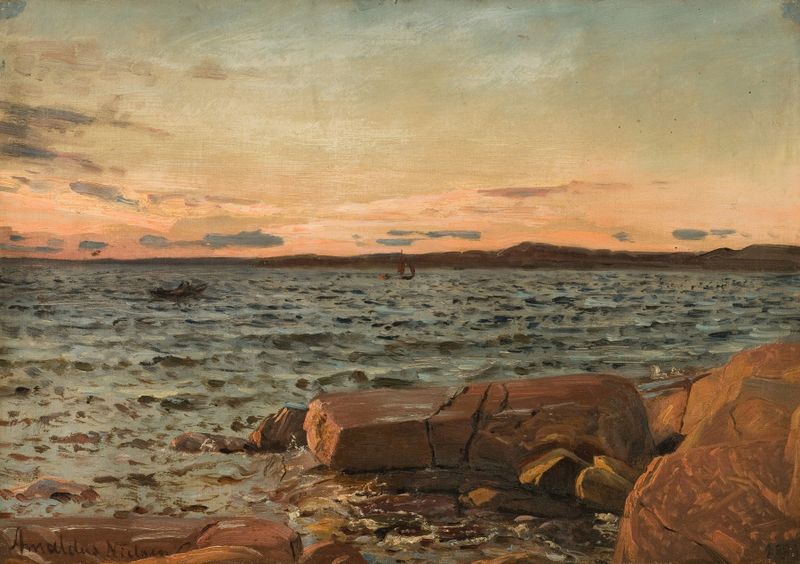
Solgangsvind, Hvaløene
Amaldus Nielsen
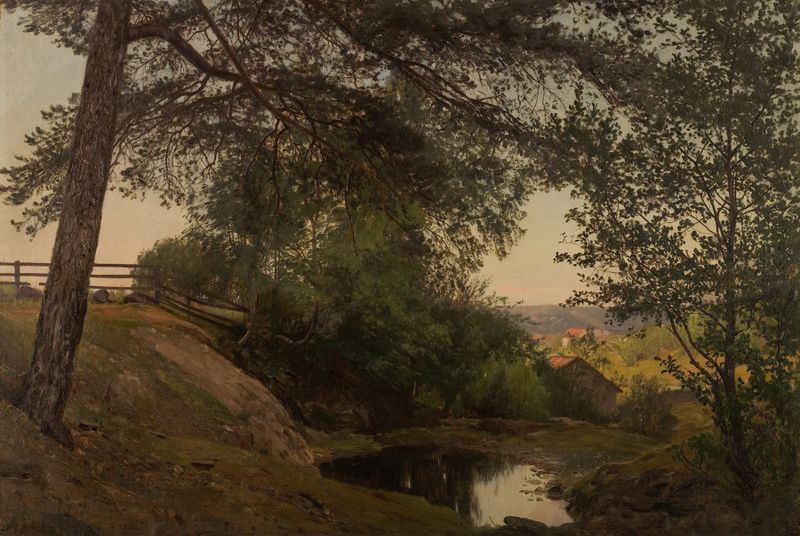
Mellom trærne. Lervik, Stord
Amaldus Nielsen

Båtbyggeri, Lillesand
Amaldus Nielsen
Regnstemning, Gudvangen
Amaldus Nielsen
More Portrait Art
Browse all →
Las meninas
Diego Velázquez

Self-portrait with a Bandaged Ear and Pipe
Unidentified artist

Girl with a Pearl Earring
Johannes Vermeer

The Sampling Officials of the Amsterdam Drapers’ Guild, Known as ‘The Syndics’
Rembrandt van Rijn

The Hundred Guilder Print: the man seen on the back in the lower left corner
Rembrandt van Rijn

Portrait of Dr Gachet
Vincent van Gogh