Discover insights about this artwork
Jan Six’ bridge — History & Facts
In Jan Six’ bridge, Rembrandt van Rijn captures a tranquil landscape featuring a bridge over a serene waterway. The colors are rich and earthy, with greens and browns dominating the scene. Figures can be seen walking along the bridge, adding a sense of life and movement.
The setting is peaceful, inviting the viewer to reflect on the beauty of nature. This painting is executed in oil on canvas, a common medium for Rembrandt during the Dutch Golden Age. The brushwork is detailed yet fluid, allowing for a natural representation of the landscape. The use of light and shadow creates depth, emphasizing the three-dimensional quality of the bridge and surrounding scenery.
Viewers can appreciate the careful composition and balance within the artwork. Rembrandt van Rijn painted Jan Six’ bridge around 1645, during a period of great artistic development in the Netherlands. This work is named after Jan Six, a prominent figure in Amsterdam who was a patron of the arts. An interesting fact about this painting is that it reflects the artist's interest in capturing everyday life and the beauty of the Dutch landscape.
It showcases Rembrandt's ability to blend realism with a poetic sense of place.
More Artworks by Rembrandt van Rijn
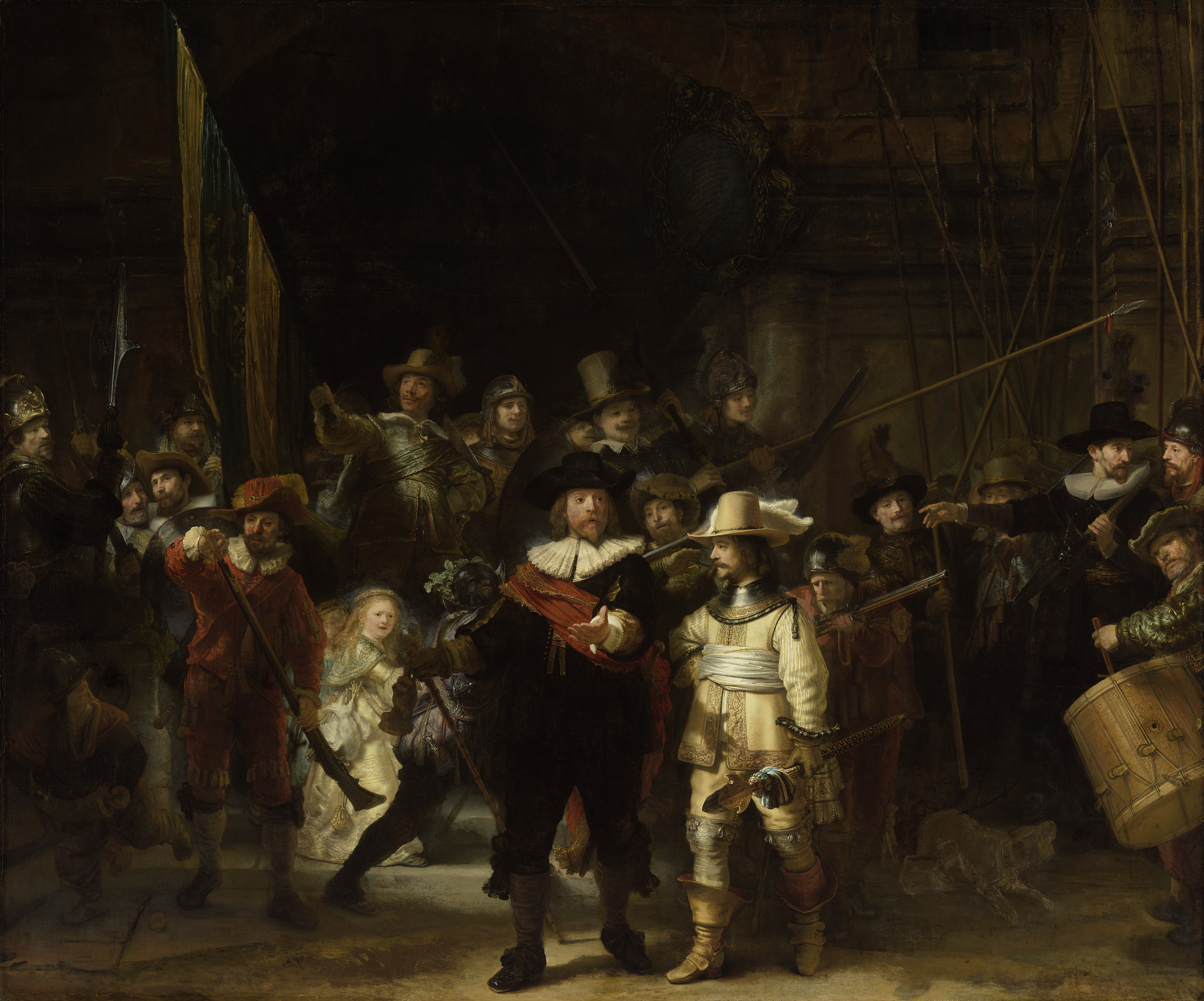
The Night Watch Militia Company of District II under the Command of Captain Frans Banninck Cocq
Rembrandt van Rijn
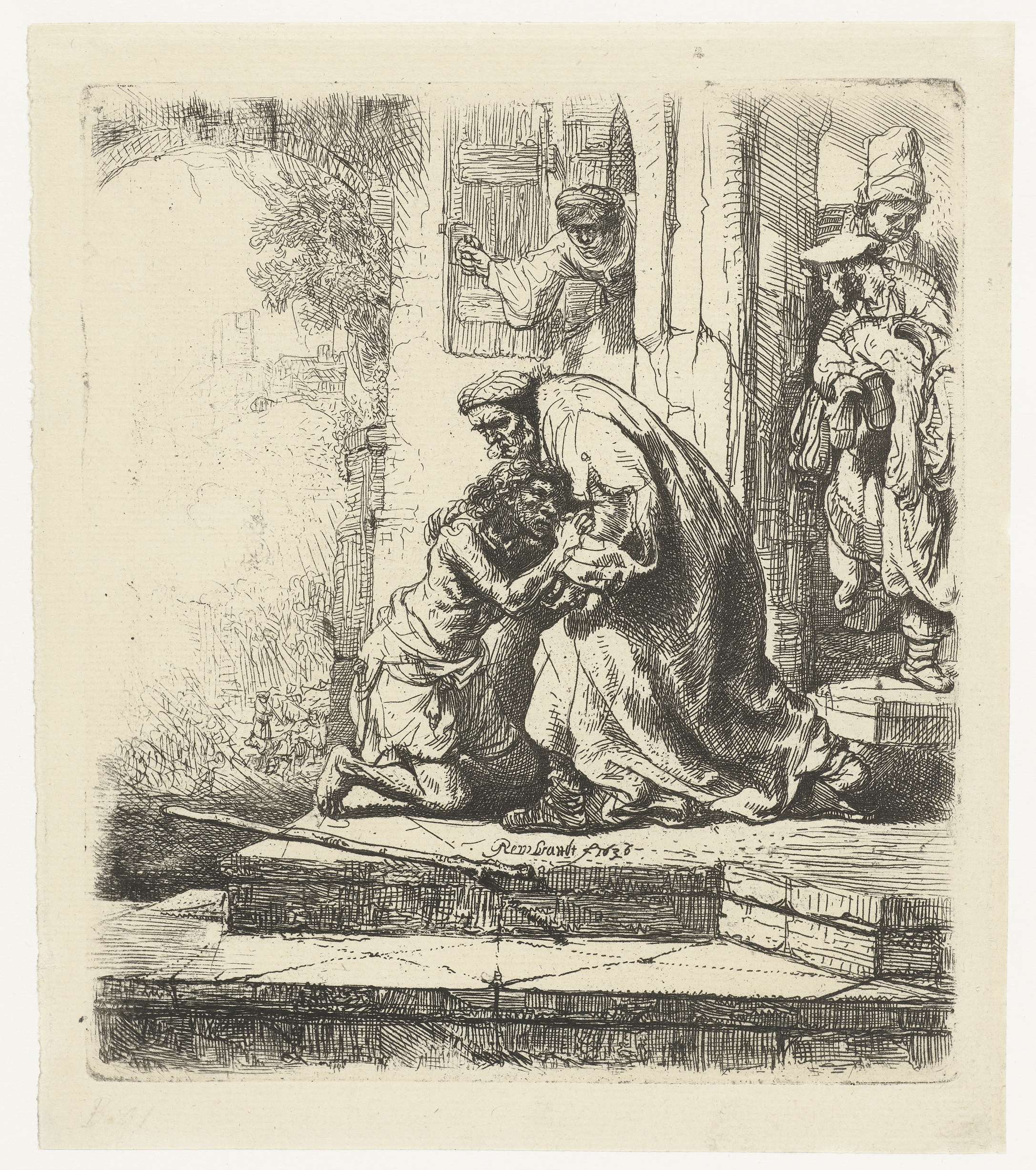
The Return of the Prodigal Son
Rembrandt van Rijn
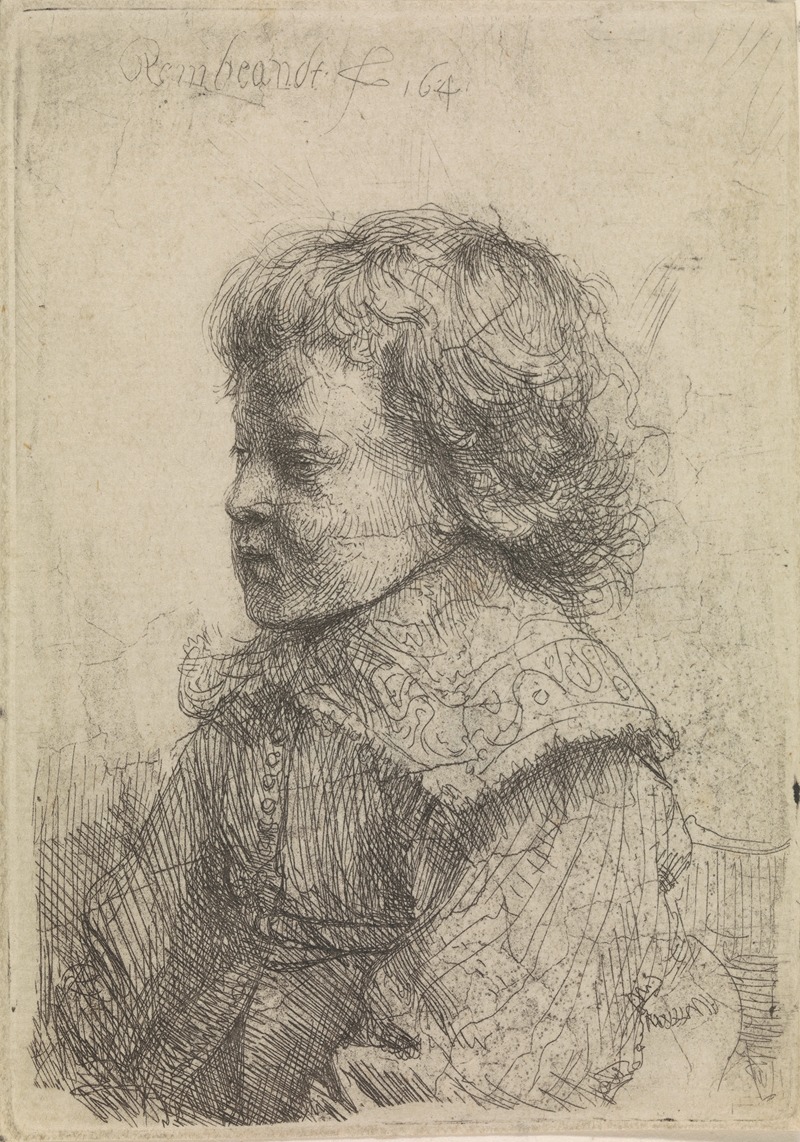
Portrait of a boy in profile
Rembrandt van Rijn
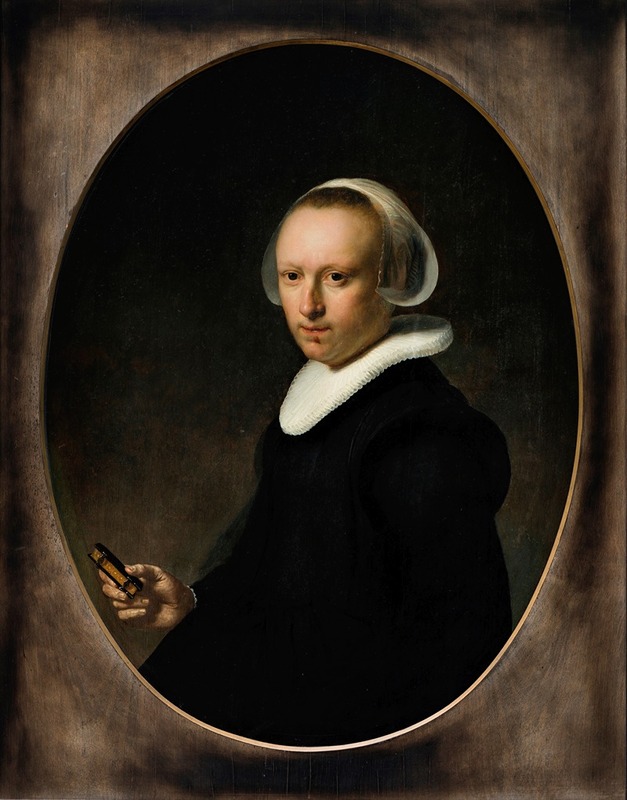
Portrait of a 39-year-old Woman
Rembrandt van Rijn
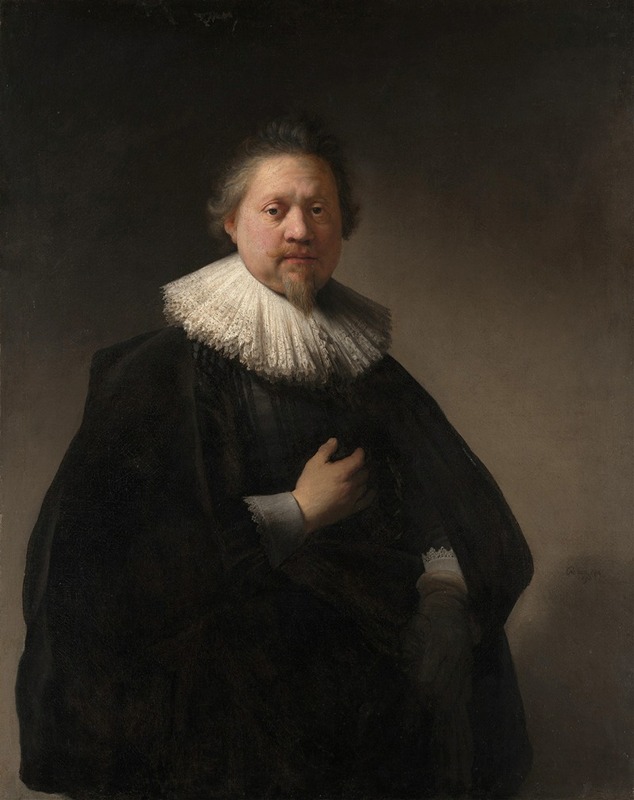
Portrait of a Man
Rembrandt van Rijn
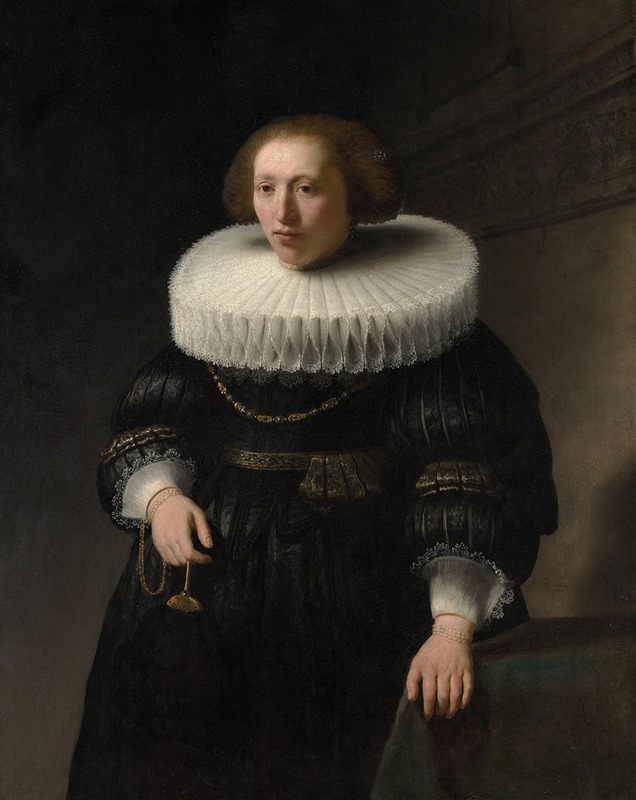
Portrait of a Woman
Rembrandt van Rijn
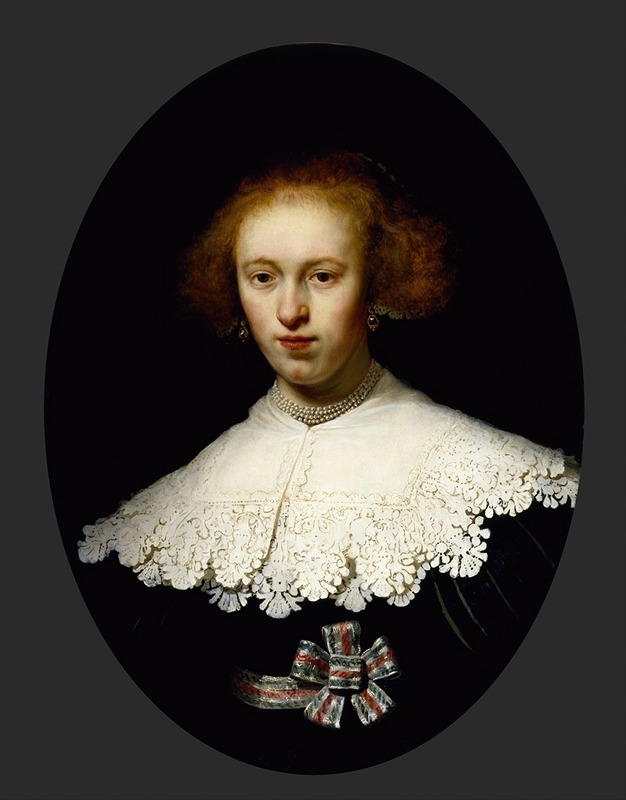
Portrait of a Young Woman
Rembrandt van Rijn
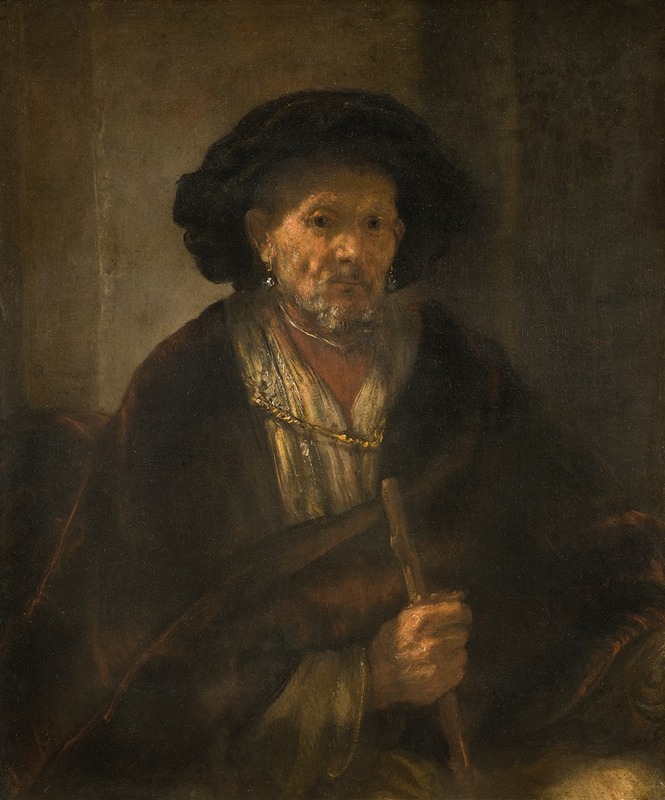
Portrait of an Old Man
Rembrandt van Rijn
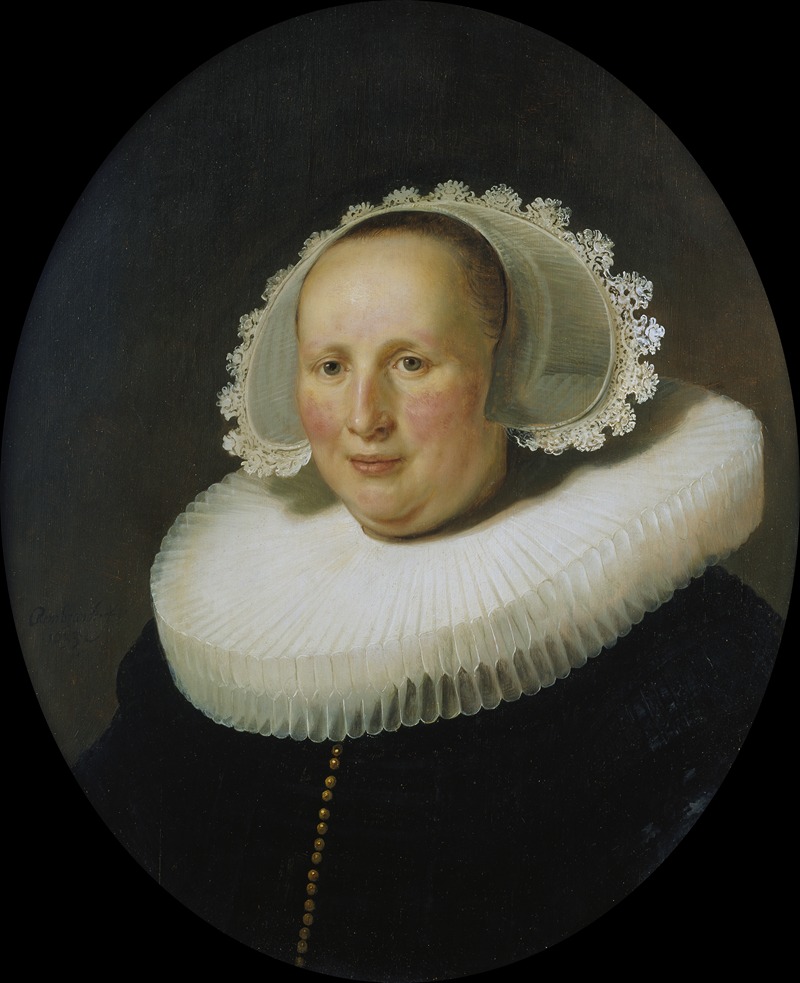
Portrait of Maertgen van Bilderbeecq
Rembrandt van Rijn
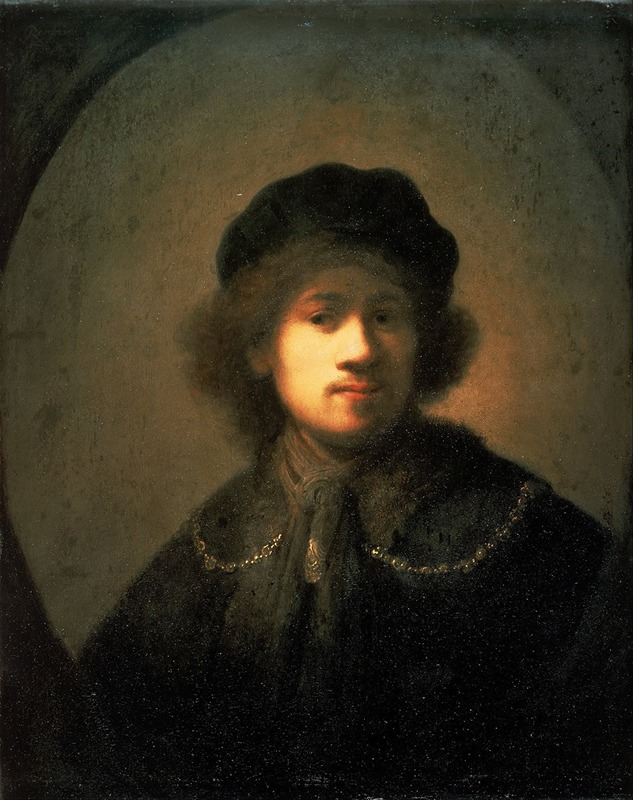
Portrait of the Artist as a Young Man
Rembrandt van Rijn