Jar — History & Facts
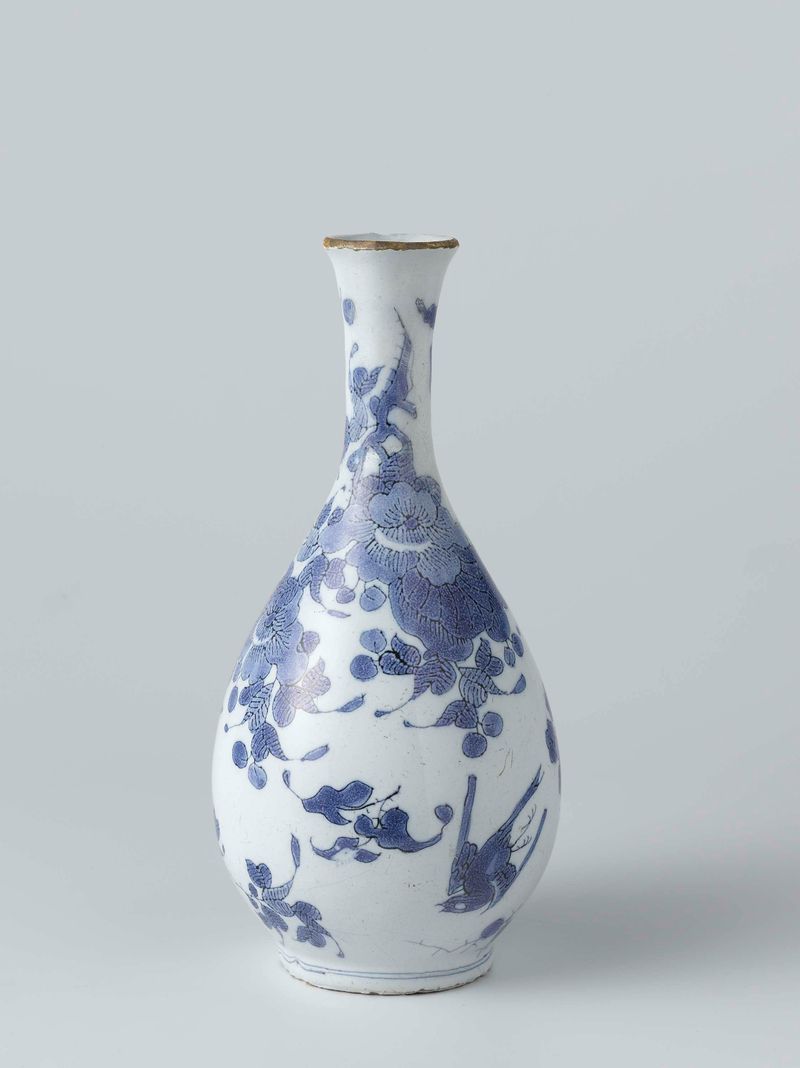
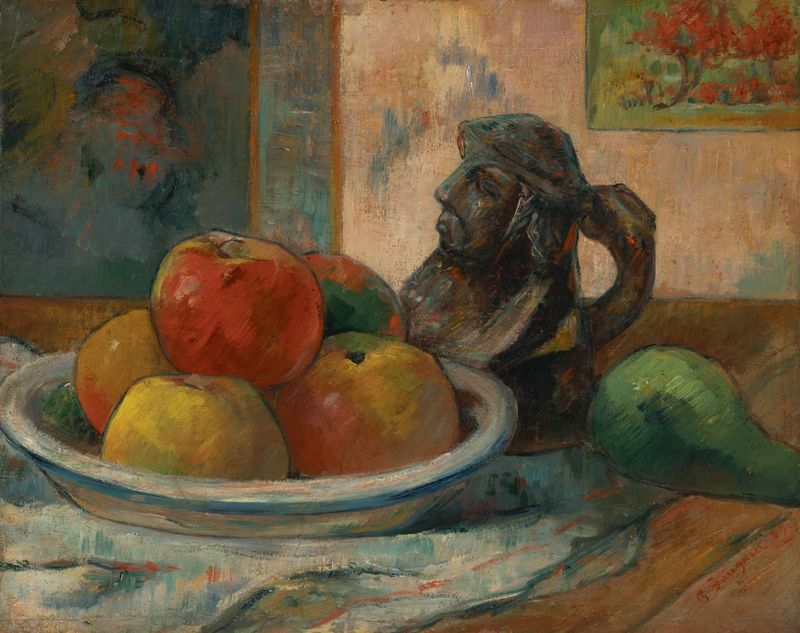
Could a single brushstroke hold eternity? In Jar, an exquisite still-life, time seems to suspend itself, inviting the viewer to contemplate not only the object but the fleeting nature of existence itself. Look to the center, where the jar stands stoically, its smooth surface reflecting the ambient light that dances across its curves. Notice how the artist employs a soft palette, with warm earth tones that evoke a sense of warmth and continuity. The meticulous attention to detail in its form draws your eye, while the subtle shadows hint at the jar’s weight and presence, turning it into not just an object, but a vessel of memory. Delve deeper into the composition, and you will uncover the contrasts that pulse beneath the surface.
The juxtaposition of the jar's solidity against the delicate, fleeting light creates a dialogue about permanence versus transience. The muted colors suggest a quiet resignation to time’s passing, while the smoothness of the jar signifies the beauty that endures. Each brushstroke seems to whisper stories of what was, and what is yet to come, urging the viewer to reflect on their own passage through time. Het Moriaanshooft painted Jar in the late 17th century, a period marked by an increasing interest in still-life as a genre.
Living in the Netherlands, he was influenced by the burgeoning art market and the celebration of everyday objects as symbols of both luxury and humility. As society became more attuned to the complexities of life and mortality, his work echoes these sentiments, offering a poignant meditation beneath the surface of an ordinary jar.