Vase — History & Facts
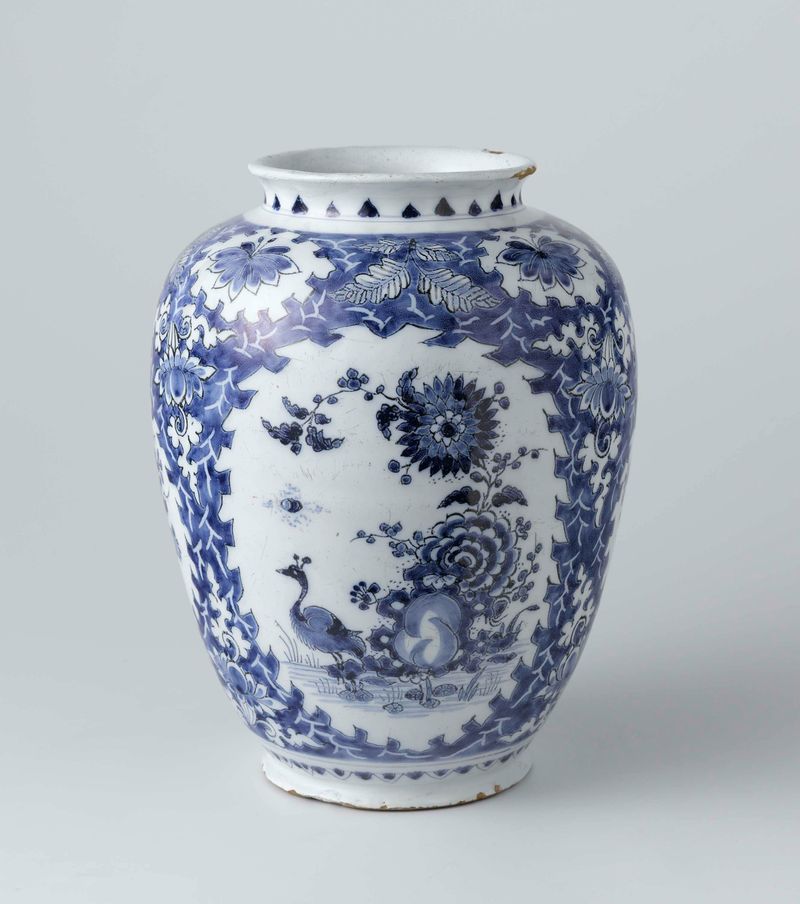
Did the painter know this moment would outlive them? In the stillness of the canvas, serenity unfolds, inviting the viewer to contemplate the delicate beauty of life preserved in a simple vase. Focus on the luminous white vase at the center, its smooth surface reflecting soft light that dances across the composition. Surrounding it, a symphony of blooms bursts with color—rich reds, vibrant yellows, and deep blues—each petal meticulously rendered with a painterly precision that draws the eye. The play of shadows adds depth, enhancing the sense of three-dimensionality while creating a tranquil atmosphere that envelops the entire scene. Beneath the visual charm lies a poignant contrast: the transient nature of flowers against the permanence of the vase.
Each blossom is a fleeting moment, a reminder of life’s brevity, while the vessel stands as a symbol of endurance. This juxtaposition invites reflection on the passage of time, evoking both joy and melancholy, as the arrangement encapsulates beauty destined to fade. The subtle interplay of light and shadow further underscores this tension, suggesting an eternal cycle of growth and decay. In the late 17th century, Het Moriaanshooft created this work amidst the flourishing Dutch Golden Age, a period characterized by artistic innovation and an obsession with still life.
Working in a time when naturalism was paramount, he sought to capture not just objects but the essence of existence itself, weaving a narrative of beauty and impermanence that resonates through the ages.