
Johannes de Evangelist — History & Facts
In Johannes de Evangelist, a dreamlike reverie unfolds, reminiscent of the sacred and the ephemeral. Here, the artist captures a spiritual essence, inviting viewers to delve into a world that transcends the ordinary, embodying both reverence and contemplation. Look to the center, where Johannes stands poised, his gaze direct yet contemplative. The delicate play of light highlights the intricate details of his robes, draping softly around him, rendering a sense of both weight and grace.
Notice how the rich, muted colors envelop the figure, contrasting with the ethereal backdrop, which almost seems to shimmer with divine presence. The composition draws you in, invoking a stillness that invites introspection. Beneath the surface, the painting is alive with contrasts—the tension between the visible and the unseen, faith and doubt, knowledge and mystery. The gentle curves of Johannes’s form juxtapose the sharp lines of the surrounding architecture, hinting at a deeper narrative of enlightenment versus confinement.
Each brushstroke reveals a longing for deeper understanding, as if the figure is caught between the earthly realm and a celestial calling. In 1541, the artist created this work during a period when the Protestant Reformation was reshaping the landscape of religion and art in Europe. Living in Nuremberg, Beham was part of a movement that sought to express individual faith, stepping away from traditional Catholic iconography. This moment in history reflected a desire for personal connection to the divine, shaping not only the artist's perspective but also the visual language of his time.
More Artworks by Hans Sebald Beham
Browse all →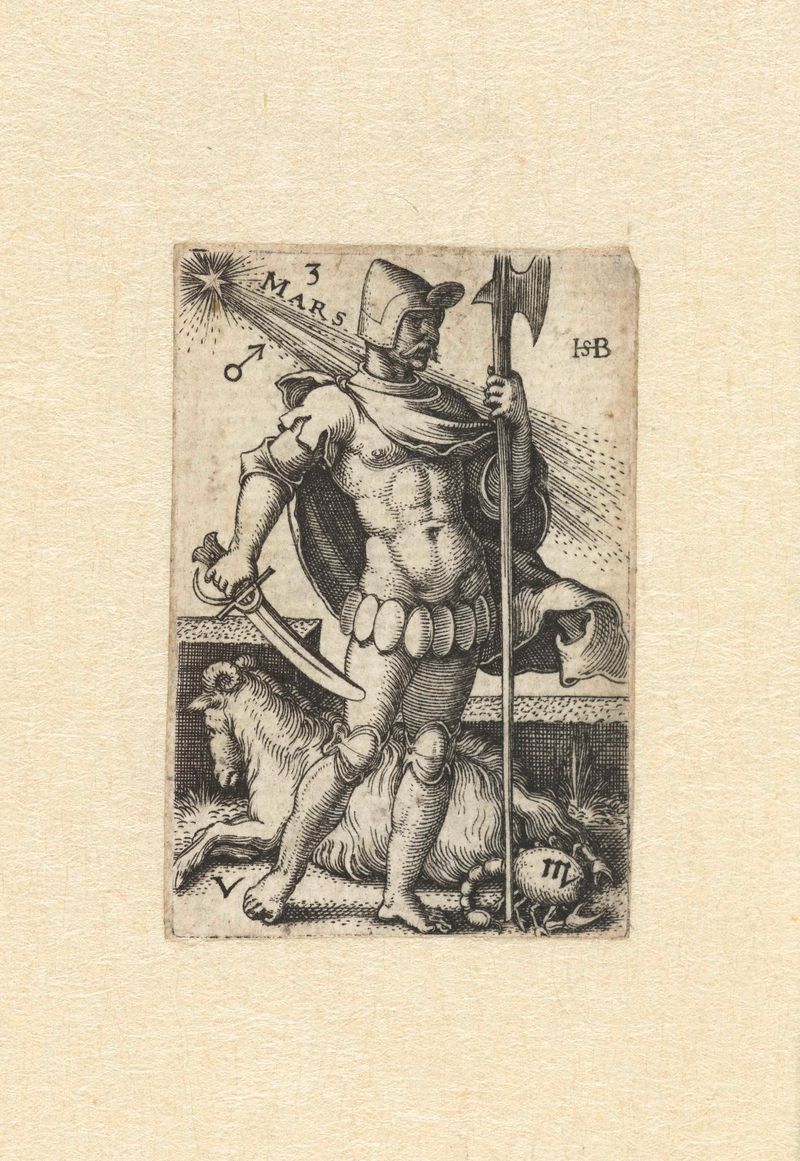
Mars met sterrenbeelden Ram en Schorpioen
Hans Sebald Beham

Achilles in gevecht met Hector
Hans Sebald Beham
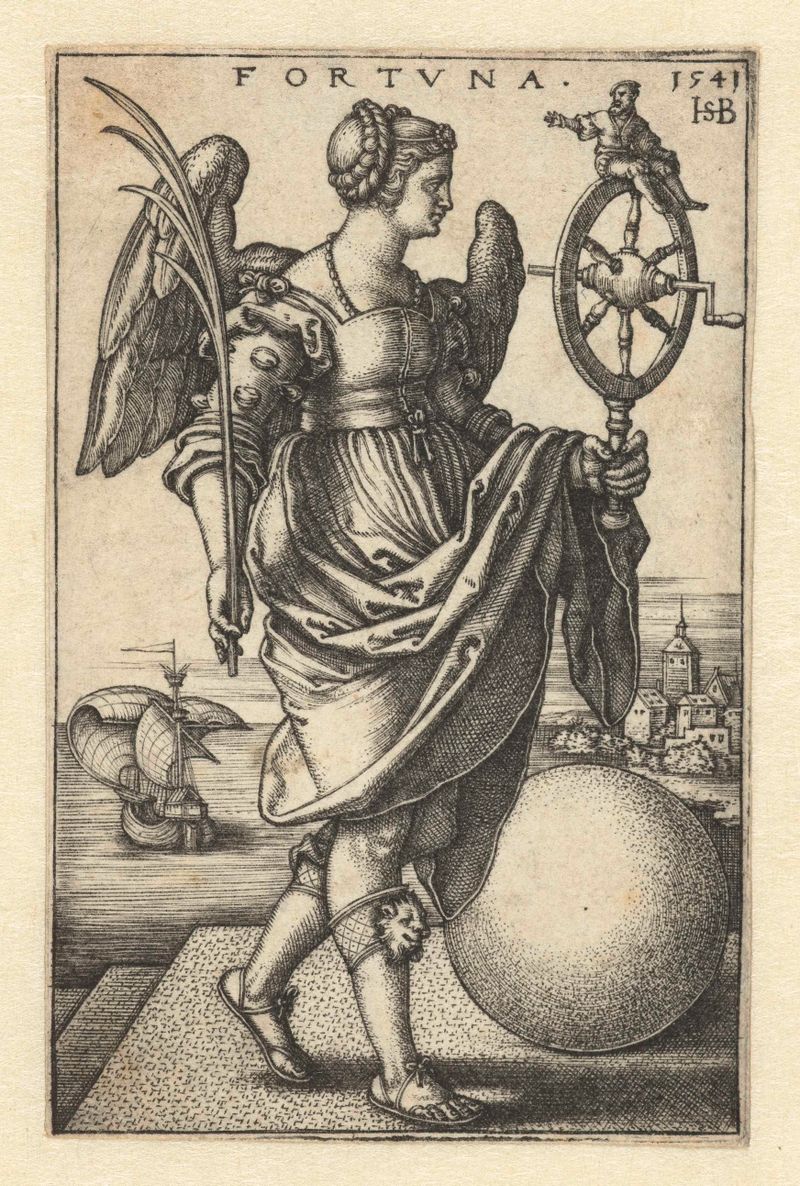
Fortuna
Hans Sebald Beham

Hercules worstelt met Antaeus
Hans Sebald Beham

Twee muzikanten met schalmey en doedelzak
Hans Sebald Beham

Voorzichtigheid (Prudentia)
Hans Sebald Beham

Hercules in gevecht met de Trojanen
Hans Sebald Beham
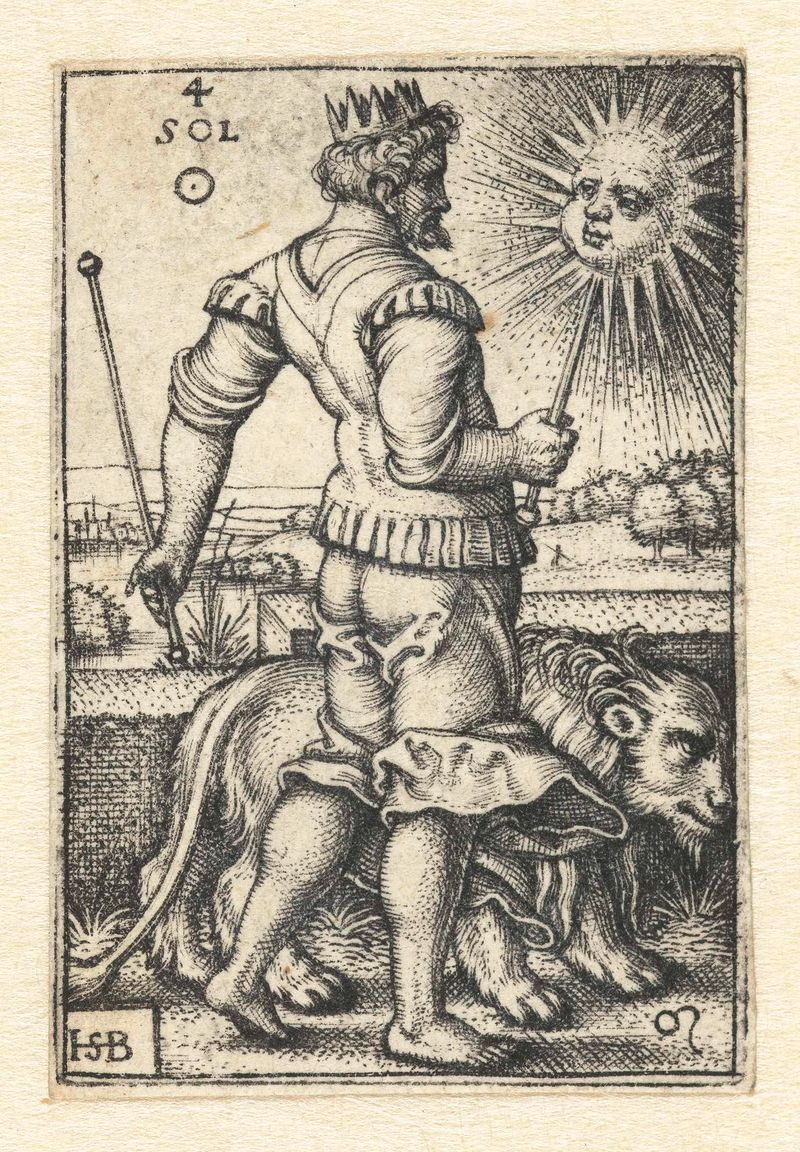
Apollo (Sol) met sterrenbeeld Leeuw
Hans Sebald Beham
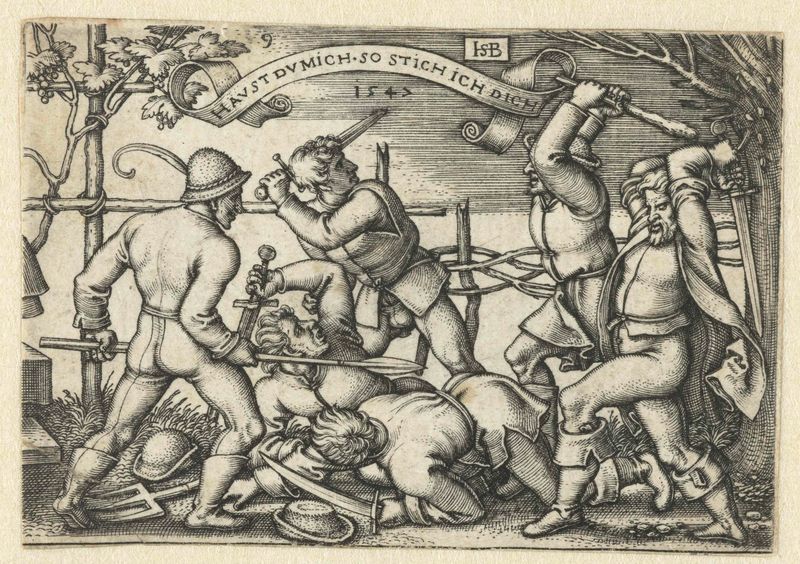
Vechtende boeren met zwaarden
Hans Sebald Beham
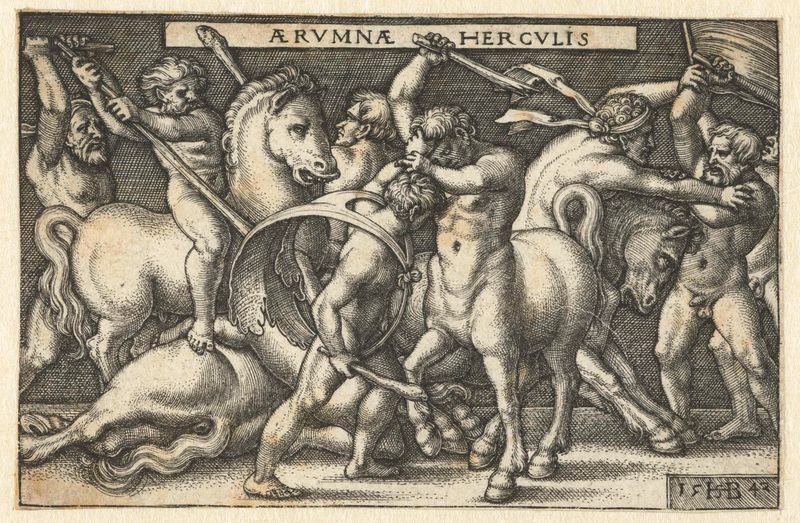
Hercules in gevecht met centaurs
Hans Sebald Beham
More Religious Art
Browse all →
The Return of the Prodigal Son
Rembrandt van Rijn

The Garden of Earthly Delights
El Bosco

Count Orgaz’ funeral
El Greco

The Hundred Guilder Print: the central piece with Christ preaching, the plate arched
Rembrandt van Rijn

The Descent from the Cross
Rogier van der Weyden

The return of the prodigal son
Rembrandt van Rijn