Jonge vrouw met brandende lamp in venster — History & Facts
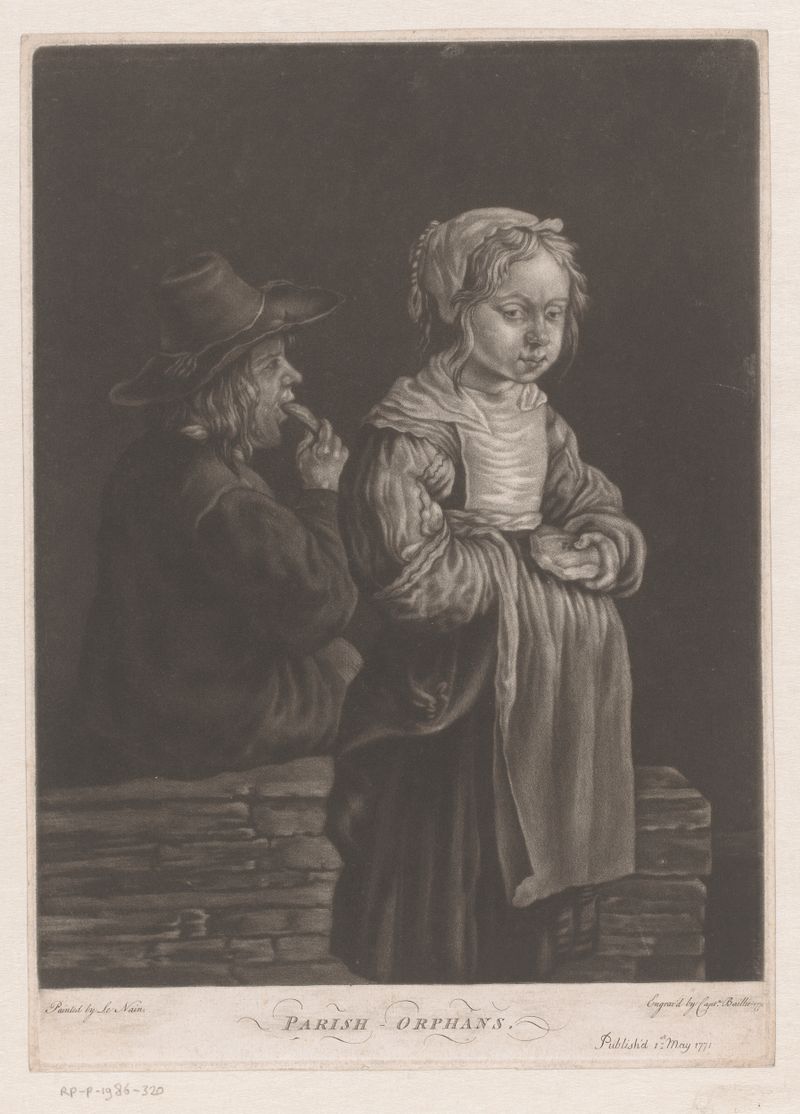
In Jonge vrouw met brandende lamp in venster, a tender yet haunting interplay of light and shadow captures the essence of innocence and longing. The painting invites viewers to reflect on the duality of youth—its brightness and fragility. Look to the left at the figure of the young woman bathed in a soft, golden glow, her delicate features illuminated by the flickering flame of the lamp. The warm light dances across her face, accentuating a subtle expression that hints at introspection, perhaps a moment of silent yearning.
The narrow window frame confines her, creating a poignant visual tension that draws our gaze and suggests both a physical and emotional barrier to the outside world. The contrast between light and dark in this piece evokes a sense of melancholy, as the light represents hope and warmth while the shadows hint at isolation and unfulfilled desires. Details such as the gentle curve of her hand and the slightly turned head signify her contemplation, making the viewer question what lies beyond the window. Is she waiting for someone? Or is she lost in the reverie of dreams that remain just out of reach? Each brushstroke reveals layers of emotional depth, weaving a narrative of innocence laced with the specter of longing. In 1771, when this work was created, the artist was residing in the Netherlands, immersed in a vibrant art scene that celebrated both the human form and the nuances of light.
Baillie was deeply influenced by the transition from Baroque to Neoclassical aesthetics, and this painting reflects that shift—balancing realism with a romantic idealization of youth. The world was changing rapidly, and the exploration of emotion and the human condition in art was becoming increasingly significant.