
Joseph Hornung – The Death of Calvin — History & Facts
Who listens when art speaks of silence? In the stillness captured by this poignant piece, we encounter a realm where unspoken desires intertwine with the heavy weight of mortality. Look to the center where the figure of Calvin lies, draped in somber hues that evoke a profound sense of loss. The muted palette suggests both the finality of death and the lingering shadows of a life once vibrant. Notice how the delicate interplay of light and shadow accentuates the contours of his form, giving life to the lifeless, while the surrounding figures, rendered in darker tones, seem to encapsulate their grief in a visual embrace. Each detail holds a narrative thread; the gentle touch of a hand on Calvin's shoulder conveys an emotional tether that transcends the physical realm.
The expressions of the spectators, a cacophony of sorrow, resonate with the tension between loss and the desire for connection. Their gazes, heavy with unanswered questions, create a silent dialogue that invites viewers to contemplate their own experiences of longing and despair. In 1881, Theodor Gsell Fels painted this work during a period when the influence of Romanticism was waning, giving way to modernist trends. At this time, he was grappling with personal challenges and navigating the shifting tides of artistic expression.
The piece encapsulates a moment of reflection amidst these transitions, capturing a timeless narrative that remains profoundly relevant.
More Artworks by Theodor Gsell Fels
Browse all →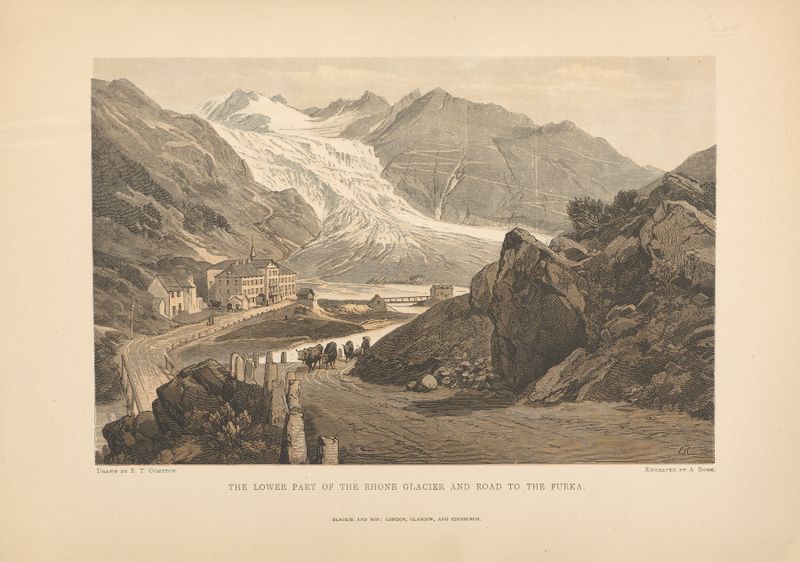
E. T. Compton – The Lower Part of the Rhone Glacier and Road to Furka
Theodor Gsell Fels

G. Closs – The Devil’s Bridge—St. Gothard Road, Schóllenen Gorge
Theodor Gsell Fels
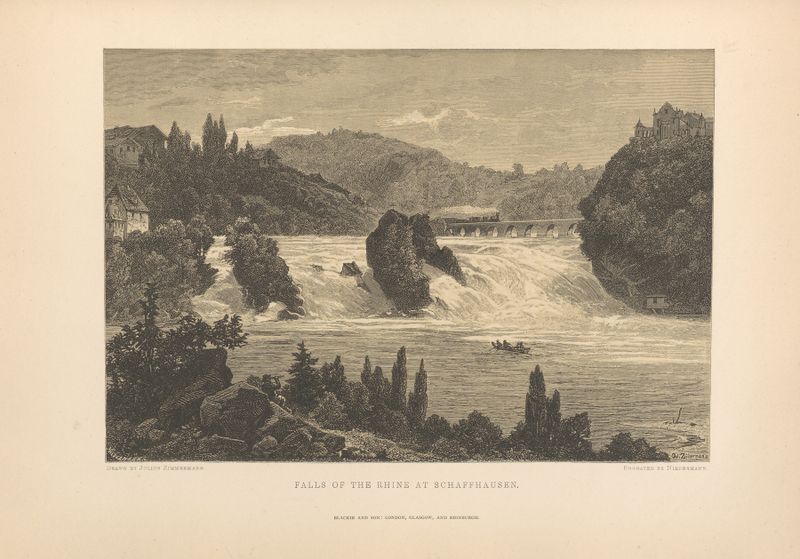
Julius Zimmermann – Falls of the Rhine at Schaffhausen
Theodor Gsell Fels
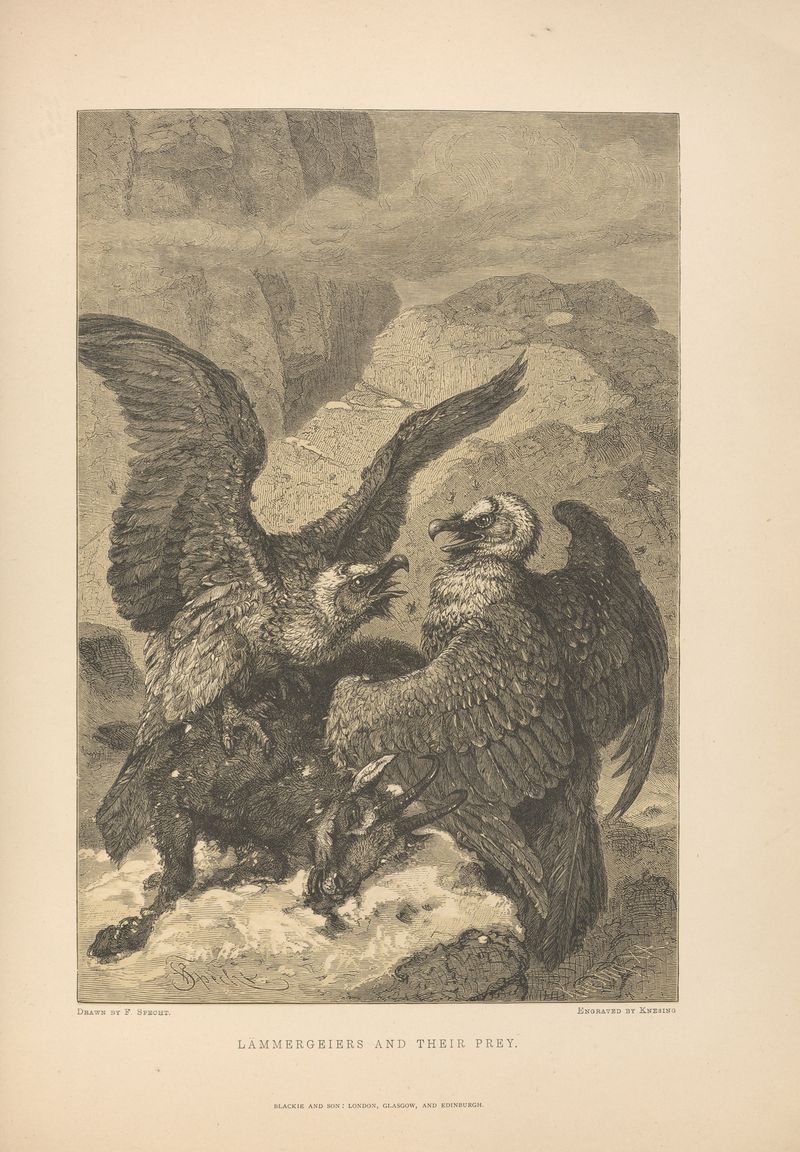
F. Specht – Lammergeiers and their Prey
Theodor Gsell Fels
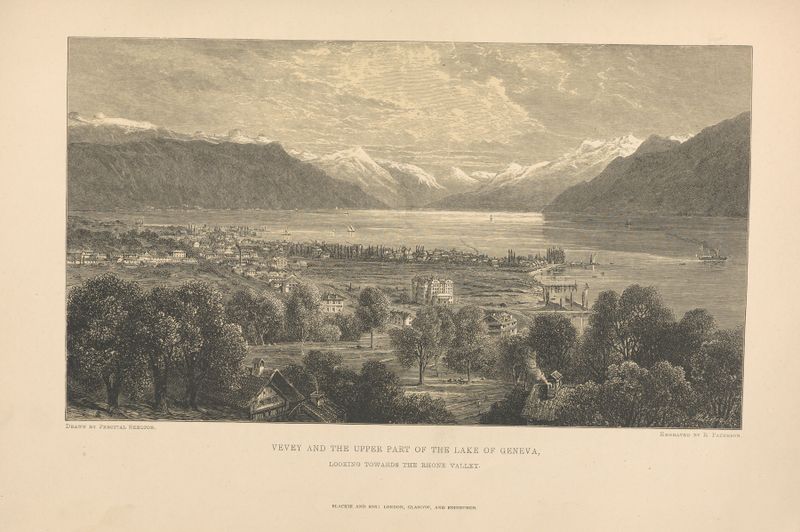
Percival Skelton – Vevay, and the Upper Part of the Lake of Geneva
Theodor Gsell Fels

E. T. Compton – The Jungfrau, and Opening of the Lauterbrunnen Valley
Theodor Gsell Fels

P. Weber – Departure of Steamer from Lucerne
Theodor Gsell Fels
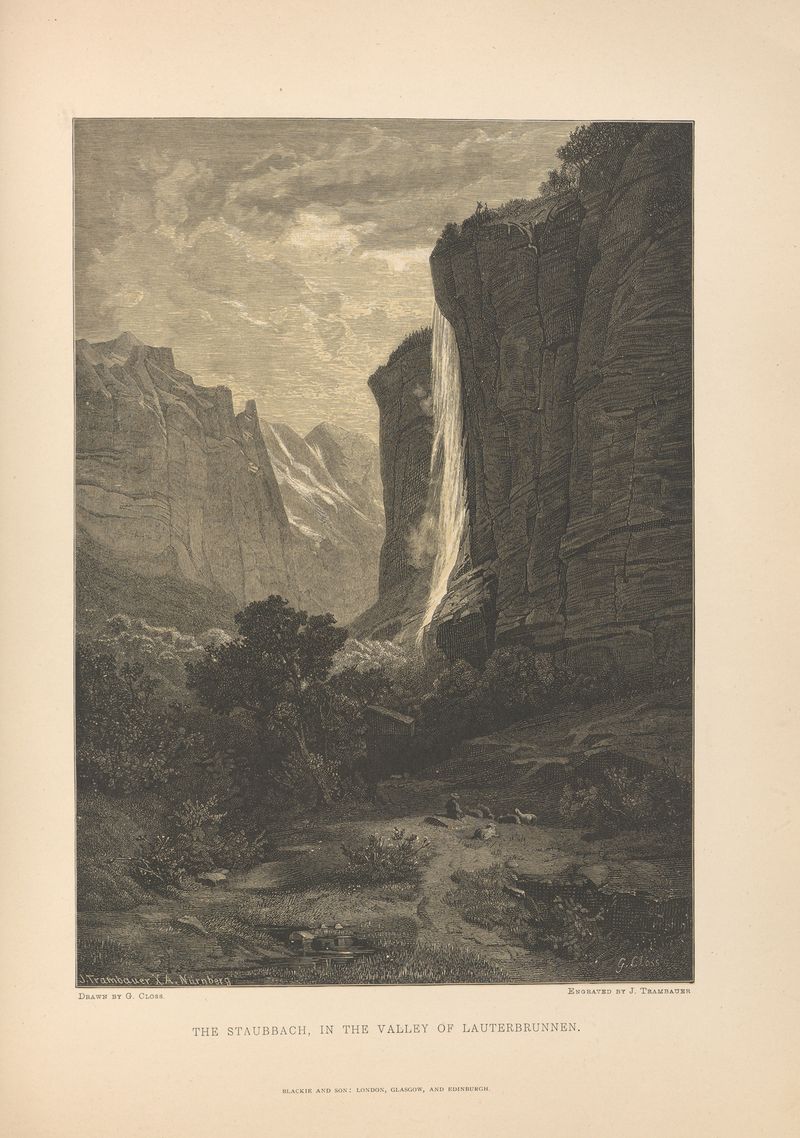
G. Closs – The Staubbach, in the Valley of Lauterbrunnen
Theodor Gsell Fels
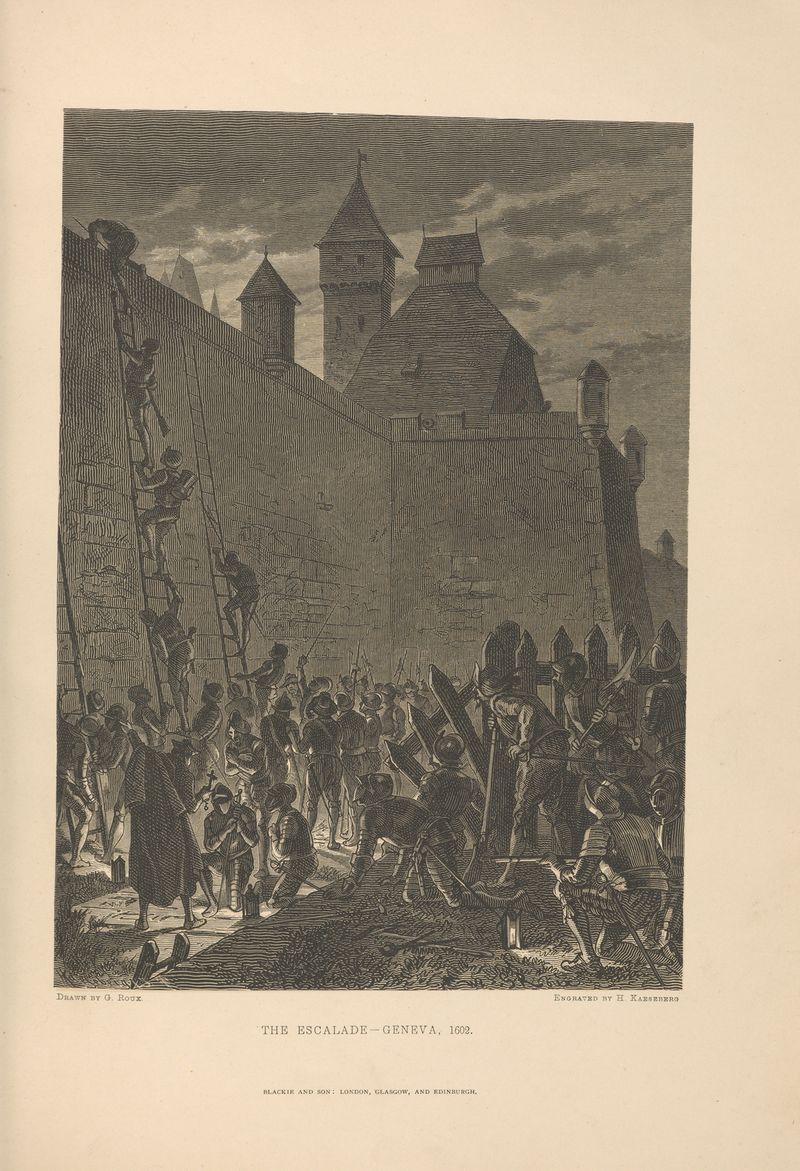
G. Roux – The Escalade, Geneva
Theodor Gsell Fels
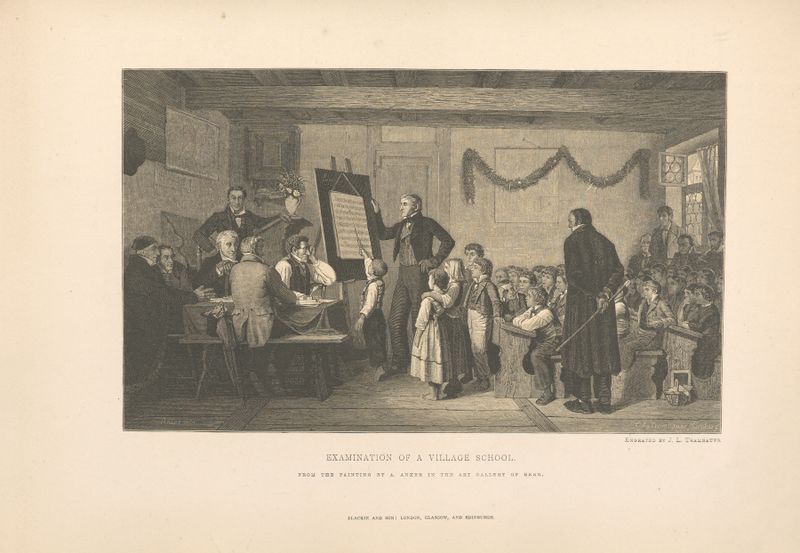
A. Anker – Examination of a Village School
Theodor Gsell Fels
More Religious Art
Browse all →
The Return of the Prodigal Son
Rembrandt van Rijn

The Garden of Earthly Delights
El Bosco

Count Orgaz’ funeral
El Greco

The Hundred Guilder Print: the central piece with Christ preaching, the plate arched
Rembrandt van Rijn

The Descent from the Cross
Rogier van der Weyden

The return of the prodigal son
Rembrandt van Rijn