
Jozef en de vrouw van Potifar — History & Facts
In Jozef en de vrouw van Potifar, innocence and betrayal intertwine, crafting a narrative as old as time itself. The weight of choice hangs palpably in the air, an invitation to witness the fragility of virtue in a world ripe with temptation. Focus on the figures at the center, where Joseph stands poised yet conflicted, his body turned away from the advancing woman. Notice how the painter employs soft, muted colors to capture the innocence of the moment—Joseph's clothing is simple and unadorned, contrasting sharply with the rich, luxurious fabric draped over Potiphar's wife.
This stark juxtaposition of their garments speaks volumes; the lushness surrounding her emphasizes her seductive intentions, while Joseph’s posture embodies resistance and moral rectitude. Delve into the tension swirling around them, especially in the woman's gaze, which combines desire and desperation. Her outstretched hand beckons with urgency, while her expression reveals a haunting blend of longing and desperation for a connection she knows is wrong. The shadows cast by the flickering light seem to whisper secrets, suggesting that every unspoken word holds the weight of a deeper narrative—one of temptation, power, and the struggle between innocence and guilt. In 1544, Hans Sebald Beham painted this profound scene amid the flourishing landscape of the Northern Renaissance, when moral narratives were frequently explored through art.
Navigating a world of shifting allegiances and emerging humanist ideas, he sought to capture psychological depth and moral complexity in his works, reflecting both personal and societal struggles of his time.
More Artworks by Hans Sebald Beham
Browse all →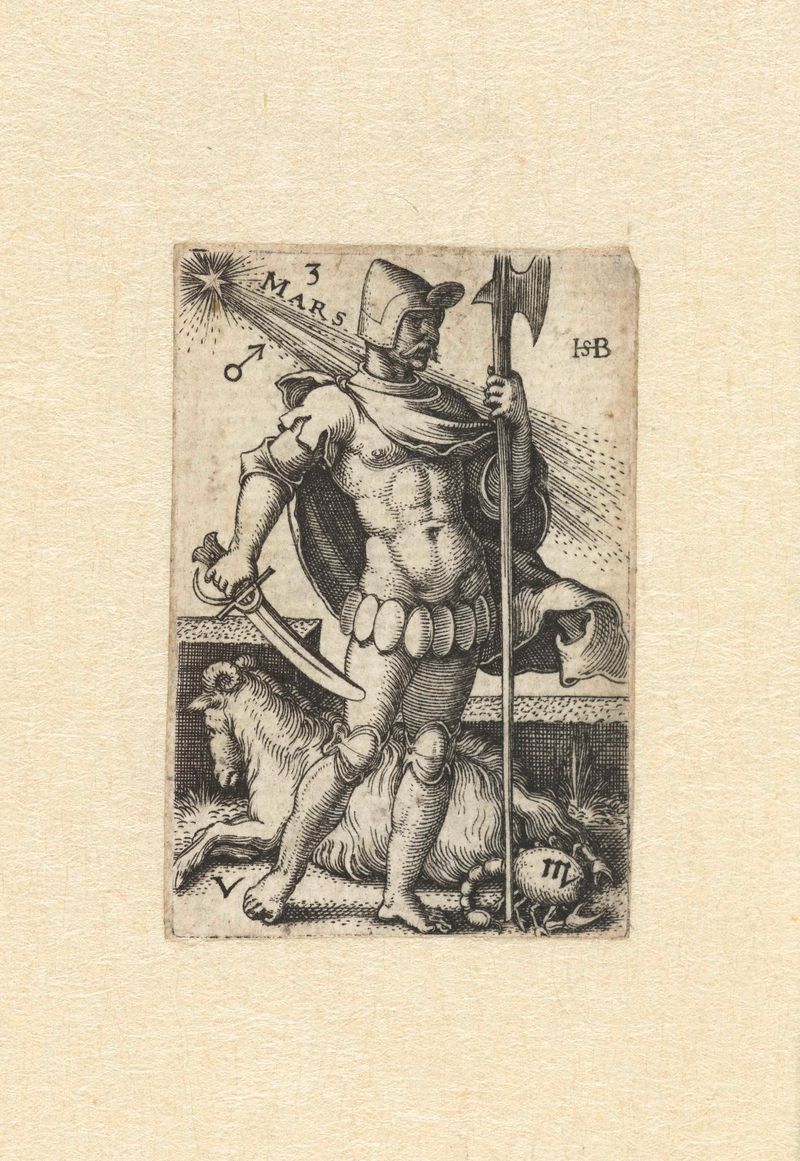
Mars met sterrenbeelden Ram en Schorpioen
Hans Sebald Beham

Achilles in gevecht met Hector
Hans Sebald Beham
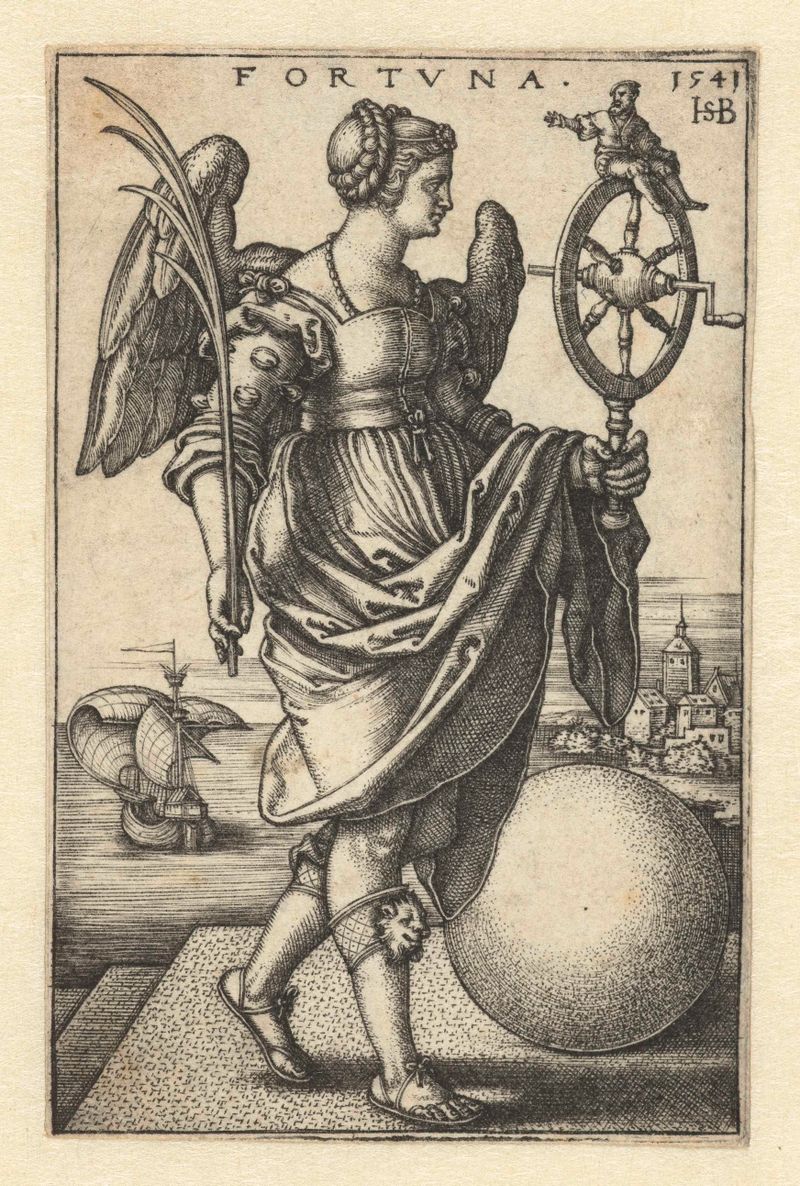
Fortuna
Hans Sebald Beham

Hercules worstelt met Antaeus
Hans Sebald Beham

Twee muzikanten met schalmey en doedelzak
Hans Sebald Beham

Voorzichtigheid (Prudentia)
Hans Sebald Beham

Hercules in gevecht met de Trojanen
Hans Sebald Beham
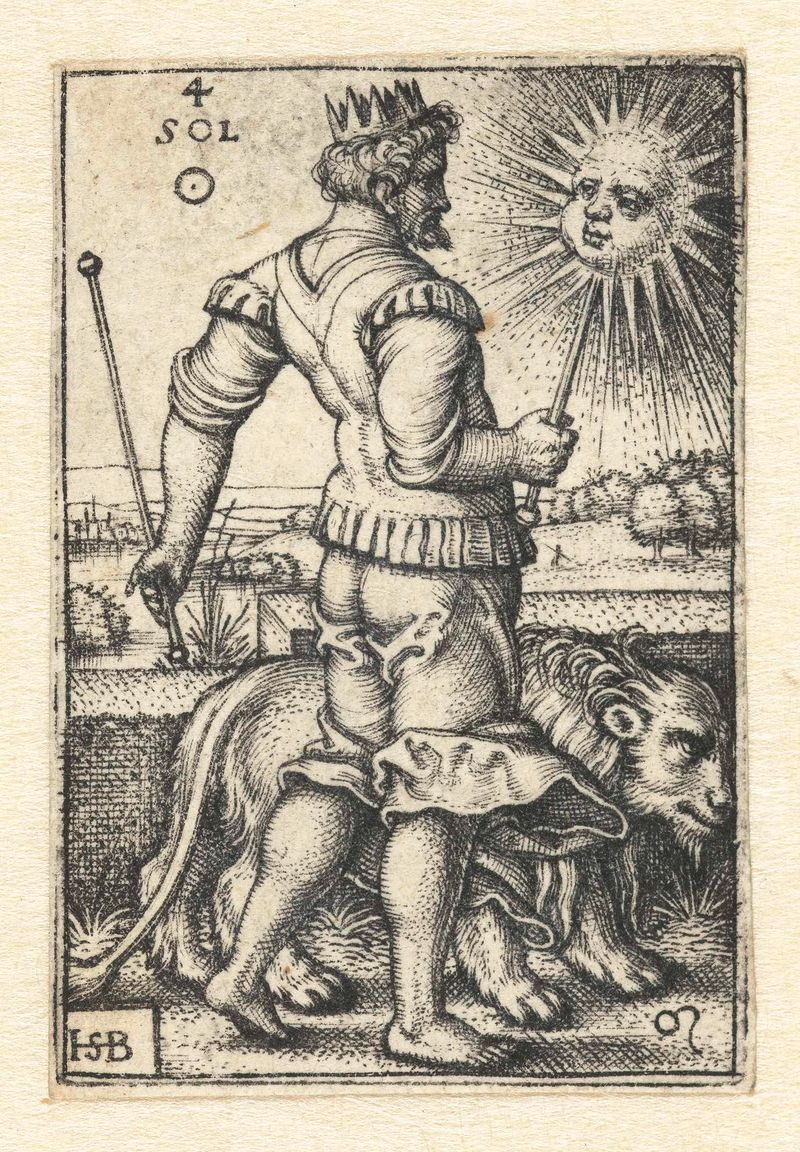
Apollo (Sol) met sterrenbeeld Leeuw
Hans Sebald Beham
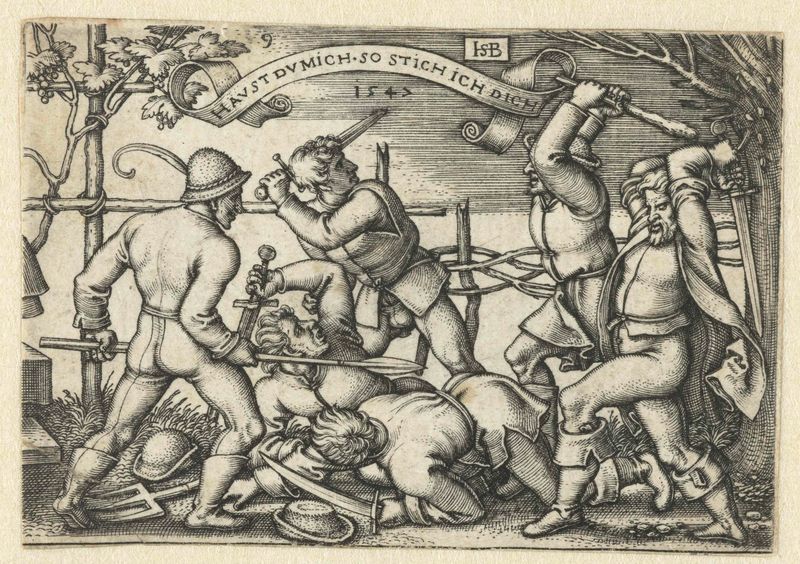
Vechtende boeren met zwaarden
Hans Sebald Beham
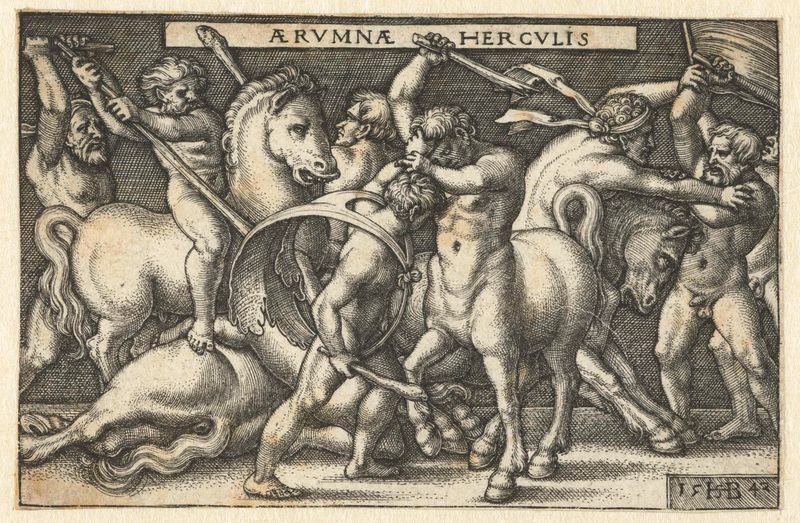
Hercules in gevecht met centaurs
Hans Sebald Beham
More Religious Art
Browse all →
The Return of the Prodigal Son
Rembrandt van Rijn

The Garden of Earthly Delights
El Bosco

Count Orgaz’ funeral
El Greco

The Hundred Guilder Print: the central piece with Christ preaching, the plate arched
Rembrandt van Rijn

The Descent from the Cross
Rogier van der Weyden

The return of the prodigal son
Rembrandt van Rijn