
Judas Taddeüs — History & Facts
In the stillness of Judas Taddeüs, a delicate balance resides between light and shadow, revealing profound layers of meaning. Each detail invites contemplation, asking us to linger a moment longer, to listen to the whispers hidden within the painted canvas. Look to the central figure, where Taddeus stands poised in a rich green robe, his expression a mix of conviction and introspection. Focus on the luminous halo encircling his head, a stark contrast to the muted earth tones of the background.
Notice how the gentle brushwork captures the play of light upon folds in the fabric, emphasizing his presence while creating a sense of otherworldliness. The composition draws the eye towards the outstretched hand, which is imbued with a sense of beckoning, inviting viewers to explore further. The emotional tension in this work lies in the duality of Taddeus’s role—a guide and a witness encased in silence. His gaze, though serene, carries the weight of unspoken truths, suggesting a balance between faith and doubt.
The carefully rendered details, such as the softly painted textures of his robe and the background's subtle hues, evoke a quiet reverence, emphasizing the inner conflict between belief and betrayal. Here, balance is not merely a visual motif but a thematic exploration of spiritual struggle. Between 1545 and 1546, during a time of religious upheaval in Europe, Beham painted this work amidst the tensions of the Reformation. An artist known for his mastery of chiaroscuro and intricate detail, he navigated the complexities of faith and ideology in his artwork.
The period marked a significant evolution in how religious figures were represented, blending emotive expression with nuanced narrative, positioning Beham as a key player in the transformative landscape of Renaissance art.
More Artworks by Hans Sebald Beham
Browse all →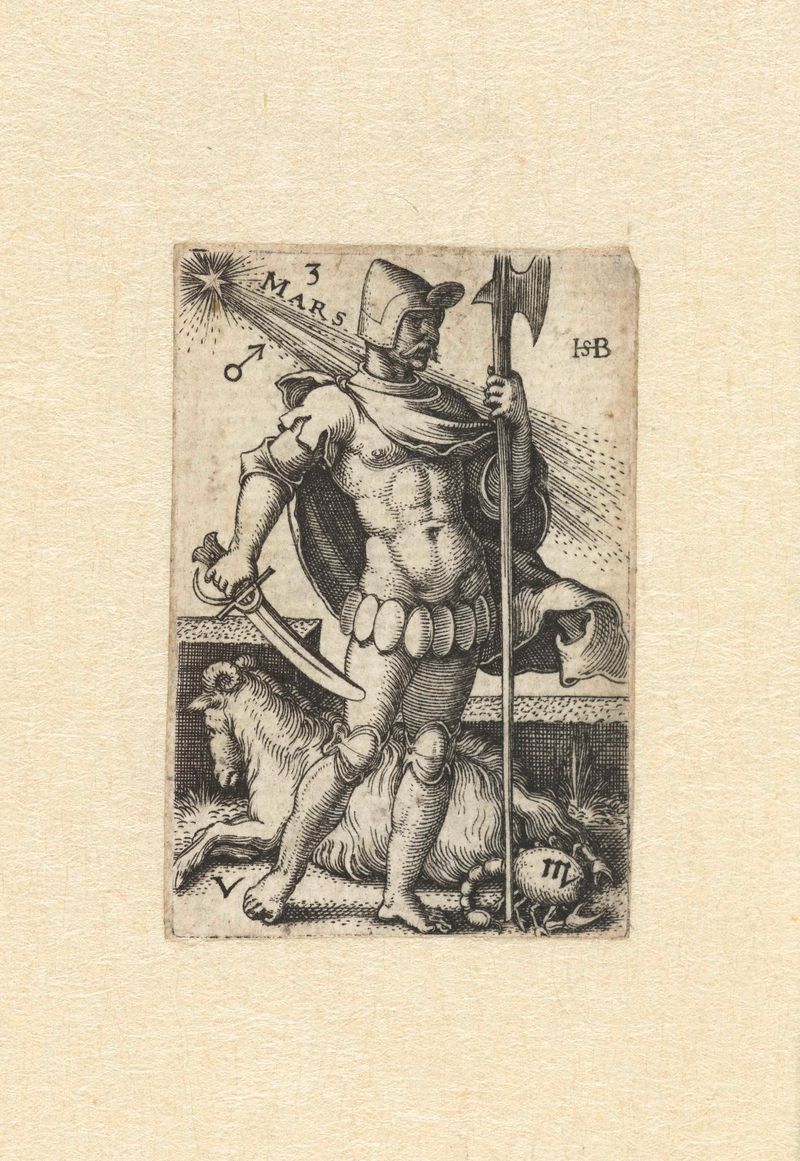
Mars met sterrenbeelden Ram en Schorpioen
Hans Sebald Beham

Achilles in gevecht met Hector
Hans Sebald Beham
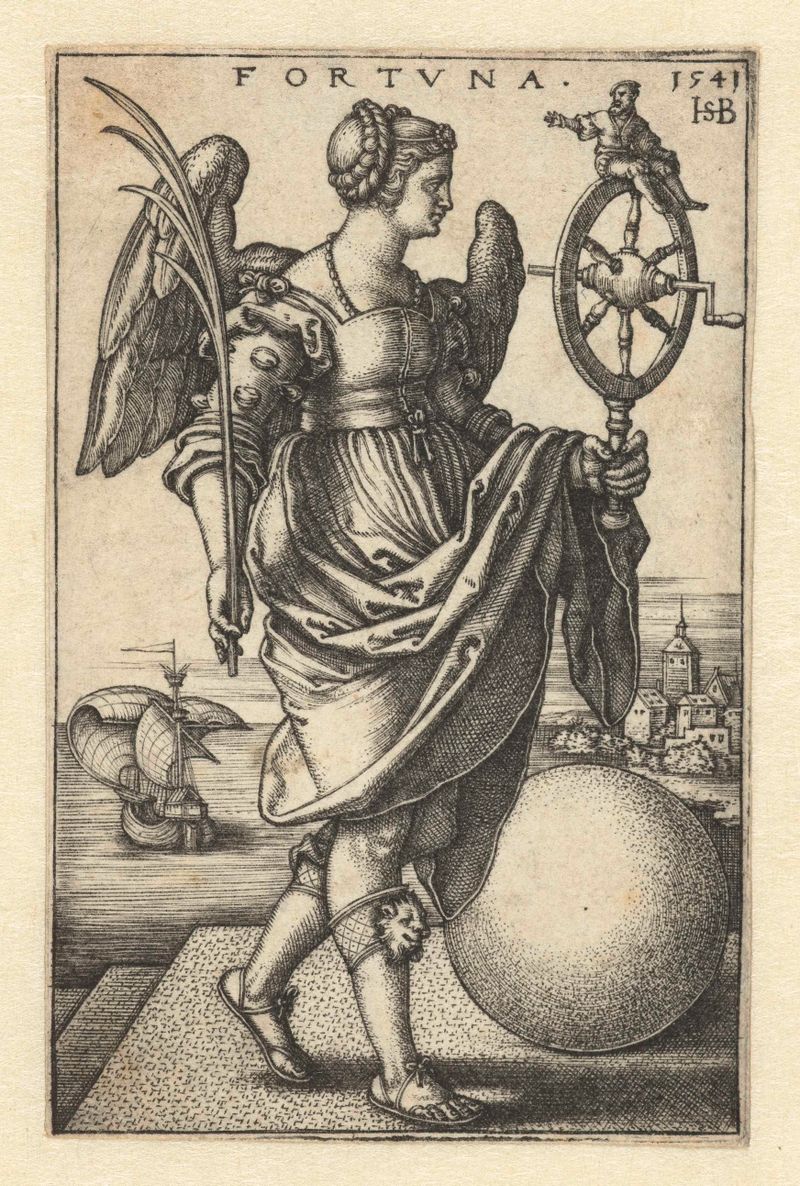
Fortuna
Hans Sebald Beham

Hercules worstelt met Antaeus
Hans Sebald Beham

Twee muzikanten met schalmey en doedelzak
Hans Sebald Beham

Voorzichtigheid (Prudentia)
Hans Sebald Beham

Hercules in gevecht met de Trojanen
Hans Sebald Beham
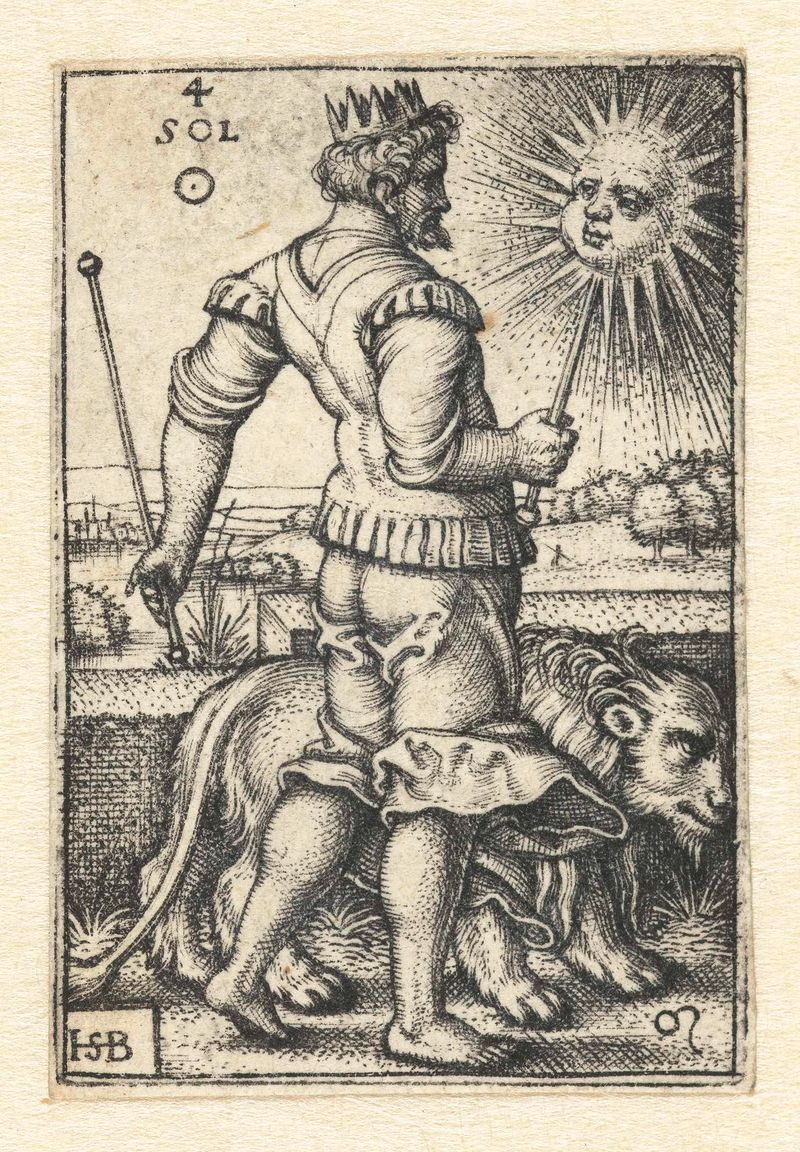
Apollo (Sol) met sterrenbeeld Leeuw
Hans Sebald Beham
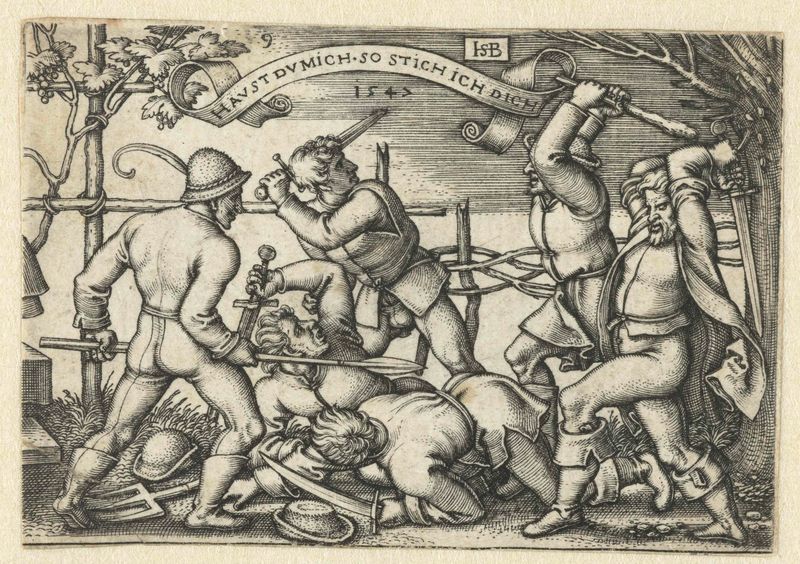
Vechtende boeren met zwaarden
Hans Sebald Beham
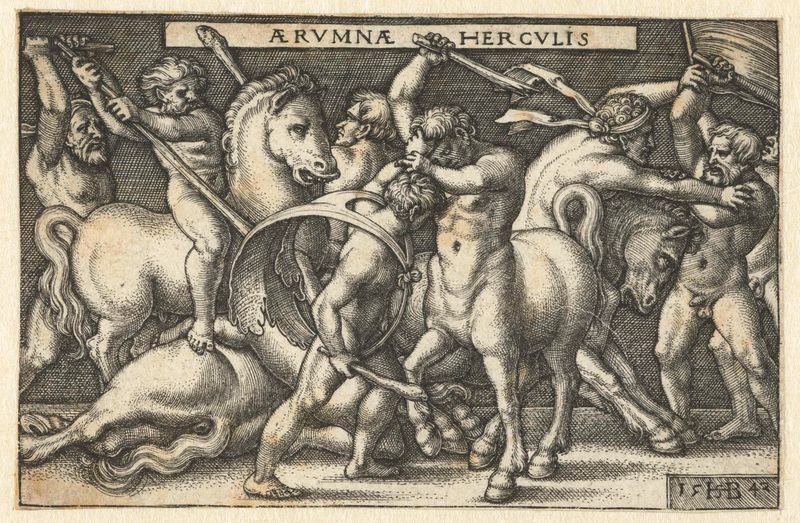
Hercules in gevecht met centaurs
Hans Sebald Beham
More Religious Art
Browse all →
The Return of the Prodigal Son
Rembrandt van Rijn

The Garden of Earthly Delights
El Bosco

Count Orgaz’ funeral
El Greco

The Hundred Guilder Print: the central piece with Christ preaching, the plate arched
Rembrandt van Rijn

The Descent from the Cross
Rogier van der Weyden

The return of the prodigal son
Rembrandt van Rijn