
Judith met hoofd van Holofernes en dienstmaagd — History & Facts
Could a single brushstroke hold eternity? In Judith met hoofd van Holofernes en dienstmaagd, the tension of movement, captured in stillness, beckons us to ponder the depths of action and consequence. Look closely at the dynamic pose of Judith, her figure elegantly poised as she brandishes the severed head. The way her flowing garments cascade downwards draws the eye, skillfully pulling our gaze along the diagonal lines that create a sense of urgency. The cool tones of her skin contrast sharply with the rich, dark textures of the background, emphasizing her centrality and the gravity of her deed.
Notice how light navigates the contours of her face and arms, illuminating her resolve while casting shadows that hint at the darkness surrounding her. Beneath the surface, a complex interplay of emotions unfolds. Judith’s expression is resolute yet tinged with a flicker of vulnerability, suggesting a duality of strength and sacrifice. The presence of her maidservant, almost obscured by shadow, serves as a reminder of the cost of betrayal and the weight of complicity.
This contrast between light and dark, not just in color but in emotional tone, deepens the narrative, inviting viewers to reflect on the moral dimensions of power and loyalty. Hans Sebald Beham created this work between 1510 and 1550, a time when the Northern Renaissance was flourishing. Amidst the burgeoning interest in humanism and complex narrative themes, Beham found his place, often intertwining myth and morality in his art. His nuanced approach to figures reflected both personal mastery and the broader transitions in artistic expression, revealing a world in which the strokes of his brush were imbued with the weight of history and the spark of individuality.
More Artworks by Hans Sebald Beham
Browse all →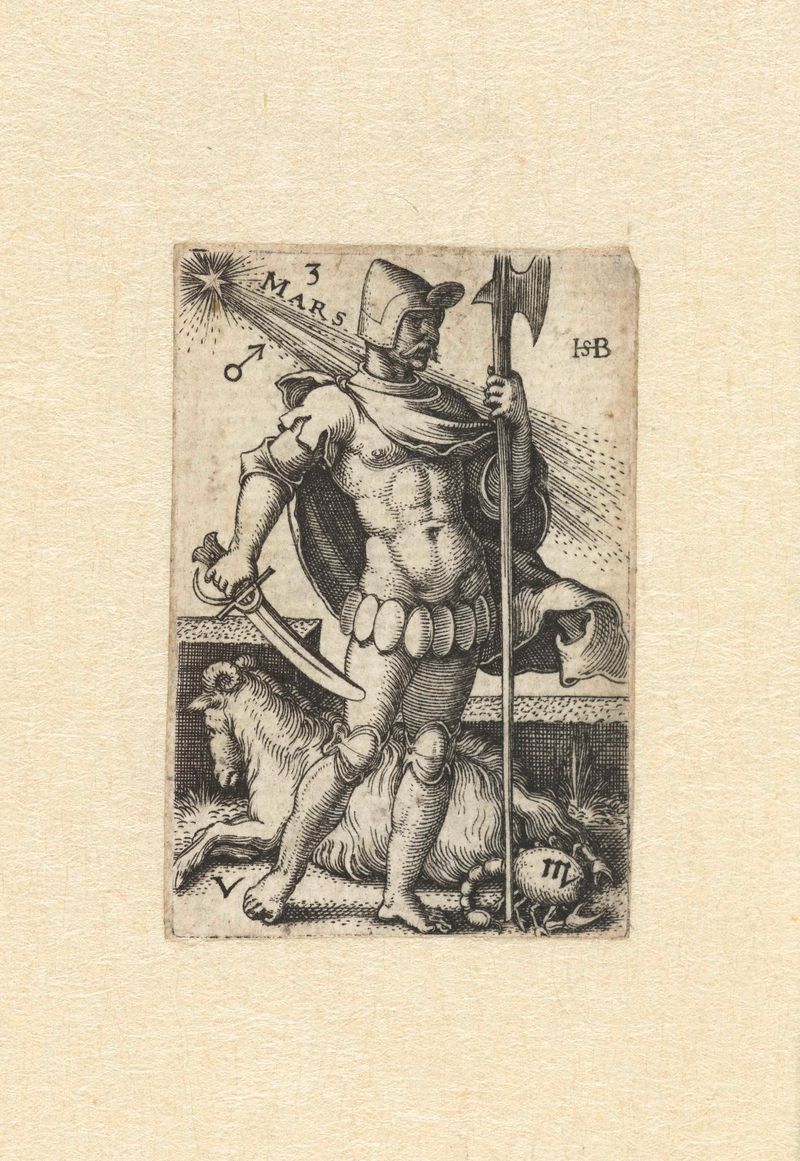
Mars met sterrenbeelden Ram en Schorpioen
Hans Sebald Beham

Achilles in gevecht met Hector
Hans Sebald Beham
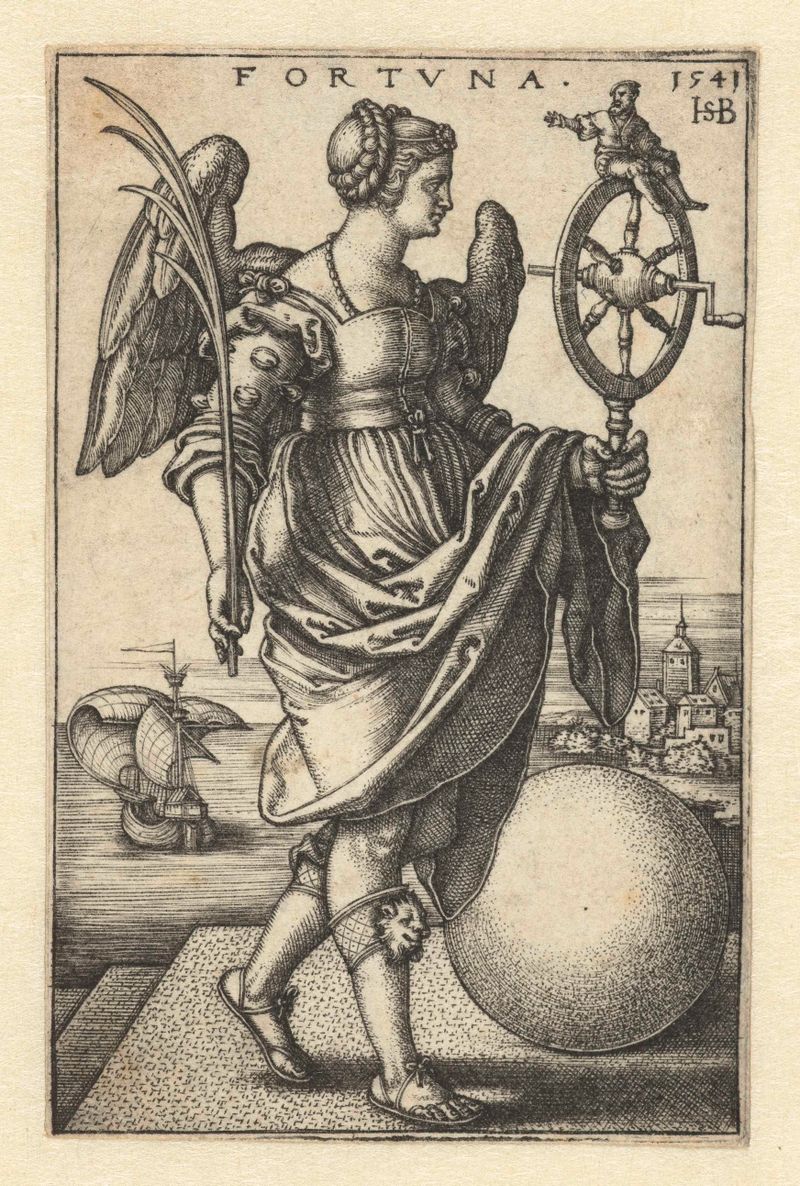
Fortuna
Hans Sebald Beham

Hercules worstelt met Antaeus
Hans Sebald Beham

Twee muzikanten met schalmey en doedelzak
Hans Sebald Beham

Voorzichtigheid (Prudentia)
Hans Sebald Beham

Hercules in gevecht met de Trojanen
Hans Sebald Beham
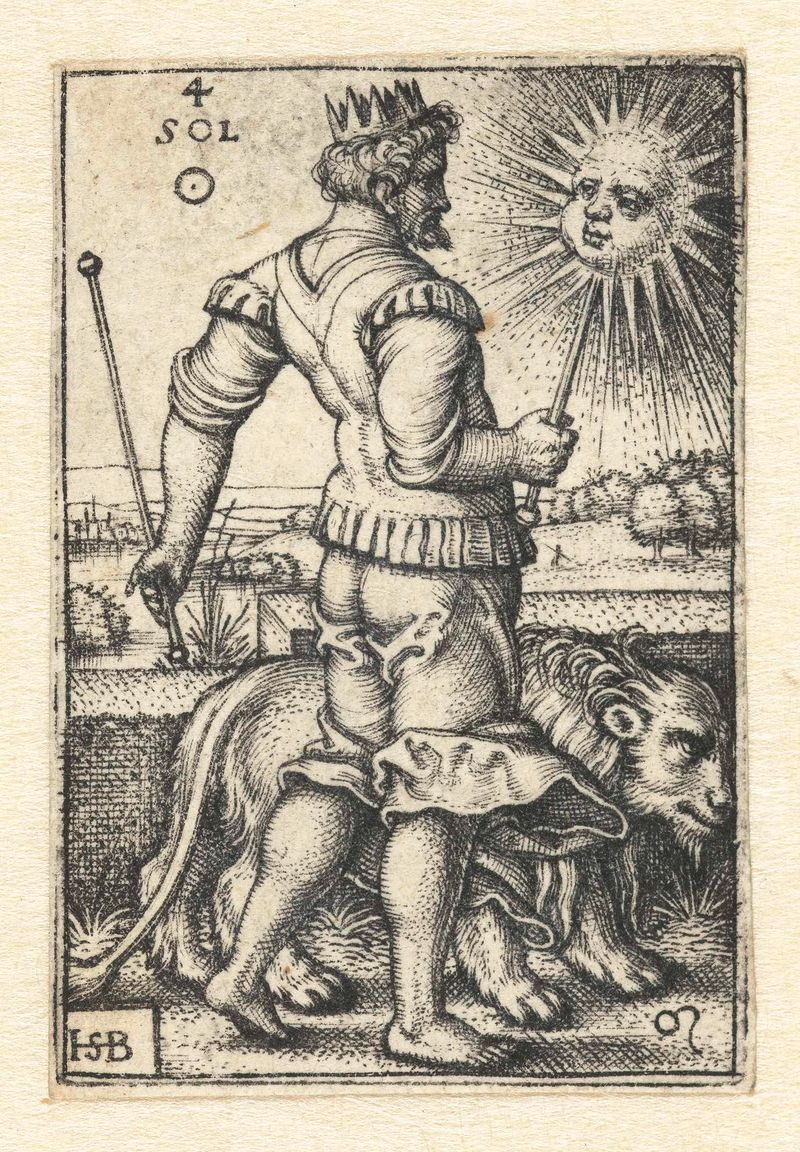
Apollo (Sol) met sterrenbeeld Leeuw
Hans Sebald Beham
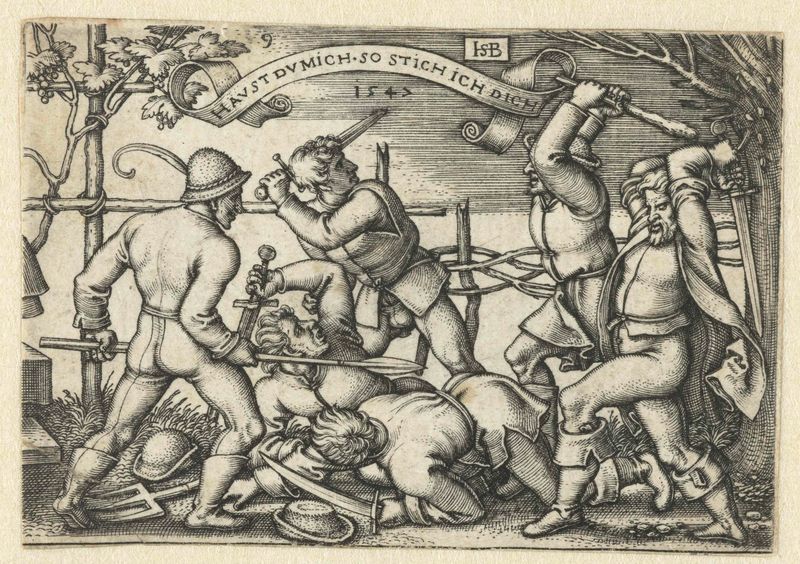
Vechtende boeren met zwaarden
Hans Sebald Beham
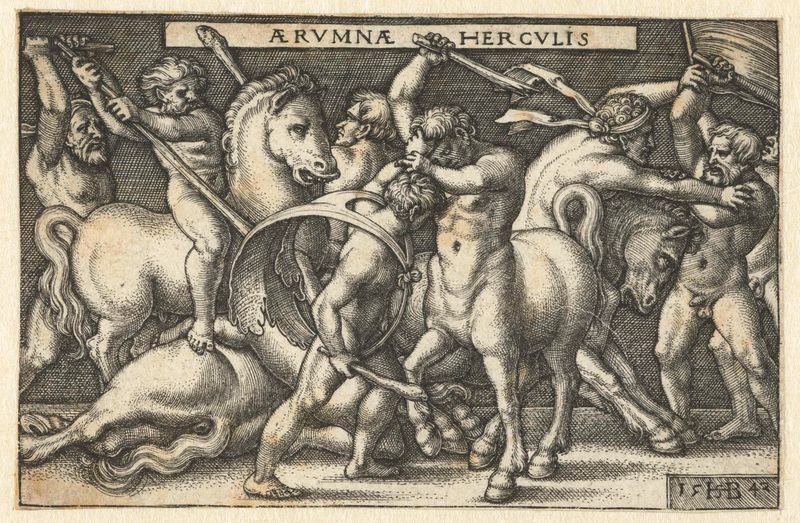
Hercules in gevecht met centaurs
Hans Sebald Beham
More Religious Art
Browse all →
The Return of the Prodigal Son
Rembrandt van Rijn

The Garden of Earthly Delights
El Bosco

Count Orgaz’ funeral
El Greco

The Hundred Guilder Print: the central piece with Christ preaching, the plate arched
Rembrandt van Rijn

The Descent from the Cross
Rogier van der Weyden

The return of the prodigal son
Rembrandt van Rijn