
Judith met hoofd van Holofernes en dienstmaagd — History & Facts
In the delicate shadows and luminous highlights of a moment frozen in time, the interplay of faith and fragility becomes palpable. The tension lies not just in the act, but in the essence of what it means to confront the divine and the destructive. Look closely at the figures; the bold yet calculated strokes define Judith's resolute expression as she clutches the severed head of Holofernes. Focus on the intricate patterns of her flowing garment, richly adorned and steeped in symbolism, that contrasts starkly with the starkness of her grim victory.
Notice how light dances off the lavish fabrics, drawing the eye to the vibrant reds and golds, which suggest both sensuality and sacrifice. The composition is tight, and the positioning of the servant, almost hovering in the background, underscores the emotional weight of the moment. Within this intense scene, contrasts emerge: Judith's victorious strength is juxtaposed against the remnants of violence, revealing the duality of power and vulnerability. The servant's passive presence invites contemplation on the nature of complicity and the shadows cast by heroic acts.
This dynamic raises questions about the price of faith—a theme reverberating through the ages, challenging viewers to grapple with moral complexity. Created between 1510 and 1550, this work reflects a tumultuous era where the Reformation stirred deep spiritual and artistic transformations. Beham, part of the German Renaissance, navigated personal and societal upheaval; his interpretations of biblical narratives echoed the shifting tides of belief and human experience. In this context, the artwork serves as a reflection not only of individual struggle but also of collective faith facing the stark realities of existence.
More Artworks by Hans Sebald Beham
Browse all →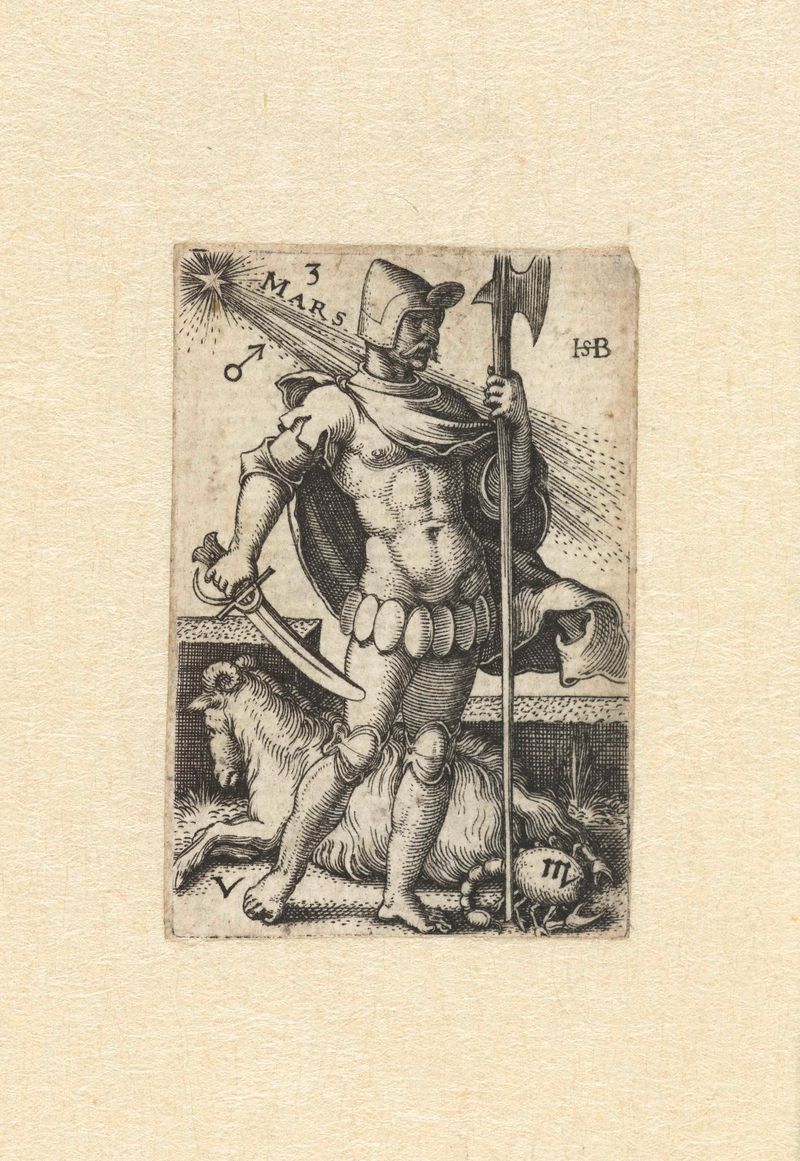
Mars met sterrenbeelden Ram en Schorpioen
Hans Sebald Beham

Achilles in gevecht met Hector
Hans Sebald Beham
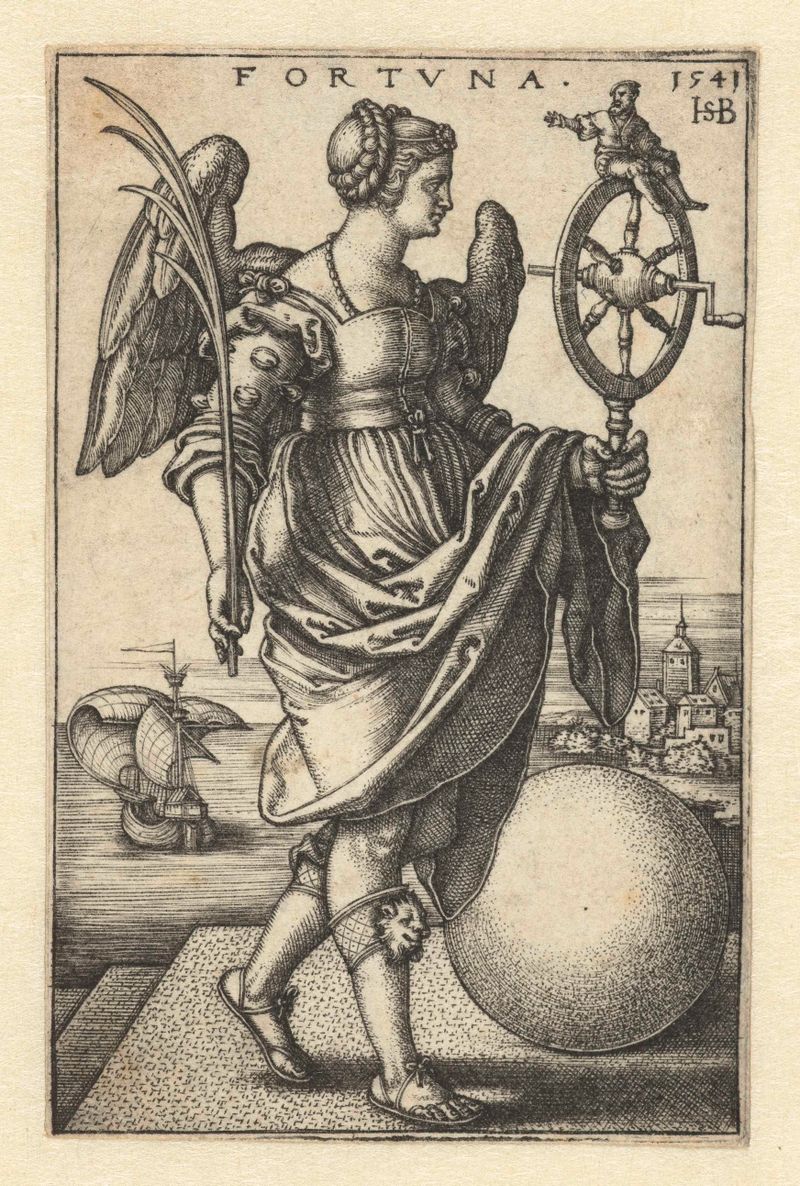
Fortuna
Hans Sebald Beham

Hercules worstelt met Antaeus
Hans Sebald Beham

Twee muzikanten met schalmey en doedelzak
Hans Sebald Beham

Voorzichtigheid (Prudentia)
Hans Sebald Beham

Hercules in gevecht met de Trojanen
Hans Sebald Beham
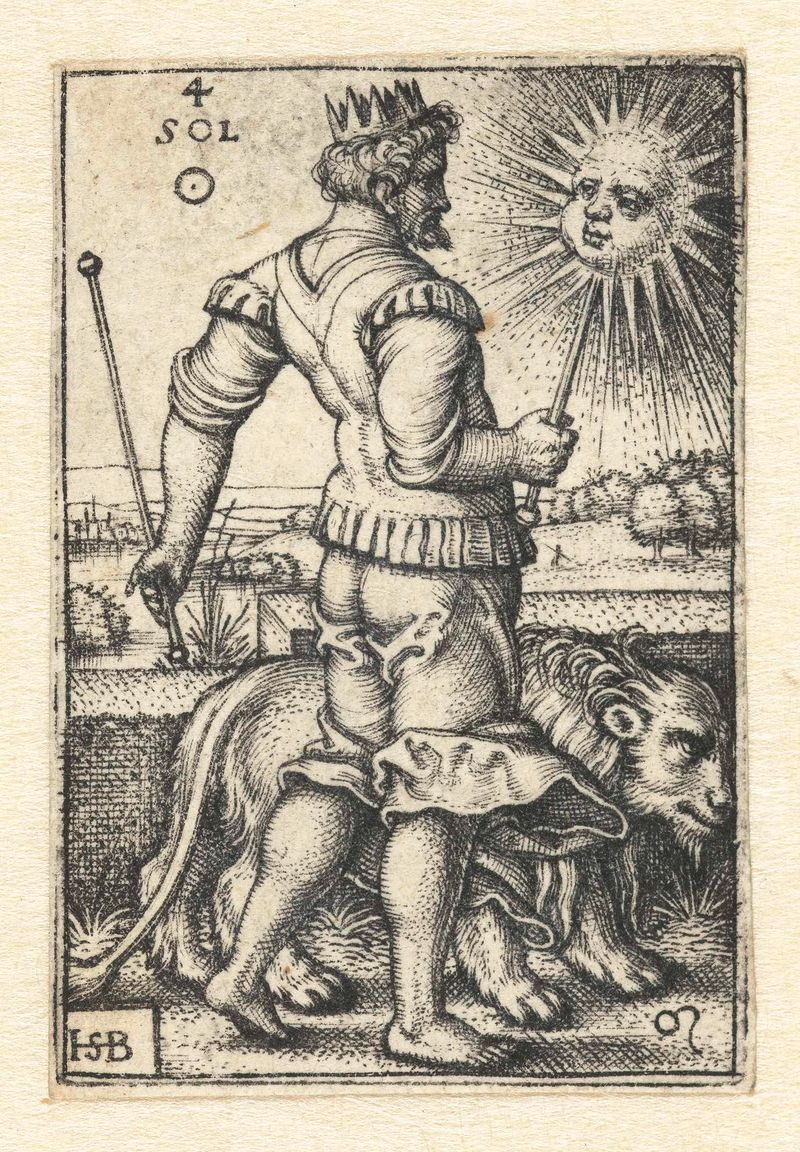
Apollo (Sol) met sterrenbeeld Leeuw
Hans Sebald Beham
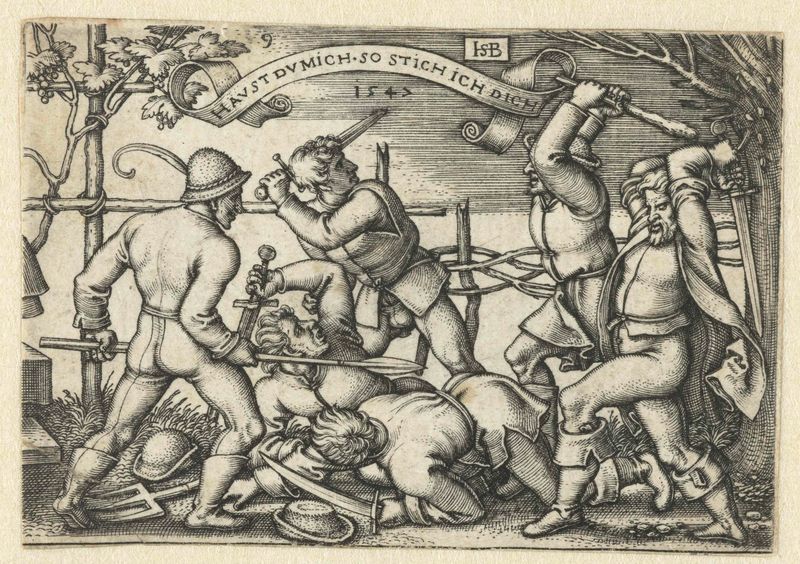
Vechtende boeren met zwaarden
Hans Sebald Beham
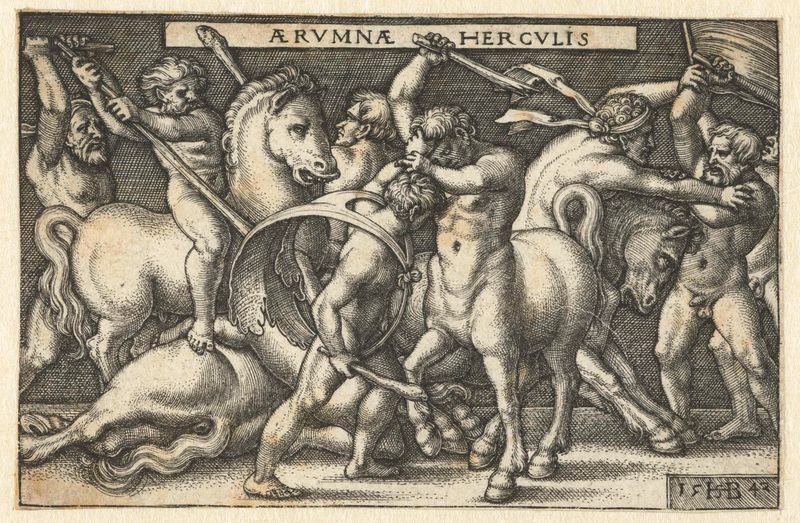
Hercules in gevecht met centaurs
Hans Sebald Beham
More Religious Art
Browse all →
The Return of the Prodigal Son
Rembrandt van Rijn

The Garden of Earthly Delights
El Bosco

Count Orgaz’ funeral
El Greco

The Hundred Guilder Print: the central piece with Christ preaching, the plate arched
Rembrandt van Rijn

The Descent from the Cross
Rogier van der Weyden

The return of the prodigal son
Rembrandt van Rijn