Jug — History & Facts
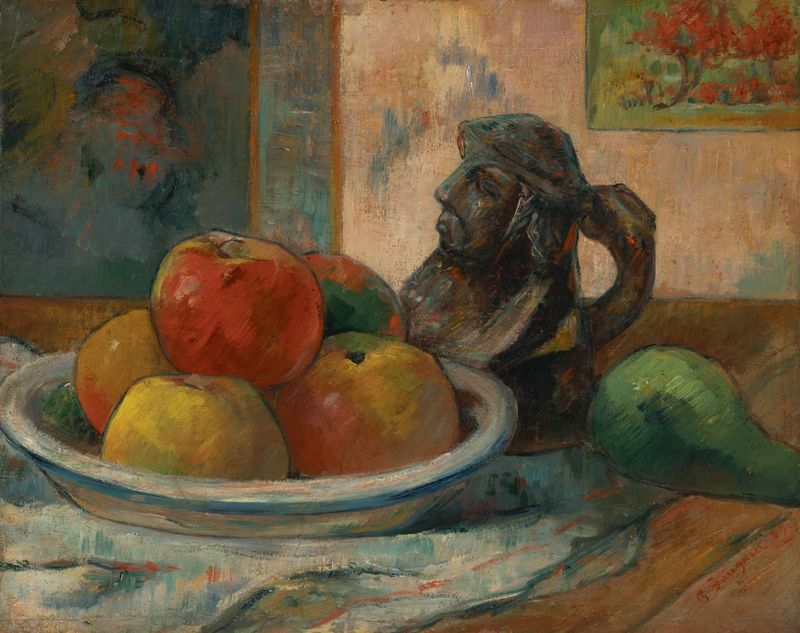
Can beauty exist without sorrow? The question lingers like a shadow over the delicate craftsmanship of this ancient jug, inviting contemplation on the duality of art. Look closely at the intricate patterns etched into the surface, where swirling motifs intertwine with the vessel's form. The earthy tones of terracotta contrast sharply with the glimmer of a faint glaze, hinting at the vessel’s utilitarian purpose, yet elevating it to something transcendent. Notice how the handle rises gracefully, both functional and ornamental, drawing the eye and suggesting that even the everyday can hold a quiet elegance. However, the jug's beauty is tinged with a subtle violence, evoking the tumultuous times of its creation.
The wear and tear of the surface tell tales of use, while the lovingly rendered decorations might mask the harsh realities faced by its maker. The juxtaposition between the jug's refined aesthetics and the historical context of conflict reminds us that art often emerges from struggle, where beauty and sorrow coexist in a fragile balance. Created between 1590 and 1620, this piece hails from a period of significant upheaval in Europe, marked by wars and shifts in power. The artist, whose identity remains shrouded in mystery, likely faced societal turbulence that informed their work.
Amidst these conditions, the jug serves as a testament to resilience and creativity in the face of adversity, encapsulating a moment in time where beauty, whether intentional or not, was forever intertwined with the darker truths of existence.
More Artworks by Unknown Artist
Browse all →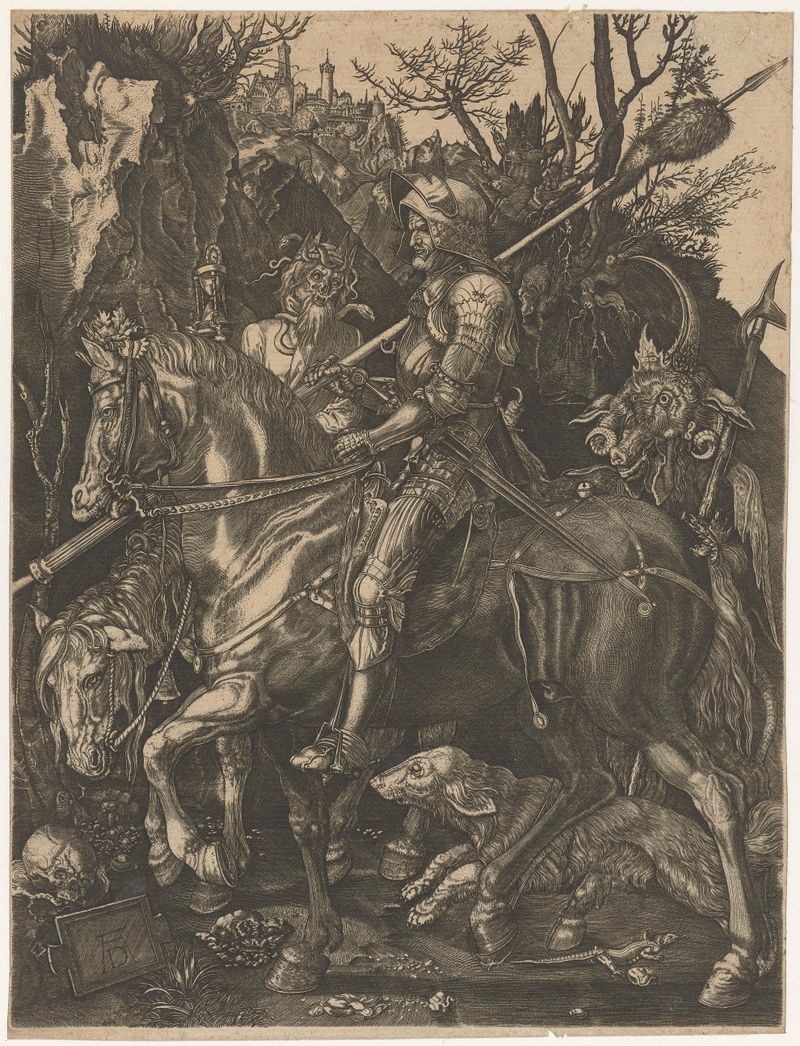
Ridder, Dood en Duivel
Unknown Artist
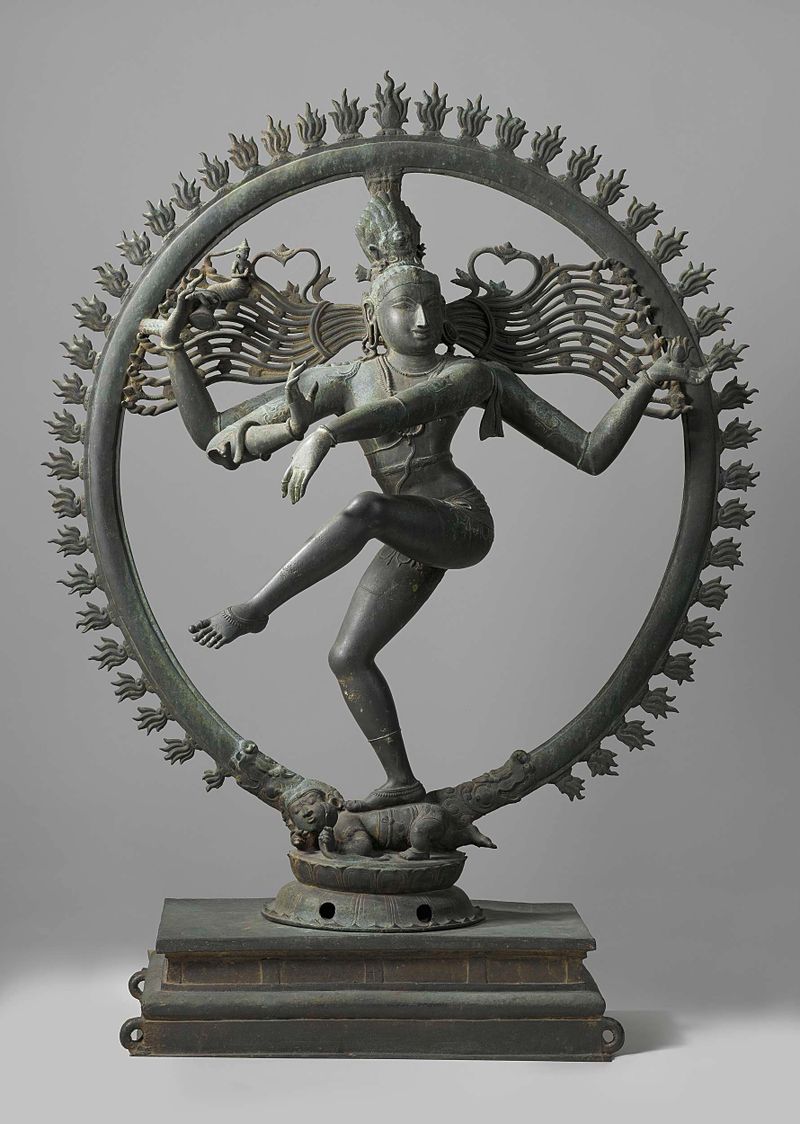
Shiva Nataraja
Unknown Artist
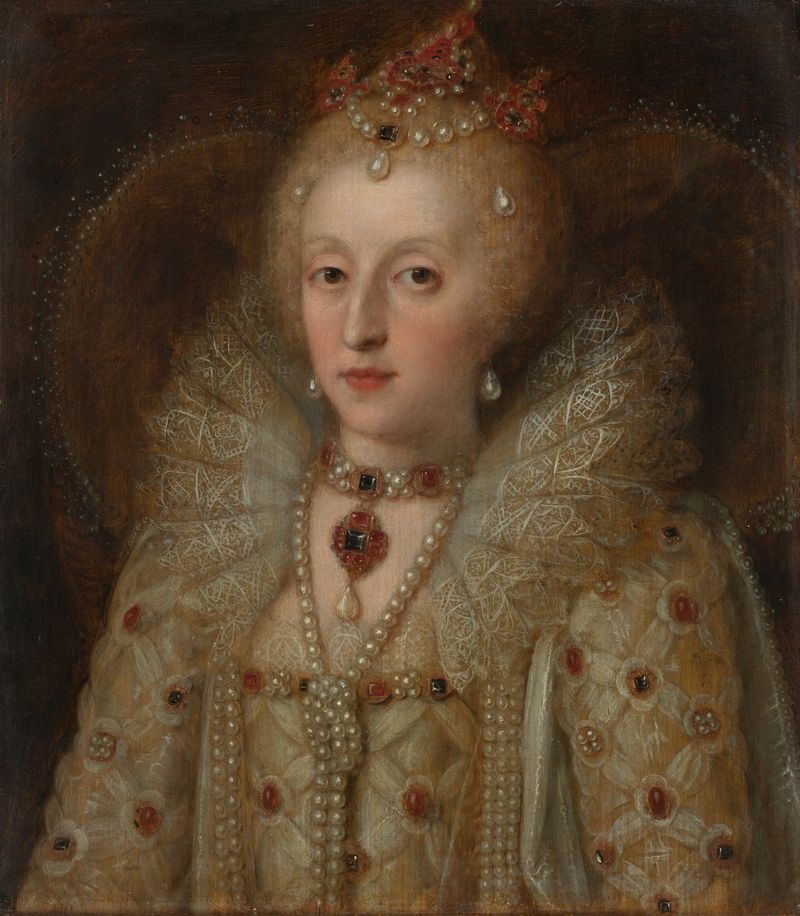
Portrait of Elizabeth I, Queen of England
Unknown Artist
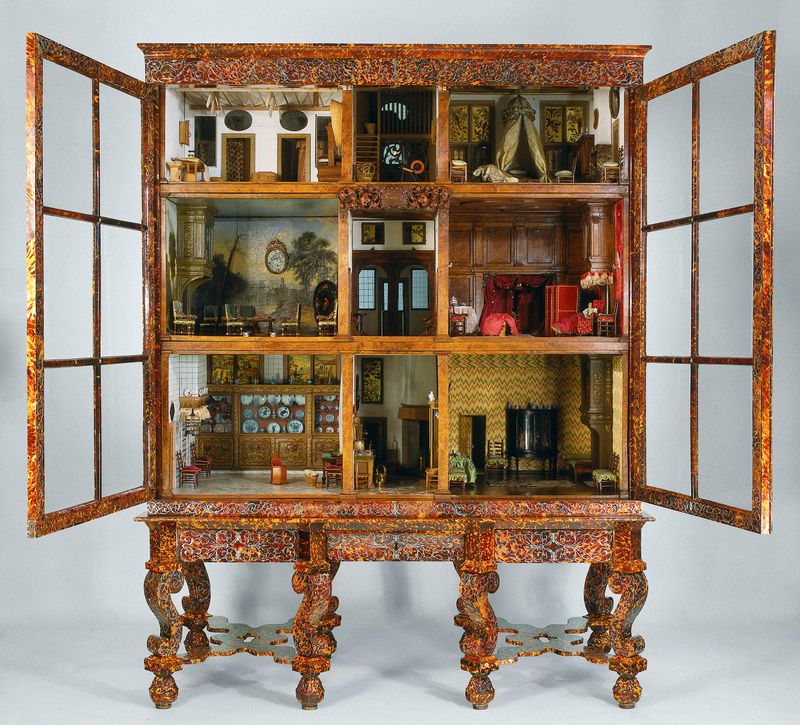
Dolls’ house of Petronella Oortman
Unknown Artist
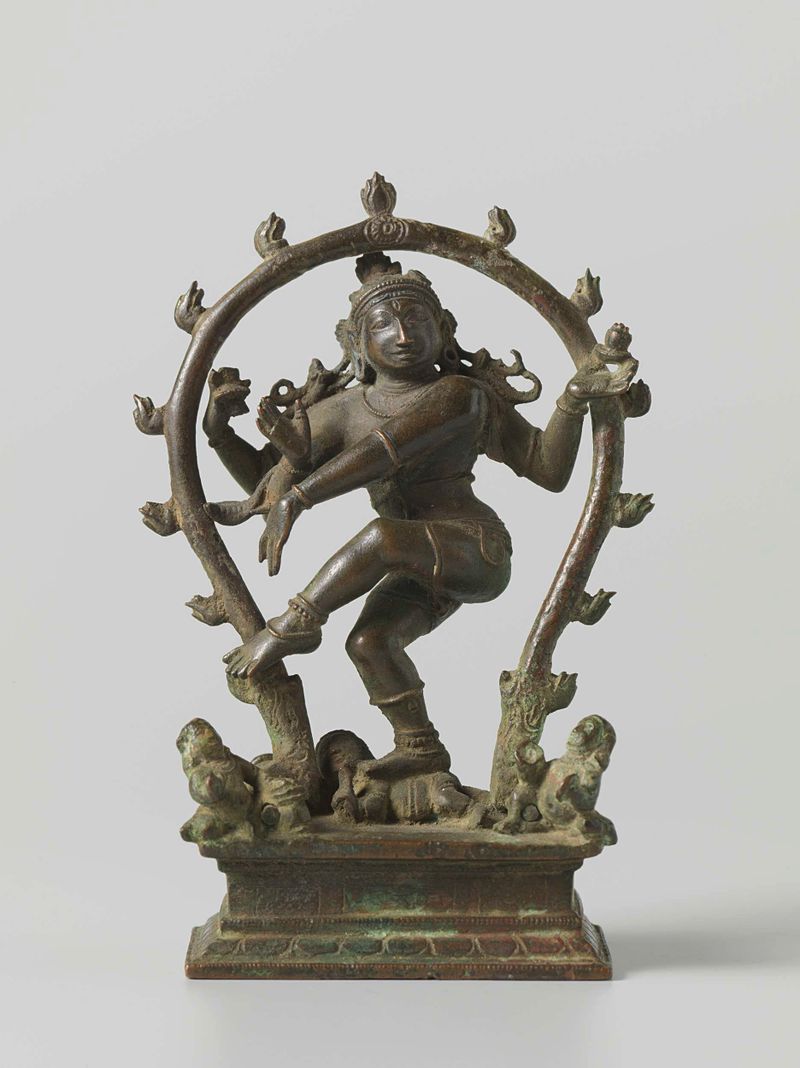
Shiva Nataraja
Unknown Artist

The Tale of Genji
Unknown Artist

The Tale of Genji
Unknown Artist

Cong
Unknown Artist
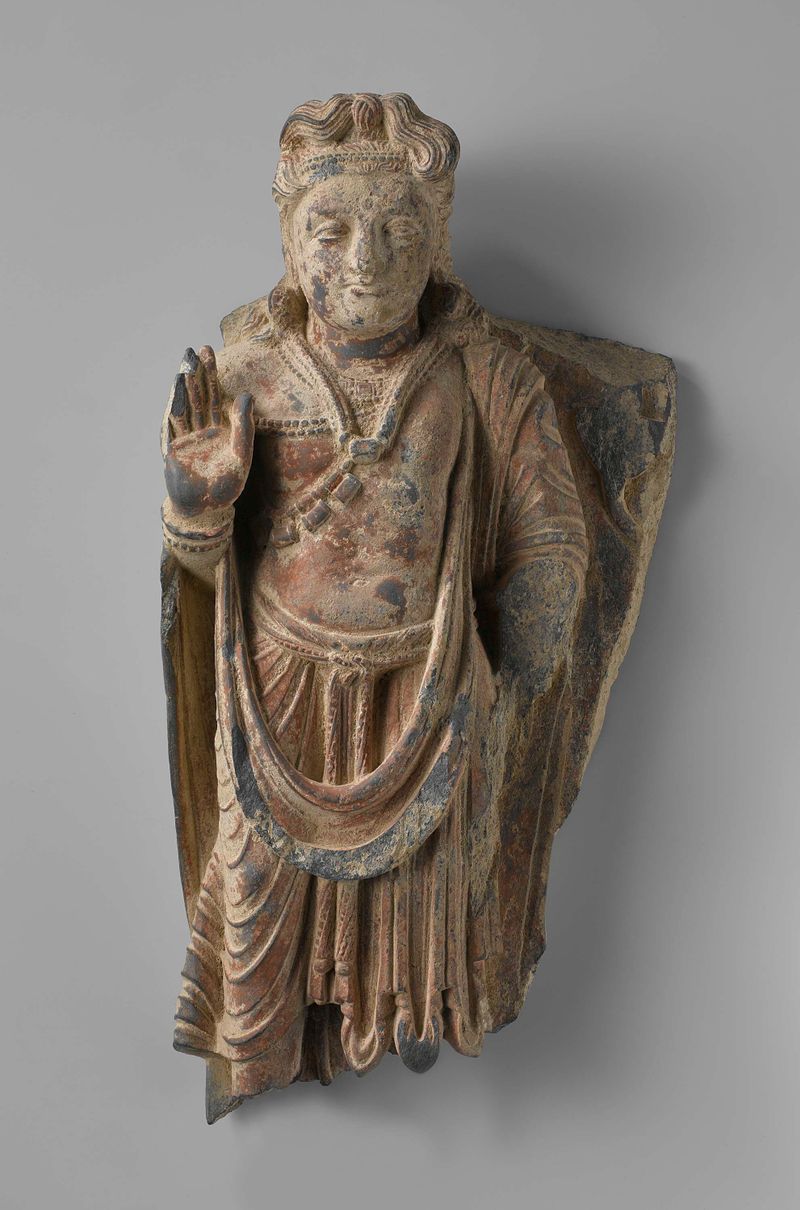
The bodhisattva Maitreya
Unknown Artist

Teabowl with a 'hare's fur' glaze
Unknown Artist