Jug or 'Jacobakan' — History & Facts
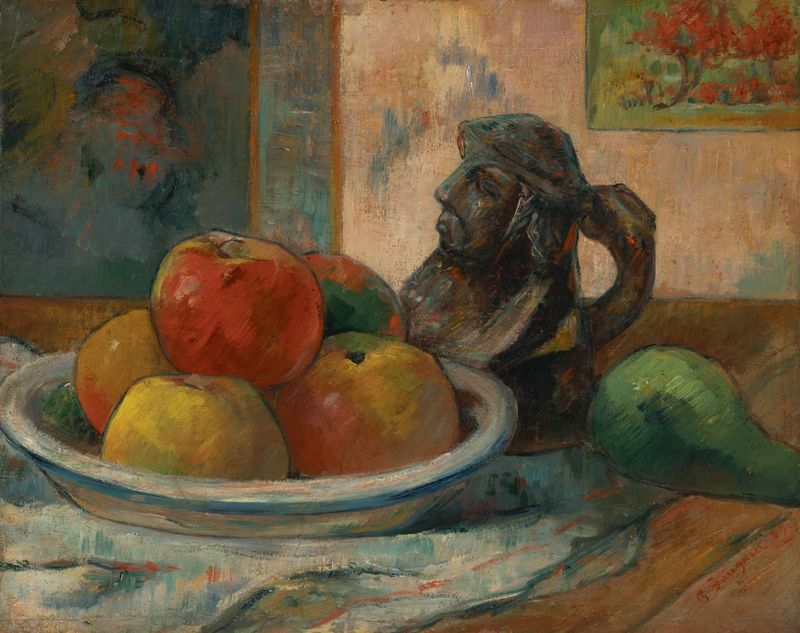
Is this a mirror — or a memory? The delicate curves of a jug, seemingly simple, hold within them the whispers of innocence and the echoes of the past. Look to the right at the intricate patterns adorning the jug's surface. Notice how the artists have employed a rich palette of deep blues and earthy browns, their tones harmonizing to create an almost ethereal quality. The light dances across the glaze, highlighting every contour, inviting your gaze to wander over its elegance.
The balanced composition draws attention to both the jug's form and its decorative elements, enveloping the viewer in a world where craftsmanship and artistry intertwine seamlessly. Delve deeper, and you may uncover the emotional resonance embedded in this work. The jug, a vessel of both utility and art, juxtaposes the mundane with the sublime. Its smooth, rounded shape contrasts with the elaborate motifs, symbolizing the innocence of everyday life elevated to a higher realm.
This contrast suggests a narrative of transition, urging us to reflect on the fleeting moments of purity that define our existence. Created in a time of social and cultural transformation, this piece emerges from a period where art was becoming increasingly tied to personal expression. Crafted in late medieval Europe, around 1300 to 1399, it reflects the burgeoning desire to capture beauty and meaning in everyday objects. The anonymous artist contributed to a legacy that would inspire generations, bridging the gap between functionality and artistry in a way that speaks to us even today.
More Artworks by Unknown Artist
Browse all →
Ridder, Dood en Duivel
Unknown Artist
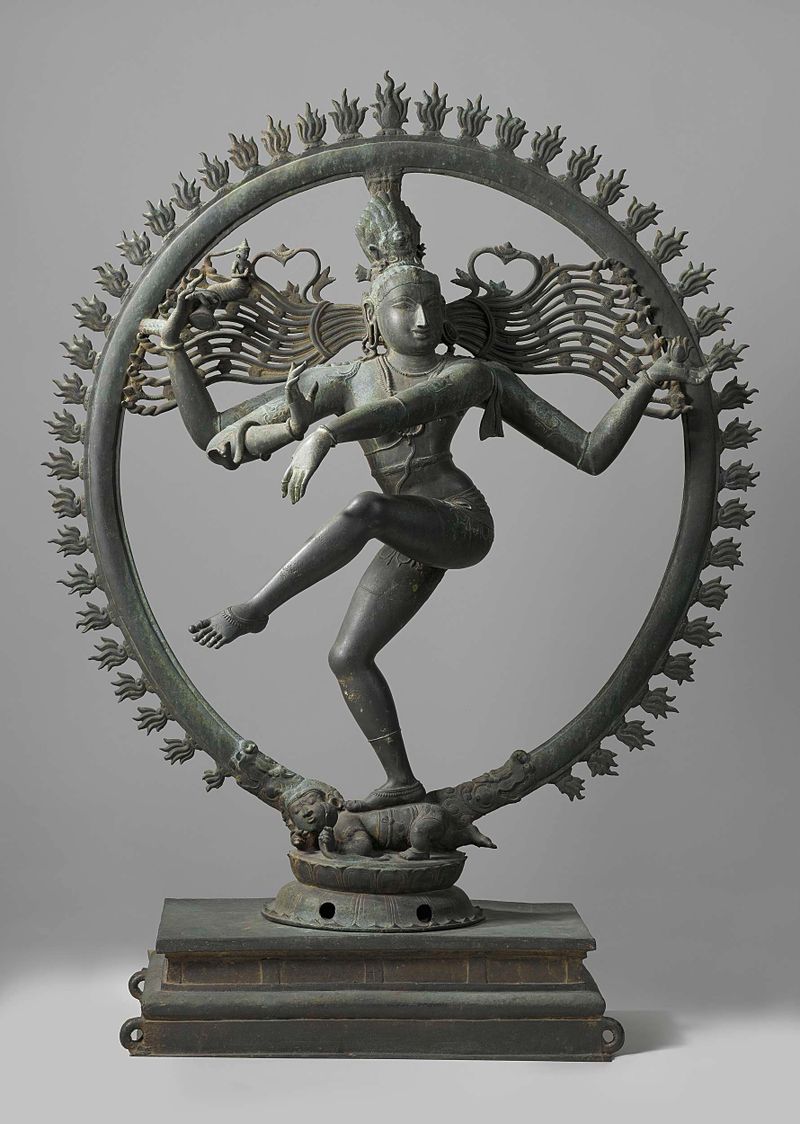
Shiva Nataraja
Unknown Artist
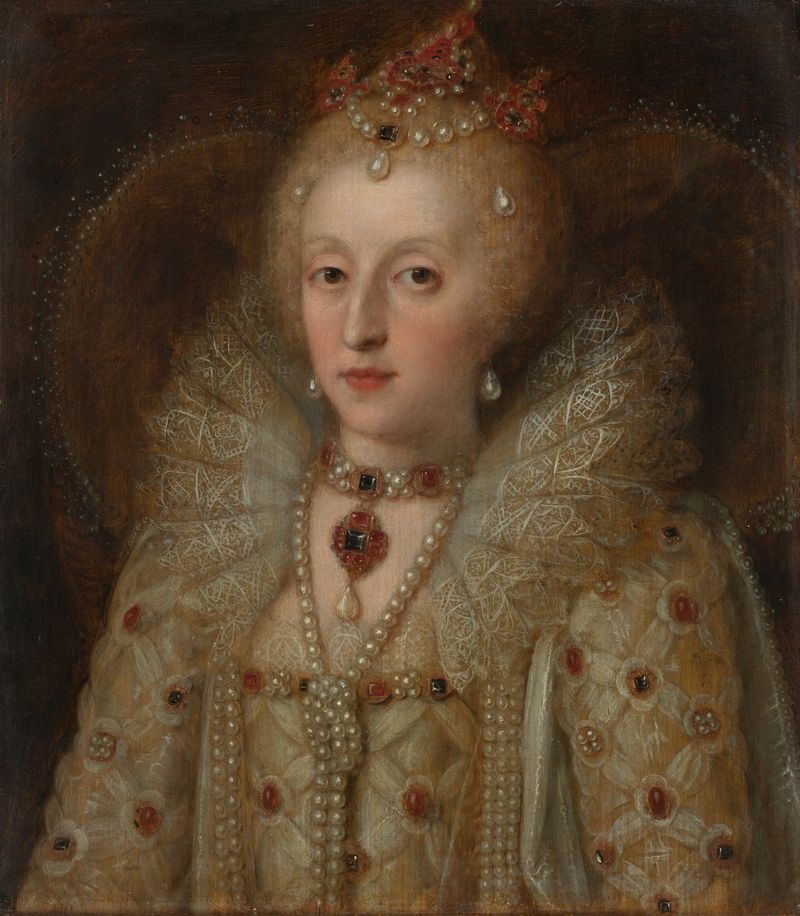
Portrait of Elizabeth I, Queen of England
Unknown Artist
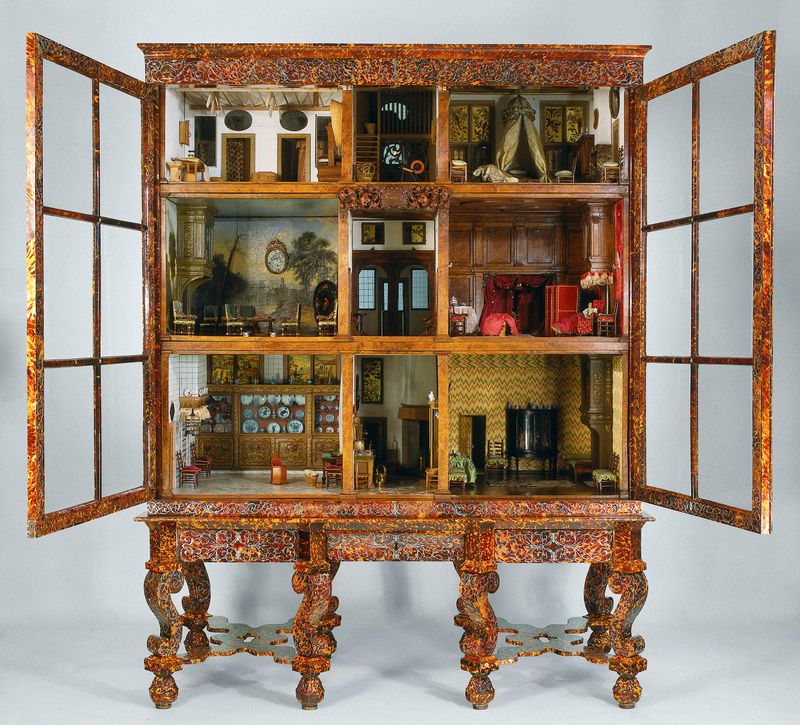
Dolls’ house of Petronella Oortman
Unknown Artist
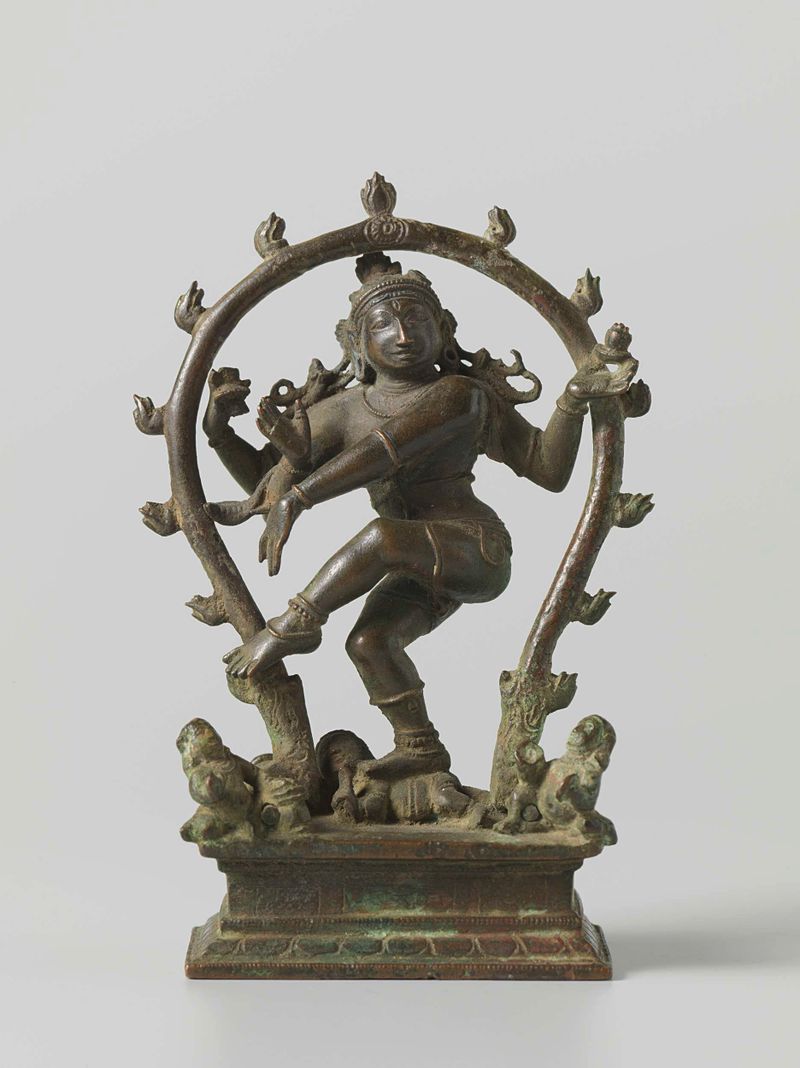
Shiva Nataraja
Unknown Artist

The Tale of Genji
Unknown Artist

The Tale of Genji
Unknown Artist

Cong
Unknown Artist
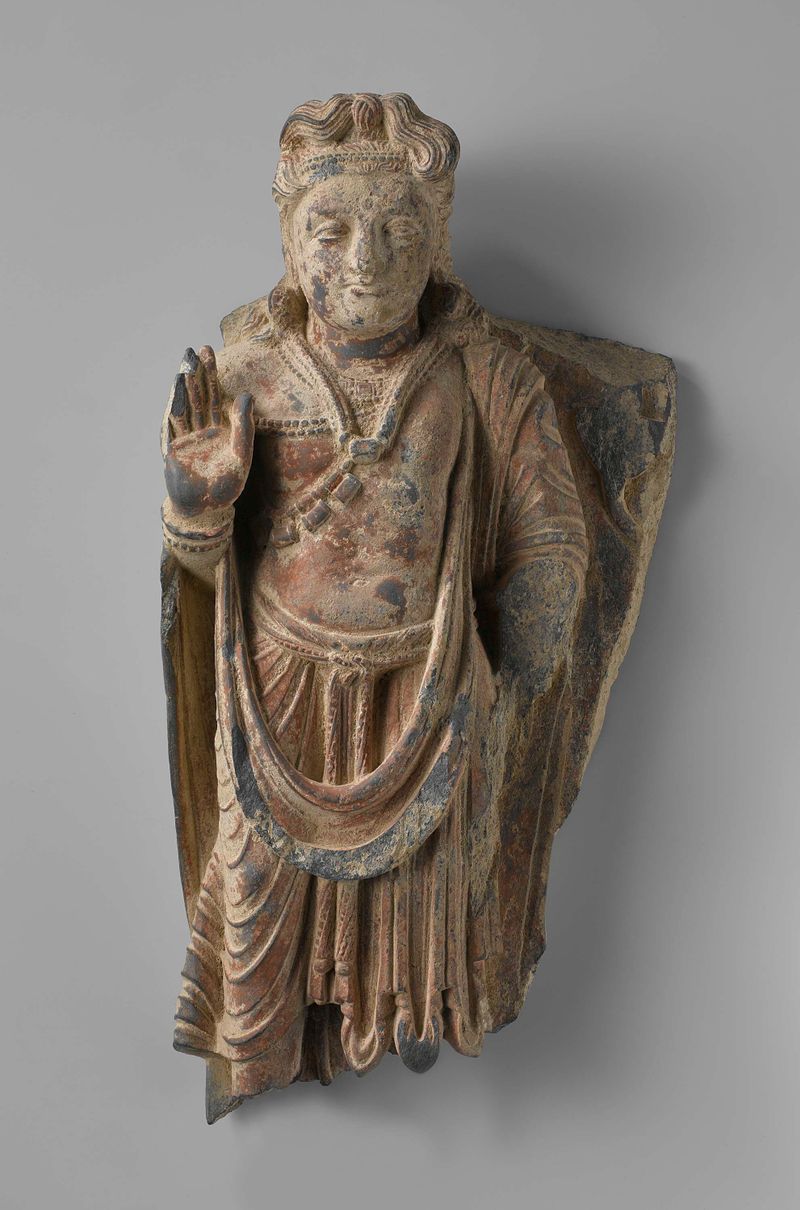
The bodhisattva Maitreya
Unknown Artist

Teabowl with a 'hare's fur' glaze
Unknown Artist