Jug with flower vases — History & Facts
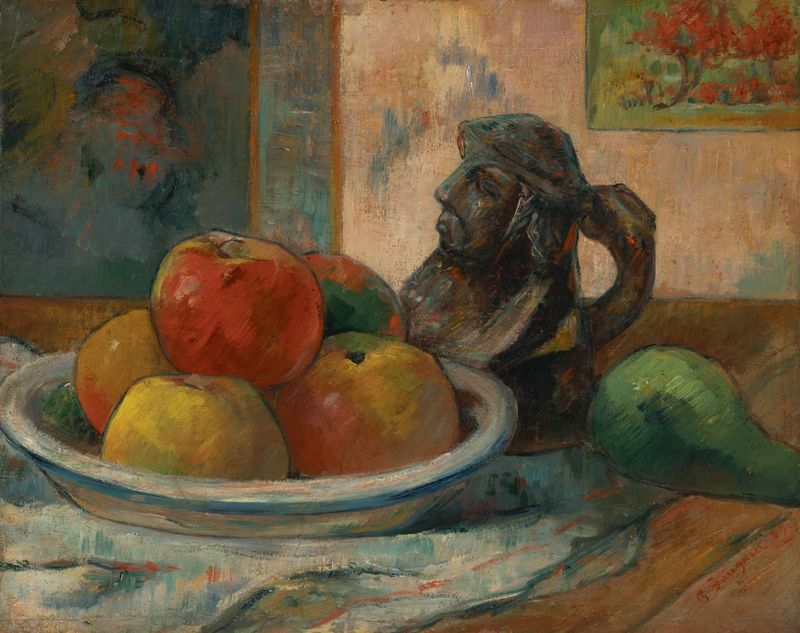
The allure of opulence often masks deeper truths, and in the delicate composition of the vessel and its floral companions, the essence of ecstasy intertwines with the bittersweetness of existence. Look closely at the jug, its smooth, curved surface reflecting light like the soft caress of a summer breeze. The warm hues of the vases cradle vibrant blooms, inviting your gaze to wander from the intricate patterns to the tender petals that seem to dance in an invisible wind. Notice how the painter’s deft use of light and shadow gives volume to each flower, turning them into ephemeral bursts of life against the cool backdrop of the jug's ceramic form. Yet, within this scene of unblemished beauty lies a tension; the fragility of the flowers hints at a fleeting joy, one that can wither and fade.
The juxtaposition of the solid, enduring vessel and the ephemeral blooms evokes a reflection on the nature of happiness itself — a transient moment captured in a time that feels both eternal and painfully fleeting. Each detail, from the delicate brushstrokes to the rich colors, speaks to the duality of pleasure and sorrow that accompanies the experience of beauty. Created between 1680 and 1720, the artwork emerges from a period marked by shifting artistic styles and cultural upheavals. The artist, whose identity remains unknown, navigated a world where the Baroque’s grandiosity began yielding to a more intimate, personal expression.
This piece reflects not just the prevailing aesthetics of the time but also a subtle probing into the duality of emotional experience, echoing the complex interplay of joy and despair that defines the human condition.
More Artworks by Unknown Artist
Browse all →
Ridder, Dood en Duivel
Unknown Artist
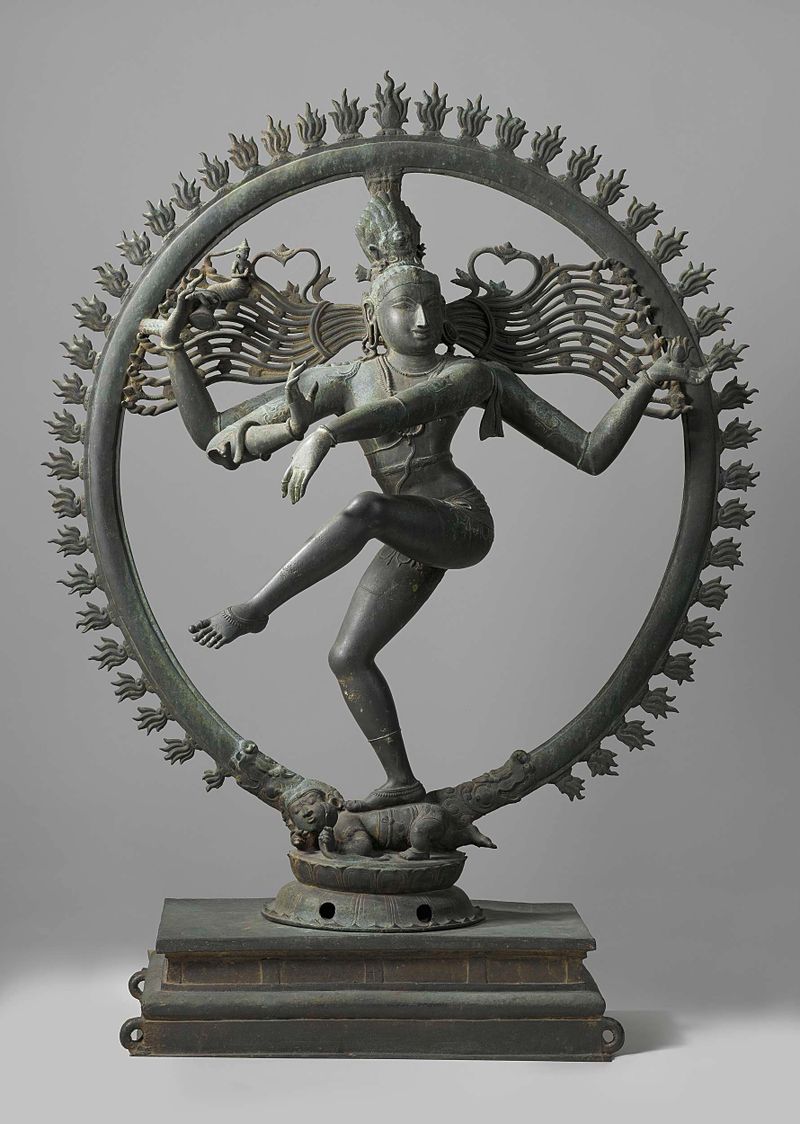
Shiva Nataraja
Unknown Artist
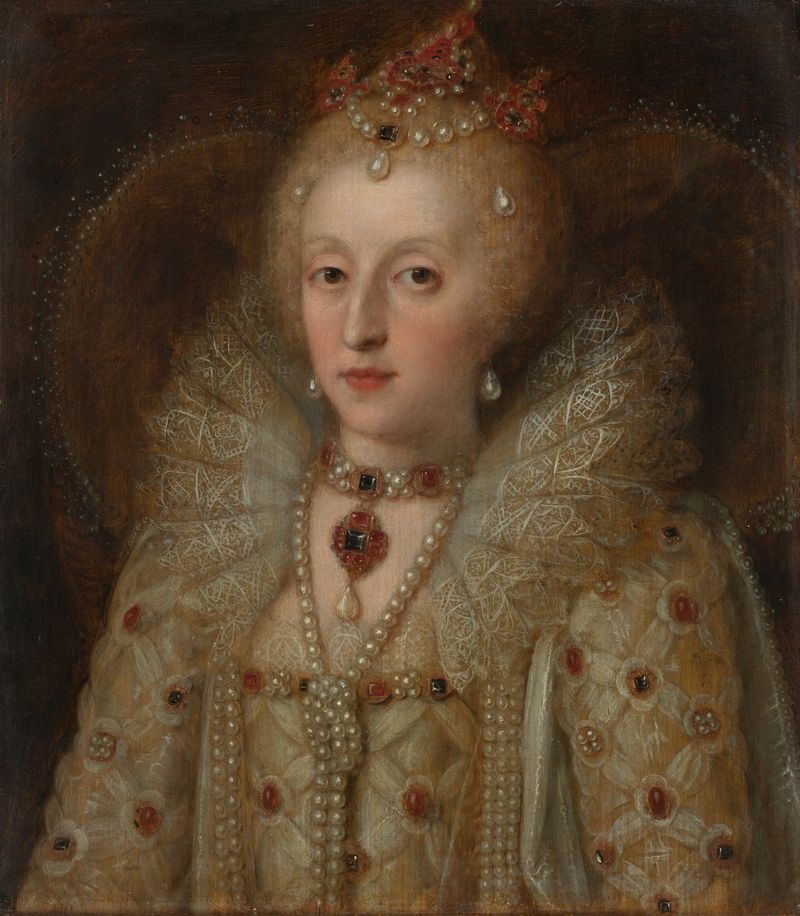
Portrait of Elizabeth I, Queen of England
Unknown Artist
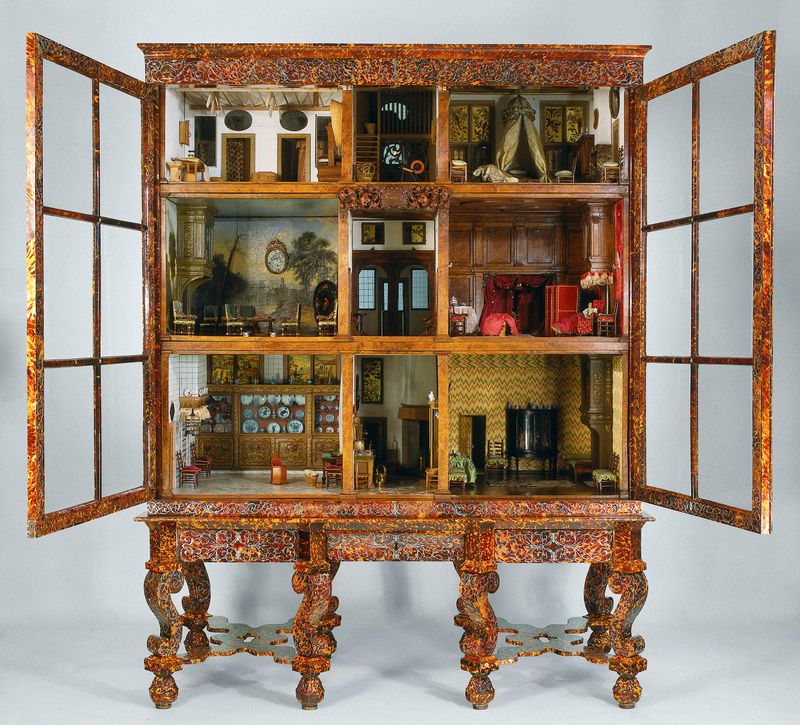
Dolls’ house of Petronella Oortman
Unknown Artist
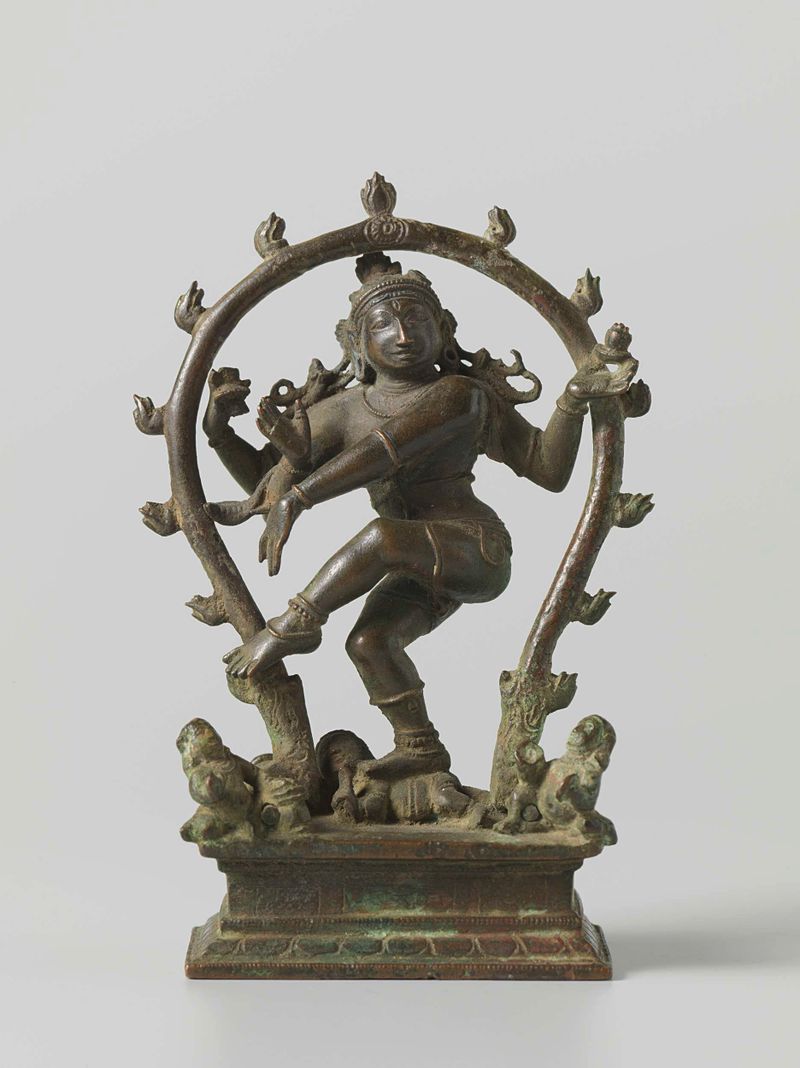
Shiva Nataraja
Unknown Artist

The Tale of Genji
Unknown Artist

The Tale of Genji
Unknown Artist

Cong
Unknown Artist
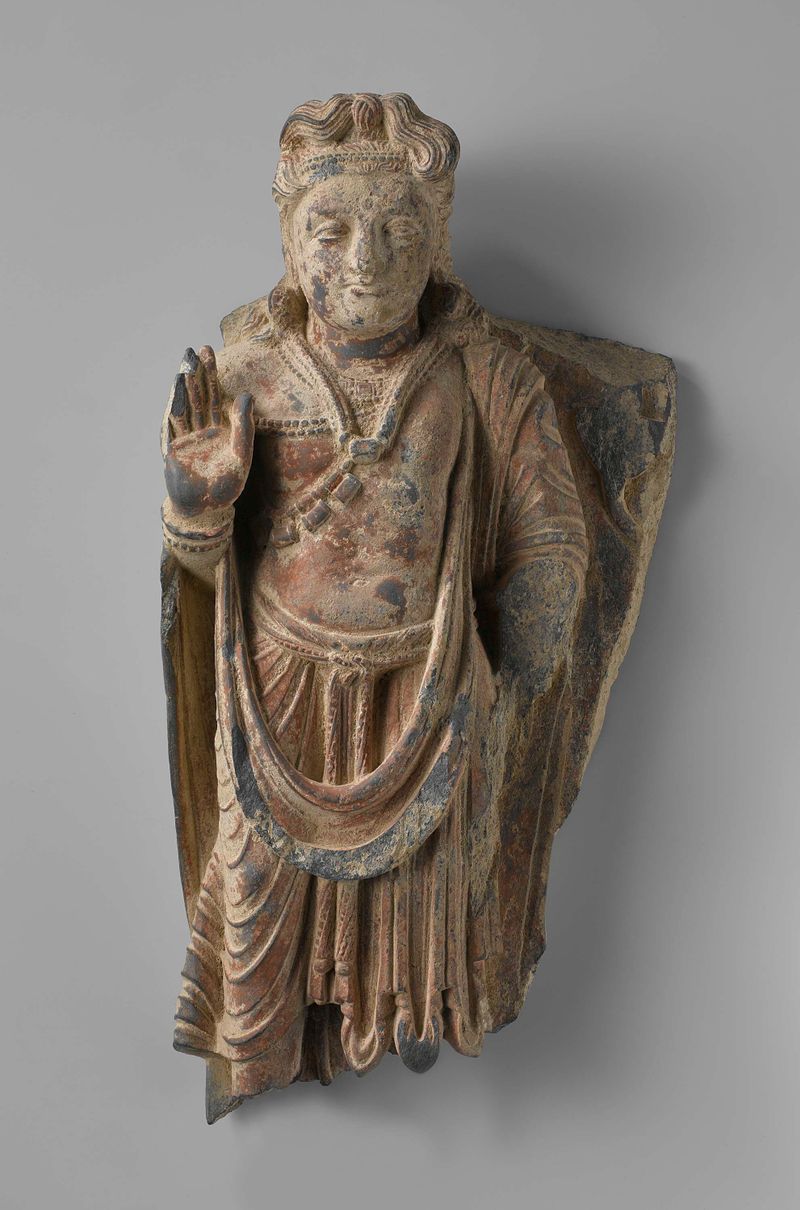
The bodhisattva Maitreya
Unknown Artist

Teabowl with a 'hare's fur' glaze
Unknown Artist