Jug with roundels — History & Facts
In the stillness of the moment, the jug stands as a vessel of both beauty and deception, holding a story that dwells just beneath its surface. Look closely at the way the light dances off the curved body of the jug; the glossy finish reflects hints of color that shift with the viewer’s perspective. Notice the intricate roundels adorning its side – their patterns are at once captivating and elusive, drawing the eye yet suggesting a hidden narrative. The composition invites exploration, each detail carefully rendered to create a mesmerizing illusion of depth and texture. Yet within this exquisite craftsmanship lies a tension between form and function.
The roundels, while decorative, evoke a sense of mystery, hinting at forgotten meanings or cultural significance. The jug's shape, traditional yet innovative, speaks to the duality of its existence: a practical object and a work of art. This balance between utility and beauty invites contemplation on the transient nature of both artistry and daily life. Created between 1650 and 1724, the jug reflects a period rich in artistic exploration and experimentation.
The unknown artist worked during a time when decorative arts flourished, with influences from various cultures enriching local craftsmanship. The anonymity of the creator leaves us to wonder about their intentions, as the jug serves as a testament to both individual creativity and the collective heritage of the era.
More Artworks by Unknown Artist
Browse all →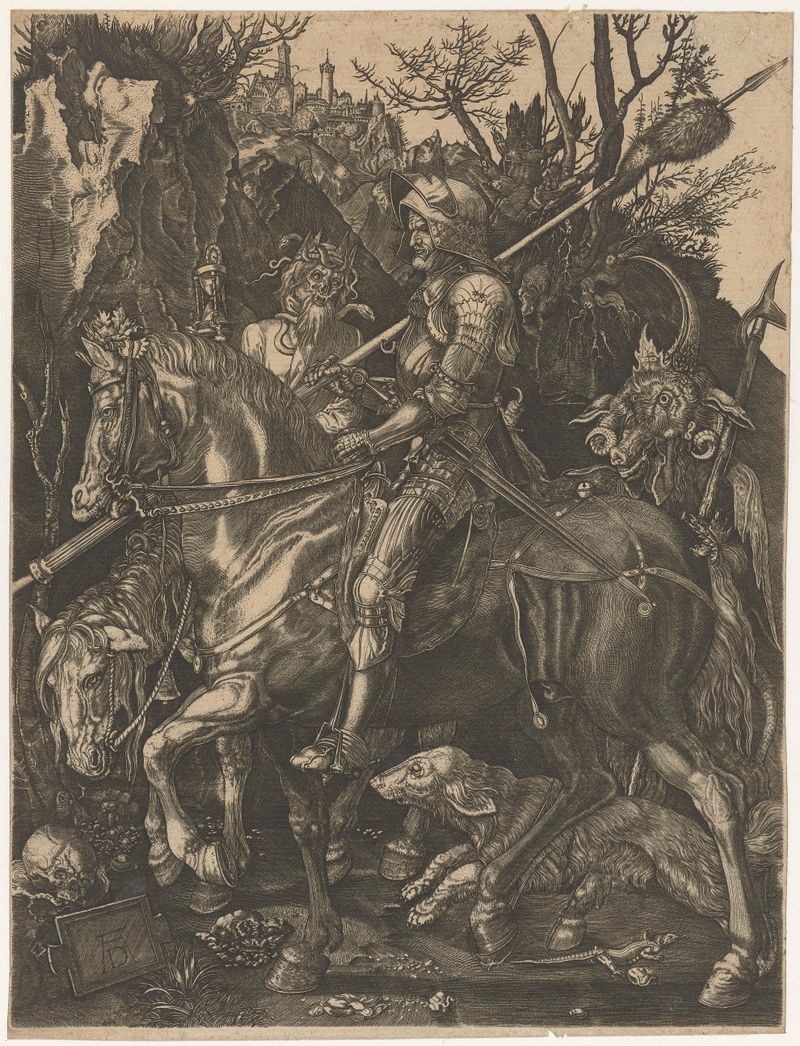
Ridder, Dood en Duivel
Unknown Artist
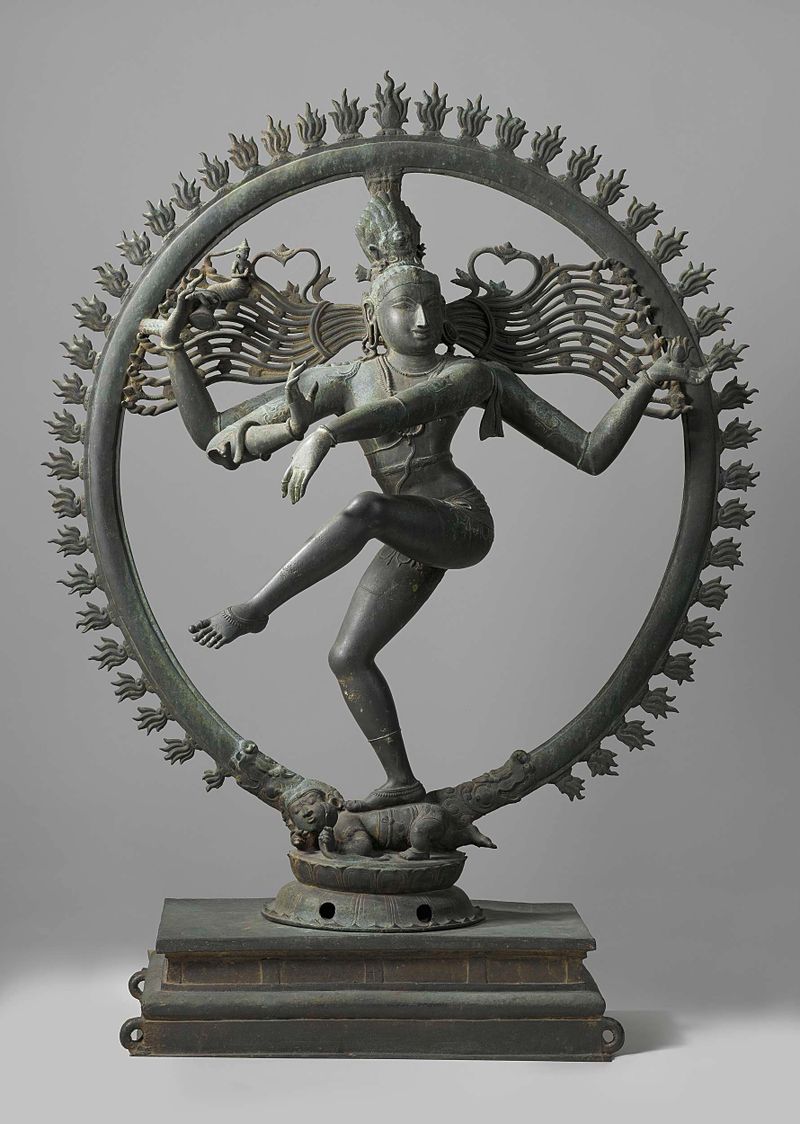
Shiva Nataraja
Unknown Artist
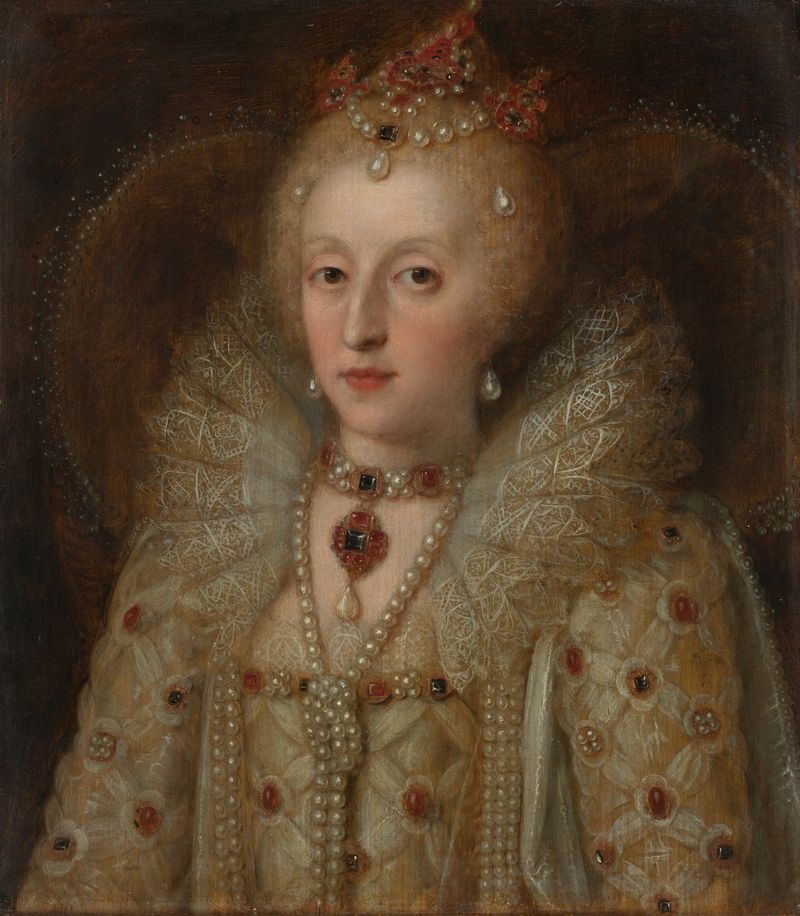
Portrait of Elizabeth I, Queen of England
Unknown Artist
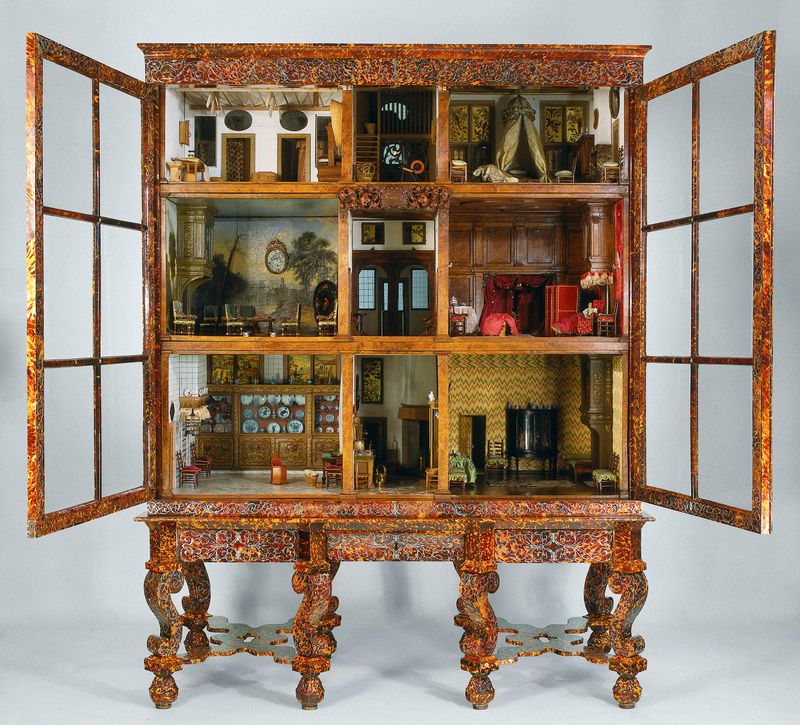
Dolls’ house of Petronella Oortman
Unknown Artist
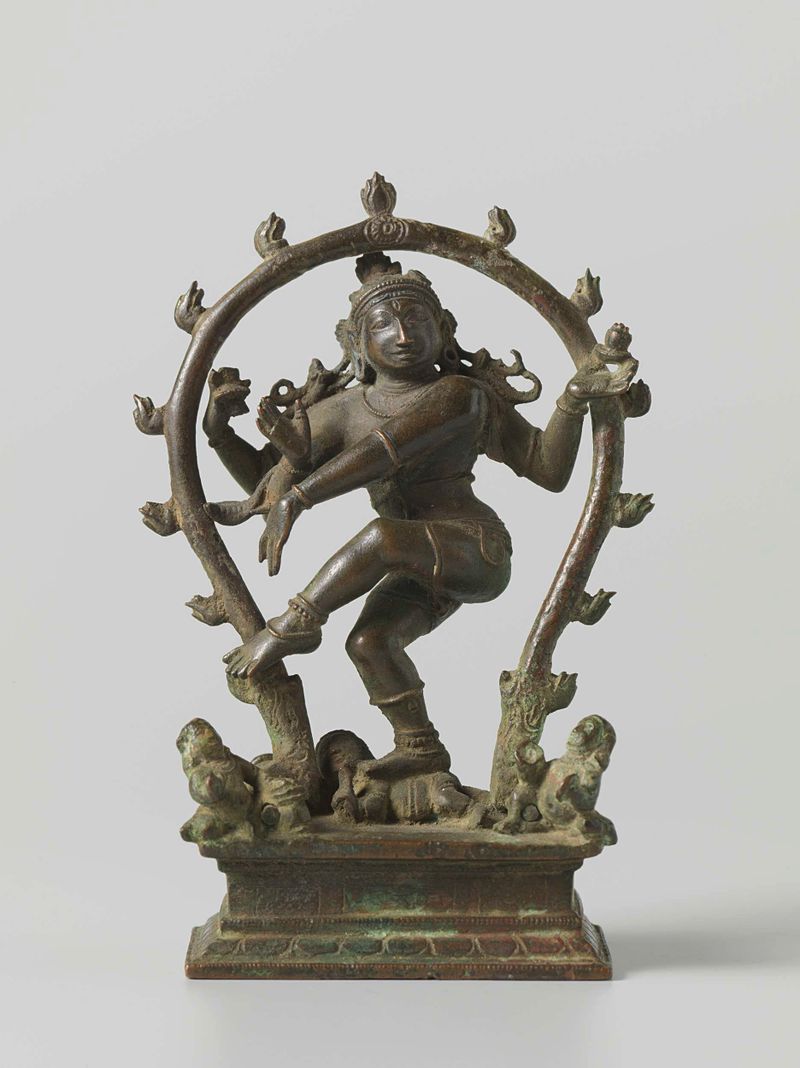
Shiva Nataraja
Unknown Artist

The Tale of Genji
Unknown Artist

The Tale of Genji
Unknown Artist
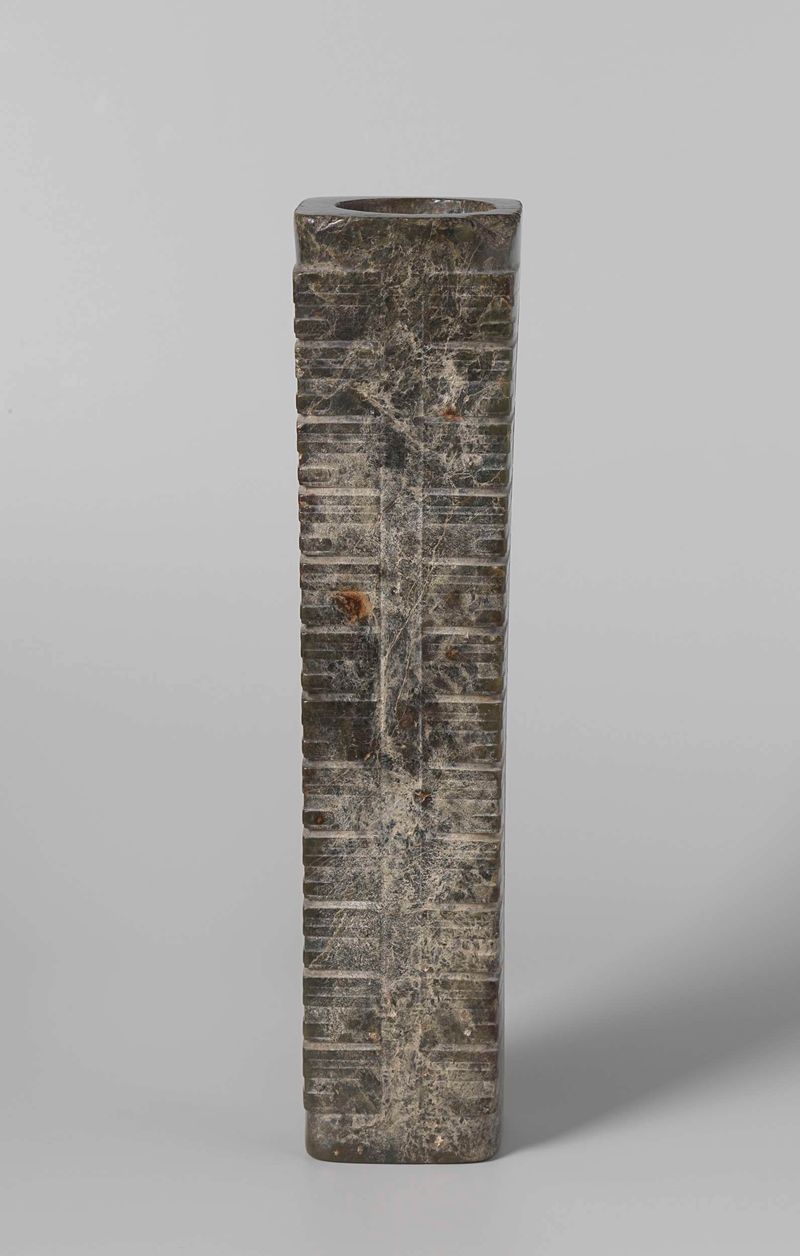
Cong
Unknown Artist
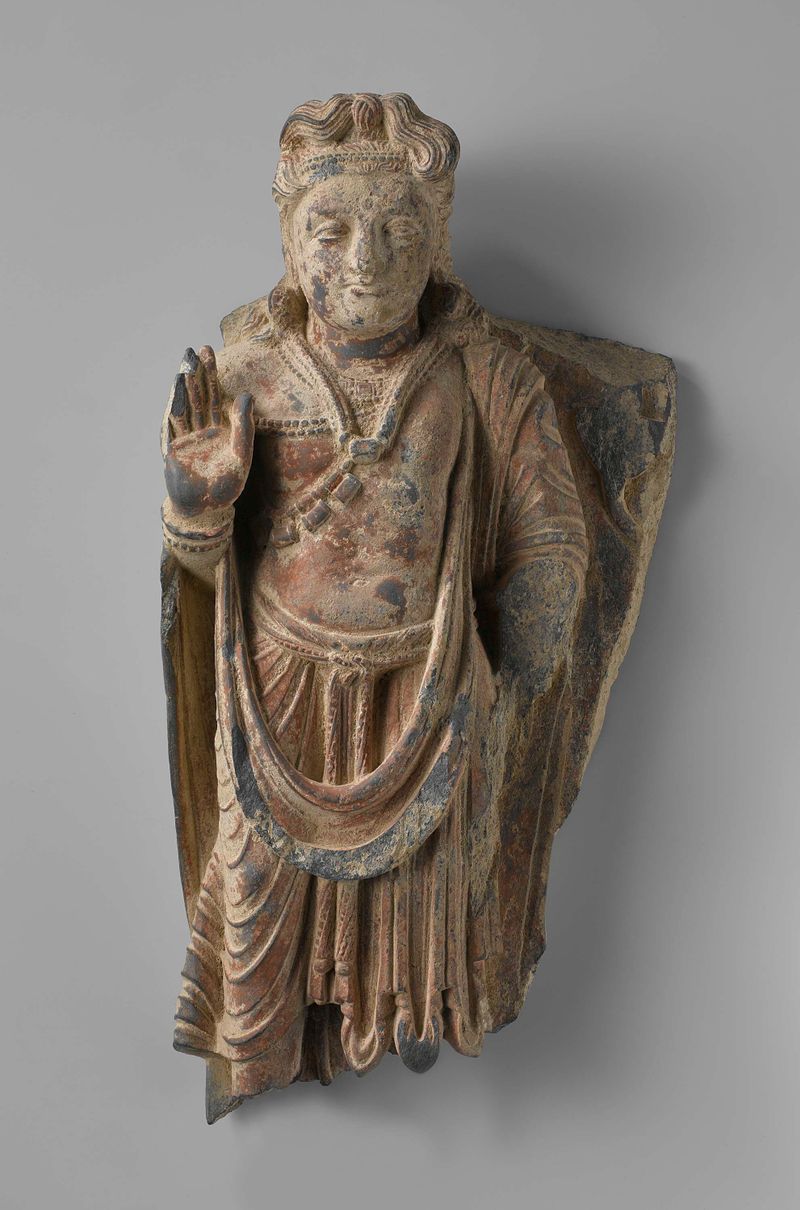
The bodhisattva Maitreya
Unknown Artist
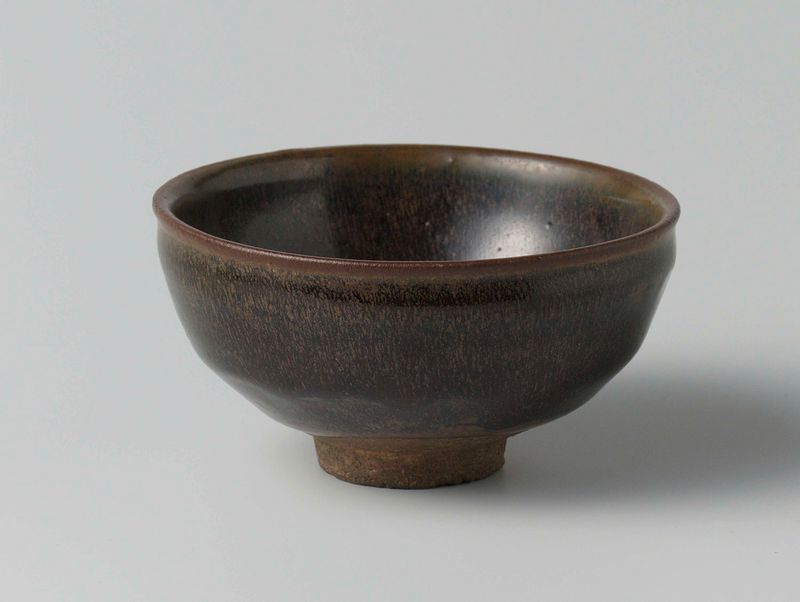
Teabowl with a 'hare's fur' glaze
Unknown Artist