
Julia — History & Facts
Could a single brushstroke hold eternity? In Julia, a fleeting moment is captured, yet echoes with the weight of unfulfilled longing and desire. Look to the left at the elegant figure of Julia, poised with a gentle sway that suggests both grace and introspection. The soft, muted palette envelops her in a delicate atmosphere, while the warm hues of ochre and blush contrast with the coolness of the background. Notice how the light falls upon her face, illuminating her features with a tender glow that hints at the complexity of her emotions—both inviting and distant. Delve deeper into the subtleties of the composition, where the interplay of shadow and light reveals a profound sense of yearning.
The way her gaze drifts off into the distance speaks of dreams unuttered and connections unmade, while the intricate details of her attire—each fold and crease—signify a tension between the external world and her inner landscape. The understated background serves to magnify her presence, illustrating how isolation can amplify one's longing for something just beyond reach. Ramón Casas painted Julia in 1915 during a period of artistic experimentation in Barcelona. As a leading figure in the modernist movement, he was immersed in exploring new forms of expression, reflecting the shifting dynamics of society and the human experience.
This work encapsulates a moment of introspection within that vibrant context, revealing the depth of emotion that art can convey even amidst broader cultural transformations.
More Artworks by Ramón Casas
Browse all →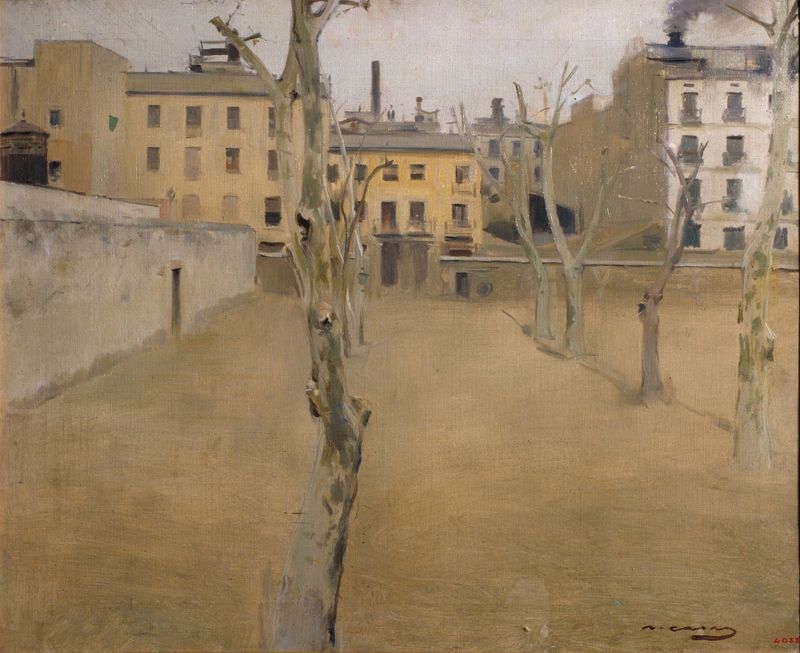
Courtyard of the old Barcelona prison (Courtyard of the ‘lambs’)
Ramón Casas
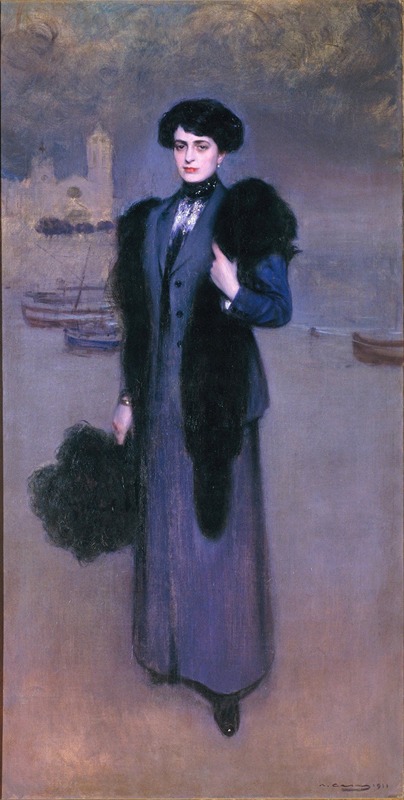
Portrait of Dolors Vidal
Ramón Casas
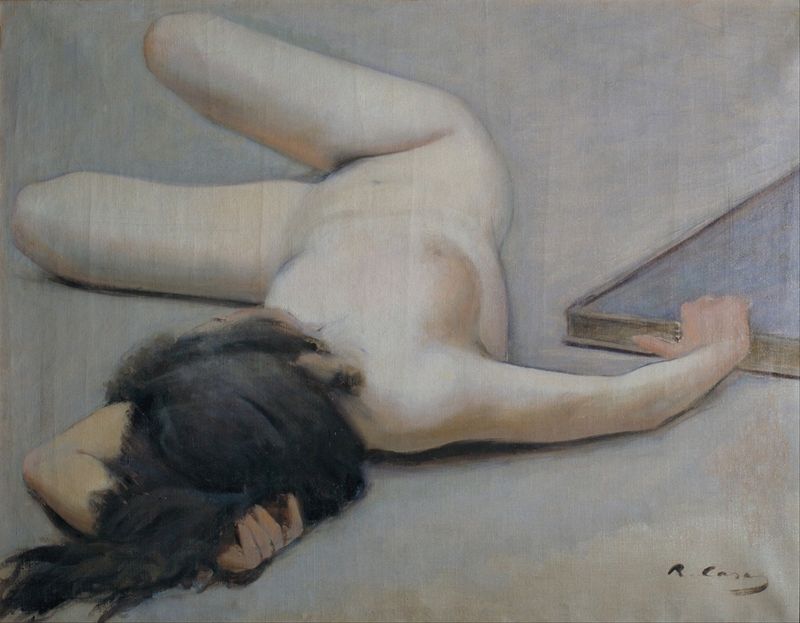
Female Nude
Ramón Casas
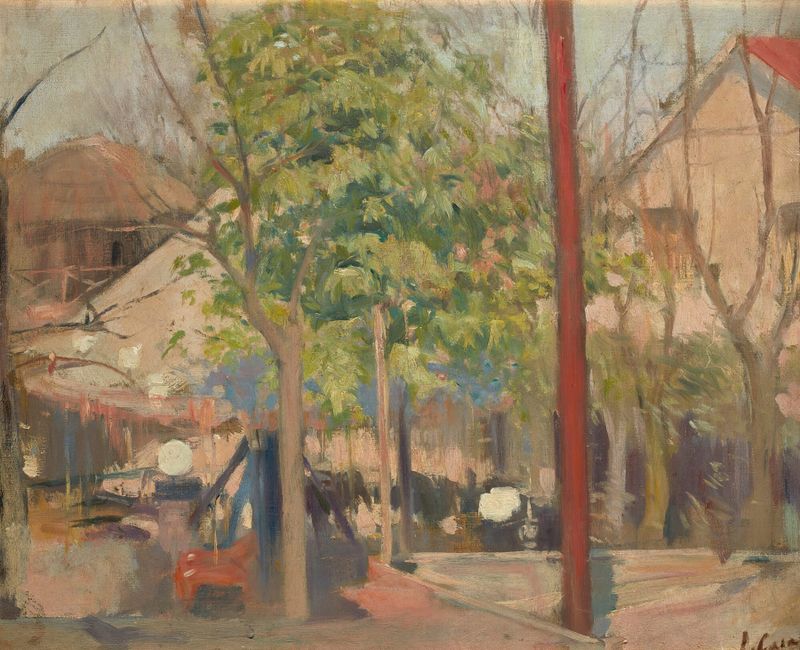
Moulin De La Galette
Ramón Casas
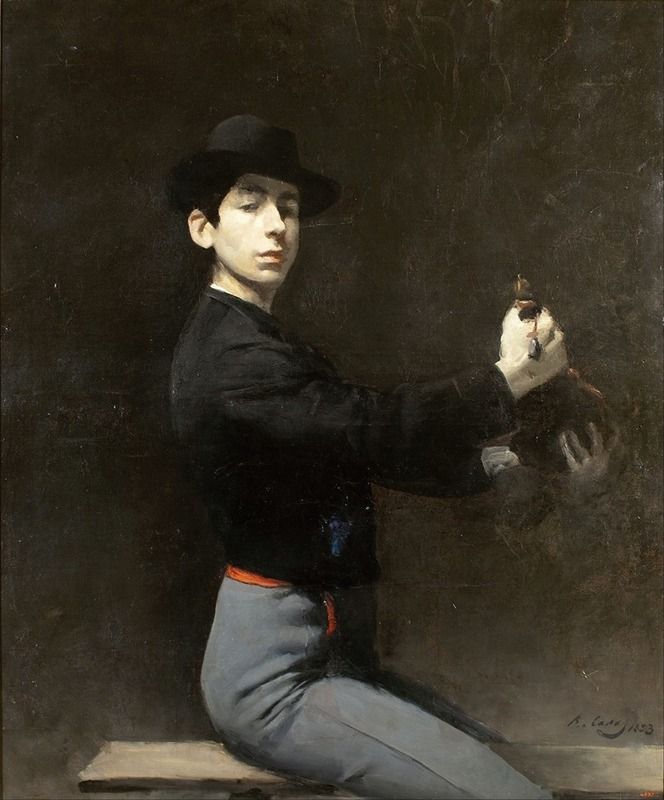
Self-portrait
Ramón Casas
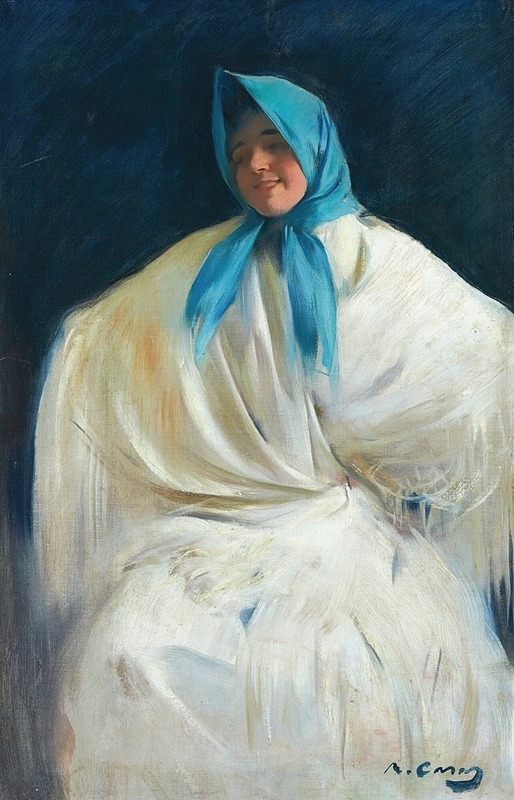
Chula con Pañuelo Azul (girl with a blue scarf)
Ramón Casas
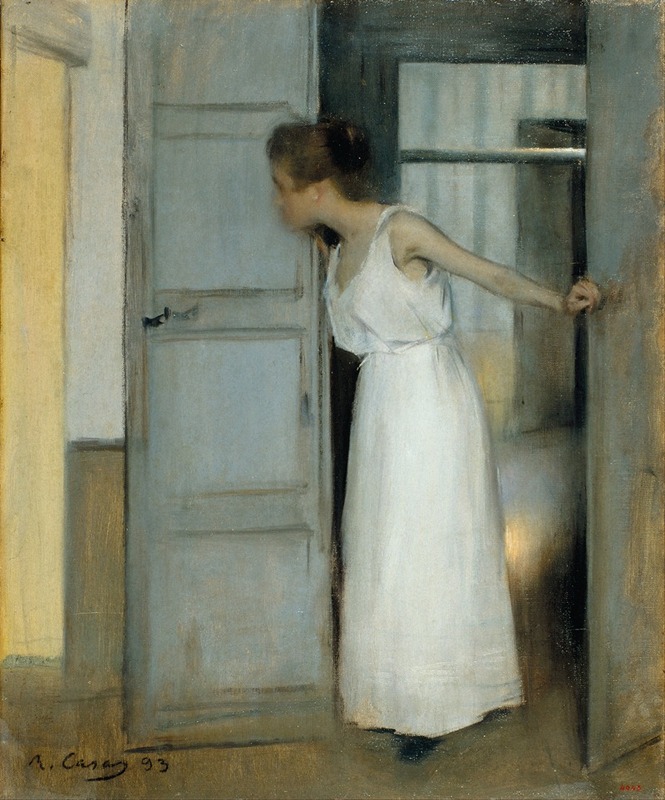
Over my dead body
Ramón Casas
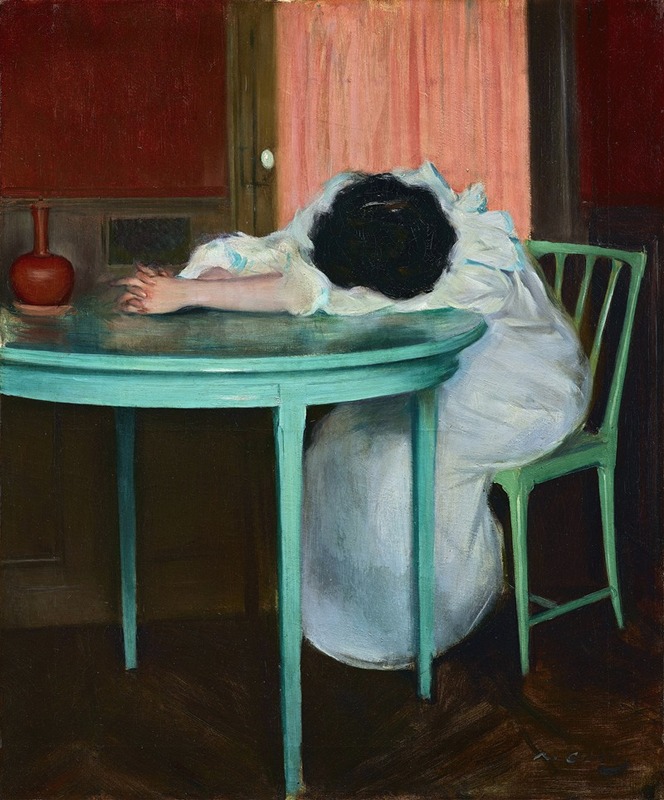
Tired
Ramón Casas
Studio Interior
Ramón Casas
Study
Ramón Casas
More Portrait Art
Browse all →
Las meninas
Diego Velázquez

Self-portrait with a Bandaged Ear and Pipe
Unidentified artist

Girl with a Pearl Earring
Johannes Vermeer

The Sampling Officials of the Amsterdam Drapers’ Guild, Known as ‘The Syndics’
Rembrandt van Rijn

The Hundred Guilder Print: the man seen on the back in the lower left corner
Rembrandt van Rijn

Portrait of Dr Gachet
Vincent van Gogh