
Female Nude — History & Facts
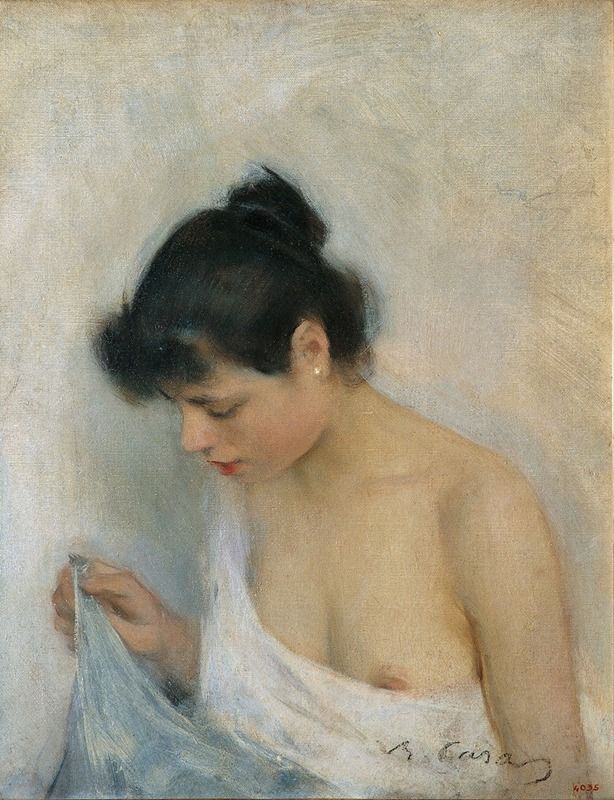
What truths lie within the silent embrace of form and shadow, yearning for the touch of understanding? In Female Nude, the unadorned figure invites contemplation, igniting a dialogue between spectator and subject that transcends the boundaries of time. Look to the left, where soft, natural light caresses the model’s skin, illuminating every curve and contour with a warm radiance. The delicate application of oil paint captures the play of light and shadow, revealing a serene yet charged atmosphere. The subtle palette of earth tones and muted pastels envelops the figure, balancing vulnerability and strength.
The composition draws the eye toward her gentle gaze, an invitation for deeper reflection. Digging deeper, the viewer might sense a tension between the female form's raw sensuality and its underlying isolation. Her languid pose suggests both ease and restraint, evoking a powerful yearning for connection amidst solitude. The artist’s technique amplifies this dichotomy; the smooth brushwork contrasts with the rough, textured backdrop, symbolizing the complex interplay between intimacy and detachment. In 1894, Ramón Casas crafted this work during a period of vibrant artistic experimentation in Barcelona, where modernism was beginning to flourish.
As he explored themes of identity and the human condition, the artist was instrumental in the cultural movements of his time, capturing the essence of a society on the brink of change. It was in this dynamic environment that Female Nude emerged, reflecting both personal introspection and the broader currents of his era.
More Artworks by Ramón Casas
Browse all →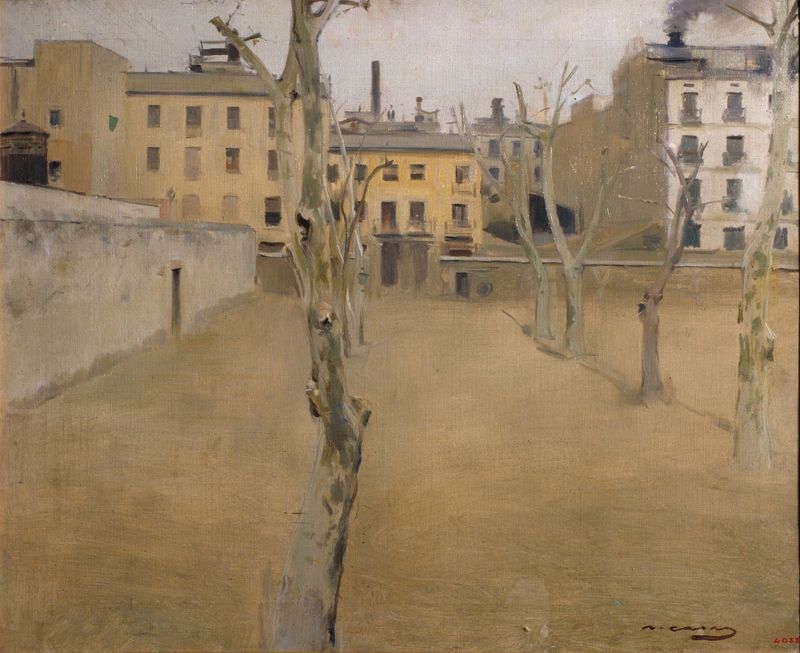
Courtyard of the old Barcelona prison (Courtyard of the ‘lambs’)
Ramón Casas
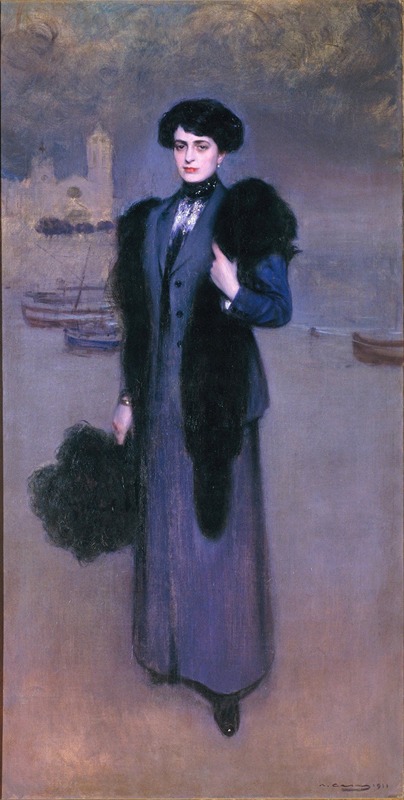
Portrait of Dolors Vidal
Ramón Casas
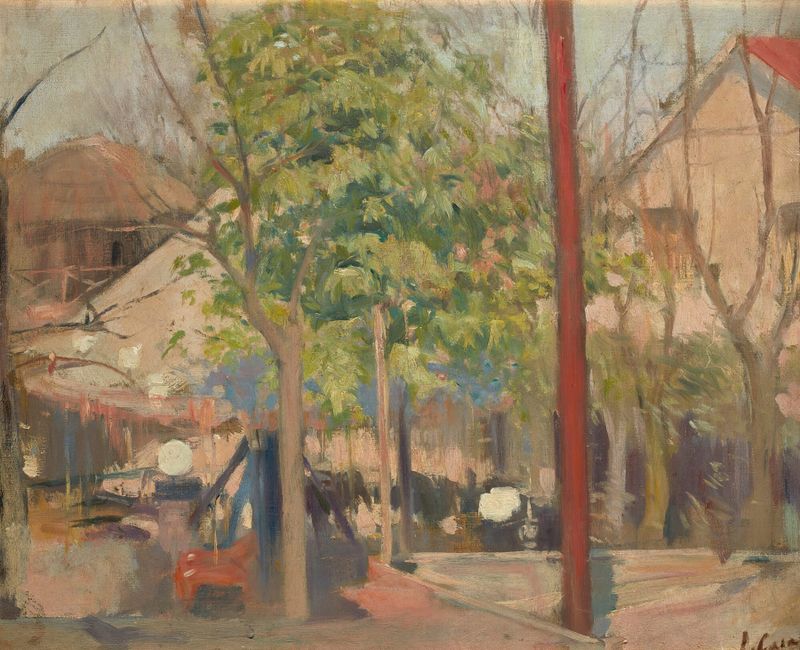
Moulin De La Galette
Ramón Casas
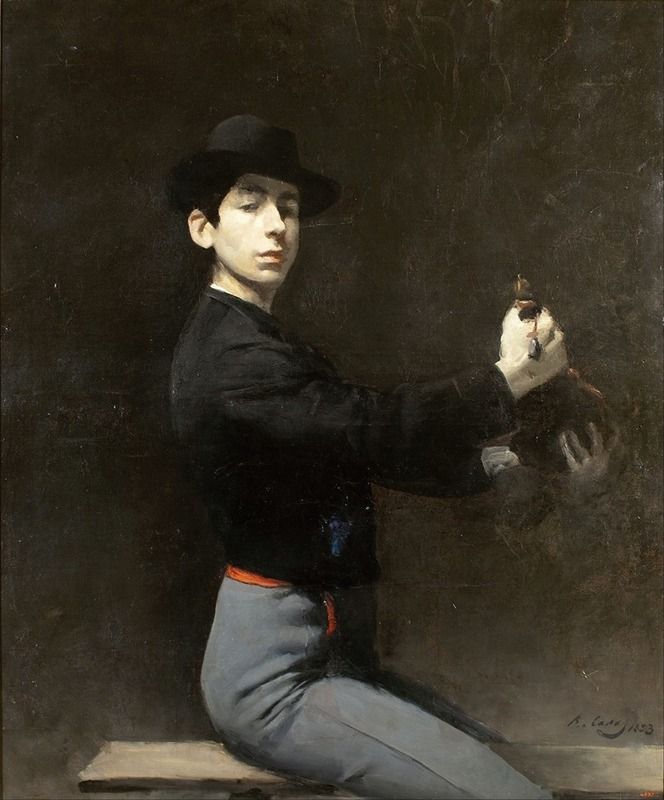
Self-portrait
Ramón Casas
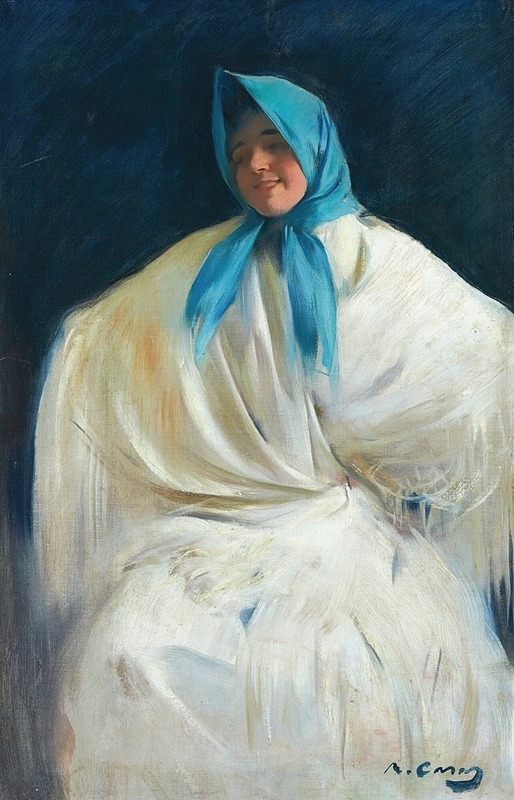
Chula con Pañuelo Azul (girl with a blue scarf)
Ramón Casas

Julia
Ramón Casas
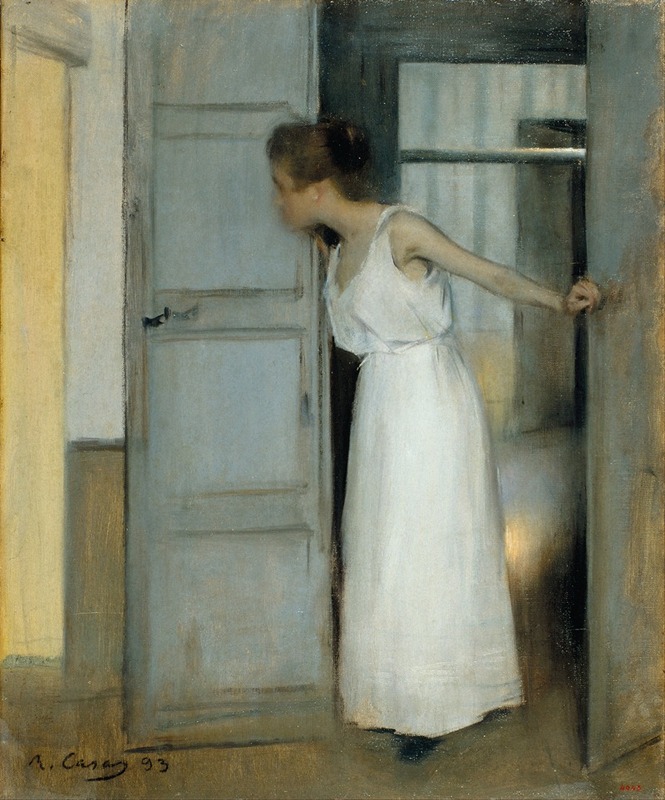
Over my dead body
Ramón Casas
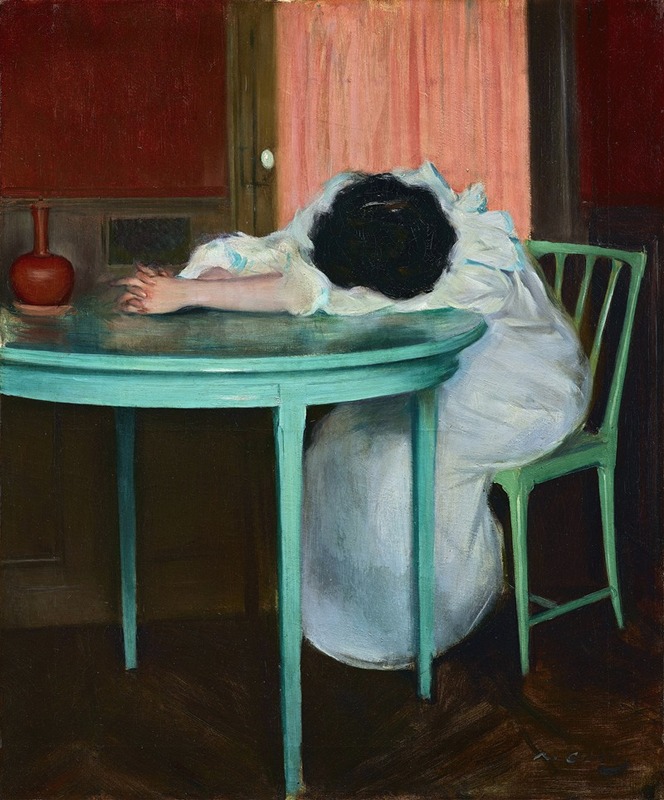
Tired
Ramón Casas
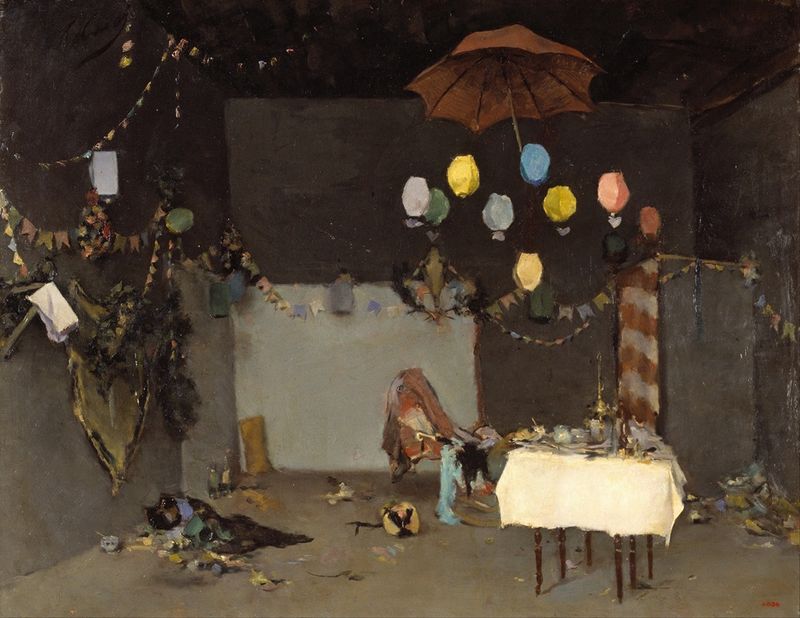
Studio Interior
Ramón Casas
Study
Ramón Casas





