
Moulin De La Galette — History & Facts
In the fleeting moments captured on canvas, a world of rebirth unfolds, inviting us to witness life in its vivid essence. Look to the center — there, amidst a flurry of joyous figures, the colors pulse with vitality, each brushstroke echoing the laughter of a bygone era. The dappled light filters through leafy branches, illuminating the exuberance of a gathering at the famed Montmartre dance hall. The vibrant palette, rich with ochres and greens, contrasts beautifully with the delicate touches of white, suggesting not only the brightness of the scene but also an underlying nostalgia that permeates the air. Delve deeper into the expressions of the figures, where happiness mingles with a hint of longing.
In the gentle sway of the dancer’s arms, there is an echo of freedom, a moment of respite from the weight of the world. The juxtaposition of lively movement against the stillness in the background emphasizes the transient nature of joy, as if each figure is both a participant in the dance of life and a ghost of memories past, forever yearning for that same unrestrained delight. During the late 19th century, Ramón Casas painted this work amidst the vibrant bohemian culture of Paris, a city undergoing radical artistic transformations. It was a time marked by an eagerness for innovation and emotional expression, as artists sought to capture the essence of modern life.
Living in a milieu of change and creativity, he embraced the social scenes around him, using his artistry to immortalize both the revelry and the bittersweet undercurrents inherent in such gatherings.
More Artworks by Ramón Casas
Browse all →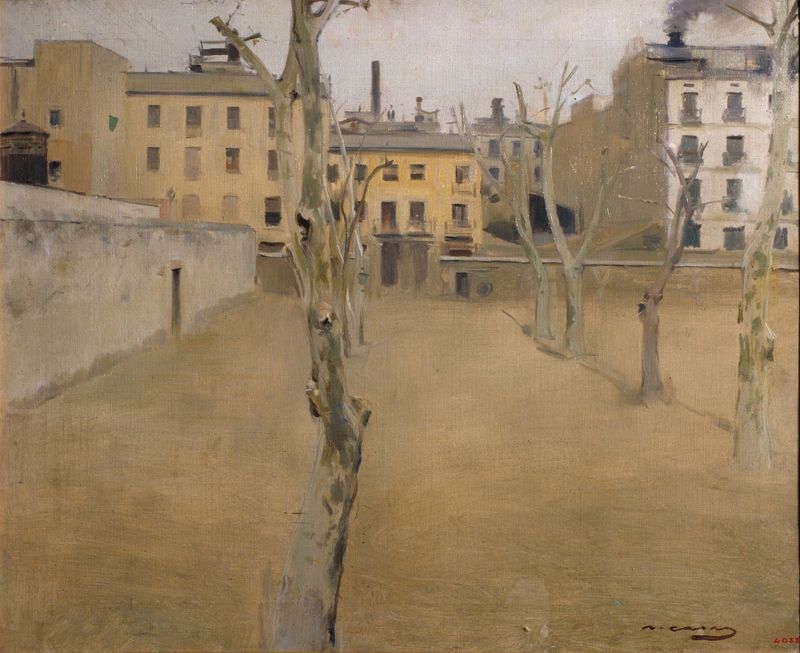
Courtyard of the old Barcelona prison (Courtyard of the ‘lambs’)
Ramón Casas
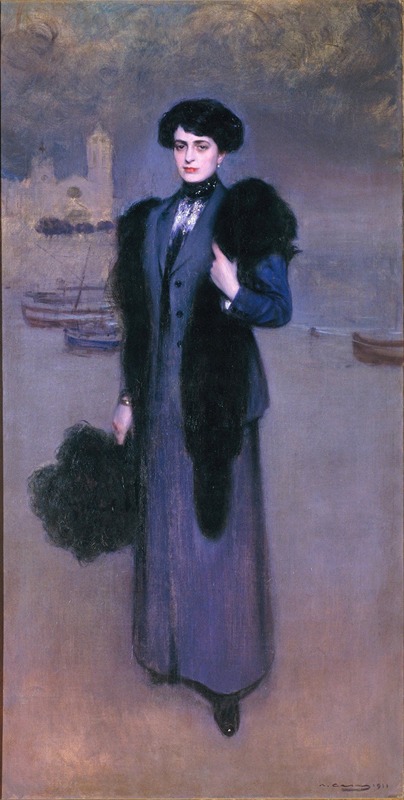
Portrait of Dolors Vidal
Ramón Casas
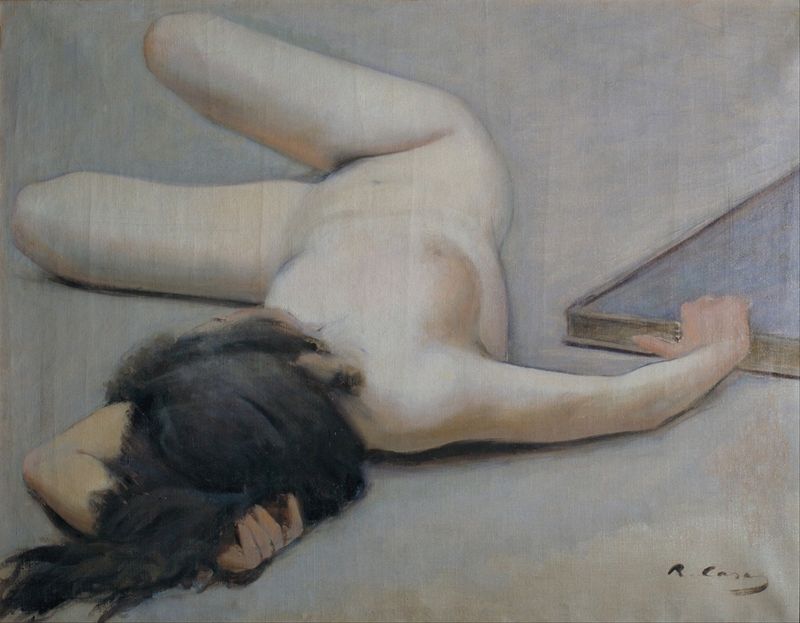
Female Nude
Ramón Casas
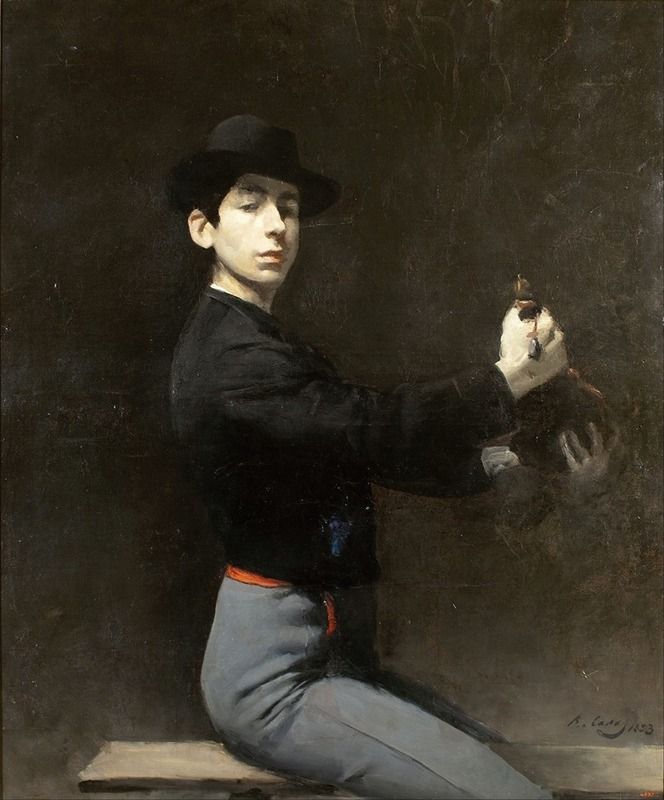
Self-portrait
Ramón Casas
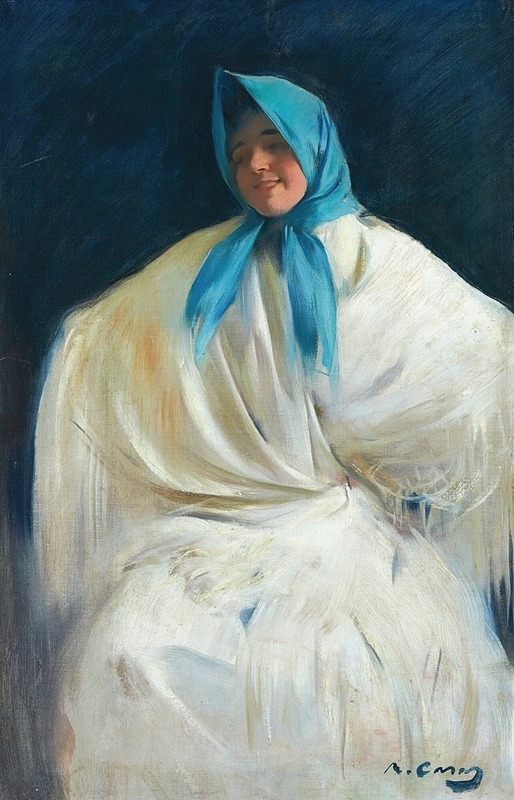
Chula con Pañuelo Azul (girl with a blue scarf)
Ramón Casas

Julia
Ramón Casas
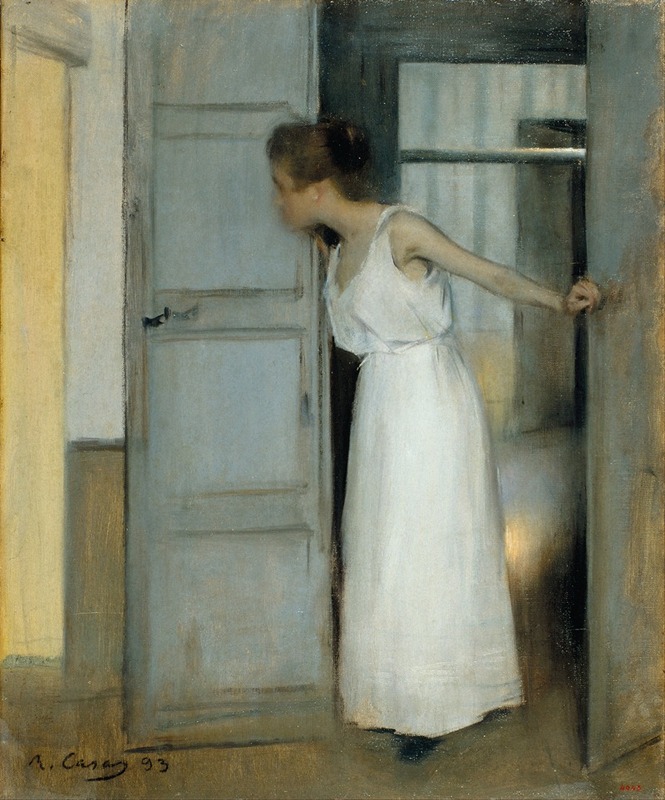
Over my dead body
Ramón Casas
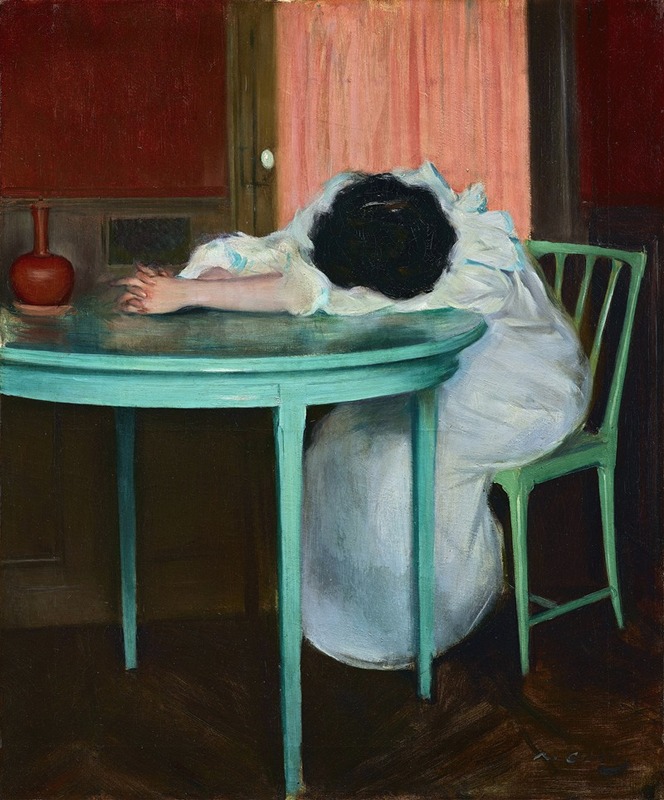
Tired
Ramón Casas
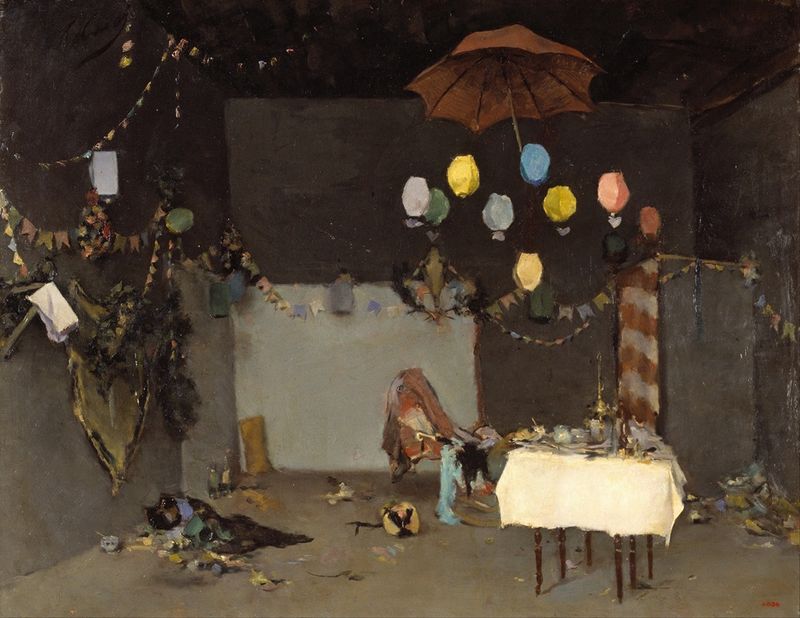
Studio Interior
Ramón Casas
Study
Ramón Casas





