
Kale beukebomen langs een beek 2 — History & Facts
Can paint confess what words never could? In Kale beukebomen langs een beek 2, melancholy is woven through each brushstroke, inviting us to linger in silent contemplation. Look to the left at the bare beech trees, their twisted limbs reaching toward the sky like desperate hands in search of solace. The muted palette of browns and grays envelops the scene, establishing a somber atmosphere, while the delicate reflections in the water ripple gently, creating a sense of calm amidst the stillness. Notice how the light subtly filters through the branches, playing a game of shadow and illumination that evokes the fleeting nature of life. There is an emotional tension present, as the starkness of the trees contrasts sharply with the serene flow of the stream.
This juxtaposition mirrors the duality of existence—where beauty and despair coexist. The absence of leaves suggests vulnerability and loss, yet the gentle water conveys continuity, hinting at resilience. Hidden within the details, one can sense the artist's inner turmoil and the complex relationship between nature and human emotions, captured in this tranquil yet haunting landscape. In 1895, Jan Toorop painted this piece during a period when he was grappling with the philosophical movements of the time, exploring symbolism and the deeper meanings behind landscapes.
Living in the Netherlands, he was influenced by both Impressionism and the Symbolist movement, which sought to express the intangible. This work reflects his quest for a personal language in art, a reflection of his inner life amidst the shifting currents of contemporary artistic expression.
More Artworks by Jan Toorop
Browse all →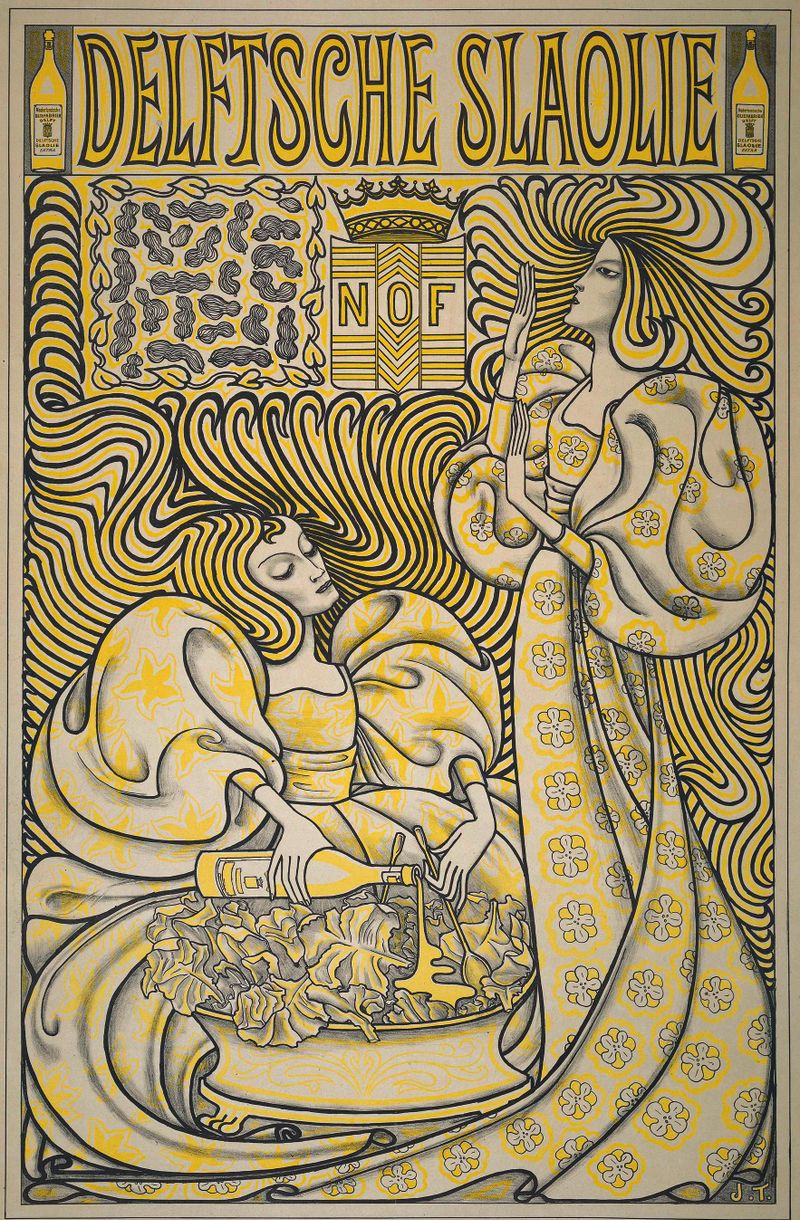
Poster for Delft Salad Oil
Jan Toorop
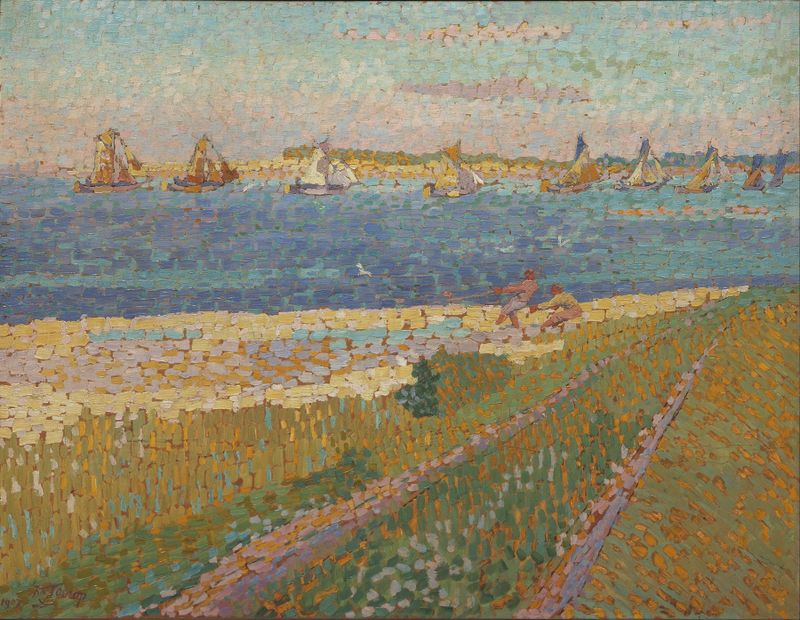
The Schelde near Veere
Jan Toorop
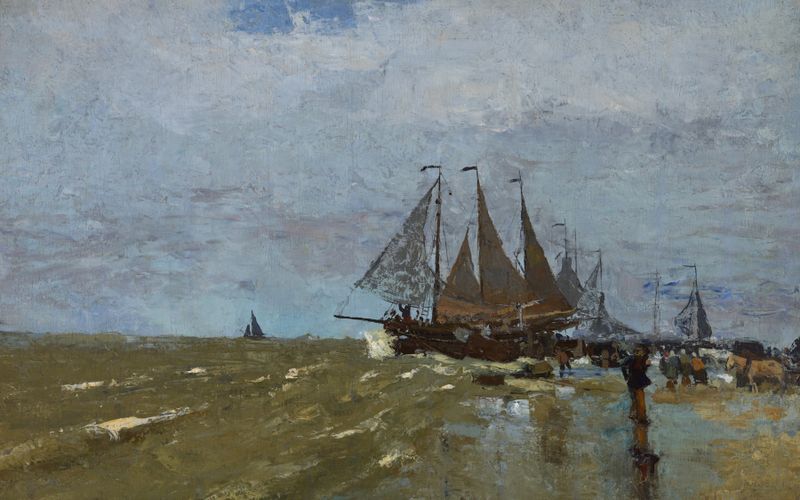
Bomschuit op het strand te Katwijk
Jan Toorop
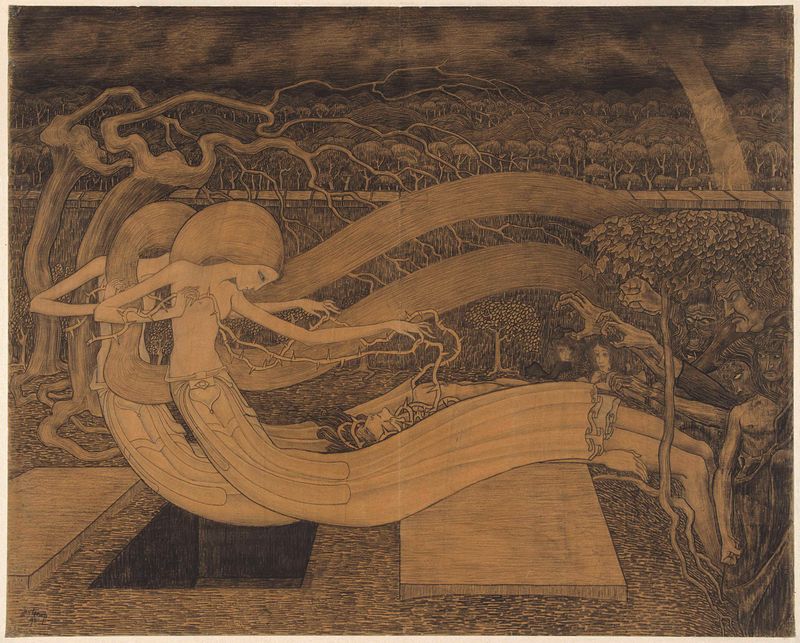
O Grave, where is thy Victory?
Jan Toorop
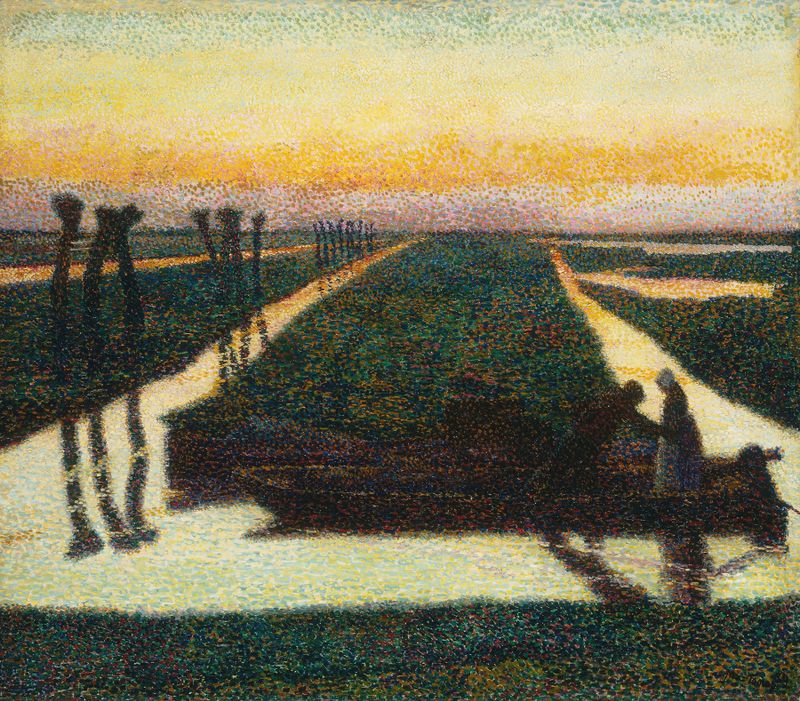
Broek in Waterland
Jan Toorop
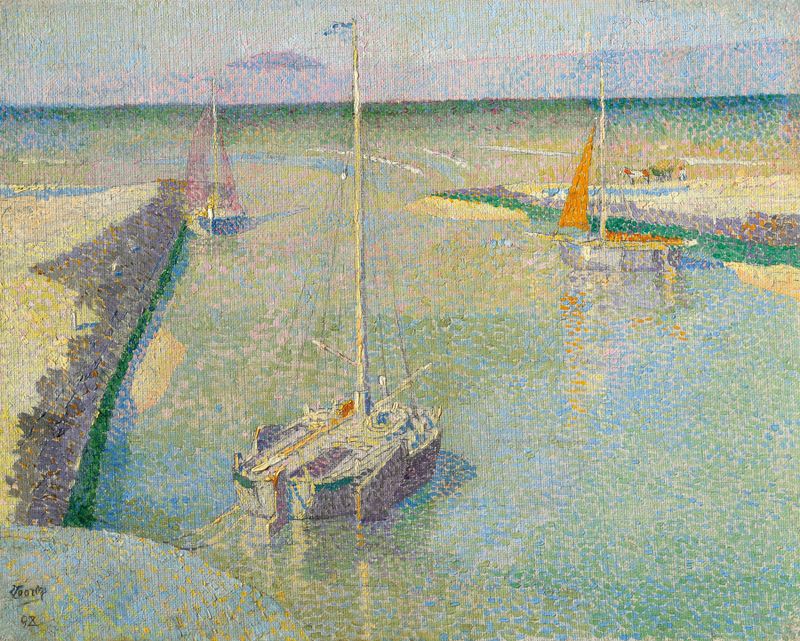
Uitmonding van den Rijn ou Le Port de Katwijk
Jan Toorop
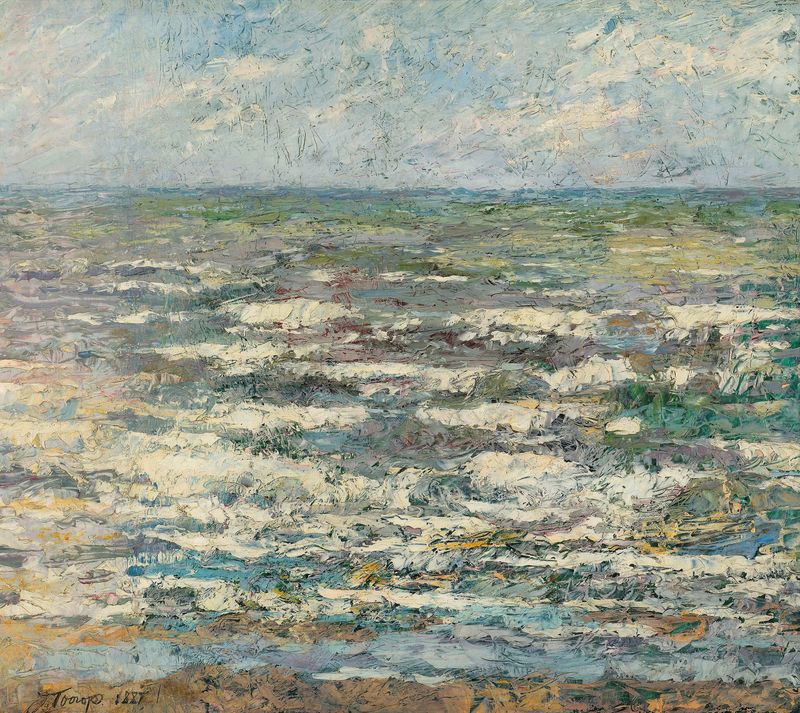
The Sea
Jan Toorop
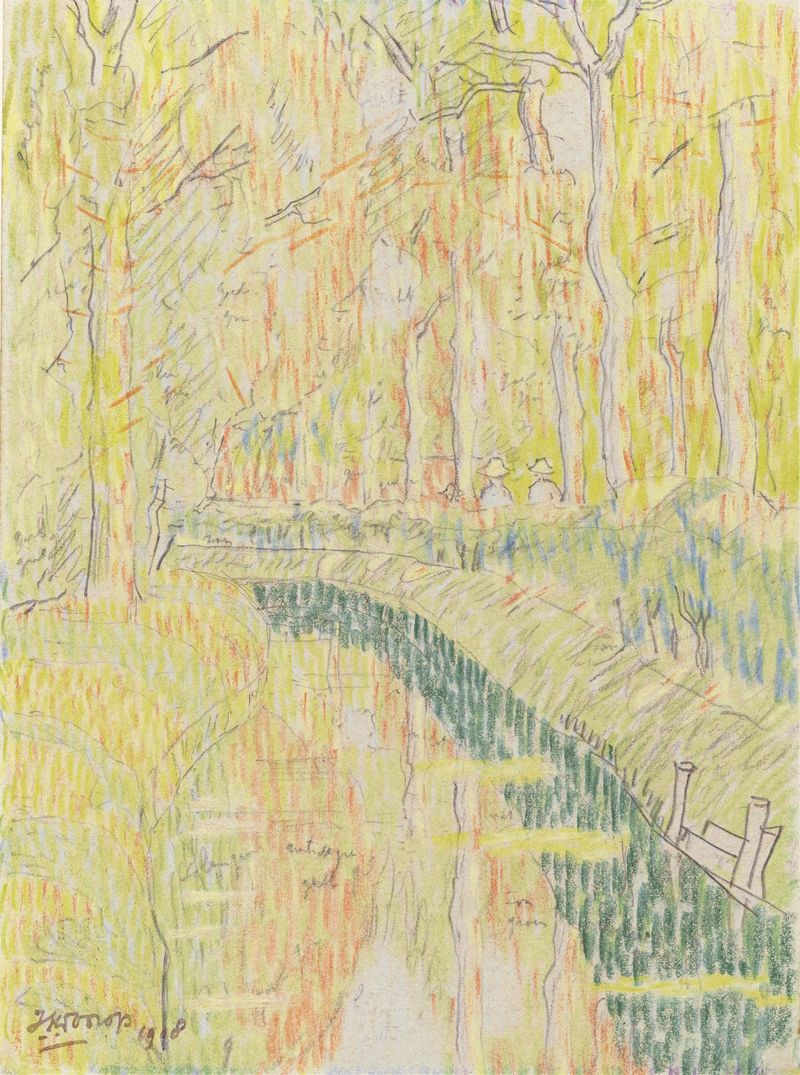
Vaart tussen bomen
Jan Toorop
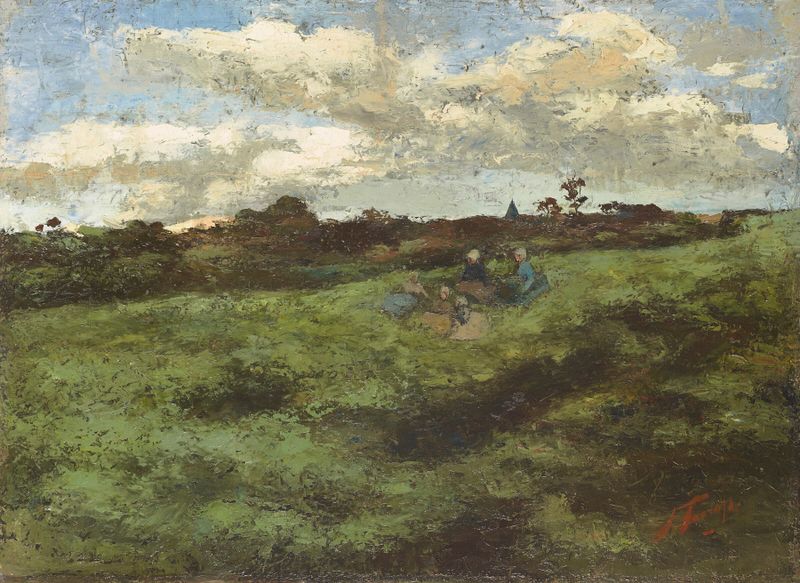
Kinderen op het duin – Landschap bij Brussel
Jan Toorop
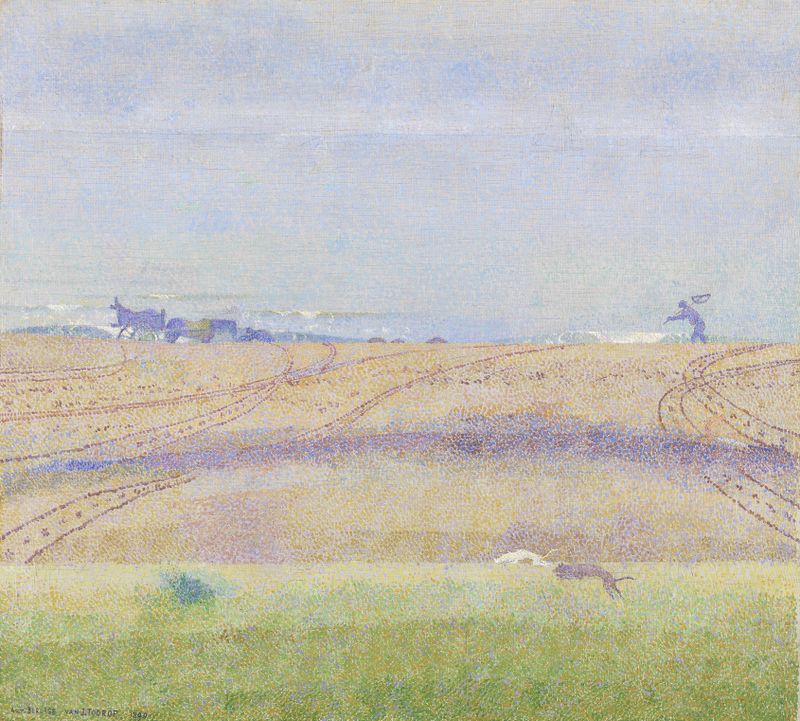
Misty Sea
Jan Toorop





