
Kalvária — History & Facts
Who listens when art speaks of silence? The echoes of betrayal whisper through every brushstroke, urging us to confront truths hidden behind the facade. Look to the center of the canvas where solemn figures stand in stark contrast to a barren landscape. The muted earth tones envelop them, creating a visceral sense of desolation. Notice how the light casts elongated shadows, hinting at the weight of their burdens.
The precise arrangement of bodies draws the eye inward, inviting you to explore the tension rippling within this haunting tableau. As you delve deeper, consider the subtle expressions etched onto the faces of the figures. Here lies a narrative of sorrow and regret, where the silence between words speaks louder than any declaration of faith. The disarray of postures—some kneeling in supplication while others avert their gaze—highlights the emotional rift that betrayal births in community.
Each detail is a testament to the fragility of trust, reverberating through the painting like an unsettling refrain. During the years between 1910 and 1914, the artist created Kalvária amid a rapidly changing art world and personal turmoil. Living in Hungary, Kövári-Kačmarik found himself at a crossroads, navigating the complexities of modernism while grappling with the socio-political tensions of his time. This work encapsulates his exploration of spiritual themes amidst the backdrop of societal upheaval, reflecting profound questions that resonate even today.
More Artworks by Konštantín Kövári-Kačmarik
Browse all →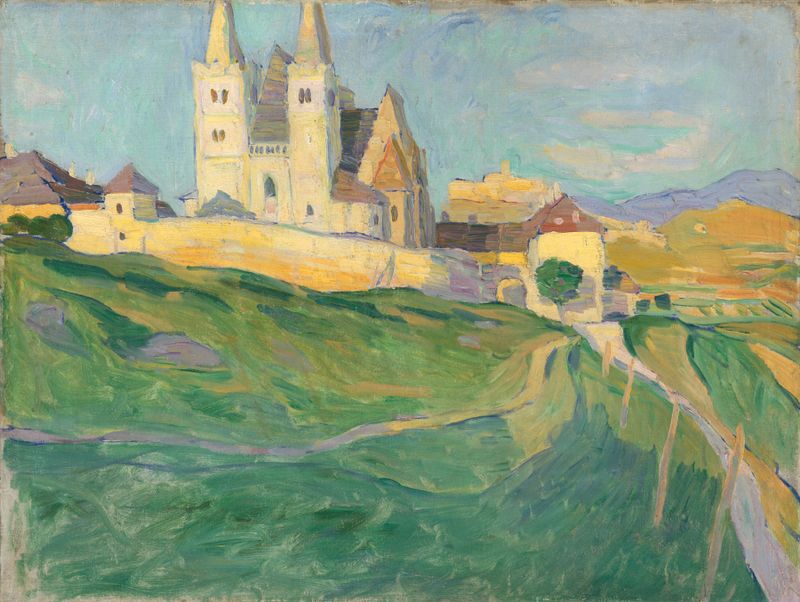
Spišská Kapitula
Konštantín Kövári-Kačmarik
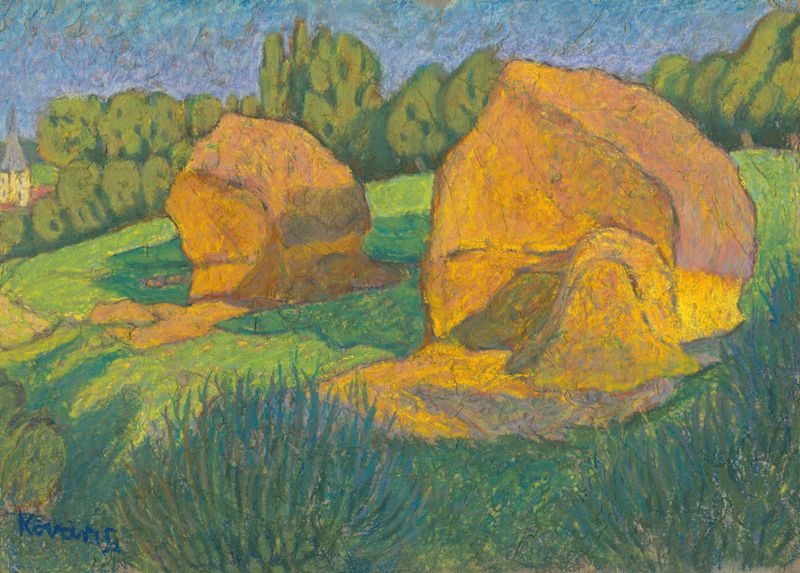
Krajina so stohmi
Konštantín Kövári-Kačmarik

Krátka ulica v Košiciach
Konštantín Kövári-Kačmarik
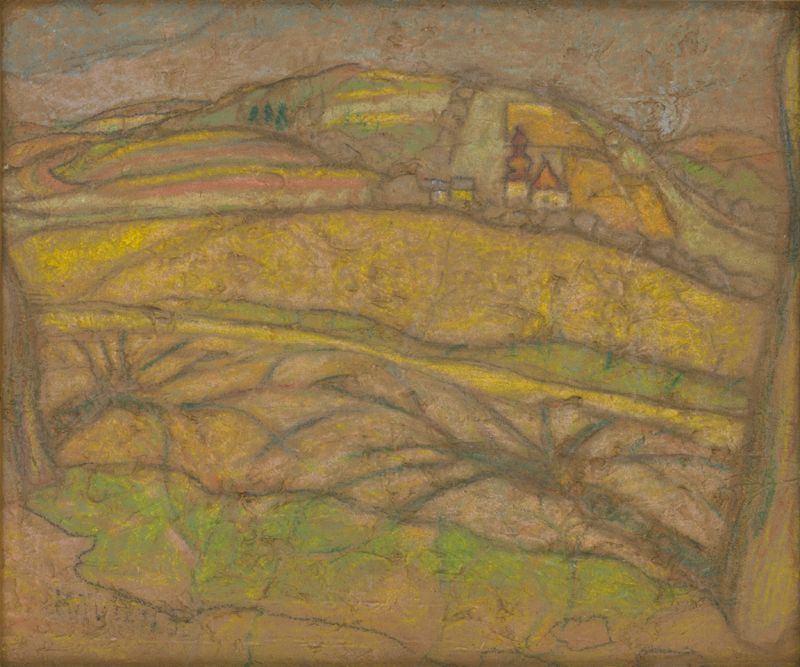
Kalvária pri Košiciach
Konštantín Kövári-Kačmarik

Ulica v Kežmarku
Konštantín Kövári-Kačmarik
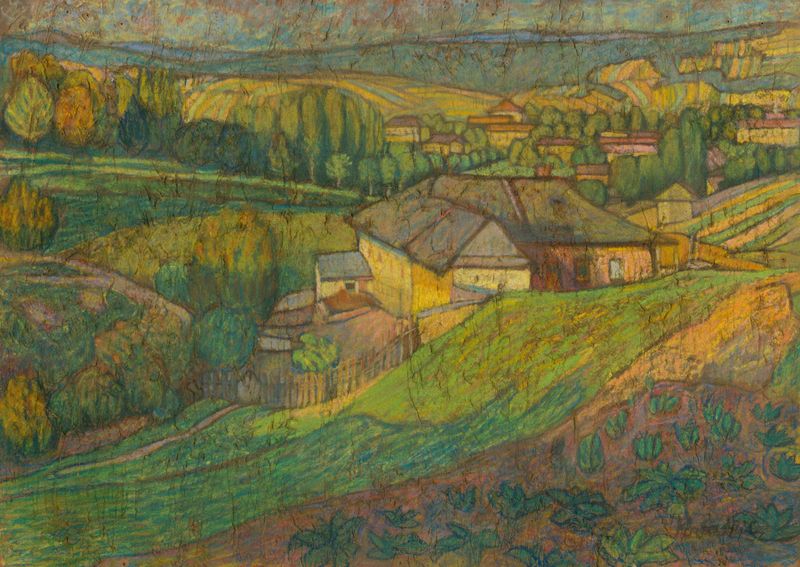
Pohľad na Kalváriu
Konštantín Kövári-Kačmarik
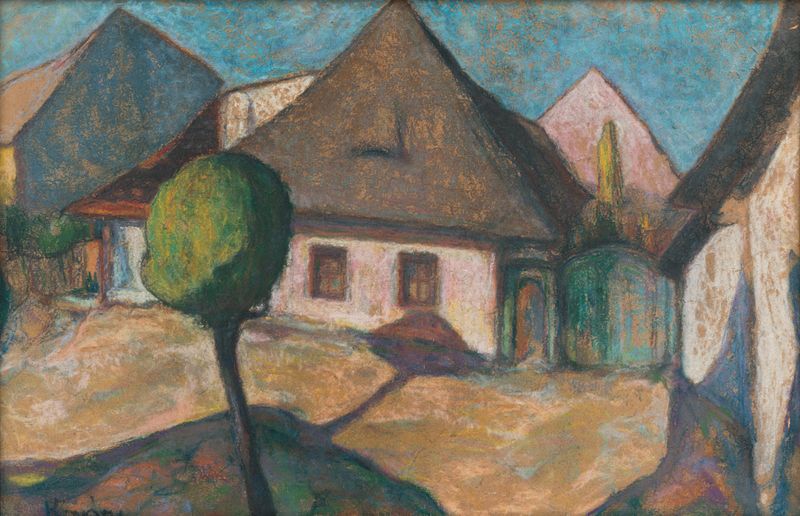
Old Košice
Konštantín Kövári-Kačmarik
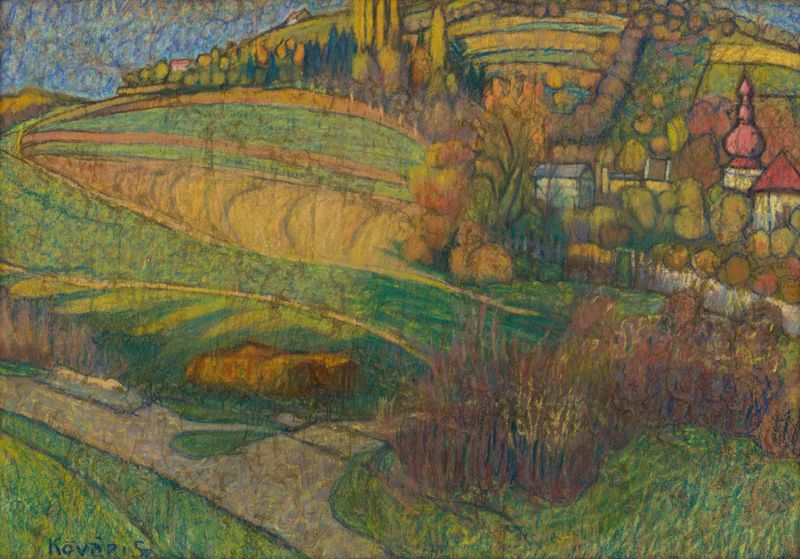
Krajina
Konštantín Kövári-Kačmarik

Krajina
Konštantín Kövári-Kačmarik
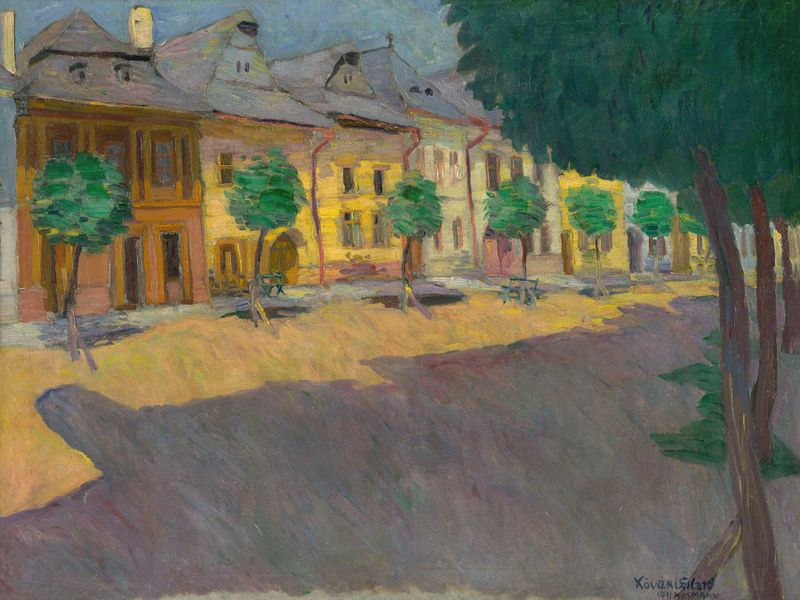
Ulica v Kežmarku
Konštantín Kövári-Kačmarik





