Kandelaar van zilver — History & Facts
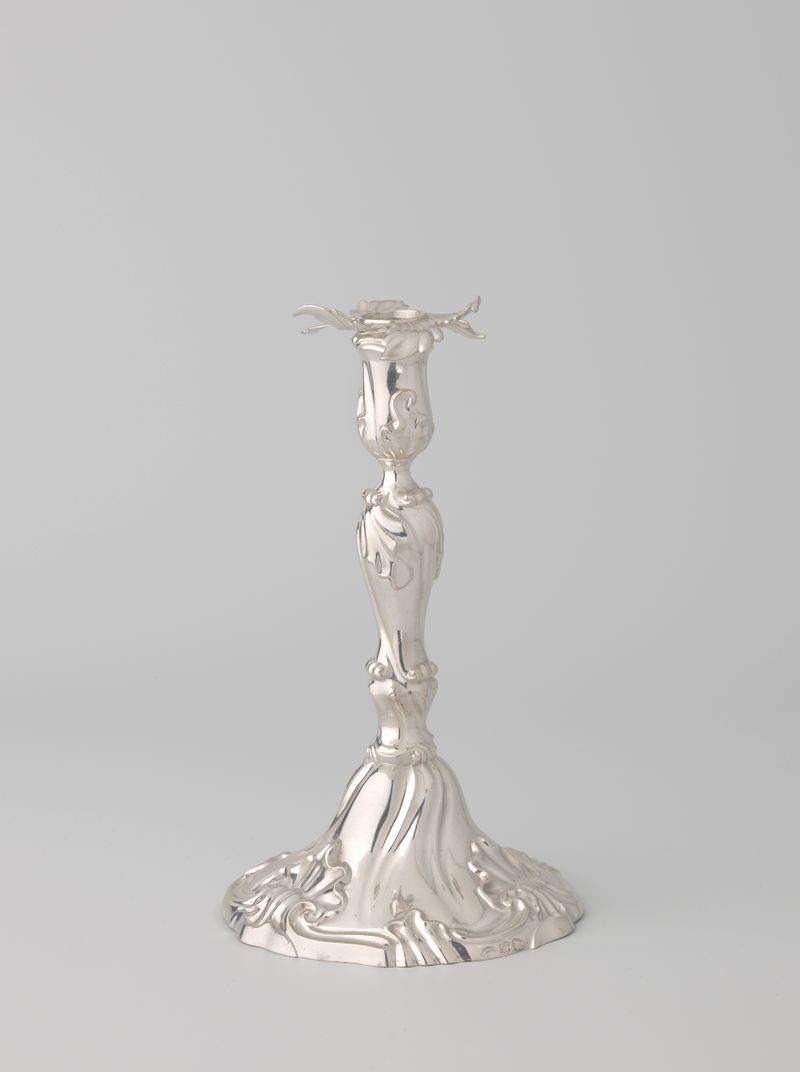
In the delicate interplay of light and shadow, the essence of decay whispers a haunting tale. Notice how the silver candelabrum occupies the center of the composition, its intricate details catching the soft glow of surrounding light. The artist’s careful rendering reveals an exquisite craftsmanship that contrasts with the subtle tarnish of the metal, suggesting the passage of time and the inevitability of decay. Look closely at the ornate designs; floral motifs intertwine and echo the cycles of life and death, inviting the observer to appreciate both beauty and fragility in each curve. The delicate patina on the candelabrum tells a story of neglect and history, hinting at the once-vibrant life it illuminated.
There’s a tension between the polished surface and the wear it has endured, symbolizing our own journey through time. This contrast serves as a reminder that all things, even those that seem eternal, are subject to change and decay. The stillness of the scene invites contemplation, urging viewers to reflect on the fleeting nature of beauty and the stories that objects hold. Created in 1770, this piece emerged during a period of artistic transition in the Netherlands, as the Baroque style gave way to the rising influence of Neoclassicism.
Cornelius Wilhelmus Rensing, a skilled silversmith, was navigating this shift in artistic sensibilities, crafting works that captured the elegance and sophistication of his time. Amid the broader cultural shifts, his attention to detail and intricate designs marked a celebration of craftsmanship, even as the world around him began to embrace change.