Keukengerei van ijzer, gekarteld, om versieringen op taarten aan te brengen — History & Facts
Where does light end, and longing begin? In the delicate interplay of shadows cast by simple objects, grief finds its silent echo. Focus on the intricate detailing of the iron tools laid out against a muted background, their jagged edges reflecting a history of craftsmanship. Notice how the light gently kisses their surfaces, revealing textures and imperfections that speak to years of use. Each tool stands as a testament to both creation and loss, meticulously arranged yet imbued with an unsettling stillness that invites contemplation. As you observe, consider the subtle contrast between the cold, unyielding metal and the warmth of memory that might envelop these utensils—each one an instrument not only of culinary delight but of unspoken farewells.
The way they are displayed suggests a pause in time, a moment frozen between the act of baking and the realization of absence. The ornate designs hint at the joy they could create while simultaneously whispering of the void left by loved ones no longer present. Crafted between 1500 and 1800, these artifacts belong to an era rich in the evolution of domestic life and artistry. The artist, whose identity remains elusive, was part of a cultural shift that celebrated both the practical and the beautiful.
During this period, Europe was awakening to new ideas in art, emphasizing personal connection and the home. These tools reflect not just a functional purpose but the emotional landscape of a society learning to express longing through everyday objects.
More Artworks by Unknown Artist
Browse all →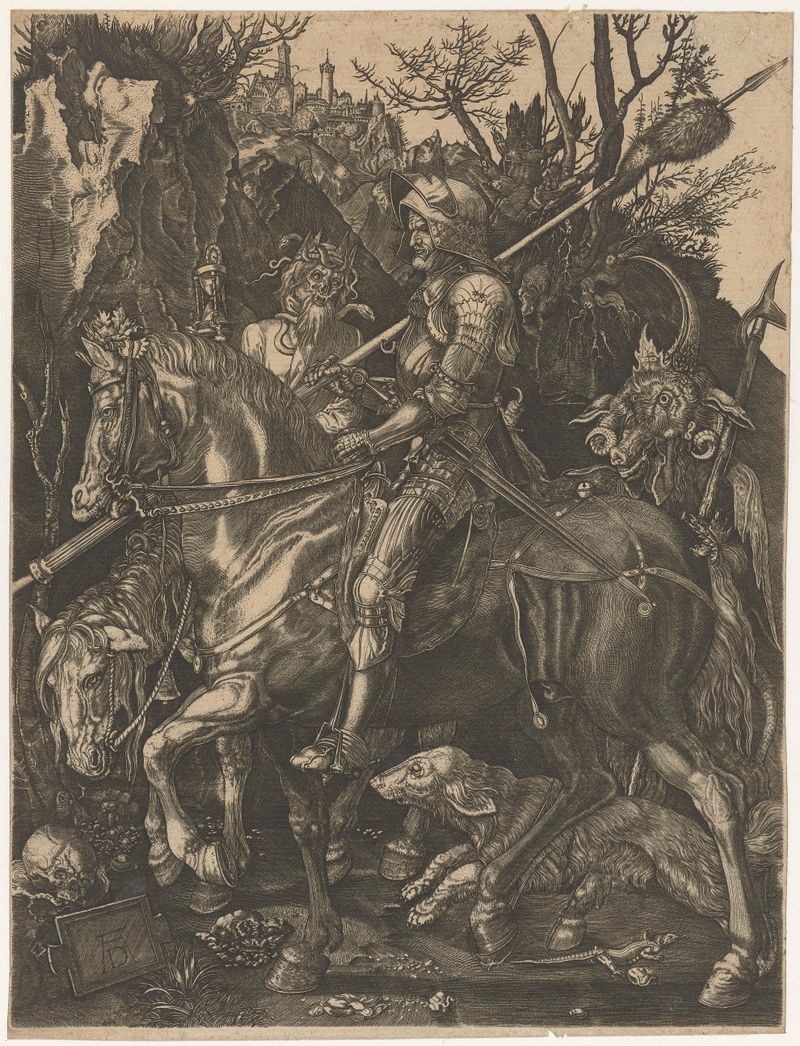
Ridder, Dood en Duivel
Unknown Artist
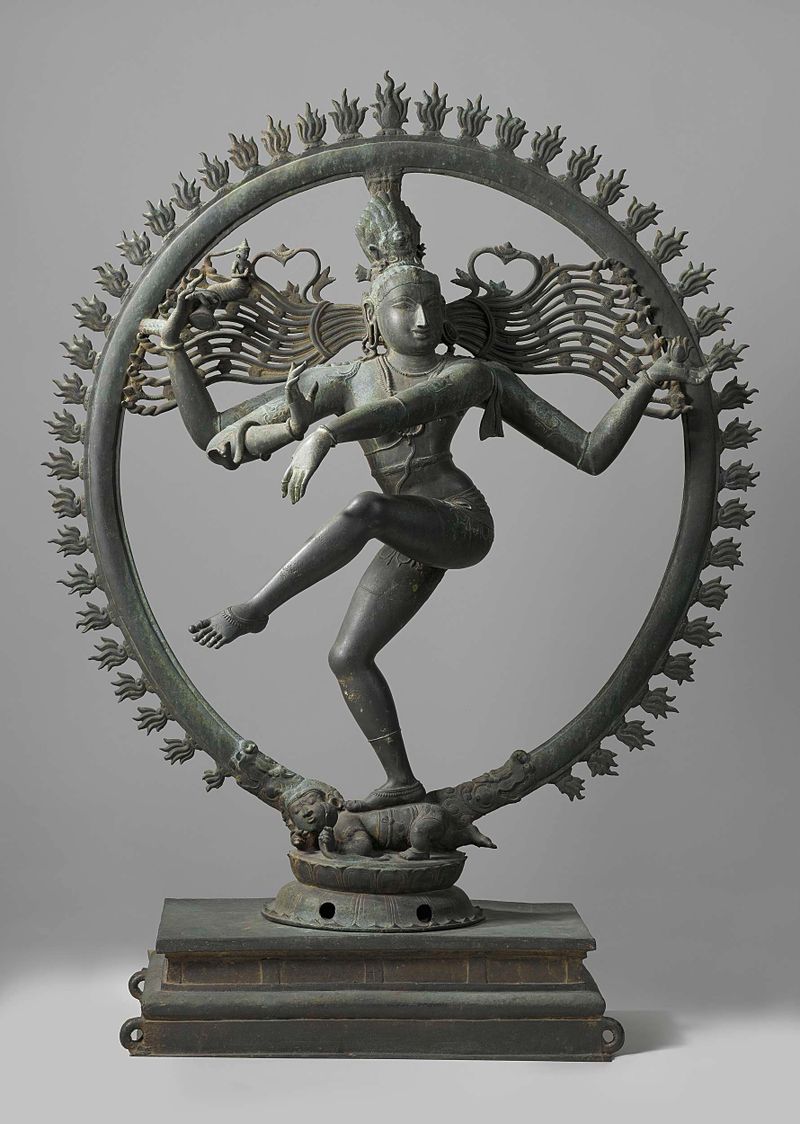
Shiva Nataraja
Unknown Artist
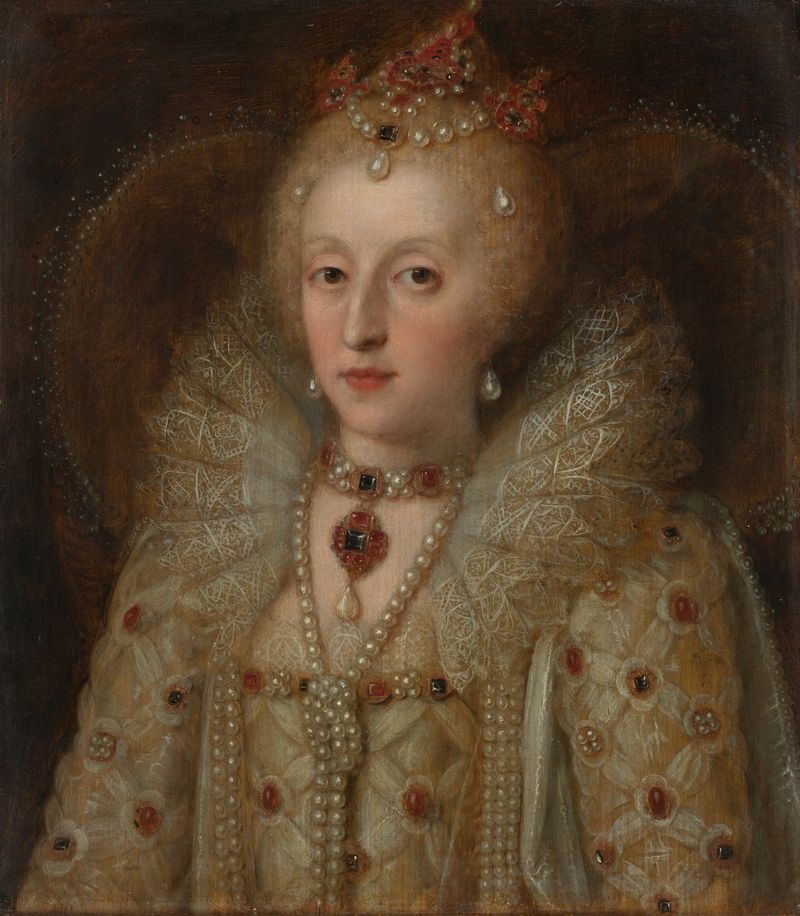
Portrait of Elizabeth I, Queen of England
Unknown Artist
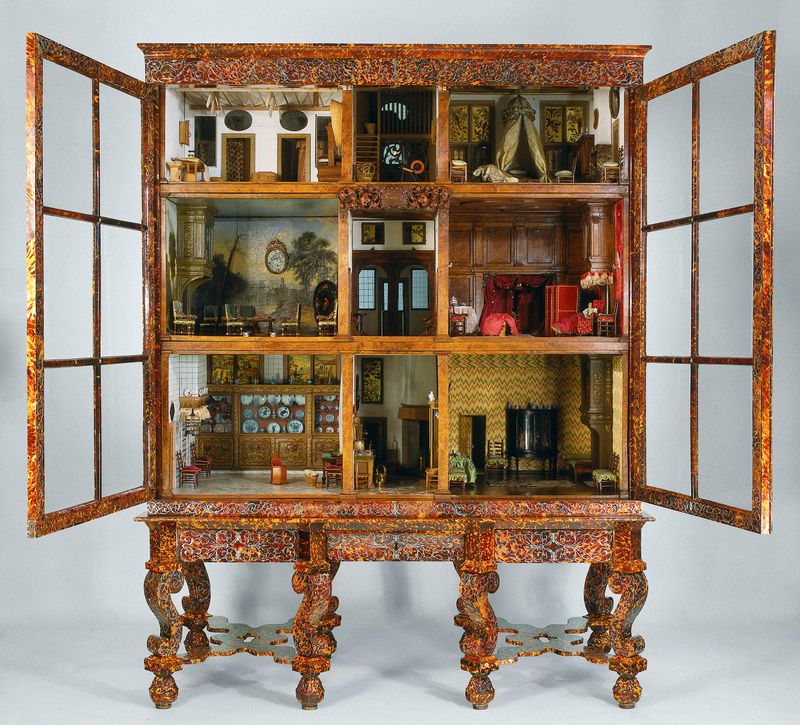
Dolls’ house of Petronella Oortman
Unknown Artist
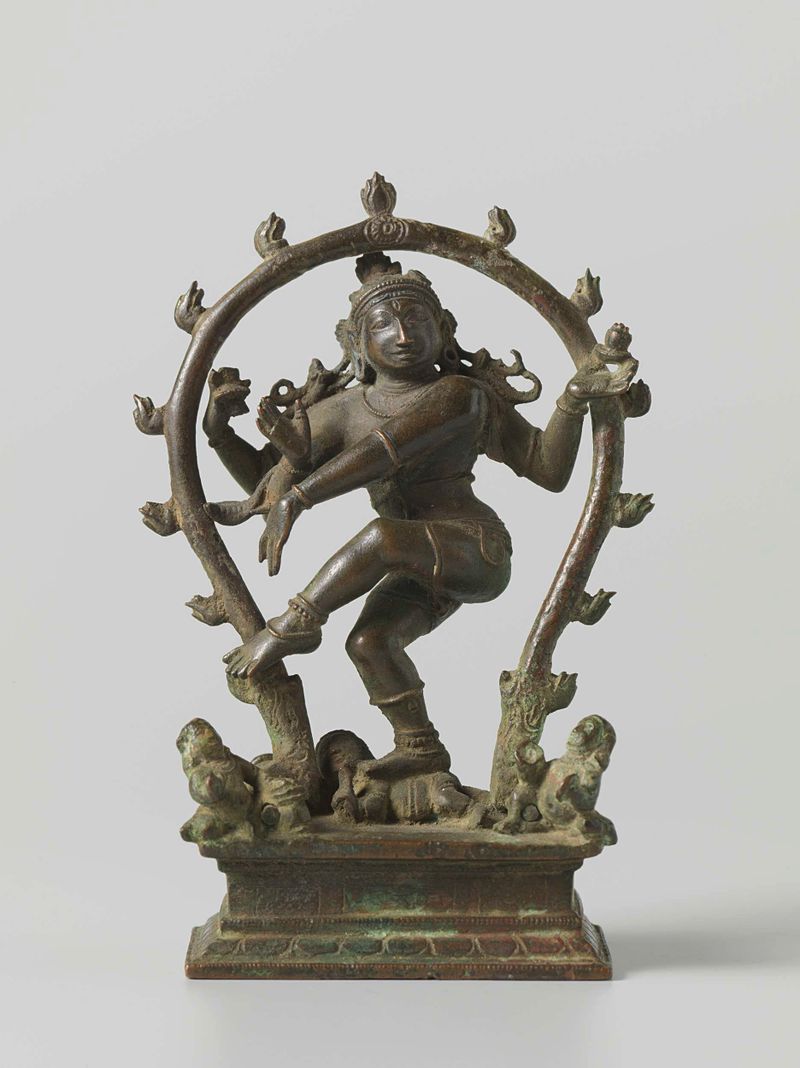
Shiva Nataraja
Unknown Artist

The Tale of Genji
Unknown Artist

The Tale of Genji
Unknown Artist

Cong
Unknown Artist
The bodhisattva Maitreya
Unknown Artist

Teabowl with a 'hare's fur' glaze
Unknown Artist