
Kinderjurk met lange mouw, van achter recht, van voren met zeer lage taille, sluiting, geplooide rok en twee steekzakken, van écru linnen, versierd met Engels borduurwerk — History & Facts
When did color learn to lie? In a world where fabric speaks volumes, the delicate interplay of hues can reveal truths that transcend the mere eye. Focus on the intricate embroidery that dances across the fabric, where shades of ecru evoke both innocence and complexity. Notice how the tailored bodice meets the gracefully pleated skirt, creating a silhouette that is both playful and sophisticated. Each detail—from the low waistline to the practical pockets—reflects a thoughtful design that merges beauty with function, beckoning the viewer to explore the habits and contexts of childhood attire. Yet, beneath its charming exterior lies a deeper narrative of transition and faith.
The choice of linen, a fabric steeped in history, hints at a permanence that contrasts with the fleeting nature of youth. The embroidery, adorned with English motifs, speaks to the era's cultural exchange, serving as a bridge between tradition and modernity. Each stitch carries the weight of expectation, revealing the aspirations of parents who dressed their children in garments that symbolize both love and societal norms. This garment emerged during the late 19th century, a period marked by rapid industrialization and shifting social values.
The anonymous artist crafted this piece around 1875 to 1880, likely in a context where the ideals of childhood innocence were revered yet challenged by new realities. The artistry reflects a moment in time when fashion began to embrace both aesthetic appeal and the practical needs of everyday life, resonating with the hope and faith parents placed in their children's futures.
More Artworks by Unknown Artist
Browse all →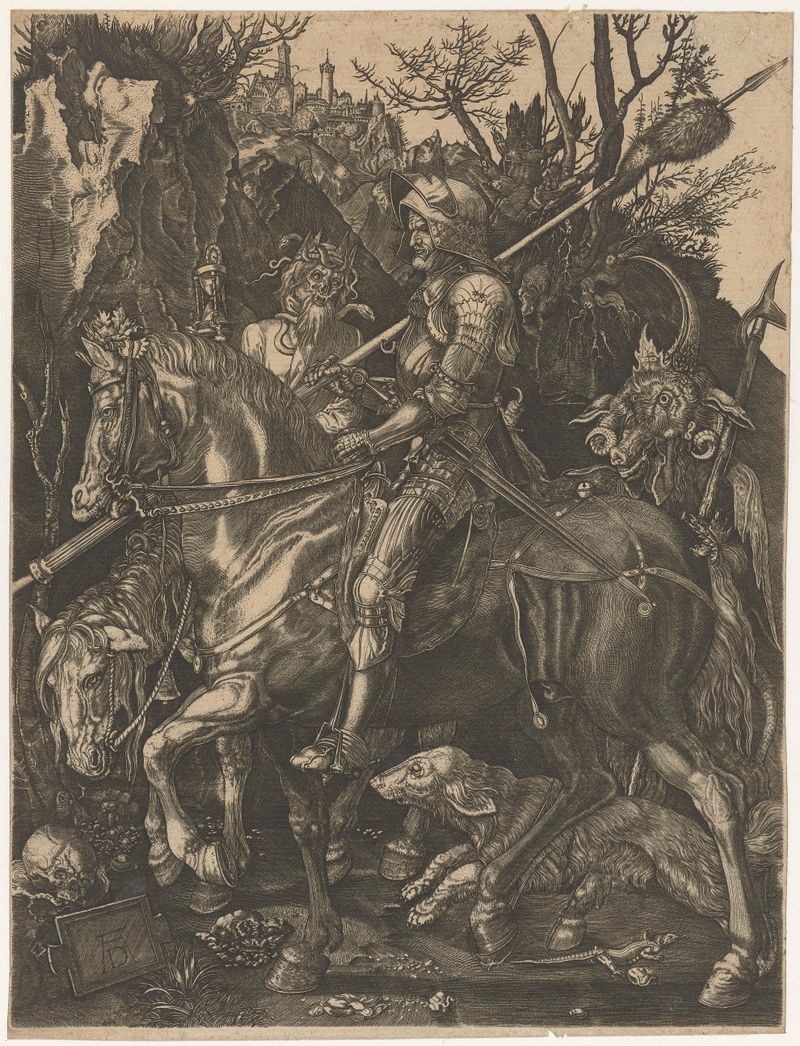
Ridder, Dood en Duivel
Unknown Artist
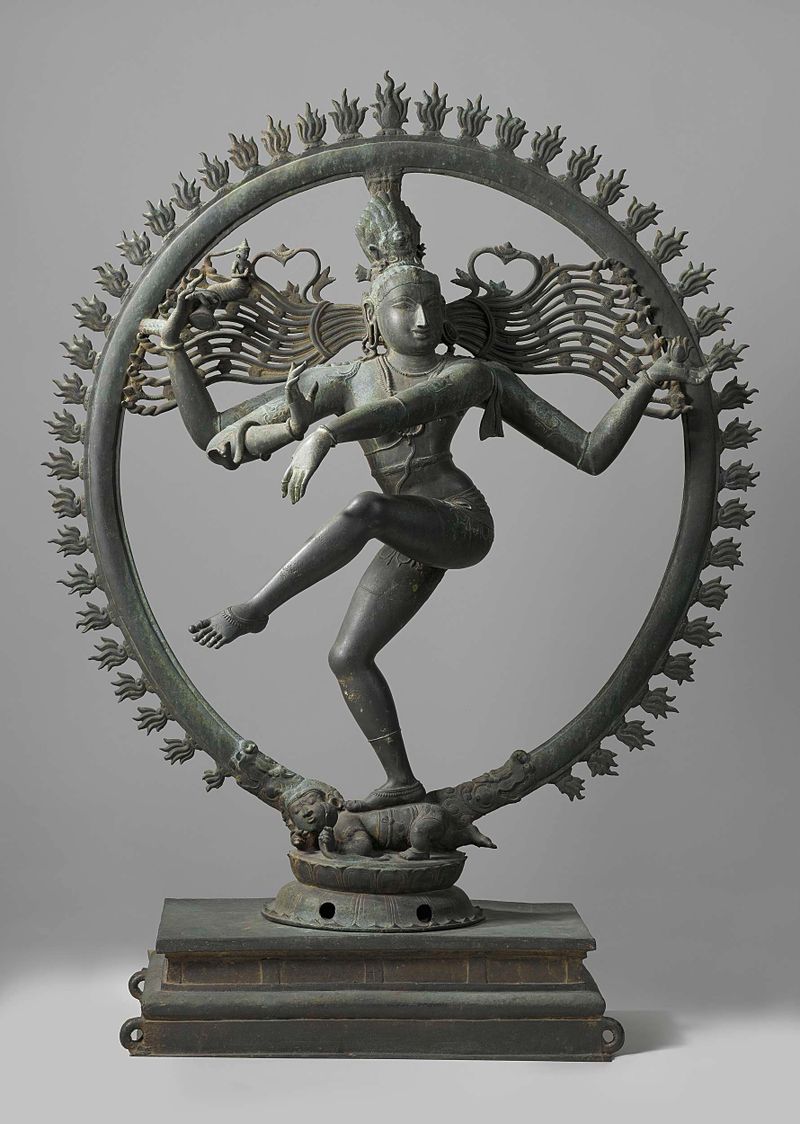
Shiva Nataraja
Unknown Artist
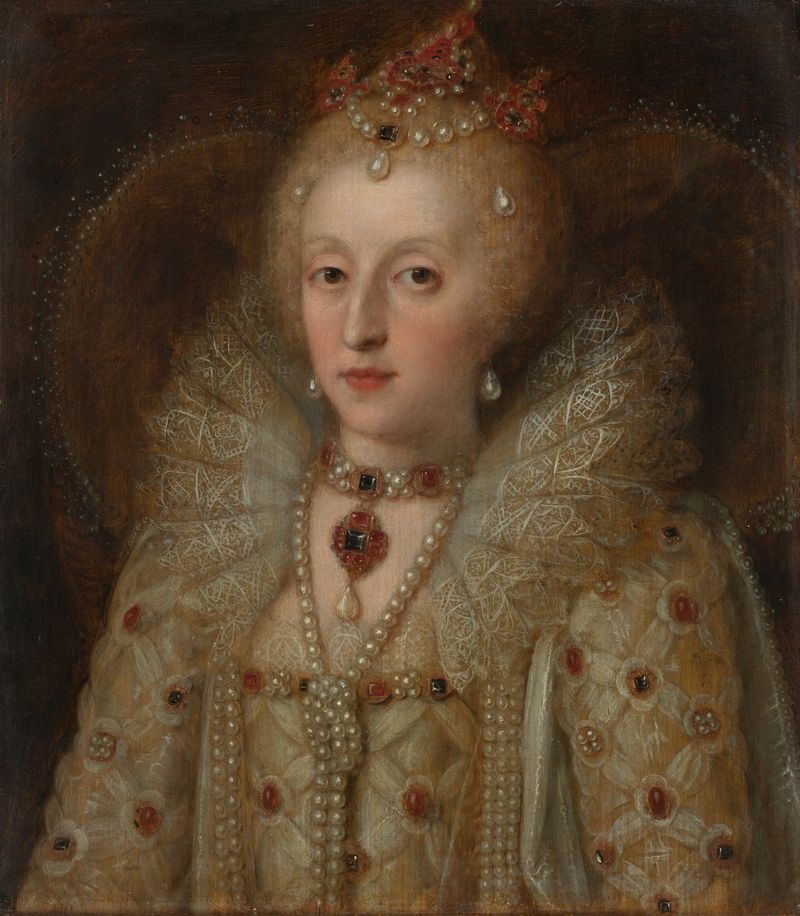
Portrait of Elizabeth I, Queen of England
Unknown Artist
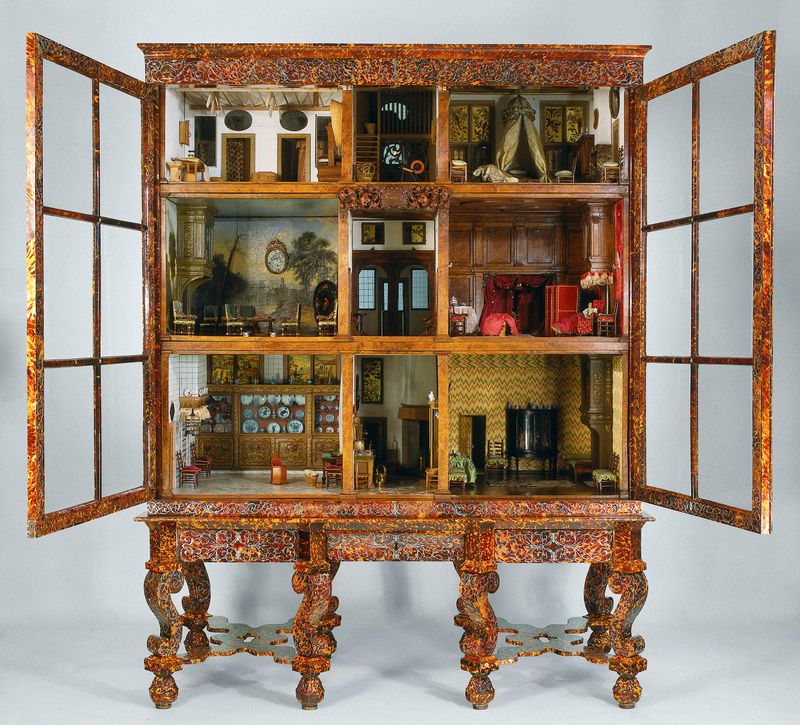
Dolls’ house of Petronella Oortman
Unknown Artist
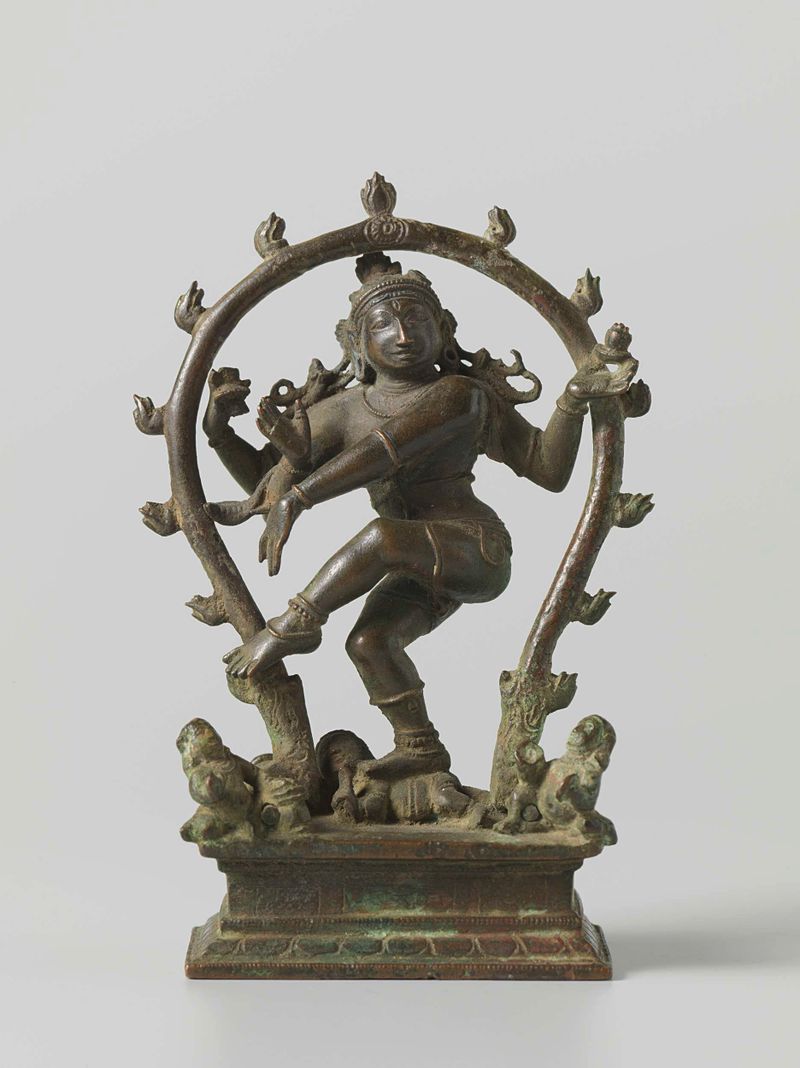
Shiva Nataraja
Unknown Artist

The Tale of Genji
Unknown Artist

The Tale of Genji
Unknown Artist

Cong
Unknown Artist
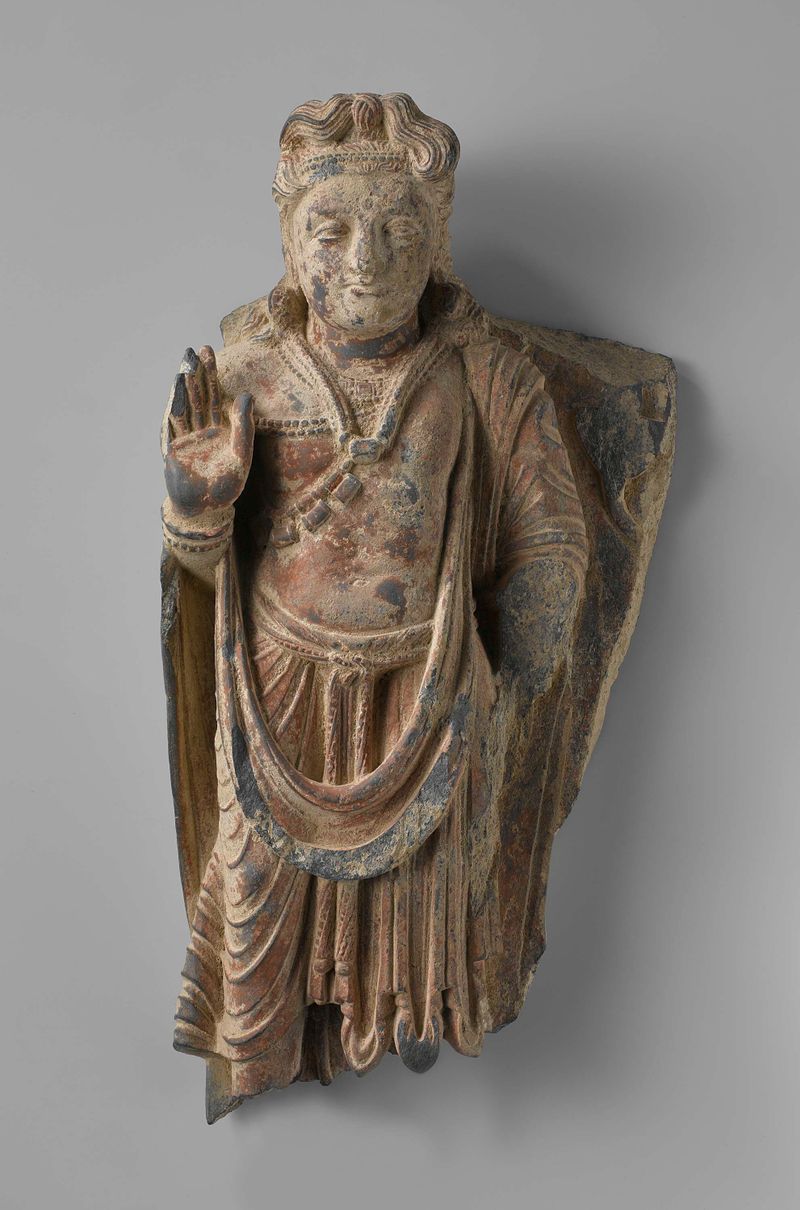
The bodhisattva Maitreya
Unknown Artist

Teabowl with a 'hare's fur' glaze
Unknown Artist





