
King of Hell — History & Facts
In the shadowy depths of the early 16th century, a tempest of emotion rages within the confines of a canvas, where brutality and beauty entwine. Focus on the central figure, a menacing apparition seated upon a throne of skulls, his gaze piercing through the murkiness that surrounds him. Notice how the stark contrasts between the dark hues and fiery reds emphasize the chaos in the scene, evoking a sense of foreboding. To the left, ethereal figures writhe in torment, their contorted forms stretching toward their sovereign, invoking a visceral reaction that lingers in the air. Symbolism permeates the composition, intertwining power with suffering.
The crown perched upon his head, fashioned from twisted vines and bones, underscores the violent duality of his reign—one that feeds on fear and maintains dominion through turmoil. Examine the ghosts of the damned; their anguished expressions reflect humanity's struggle against fate and desire. Each stroke captures the raw energy of conflict, suggesting that violence is intrinsic to existence. This artwork, produced by an unknown artist in the tumultuous early 1500s, emerges from a Europe grappling with spiritual upheaval and societal strife.
As the Renaissance flourished, traditional beliefs clashed with emerging humanism, leading to profound introspection within the artistic community. Amid this backdrop, the artist harnessed the unsettling theme of malevolence, inviting viewers to confront the darkness that resides within and around them.
More Artworks by Unknown Artist
Browse all →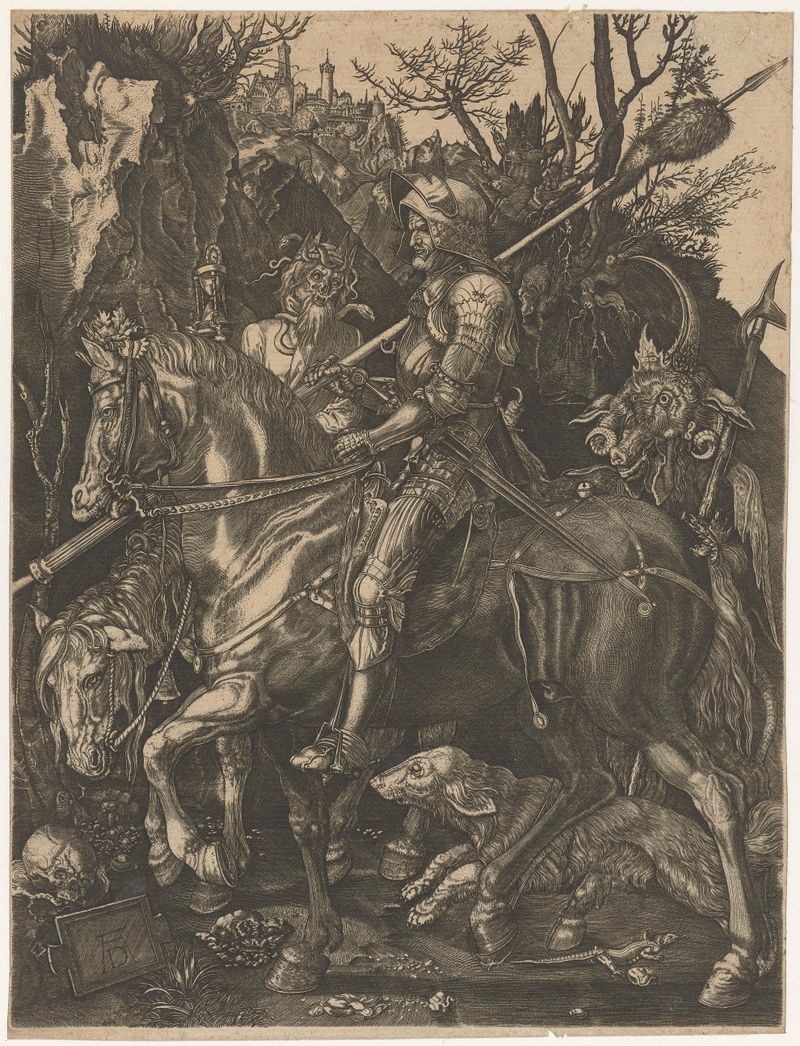
Ridder, Dood en Duivel
Unknown Artist
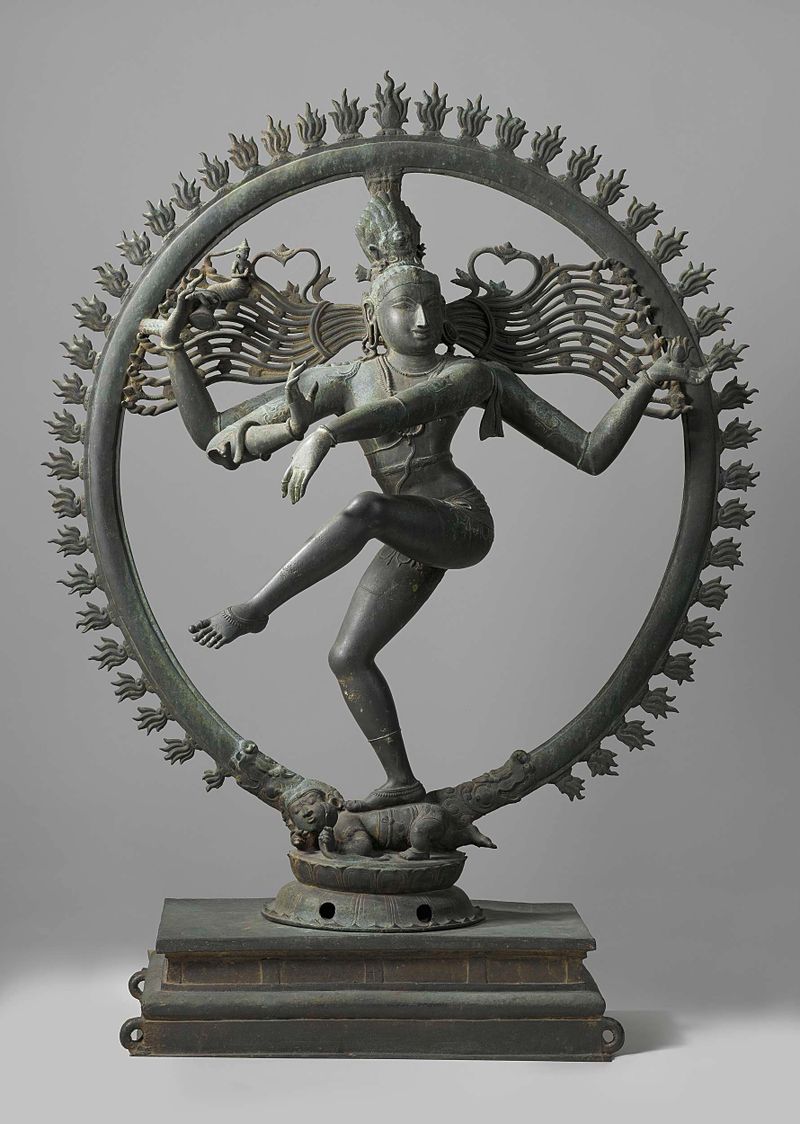
Shiva Nataraja
Unknown Artist
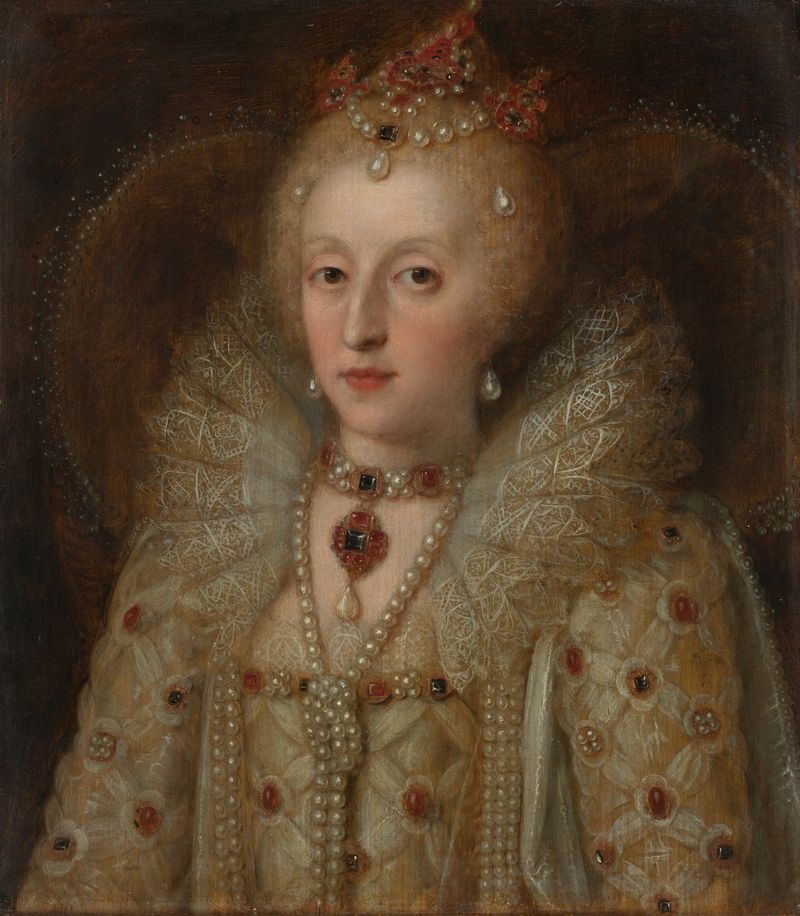
Portrait of Elizabeth I, Queen of England
Unknown Artist
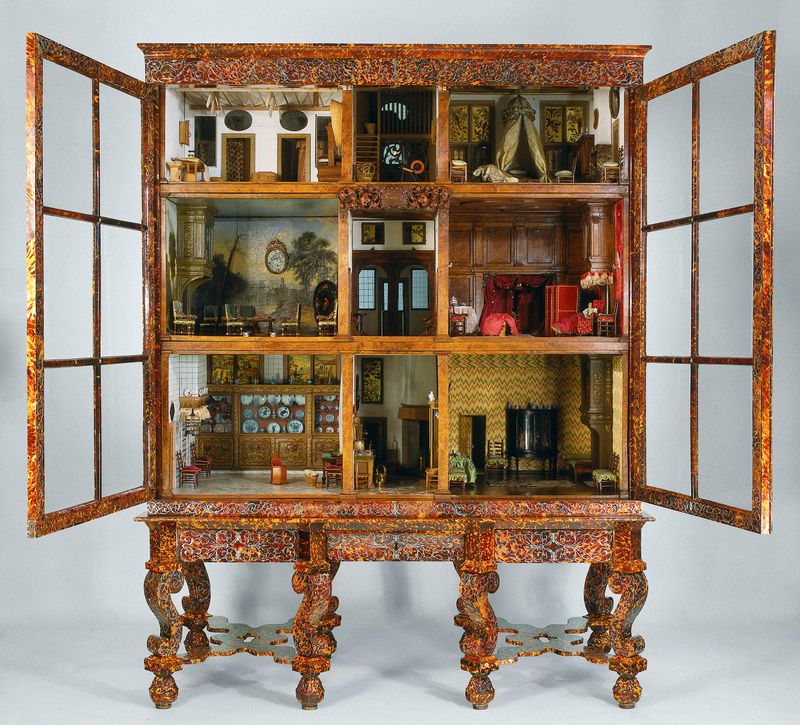
Dolls’ house of Petronella Oortman
Unknown Artist
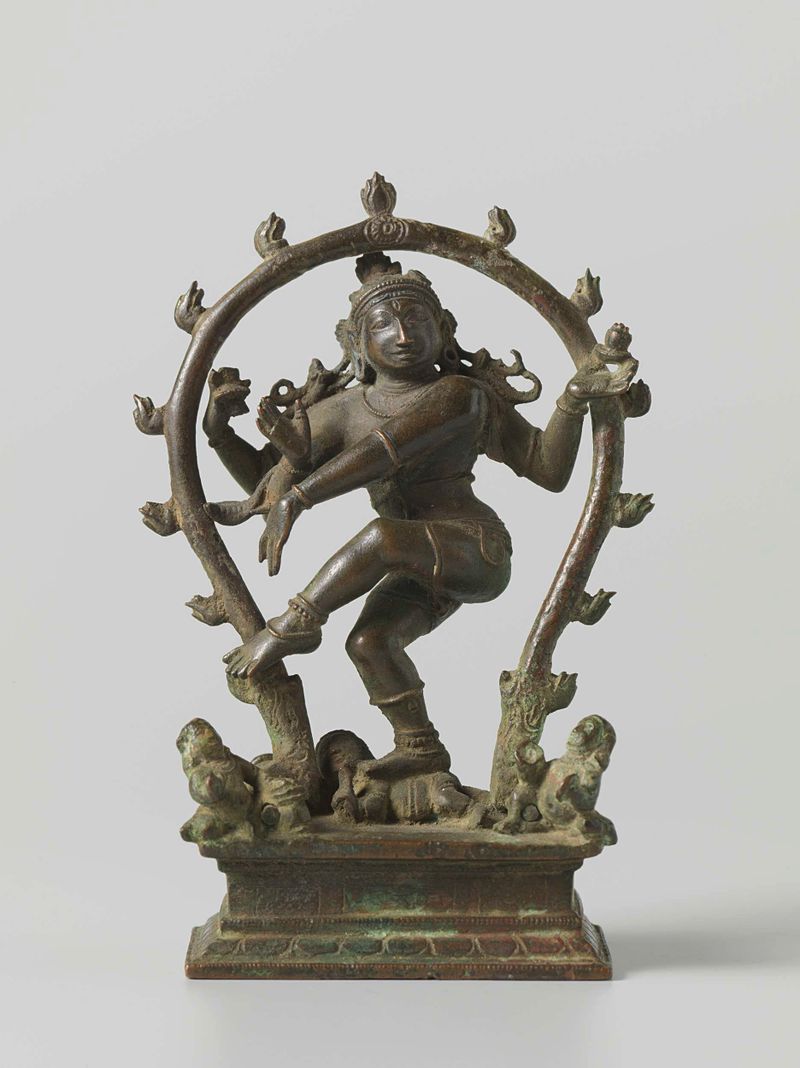
Shiva Nataraja
Unknown Artist

The Tale of Genji
Unknown Artist

The Tale of Genji
Unknown Artist
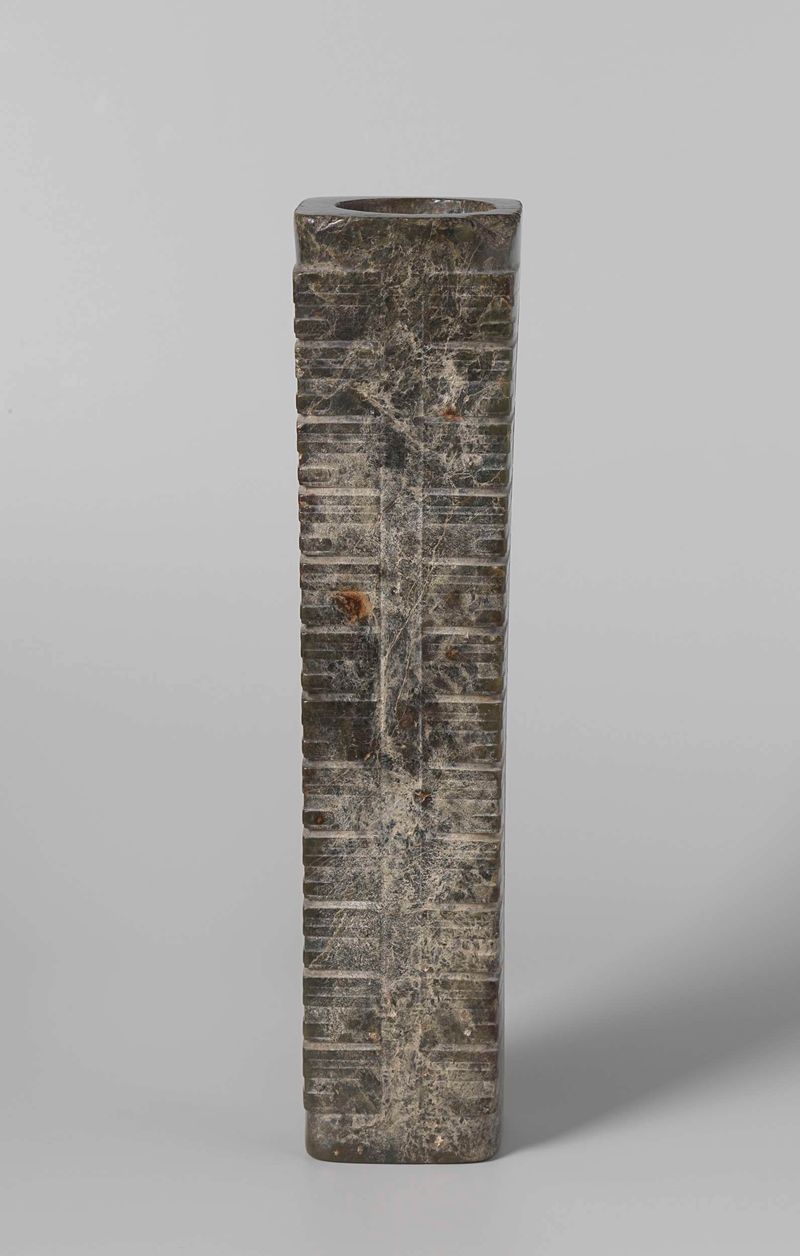
Cong
Unknown Artist
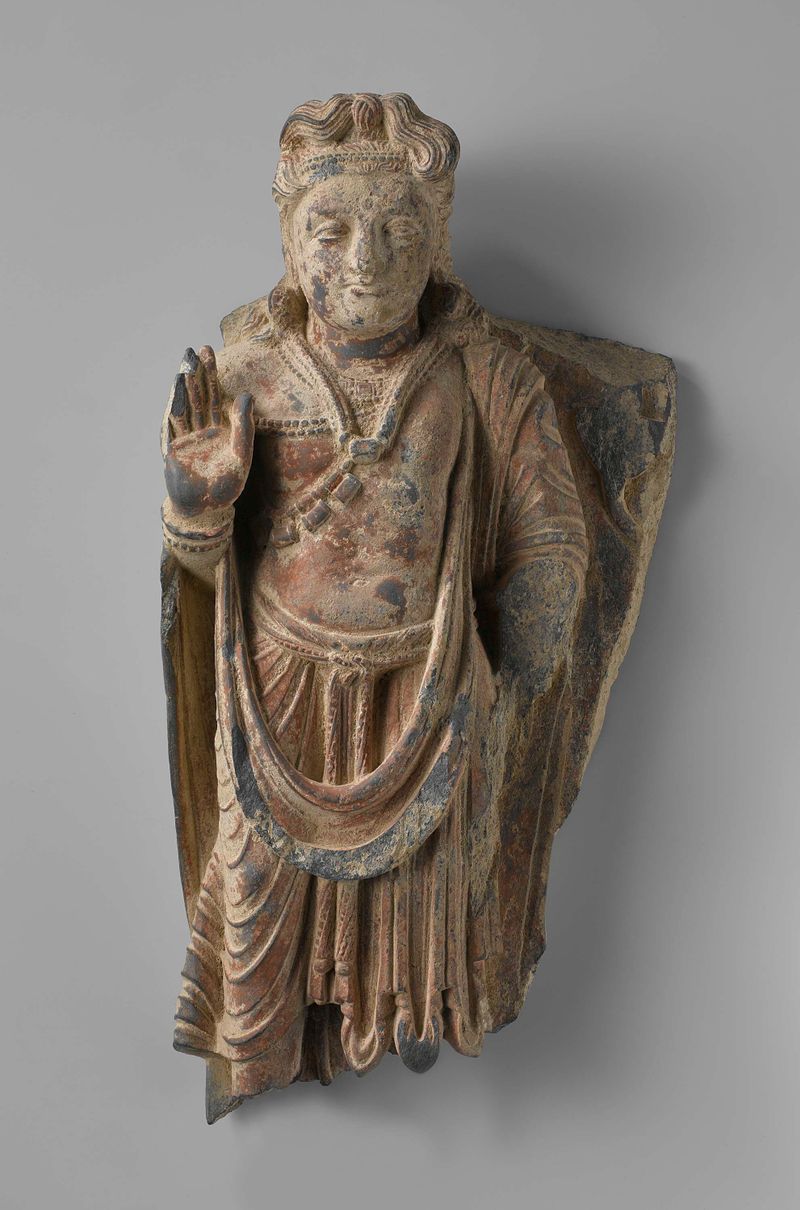
The bodhisattva Maitreya
Unknown Artist
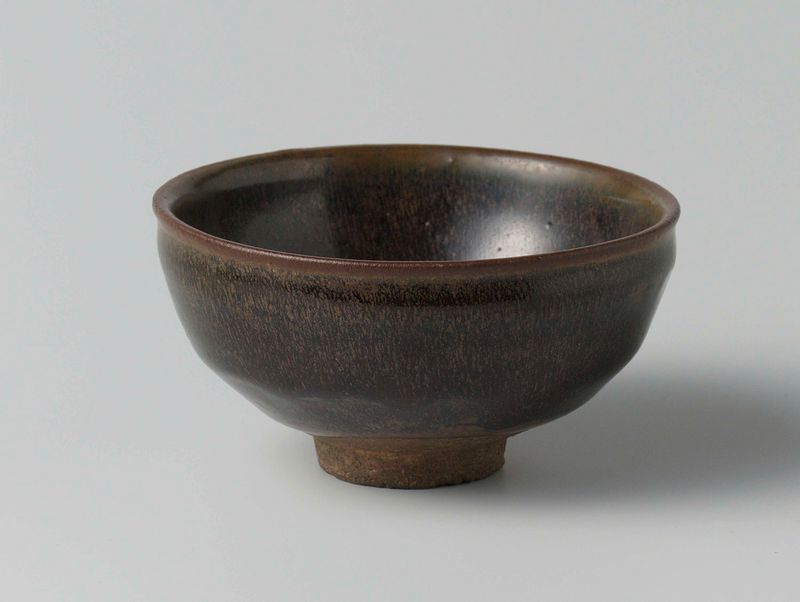
Teabowl with a 'hare's fur' glaze
Unknown Artist





