Kirchenruine — History & Facts
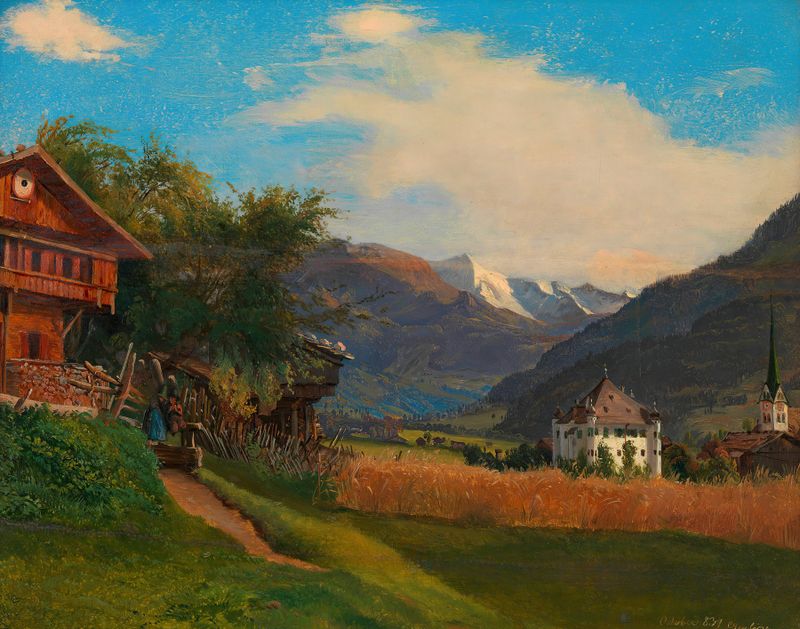
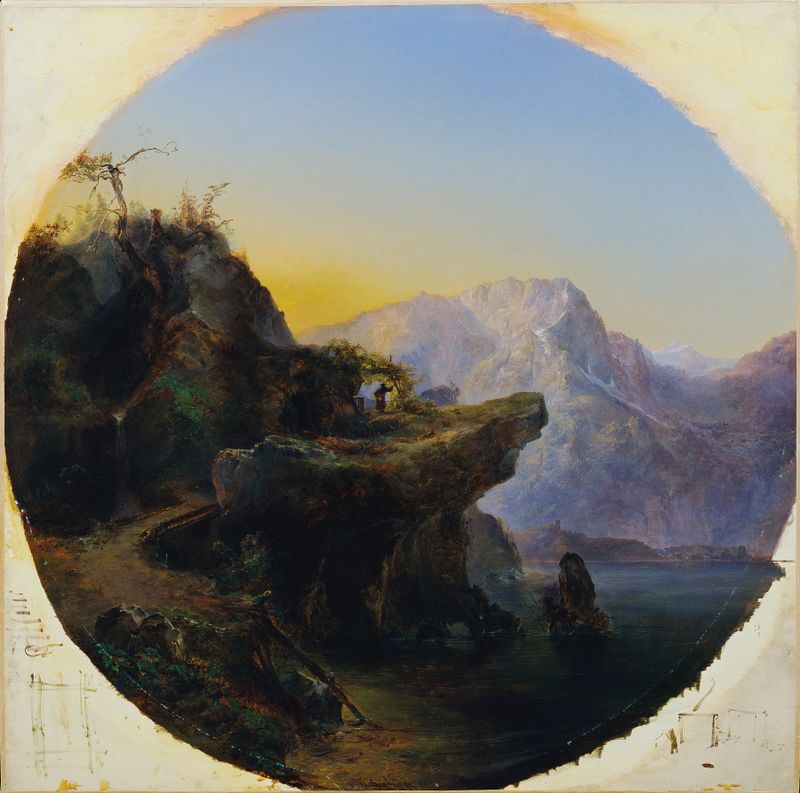
Where does light end, and longing begin? The interplay of shadows and illumination in Kirchenruine evokes a deep yearning for what once was, deftly capturing the essence of transformation. Look to the left at the skeletal remains of the church, where crumbling stones rise toward the sky, bathed in soft, golden light. Notice how the artist’s delicate brushwork brings every detail to life—the texture of the weathered walls, the scattered vines that cling desperately to their former glory. The palette is muted yet warm, seamlessly blending earthy browns with hints of verdant green, inviting the viewer's gaze to linger and reflect on the passage of time. As you explore the composition, consider the emotional tension woven into the scene.
The juxtaposition of light and shadow suggests a fleeting moment caught between decay and renewal. The vibrant greenery encroaching upon the ruins symbolizes nature's relentless resilience, while the soft glow highlights both beauty and melancholy. Here is a space where the sacred and the secular coexist, inviting contemplation on the impermanence of human creation and the eternal presence of the natural world. In 1854, Geyling painted this scene during a period marked by a fascination with romanticism and the sublime.
Living in Germany amidst a growing interest in nature, he was inspired by the ruins that dotted the landscape, viewing them as relics of lost faith and civilization. His work reflects not only personal introspection but also the broader artistic movement, as artists sought to encapsulate the complex relationship between humanity and the ever-encroaching forces of nature.