Stumm im Zillertal — History & Facts
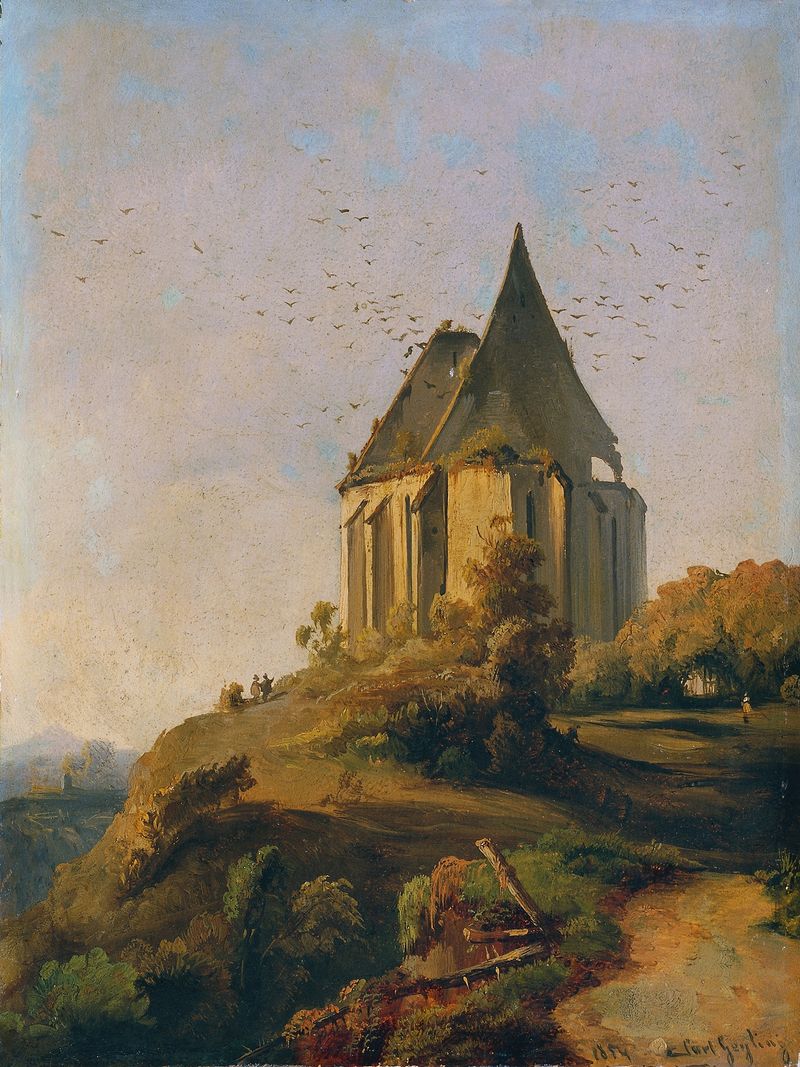
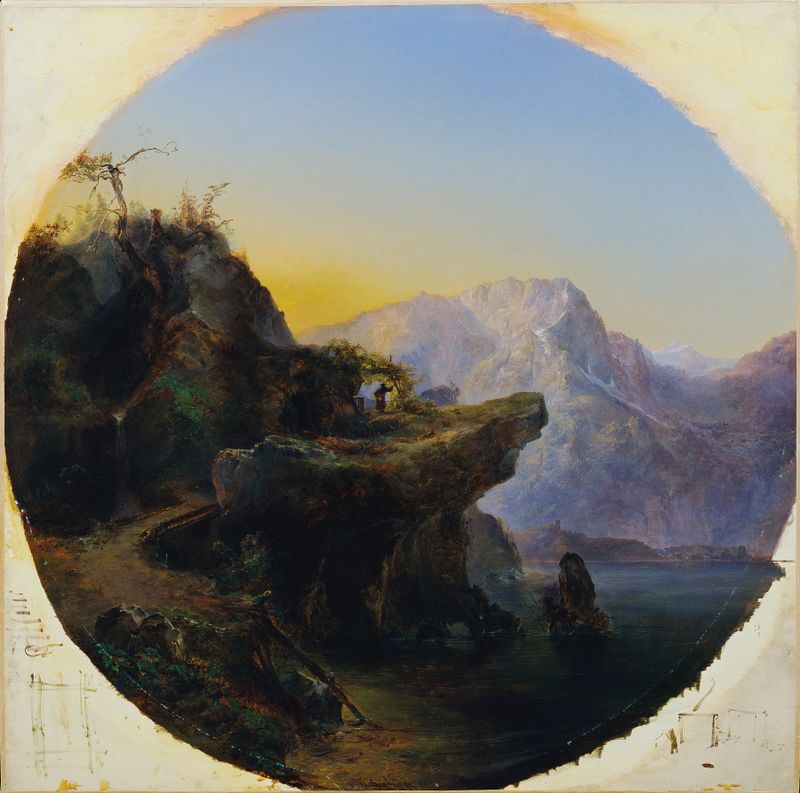
Could a single brushstroke hold eternity? In Stumm im Zillertal, the artist captures an ephemeral moment framed by the grandeur of the alpine landscape, inviting us to question our perception of reality and illusion. Look to the left at the imposing mountains, their rugged contours softened by a veil of mist. The play of light across the peaks creates a striking contrast with the rich greens of the valley below, drawing the viewer’s eye to the interplay between nature’s majesty and human presence. Notice how the delicate strokes depicting the small village nestled at the base evoke a sense of calm, yet simultaneously suggest the fragility of life within this vast wilderness. As you explore this composition further, subtle details emerge: the way the smoke from a chimneys wafts into the air, hinting at warmth and shelter amid the looming cold.
The scattered figures engage in their daily routines, yet they seem almost insignificant against the backdrop of towering mountains, evoking themes of humility and existential pondering. The illusion of depth created through shading implies a vast space beyond the canvas, causing the viewer to reflect on their own place in this world. In 1831, Carl Geyling painted this work during a significant transitional period in the art world, where Romanticism was giving way to Realism. Living in Switzerland, Geyling was deeply influenced by the dramatic landscapes of the Alps and their effect on the human psyche.
This painting resonates with the artistic exploration of nature and the human experience, capturing a moment in time that transcends both.