Kop van een ram — History & Facts
Did the painter know this moment would outlive them? In the stillness of Kop van een ram, a lifeless ram’s head confronts the viewer, evoking a profound sense of loss and the passage of time. Focus on the intricate details of the ram’s fur, where soft, muted grays and browns create a tactile quality that draws you in. Notice how the light gently caresses its curved horns, highlighting every subtle shadow and contour. The composition is strikingly simple yet profound, emphasizing the raw beauty of death and the transient nature of life. As you delve deeper, observe the haunting gaze of the creature’s empty eye sockets, a reminder of what once was.
This juxtaposition of vitality and demise paints a poignant contrast, inviting contemplation on the cycle of existence. The lifeless form embodies both decay and artistry, suggesting a lingering void that resonates with the fleeting moments we each endure. This artwork emerged during the early 18th century, a period marked by the Dutch fascination with still life and the vanitas theme, reflecting the temporality of life and material possessions. Created by an unknown artist between 1632 and 1733, Kop van een ram encapsulates the tension between life and death, resonating within the socio-cultural landscape of its time, where the beauty of nature was intertwined with its inevitable end.
More Artworks by Unknown Artist
Browse all →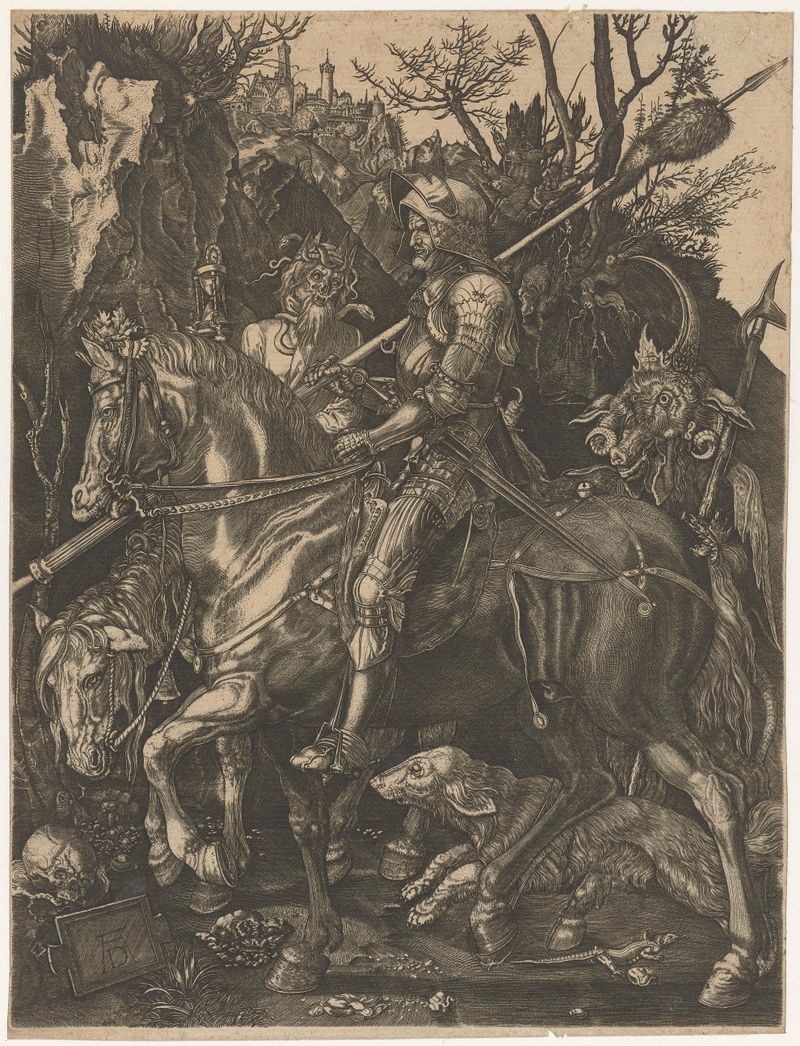
Ridder, Dood en Duivel
Unknown Artist
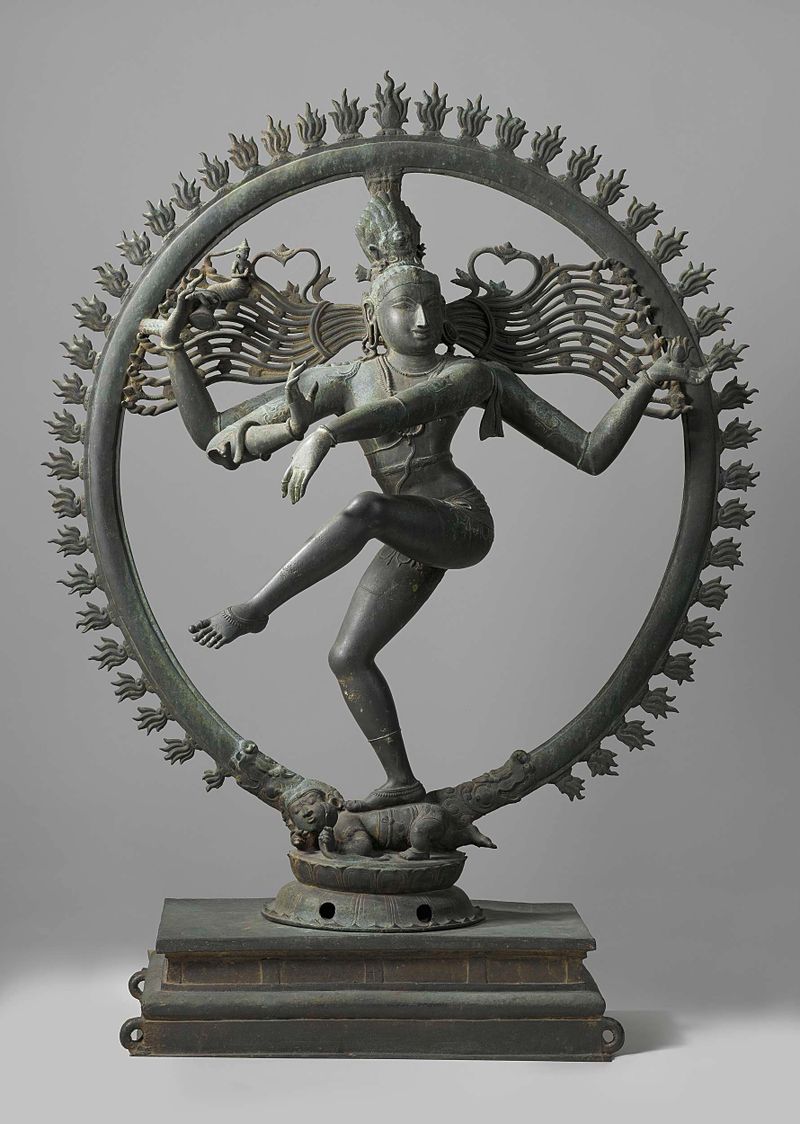
Shiva Nataraja
Unknown Artist
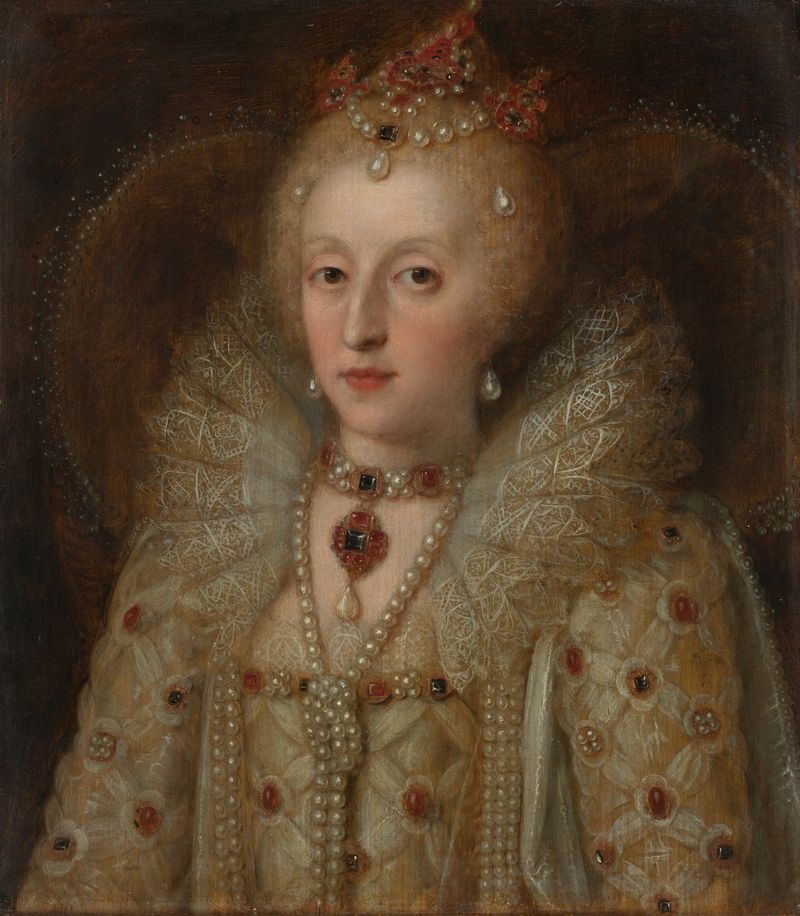
Portrait of Elizabeth I, Queen of England
Unknown Artist
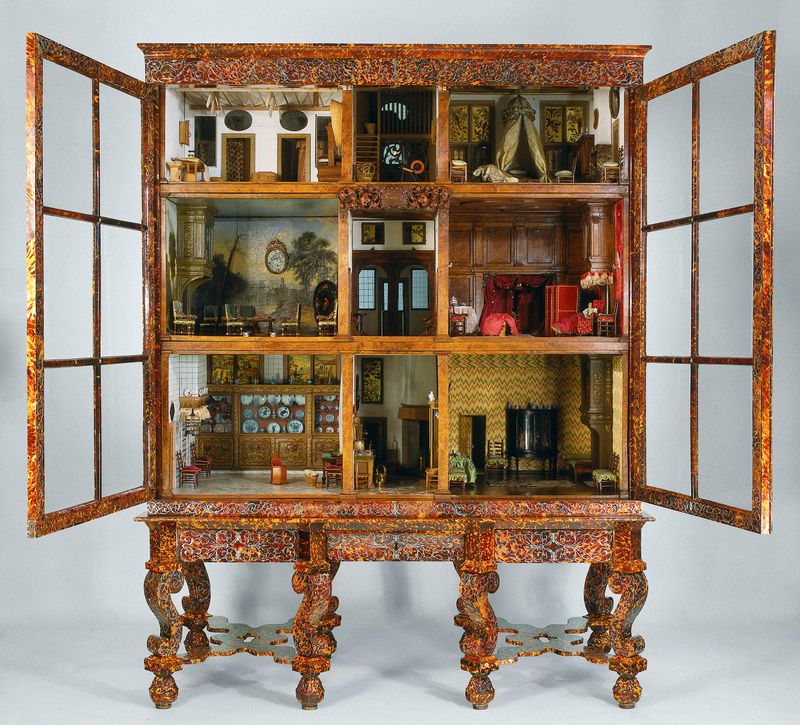
Dolls’ house of Petronella Oortman
Unknown Artist
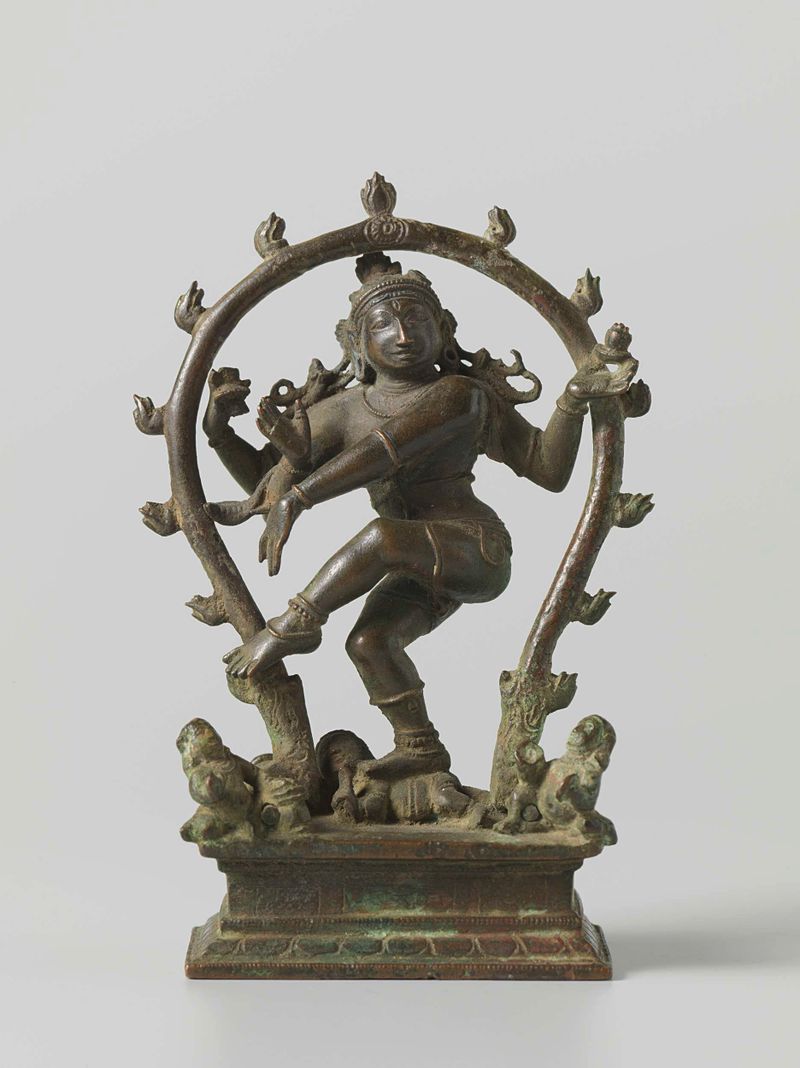
Shiva Nataraja
Unknown Artist

The Tale of Genji
Unknown Artist

The Tale of Genji
Unknown Artist
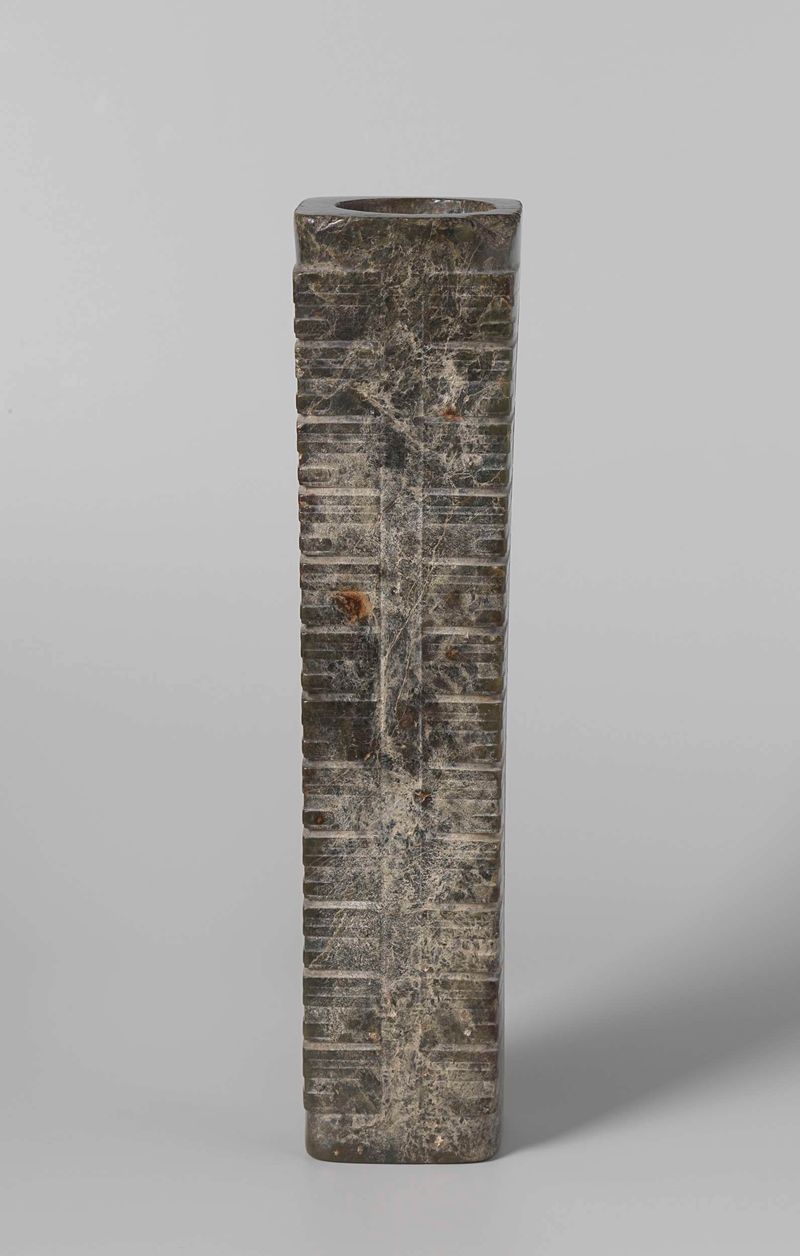
Cong
Unknown Artist
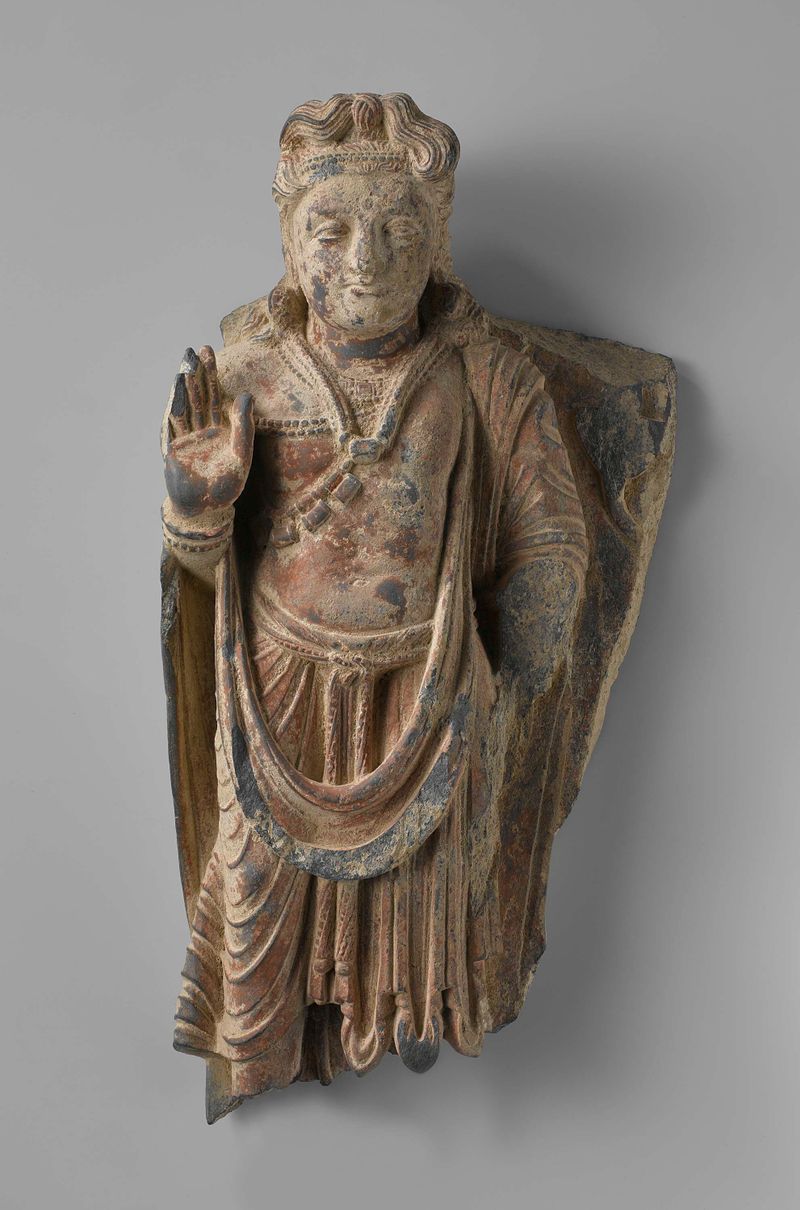
The bodhisattva Maitreya
Unknown Artist
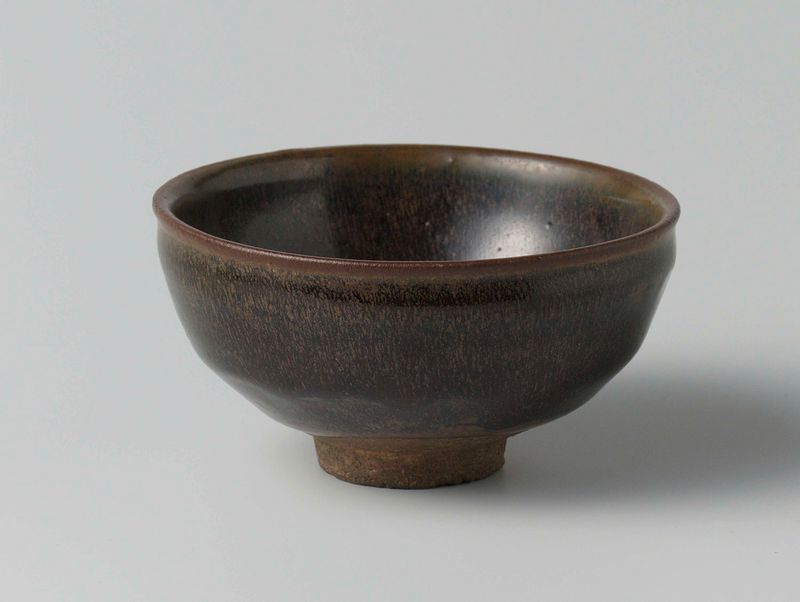
Teabowl with a 'hare's fur' glaze
Unknown Artist